


Colombian coffee has long set the benchmark for quality, but in 2025, the colombia bean stands out as the gold standard for coffee lovers everywhere. What gives these beans their legendary reputation?
This guide reveals the secrets behind Colombia’s coffee legacy. You’ll explore the unique origins, distinct flavor profiles, and expert brewing tips that make these beans exceptional.
Ready to elevate your daily cup? Dive in to discover Colombia’s renowned coffee regions, how to choose the perfect bean, and pro brewing practices every home barista should know.
The Rich Origins of Colombian Coffee Beans
Colombia is synonymous with exceptional coffee, and the story of every colombia bean begins in the country’s breathtaking landscapes. The combination of geography, climate, and tradition has made Colombian coffee a global benchmark for quality. Let’s dive into the origins that set these beans apart.
Colombia’s Coffee Geography and Climate
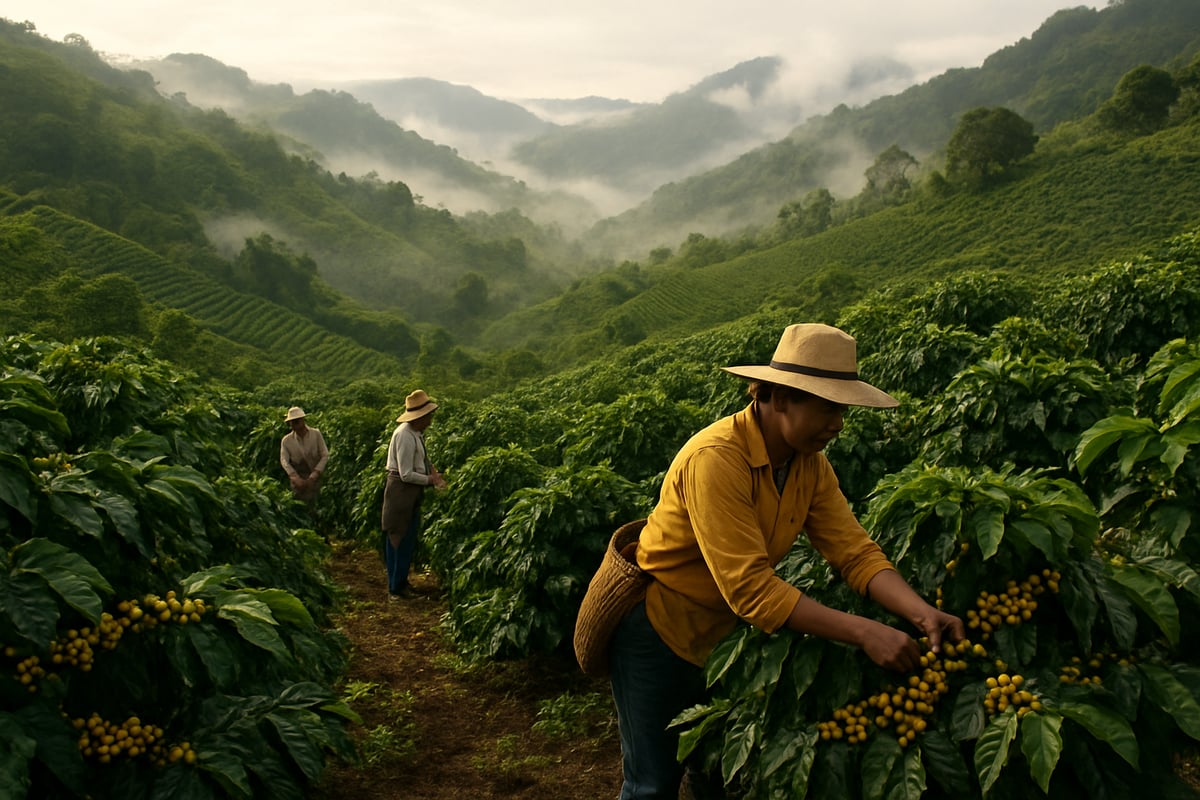
The heart of the colombia bean story lies within Colombia’s fabled “coffee triangle,” made up of Antioquia, Caldas, and Quindío. These regions are blessed with elevations between 4,000 and 6,500 feet, where cool mountain air and rich volcanic soil nurture slow-growing coffee plants.
Thanks to Colombia’s equatorial location, coffee farms enjoy consistent rainfall, warm days, and cool nights. Mist-shrouded valleys and microclimates encourage beans to mature gradually, developing complexity and sweetness that distinguish every colombia bean from the rest.
Colombia is consistently ranked among the world’s top three coffee producers, according to the International Coffee Organization. Farms in Huila and Nariño are especially renowned, often winning awards for specialty beans that showcase floral, citrus, and caramel notes.
- Average elevation: 4,000–6,500 feet
- Volcanic soil: Infuses minerals for richer flavors
- Microclimates: Create diverse taste profiles within short distances
The interplay of geography and climate creates a vibrant canvas for the colombia bean, ensuring every harvest tells a unique story.
Key Coffee-Growing Regions and Their Characteristics
Colombia’s diverse regions each add their own signature to the colombia bean experience. Antioquia is celebrated for balanced beans with nutty and chocolatey undertones, making them a favorite for those seeking a classic cup.
Huila stands out for beans with bright acidity, pronounced floral notes, and a gentle sweetness. Nariño’s high-altitude farms produce beans bursting with citrus and caramel, prized by specialty roasters worldwide.
Emerging regions like Tolima, Cauca, and Santander are gaining recognition for their unique microclimates and innovative farmers. With over 500,000 coffee-farming families, the colombia bean is not just a crop but a way of life across the country.
| Region | Flavor Profile | Elevation (ft) |
|---|---|---|
| Antioquia | Nutty, chocolatey, balanced | 4,000–6,500 |
| Huila | Bright, floral, sweet | 5,000–6,000 |
| Nariño | Citrus, caramel, complex | 6,000+ |
| Tolima | Fruity, vibrant, emerging | 4,500–6,000 |
| Cauca | Sweet, clean, floral | 5,500–7,000 |
| Santander | Herbal, cocoa, earthy | 4,000–5,500 |
No matter the region, every colombia bean reflects a legacy of family, community, and terroir.
Traditional Farming Practices and Sustainability
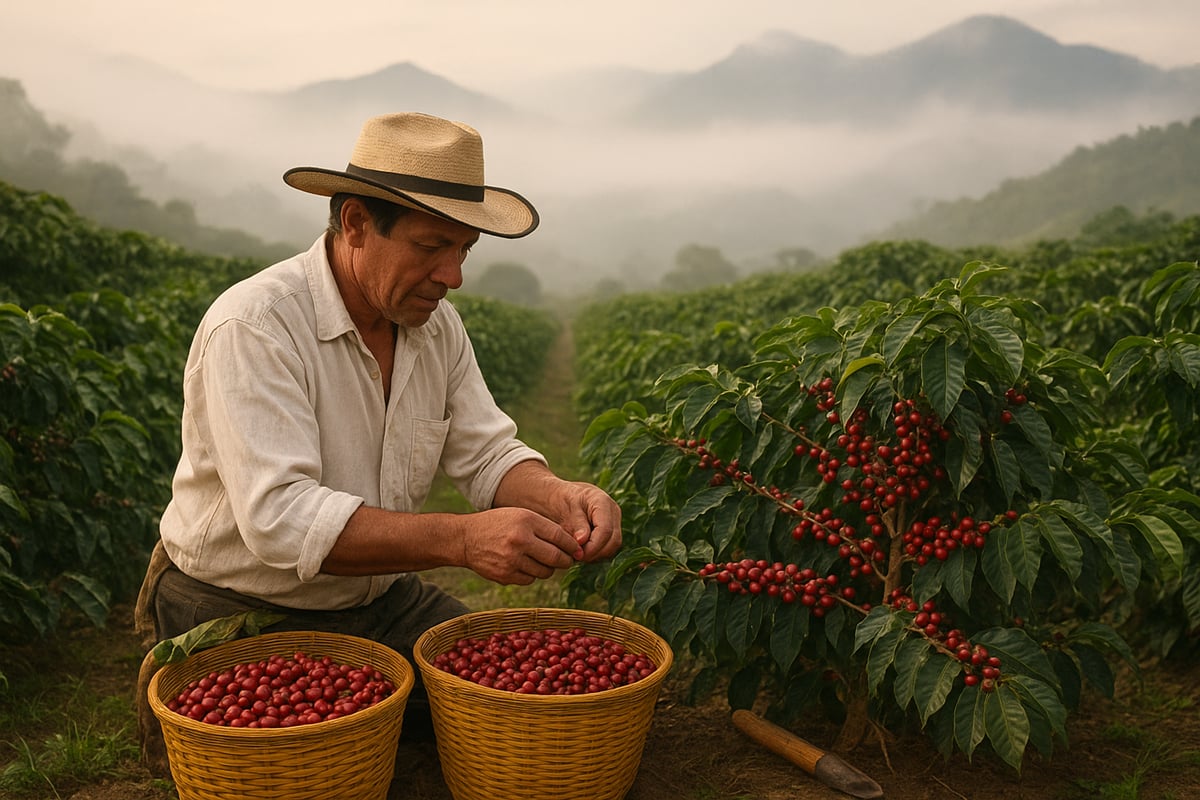
The colombia bean is deeply rooted in tradition. Generations of farmers use hand-picking methods to select only the ripest cherries, preserving quality and flavor. This hands-on approach is passed down, ensuring every harvest benefits from years of accumulated wisdom.
Sustainability is at the forefront of Colombia’s coffee culture. Many growers embrace organic and environmentally friendly techniques, such as shade-grown coffee that protects biodiversity and supports local wildlife. Cooperatives and fair trade initiatives empower farmers, driving improvements in both quality and community well-being.
For a deeper look at how traditional values and sustainable practices shape the colombia bean, explore the story behind Piracii Coffee. Their commitment to ethical sourcing exemplifies how stewardship of the land elevates both flavor and the future of Colombian coffee.
These practices not only enhance the colombia bean’s taste but also help preserve Colombia’s stunning ecosystems for generations to come.
What Makes Colombian Beans Unique?
Why does the colombia bean stand out on the world stage? It comes down to a rare blend of tradition, geography, and innovation. Colombian farmers have spent generations perfecting their craft, and the results are beans bursting with character. Let’s explore what truly sets the colombia bean apart from the rest.
Bean Varieties and Processing Methods
At the heart of every great colombia bean is a focus on quality-first varieties. Colombia is famous for its Arabica beans, particularly Typica, Bourbon, Caturra, and the resilient Castillo. These varieties thrive in Colombia’s high-altitude regions, where rich volcanic soil and cool nights create the perfect environment.
The most common processing method is washed, which means the beans are pulped, fermented, and thoroughly rinsed. This meticulous approach brings out the clarity and brightness that define the colombia bean. Washed processing also highlights distinct flavors, making single-origin and micro-lot coffees especially prized by connoisseurs.
How do Colombian beans compare to others? Here’s a quick look:
| Origin | Main Varieties | Processing | Signature Traits |
|---|---|---|---|
| Colombia | Arabica (Typica, etc.) | Washed | Balanced, bright, complex |
| Brazil | Arabica, Robusta | Natural | Nutty, chocolatey, low acid |
| Ethiopia | Arabica (Heirloom) | Washed/Natural | Fruity, floral, vibrant |
Grades like Supremo and Excelso help consumers identify size and quality, with Supremo beans being the largest and often the most sought after. If you want to discover a truly bold colombia bean with a signature profile, check out Bold Colombian Coffee beans, which showcase the best of these varietals.
Flavor Profiles and Sensory Experience
The colombia bean delivers a sensory journey that few coffees can match. Expect notes of caramel, citrus, red fruits, and chocolate, often layered with subtle floral undertones. What makes these flavors so captivating is the harmony of acidity, sweetness, and body in each cup.
Regional terroir plays a huge role. Beans from Quindío tend to be sweet and balanced, while those from Santander offer a deeper, earthier experience. Meanwhile, high-altitude Nariño beans are famous for their lively citrus and caramel notes. Here’s a quick flavor breakdown:
- Antioquia: Nutty, chocolatey, smooth
- Huila: Floral, sweet, bright acidity
- Nariño: Citrus, caramel, high clarity
- Santander: Earthy, herbal, rich body
Top colombia bean lots regularly score between 83 and 88+ on the Specialty Coffee Association (SCA) scale, a testament to their complexity and refinement. Ultimately, the interplay of variety, process, and region makes every colombia bean cup a unique adventure for your palate.
Choosing the Perfect Colombian Bean in 2025
Finding the ideal colombia bean in 2025 is both an exciting and rewarding journey. With more options than ever, understanding what sets one colombia bean apart from another makes all the difference for home baristas and coffee enthusiasts alike. Whether you crave vibrant acidity, floral notes, or a balanced cup, knowing how to choose ensures every brew is exceptional.
Navigating Labels and Certifications
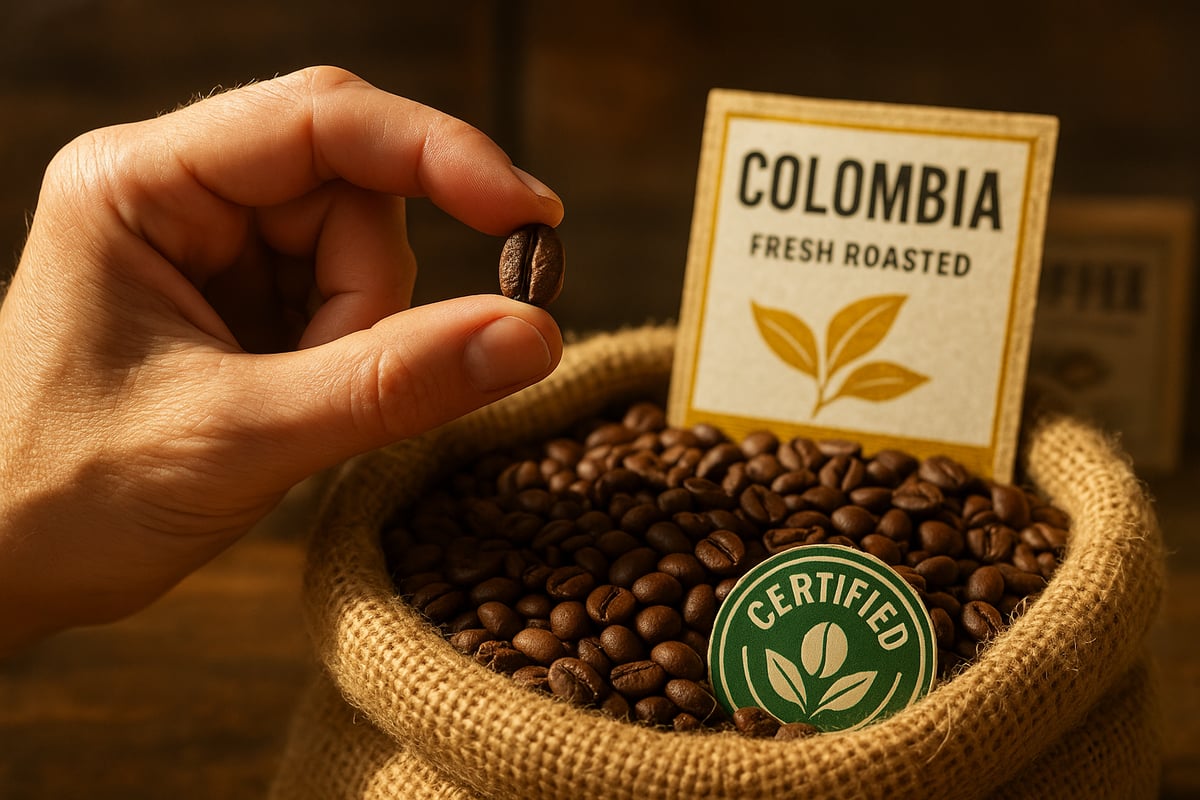
Deciphering coffee labels is essential when selecting a premium colombia bean. Look for terms like “single origin” or “estate” which indicate beans sourced from a specific farm or region. These labels promise traceability and unique flavor profiles that showcase the region’s terroir.
Certifications add another layer of confidence. Organic, Fair Trade, and Rainforest Alliance certifications guarantee sustainable farming, ethical treatment of workers, and environmental stewardship. Here is a quick reference:
| Label/Certification | What It Means |
|---|---|
| Single Origin | Beans from one region or farm |
| Specialty | High cupping score, traceable source |
| Organic | Grown without synthetic chemicals |
| Fair Trade | Ethical wages for farmers |
| Rainforest Alliance | Focus on biodiversity and sustainability |
Roast level matters too. Light roasts highlight acidity and fruit notes, while medium roasts balance sweetness and body. Dark roasts bring out chocolatey, smoky flavors, but may mask the origin’s subtlety.
To avoid blends and ensure authenticity, always check for clear origin labeling, roast date, and certifications. For a firsthand look at how to evaluate a popular colombia bean product, see this Nescafe Taster's Choice Colombian review.
Freshness and Sourcing Best Practices
Freshness is non-negotiable when choosing a colombia bean. Always opt for whole beans over pre-ground, as grinding accelerates staling. The roast date should be clearly marked, and fresher is always better—ideally within two weeks of roasting.
Source your colombia bean from reputable roasters who value transparency. Direct trade and farm-direct options often mean higher quality and stronger relationships with farmers. Small-batch roasters tend to prioritize freshness and unique micro-lot selections.
When buying online, compare freshness guarantees. Some retailers ship beans the day they are roasted, while others offer detailed batch information. Check reviews and look for roasters who disclose sourcing details, variety, and processing methods. This ensures every colombia bean you brew is vibrant and true to its origin.
Price, Value, and Subscription Options
The price of a specialty colombia bean varies, typically ranging from $16 to $36 per pound. While grocery store options may seem convenient, they often lack freshness and traceability. Specialty subscriptions, on the other hand, deliver curated beans direct to your door, often with detailed tasting notes and farm information.
Bulk buying and 5-pound subscription models are rising in popularity, offering savings for frequent drinkers. Coffee clubs can introduce you to new regions and processing styles, expanding your palate with every delivery. Here is a quick comparison:
| Option | Price Range | Freshness | Traceability |
|---|---|---|---|
| Grocery Store | $9–$15/lb | Low | Low |
| Specialty Subscription | $16–$36/lb | High | High |
| Bulk/Club | $14–$30/lb | High | High |
Choosing a colombia bean through these channels means every cup supports sustainable practices and delivers the best possible flavor. Invest in quality and let your daily ritual transport you to Colombia’s vibrant coffee landscapes.
Brewing Colombian Coffee: Tips for the Perfect Cup
Unlocking the full flavor of a colombia bean starts with the right approach in your own kitchen. Whether you are a seasoned home barista or just beginning to explore specialty coffee, mastering a few essential techniques will elevate your daily ritual. The following tips will help you brew a cup worthy of Colombia’s legacy, capturing the unique sweetness, balance, and vibrancy these beans are famous for.
Essential Equipment and Preparation Steps
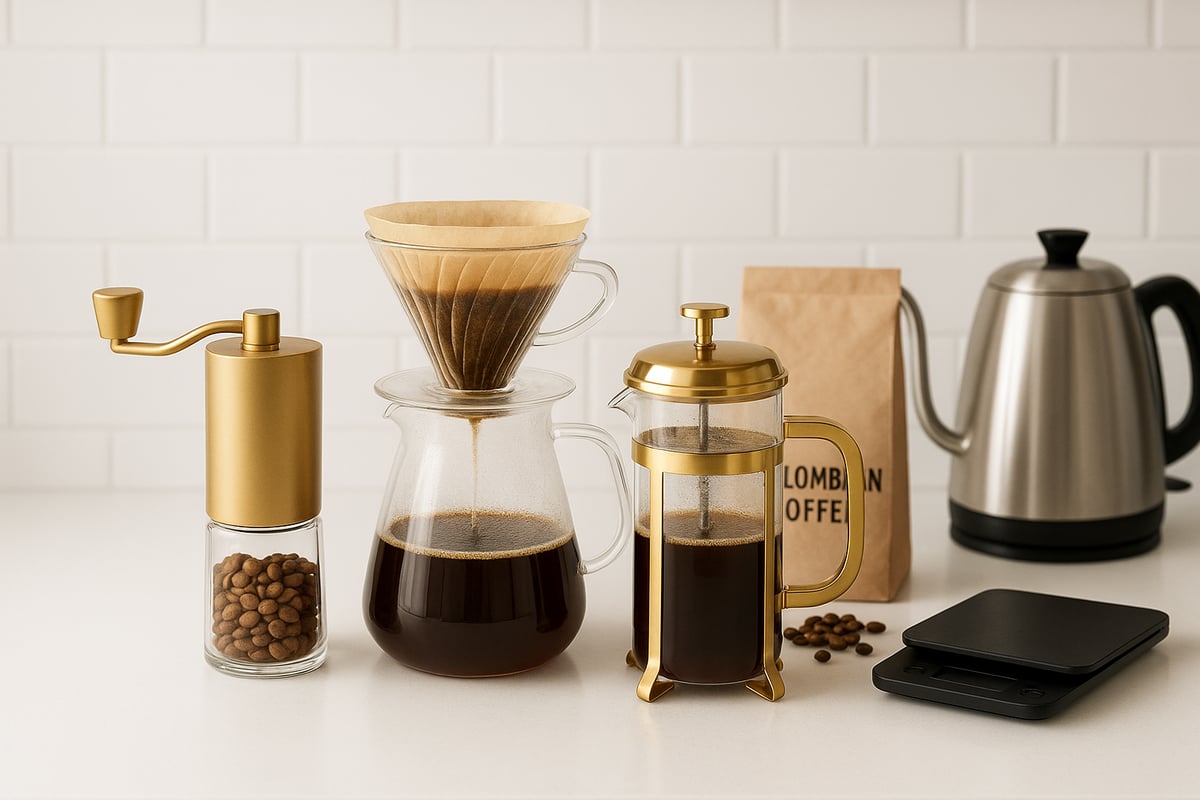
Getting the basics right is crucial for drawing out the best from any colombia bean. Start with freshly roasted, whole beans and invest in a burr grinder for even, consistent grounds. The grind size should match your brew method—coarse for French press, medium for pour-over, and fine for espresso.
Key equipment for brewing Colombia bean coffee:
- Grinder: Burr grinders deliver uniform particle size, which is vital for balanced extraction.
- Brewers: Pour-over drippers, French presses, espresso machines, and Aeropress all work well with Colombia bean profiles.
- Water: Use filtered water, free of impurities, heated to 195–205°F. Water quality can make or break your cup.
- Scale: Weigh your coffee and water for precise ratios. A standard starting point is 1:16 (coffee:water) for most methods.
- Storage: Keep beans in an airtight, opaque container away from heat and sunlight to preserve their complex flavors.
A simple preparation checklist:
- Measure out your colombia bean to match your chosen brew ratio.
- Grind just before brewing for maximum aroma.
- Pre-wet your filter (for pour-over) and preheat your brewer.
- Use the correct water temperature and pour method for your device.
These steps ensure your colombia bean retains its signature clarity, sweetness, and nuanced notes from farm to cup.
Step-by-Step Brewing Methods for Colombian Beans
Each brewing method brings out different facets of a colombia bean’s character. Here’s how to tailor your process for the most popular styles:
Pour-Over (V60, Chemex)
- Grind: Medium-fine
- Ratio: 1:16
- Technique: Pour in slow, circular motions. Allow the coffee to "bloom" for 30 seconds before continuing.
- Brew time: 3–4 minutes
French Press
- Grind: Coarse
- Ratio: 1:15
- Steep time: 4 minutes
- Press gently to avoid bitterness
Espresso
- Grind: Fine
- Dose: 18–20g for a double shot
- Extraction: 25–30 seconds
- Look for a rich crema and sweet body
Cold Brew
- Grind: Coarse
- Ratio: 1:8
- Steep: 12–18 hours in the fridge
- Strain and serve over ice
| Brew Method | Grind | Ratio | Time | Key Flavor |
|---|---|---|---|---|
| Pour-Over | Medium-fine | 1:16 | 3–4 min | Bright, clean |
| French Press | Coarse | 1:15 | 4 min | Full, rich |
| Espresso | Fine | 18–20g | 25–30 sec | Sweet, bold |
| Cold Brew | Coarse | 1:8 | 12–18 hr | Smooth, mellow |
Experiment with each method to discover how a colombia bean’s caramel, citrus, and chocolate notes shift with grind size and brew time. For a real-world taste of Colombian brewing inspiration, check out Cafe Jesús Martín in Salento, where traditional and modern techniques meet.
Troubleshooting and Refining Your Brew
Even with the best colombia bean, small tweaks can push your cup from good to unforgettable. Here are some common pitfalls and how to fix them:
Common mistakes:
- Using stale or pre-ground beans
- Incorrect grind size for your method
- Water that is too hot or too cold
- Over-extracting (bitter, dry taste)
- Under-extracting (sour, thin taste)
How to adjust for taste:
- If your brew is too bitter, try a coarser grind or shorter extraction.
- If it is too sour, use a finer grind or longer brew time.
- Play with your coffee-to-water ratio to dial in sweetness and strength.
Taste-test your colombia bean brew regularly. Use an SCA flavor wheel or jot down notes on acidity, sweetness, and body. Over time, you will identify the ideal settings for your palate.
Refining your process is part of the joy of brewing Colombia bean coffee. Each small adjustment brings you closer to the perfect cup, rich with the heritage and complexity that make Colombian beans a global standard.
Exploring Colombian Coffee Culture and Traditions
Colombia bean culture is woven into daily life, celebrations, and the spirit of community. Every cup tells a story, connecting generations and inviting you to experience more than just a drink. Let’s dive into how the colombia bean shapes Colombian traditions, tourism, and the future of its farming communities.
Coffee’s Role in Colombian Daily Life
The colombia bean is at the heart of daily routines across Colombia. In every city and rural village, people begin their mornings with a steaming cup of “tinto.” This small, strong black coffee is not just a beverage, but a cherished ritual that brings friends and family together.
You’ll find tinto served everywhere, from bustling markets to quiet mountain homes. It’s common for hosts to offer a cup to guests as a gesture of warmth and hospitality. Coffee also finds its way into Colombian cuisine, infusing desserts, sauces, and even savory dishes with unique depth.
Family gatherings often feature informal coffee ceremonies. Here, elders share stories about the origins of the colombia bean, passing on knowledge and pride to younger generations. This daily connection to coffee fosters a sense of belonging and heritage.
Celebrations, Festivals, and Coffee Tourism
Colombia’s love for the colombia bean comes alive during vibrant festivals and public celebrations. The National Coffee Festival transforms towns like Manizales into hubs of music, dance, and coffee competitions. These events showcase barista skills, traditional dances, and the crowning of the Coffee Queen, celebrating the country’s rich coffee heritage.
The Coffee Cultural Landscape, a UNESCO World Heritage site, invites travelers to explore lush plantations and learn about the colombia bean’s journey from farm to cup. Coffee tourism is booming, with more visitors seeking immersive experiences, from guided tastings to hands-on harvesting. According to Colombia's record coffee harvest in 2025, the country’s thriving harvests are fueling this growth, making it a top destination for coffee lovers.
Farm tours offer a behind-the-scenes look at traditional processing and the dedication required to produce high-quality beans. Whether sipping a fresh brew in the mountains or joining a local fiesta, every visitor gains a new appreciation for the colombia bean.
Supporting Colombian Farmers and Communities
Behind every colombia bean is a story of resilience and community. Direct trade and ethical sourcing empower farmers by giving them fair prices and access to global markets. Women are increasingly taking leadership roles, from managing farms to launching export businesses, bringing fresh perspectives to the industry.
Community-led cooperatives play a crucial role in improving lives and sustainability. These groups provide training, resources, and collective bargaining power, ensuring that profits are shared more equitably. As highlighted in Colombian coffee industry insights 2025, these initiatives are shaping the future of coffee in Colombia.
Supporting these efforts means choosing coffee that uplifts entire communities. Every purchase of a colombia bean, especially when sourced ethically, helps preserve traditions, protect the environment, and build a brighter future for Colombian families.
The Future of Colombian Beans: Trends and Innovations for 2025
The world of colombia bean is rapidly evolving as 2025 approaches. Coffee lovers are witnessing a revolution not only in how beans are grown and processed, but also in how they reach your cup. Let’s explore the future trends, sustainability efforts, and cutting-edge technology shaping the next era of Colombian coffee.
Specialty Coffee Movements and Micro-lots
The specialty coffee scene is more dynamic than ever, with the colombia bean at the center of innovation. Micro-lots are gaining popularity among aficionados who crave traceability and unique flavor profiles. These small, meticulously managed plots allow farmers to experiment with fermentation and processing.
New techniques like anaerobic fermentation and honey processing are unlocking flavors never before experienced in colombia bean. Huila and Nariño are leading the way with limited-edition releases that regularly top global cupping charts. Coffee competitions now highlight not just regions but specific farms and even individual lots.
This movement is fueling demand for transparency. More consumers want to know the story behind their colombia bean, from the altitude and soil to the hands that nurtured the crop. As a result, single-origin and micro-lot coffees fetch premium prices, helping farmers invest in quality and sustainability.
Sustainability and Climate Adaptation
Sustainability is no longer a buzzword, it’s a necessity for every colombia bean producer. Climate change has brought unpredictable weather, pests, and crop diseases, forcing farmers to adapt rapidly. Many are turning to shade-grown techniques and agroforestry to protect their crops and preserve biodiversity.
Genetic research is also making a difference. Varieties like Castillo are bred for resilience to disease and changing climates, ensuring the future supply of high-quality colombia bean. Organizations such as the Colombian Coffee Growers Federation are leading initiatives in farmer education and resource sharing.
According to the USDA Coffee Annual Report on Colombia, new farming practices and sustainability programs are crucial as Colombia navigates volatile production levels and regulatory changes. These efforts not only safeguard livelihoods but also maintain the distinct flavors that make colombia bean world-renowned.
Technology and Direct-to-Consumer Models
Technology is transforming how the colombia bean reaches your home. Online marketplaces and subscription services now offer fresh, specialty beans directly from farms to your doorstep. Blockchain is being adopted for traceability, allowing you to track your coffee from origin to cup with unprecedented transparency.
Apps are connecting consumers with farmers, providing real-time updates on harvests, weather conditions, and even flavor notes. This direct relationship builds trust and fosters a sense of community within the global coffee culture.
For 2025, experts predict a surge in direct-to-consumer models, with platforms leveraging data and logistics to deliver the freshest colombia bean possible. As reported in Colombian coffee production and climate impact, these innovations are helping the industry adapt to ongoing production challenges, ensuring that coffee lovers continue to enjoy Colombia’s finest beans for years to come.
After exploring the rich origins, unique flavors, and expert brewing tips for Colombian beans, you can see why the right coffee makes all the difference in your cup. With Piracii Coffee, you get more than just incredible taste — you’re supporting generations of dedicated farmers and savoring beans hand-picked in Colombia’s misty mountains. We keep it simple fresh and affordable with our 5 pound subscription so you can enjoy world class coffee at home without overpaying. Ready to experience the best Colombian coffee for yourself Get the Best Coffee at the Best Price Here


