


Did you know your morning cup of coffee can help transform lives and protect the planet? In 2026, choosing fair trade coffee colombia is more than a trend—it’s a movement that empowers farmers, uplifts communities, and safeguards our environment.
This guide is your roadmap to making ethical coffee choices with confidence. You’ll discover what fair trade coffee means, why Colombia’s coffee heritage is legendary, and how your purchase directly benefits people and nature.
Ready to make every sip count? Let’s dive in and explore how you can shape a better future with every cup.
Understanding Fair Trade Coffee: Principles & Impact
Every time you choose fair trade coffee colombia, you’re not just enjoying a delicious brew. You’re taking a stand for farmers, communities, and the planet. This section unpacks what makes fair trade coffee colombia unique and why your daily cup has real power to drive change.
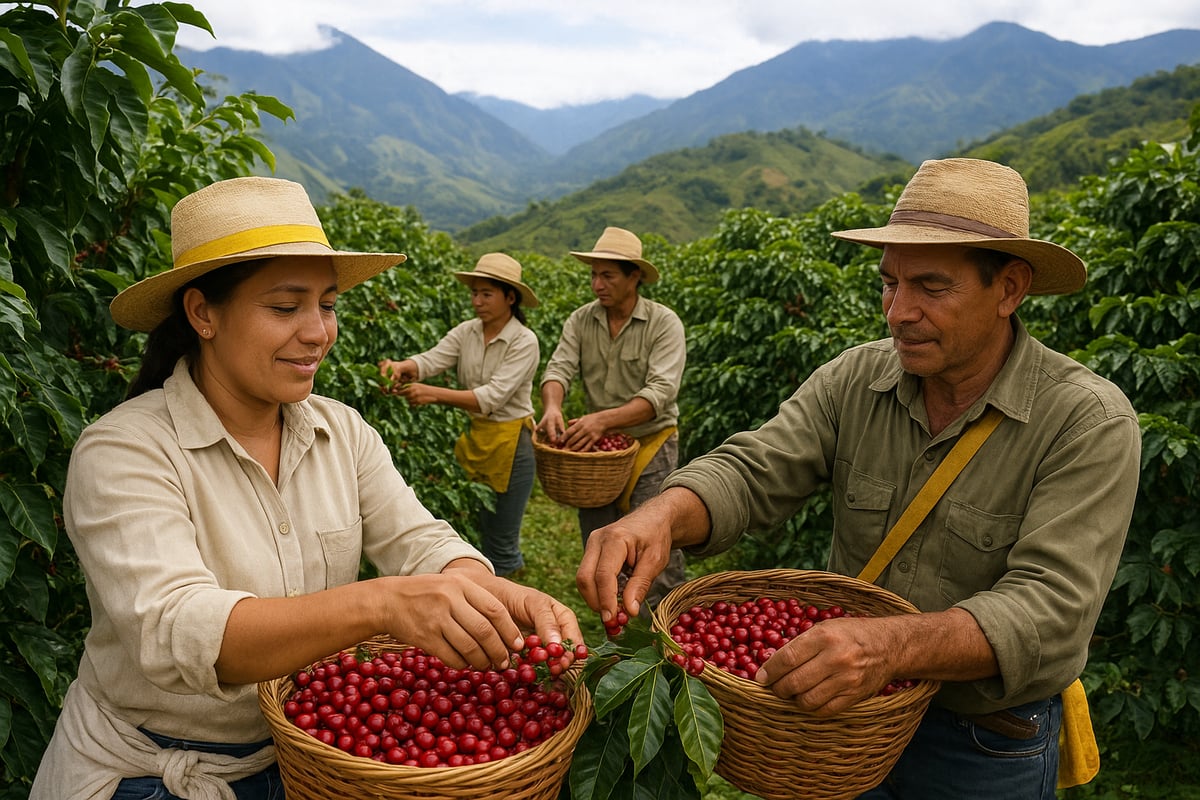
What is Fair Trade Coffee?
Fair trade coffee colombia is defined by a set of core principles that put people and the environment first. At its heart, fair trade ensures farmers receive fair prices for their beans, work in safe conditions, and use farming methods that protect the earth.
Core Principles of Fair Trade:
- Guaranteed minimum price above market level
- Ethical labor standards and no child labor
- Environmental sustainability through organic and responsible practices
Leading certification bodies, such as Fairtrade International and USDA Organic, audit farms and cooperatives to verify these standards. Fair trade coffee colombia is different from conventional coffee, which often relies on low prices, exploitative labor, and unsustainable farming.
| Aspect | Fair Trade Coffee Colombia | Conventional Coffee |
|---|---|---|
| Farmer Compensation | Guaranteed minimum, premium funds | Volatile, often low |
| Labor Standards | Ethical, no exploitation | Varies, less oversight |
| Environmental Practices | Organic, sustainable, biodiversity | May use chemicals |
| Community Investment | Yes, via premium funds | Rare |
The fair trade coffee market has grown rapidly. Globally, millions of bags of fair trade coffee are sold each year, with Colombia being a top contributor. In fact, Colombia ranks among the largest producers of certified fair trade coffee, reflecting rising demand from conscious consumers.
Fairtrade International’s standards go beyond pricing, setting strict rules for environmental protection and worker rights. For example, many Colombian cooperatives now invest premiums in healthcare and education.
By supporting fair trade coffee colombia, you help dismantle cycles of exploitation and poverty in rural areas. Smallholder farmers gain a stronger voice in negotiations, more stable income, and resources to improve their communities. If you’re curious about how organic practices intersect with fair trade, check out this Colombian Organic Coffee Guide.
How Fair Trade Coffee Makes a Difference
Fair trade coffee colombia delivers impact on three fronts: economic, social, and environmental.
Economic Impact: Farmers receive a guaranteed minimum price, shielding them from market crashes. Premium funds from fair trade sales are reinvested in community projects like schools, clean water, and healthcare. In Colombia, some cooperatives use these premiums to build clinics and provide scholarships.
Social Impact: Fair trade coffee colombia promotes better working conditions, gender equality, and education. Women and marginalized groups are empowered to take leadership roles within cooperatives. Initiatives often support adult literacy and youth programs, creating lasting change.
Environmental Impact: Fair trade standards require sustainable farming, soil conservation, and organic practices. Colombian farms certified as fair trade commonly adopt agroforestry, planting shade trees to protect biodiversity and prevent deforestation. This shift reduces reliance on synthetic fertilizers and pesticides, benefiting both the land and consumer health.
According to recent data, a significant percentage of Colombian coffee farms now hold fair trade certification, reflecting the country’s commitment to ethical production. However, challenges remain. Some critics argue that certification fees are high and not all small farmers can access these programs. Others point out that market demand for fair trade coffee colombia must keep growing to ensure long-term benefits.
Still, the evidence is clear: choosing fair trade coffee colombia is a simple yet powerful way to support a more just and sustainable coffee industry.
Colombia’s Coffee Heritage and the Rise of Fair Trade
Colombia’s coffee story is one of pride, tradition, and transformation. Generations of farmers have shaped the country’s global reputation for rich, aromatic beans. Today, the movement toward fair trade coffee colombia is redefining this legacy, blending time-honored practices with a vision for ethical, sustainable change.
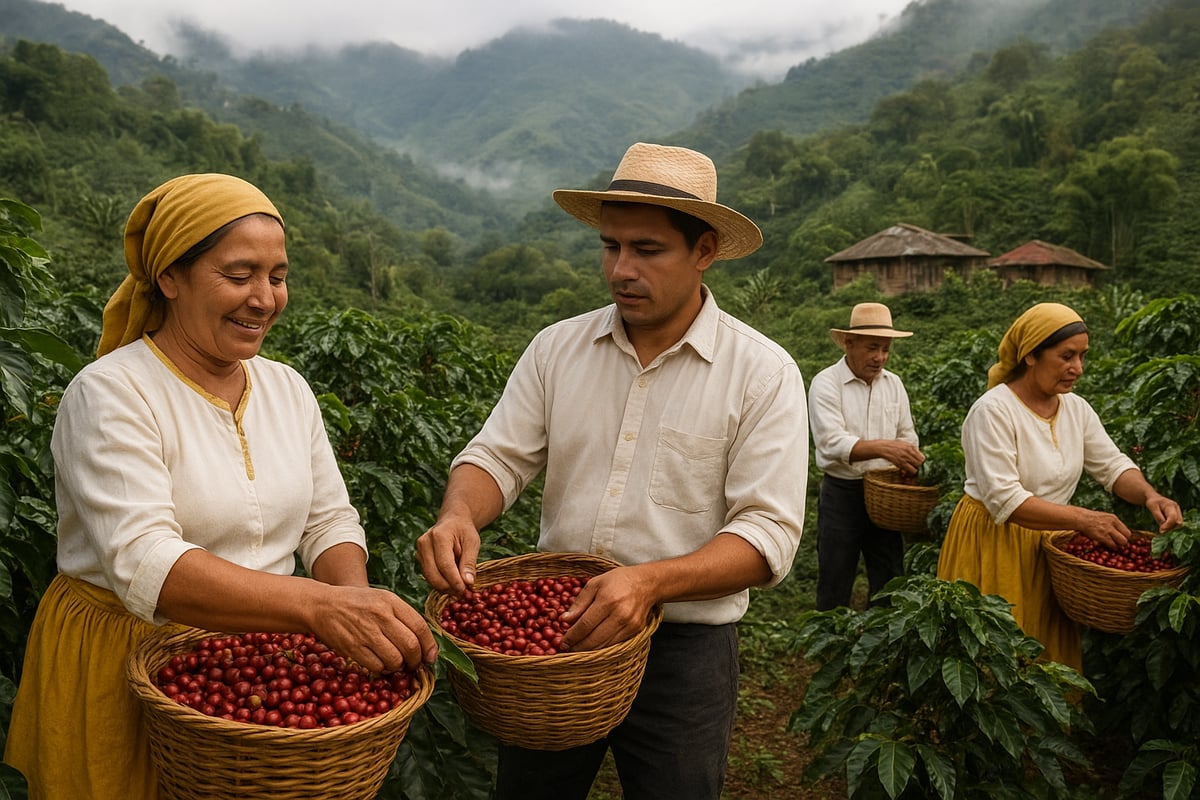
Colombia’s Unique Coffee Growing Regions
Colombia’s famed coffee triangle, made up of Antioquia, Caldas, and Quindío, is the heart of its coffee culture. These regions offer unique advantages: high mountain altitudes, rich volcanic soil, and a patchwork of microclimates that create the perfect environment for exceptional beans.
Farmers here use traditional methods passed down through generations. Hand-picking only the ripest cherries, they preserve the integrity of each harvest. This dedication results in coffees with distinct flavor profiles, from bright citrus notes to deep chocolate undertones.
Colombia consistently ranks among the top three coffee producers worldwide. Regional differences play a key role in shaping the taste and quality of fair trade coffee colombia. For an in-depth look at these regions and what makes each unique, explore Colombia's Coffee Growing Regions.
Here’s a quick comparison of Colombia’s main coffee regions:
| Region | Altitude Range (m) | Flavor Notes | Notable Feature |
|---|---|---|---|
| Antioquia | 1,300-2,200 | Nutty, chocolate | Largest producer |
| Caldas | 1,200-1,800 | Fruity, sweet | Volcanic soil richness |
| Quindío | 1,300-1,900 | Floral, balanced | Smallest, most diverse |
The careful cultivation in these regions ensures that every cup of fair trade coffee colombia offers not just great taste, but a story of heritage and care.
The Evolution of Fair Trade in Colombia
The journey toward fair trade coffee colombia began in the late 1990s, as Colombian farmers sought new ways to protect their livelihoods from volatile global markets. The introduction of Fair Trade certification provided a framework for ethical sourcing, guaranteeing minimum prices and community investment.
Over the years, farmer cooperatives and Fair Trade organizations have multiplied. This growth has been fueled by rising demand for ethical products, especially from consumers in North America and Europe. Today, a significant share of Colombian coffee exports are Fair Trade certified, offering farmers a more stable income and greater bargaining power.
Fair Trade has transformed lives across rural Colombia. Premiums from fair trade coffee colombia are often reinvested into education, healthcare, and infrastructure, uplifting entire communities. Women and marginalized groups have gained new opportunities and leadership roles within cooperatives, further strengthening the social fabric.
While challenges remain, including certification costs and climate pressures, the impact is clear. Fair trade coffee colombia empowers farmers, preserves tradition, and inspires consumers to make a difference with every purchase.
The Benefits of Choosing Fair Trade Colombian Coffee
Enjoying a cup of fair trade coffee colombia is more than a daily ritual. Every sip creates a ripple effect, supporting farmers, nurturing communities, protecting the environment, and delivering a more ethical brew to your table. Let us explore why making this choice in 2026 is both powerful and practical.
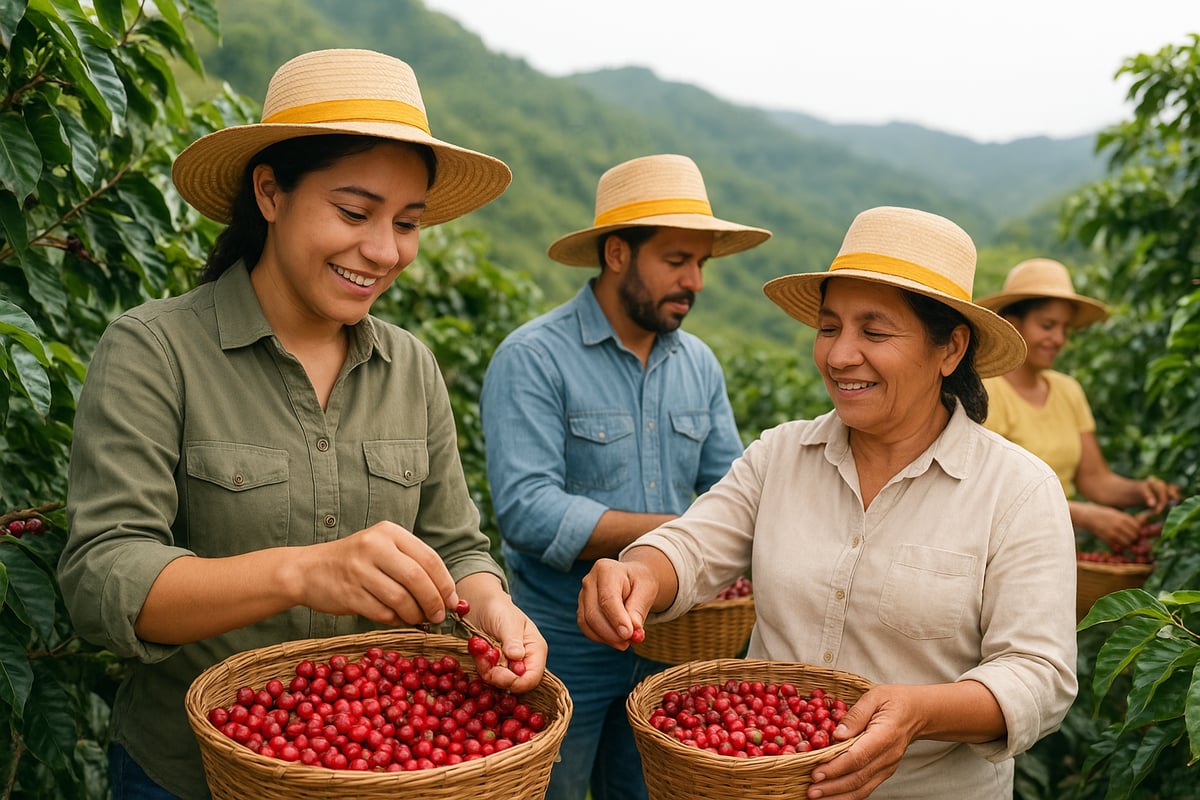
For Farmers & Communities
Choosing fair trade coffee colombia means farmers receive a stable, fair price for their harvest, regardless of market swings. This guaranteed income shields families from financial uncertainty and allows them to plan for the future.
Communities benefit directly from fair trade premiums. These extra funds are invested in vital projects like clean water, education, and healthcare clinics. For example, many Colombian cooperatives have used fair trade premiums to build schools and provide scholarships, opening doors for the next generation.
Empowering women and marginalized groups is another cornerstone. Fair trade certification often requires gender equity and democratic decision-making. When women participate fully, entire communities thrive. Farmers gain access to training, resources, and a stronger voice in the global coffee market.
Fair trade coffee colombia also supports smallholder farmers who might otherwise be left behind. By joining cooperatives, they can pool resources, share knowledge, and negotiate better terms. This collaborative spirit builds resilience and boosts local economies.
For the Environment
Fair trade coffee colombia goes hand in hand with environmental stewardship. Certified farms must follow strict guidelines for sustainability, often including organic practices and responsible land use.
Biodiversity is protected through shade-grown methods, which preserve natural habitats for birds and wildlife. Agroforestry systems, common in Colombia, combine coffee plants with native trees, reducing soil erosion and improving water retention.
Farmers are encouraged to minimize or eliminate synthetic fertilizers and pesticides. This not only protects the land but also ensures safer working conditions and healthier crops. Many fair trade coffee colombia producers are now adopting regenerative agriculture, which restores soil health and captures carbon, fighting climate change.
By choosing fair trade coffee colombia, you help prevent deforestation and promote the use of renewable resources. These sustainable practices ensure that Colombia’s coffee legacy endures for generations to come.
For Consumers
When you select fair trade coffee colombia, you are assured of ethical sourcing and premium quality. Certifications guarantee that your beans were grown, harvested, and shipped with respect for people and planet.
Traceability is a key benefit. You can often trace your coffee back to the very farm where it was grown, connecting you directly to the hardworking families behind every cup. This transparency builds trust and allows you to make informed choices.
Fair trade coffee colombia is typically organic, non-GMO, and free from harmful chemicals. This means a healthier brew for you and your loved ones. Plus, the distinct flavor profiles—rich, smooth, and vibrant—reflect Colombia’s unique terroir.
Ethical consumption matters more than ever in 2026. By buying fair trade coffee colombia, you use your purchasing power for good. If you want to explore top ethical options, check out this guide to the best Colombian coffee to buy for trusted brands and tips.
How to Identify Authentic Fair Trade Colombian Coffee
Choosing fair trade coffee colombia is a powerful way to support ethical sourcing, but with so many labels and claims, it can be tough to know what’s real. Learning how to spot authentic certifications and make smart buying decisions ensures your purchase genuinely benefits Colombian farmers and their communities.
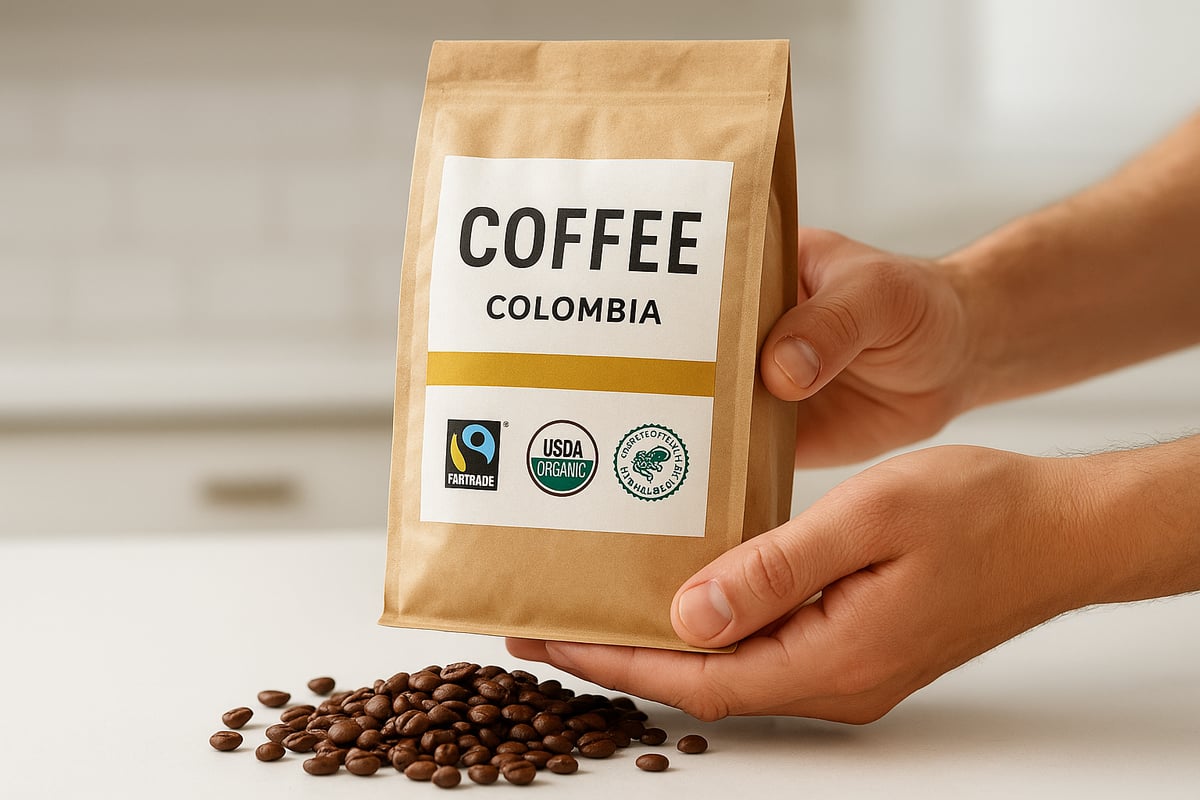
Recognizing Certifications and Labels
When shopping for fair trade coffee colombia, always check for trusted certification marks. The most recognized are Fairtrade International, USDA Organic, and Rainforest Alliance. Each logo guarantees different aspects of ethical sourcing, from fair wages to sustainable farming.
What do these certifications mean for you and for farmers?
- Fairtrade International: Ensures minimum prices for farmers, safe working conditions, and community investment.
- USDA Organic: Guarantees that beans are grown without synthetic chemicals or GMOs.
- Rainforest Alliance: Focuses on environmental protection and biodiversity.
These labels are not just marketing. They are backed by strict standards and regular audits. For instance, Fairtrade International requires Colombian cooperatives to meet rigorous social and environmental benchmarks, improving living conditions and safeguarding nature.
Be cautious of vague terms like “ethically sourced” or “responsibly grown” without third-party verification. Genuine fair trade coffee colombia will always feature a visible certification seal, usually on the front or side of the package.
A great example is Trader Joe’s Colombian Coffee Cups, which display both the Fairtrade and USDA Organic marks. For up-to-date data on certified coffee exports, you can consult Colombia's Coffee Annual Report 2025, which highlights the growing share of certified beans in the market.
Tips for Ethical Coffee Shopping in 2026
Buying authentic fair trade coffee colombia doesn’t have to be complicated. Start by visiting specialty stores, trusted online retailers, or buying directly from roasters who are transparent about their sourcing.
Here are practical tips to guide your purchase:
- Check for Certifications: Only buy products with clear, verifiable labels such as Fairtrade, USDA Organic, or Rainforest Alliance.
- Ask Questions: Inquire about where the beans are grown, the relationship with farmers, and the brand’s environmental commitments.
- Read the Packaging: Look for detailed origin information, cooperative names, and certification numbers to confirm authenticity.
Consumer trends show a surge in demand for ethical products, making it easier than ever to find fair trade coffee colombia that aligns with your values. Many brands now highlight traceability features, like QR codes, so you can follow your coffee’s journey from farm to cup.
Remember, your choices matter. By choosing certified fair trade coffee colombia, you’re not just enjoying quality beans—you’re supporting a movement that uplifts farmers, protects the environment, and sets a new standard for ethical consumption.
Top Fair Trade Colombian Coffee Brands & Products for 2026
Looking to make your coffee ritual truly meaningful? Choosing the right fair trade coffee colombia brand is the fastest way to ensure your daily brew benefits farmers, communities, and the planet. In 2026, the market is more transparent than ever, but it pays to know which brands walk the talk.
Criteria for Selection
Not all fair trade coffee colombia brands are created equal. When evaluating options, focus on these key factors:
- Certifications: Look for brands carrying recognized Fair Trade, USDA Organic, or Rainforest Alliance seals.
- Sourcing: Prioritize those with direct partnerships with Colombian farmers and cooperatives.
- Transparency: Brands should clearly share their sourcing, traceability, and impact stories.
- Community Impact: Top choices invest in education, healthcare, and infrastructure in coffee-growing regions.
- Sustainability: Ethical brands go beyond Fair Trade by implementing eco-friendly farming and packaging.
By using these criteria, you can be sure your fair trade coffee colombia purchase delivers real benefits at every stage of the supply chain.
Featured Brands & Products
In 2026, several brands stand out for their commitment to fair trade coffee colombia. Let’s break down the top picks and what sets them apart.
- Trader Joe’s Fair Trade Organic Colombian Coffee: Loved for its smooth, balanced flavor, this brand boasts both Fair Trade and USDA Organic certifications. Customers rave about its rich aroma and the company’s transparency.
- Tierra Farm Organic Colombian Coffee: This medium roast is certified organic and Fair Trade, with glowing testimonials about its freshness and ethical sourcing.
- Other Notables: Brands like Equal Exchange and Allegro Coffee also source directly from Colombian cooperatives, ensuring traceability and fair pricing.
For a quick comparison, see the table below:
| Brand | Certifications | Price (USD/lb) | Roast Profiles | Sustainability Commitments |
|---|---|---|---|---|
| Trader Joe’s | Fair Trade, Organic | $9.99 | Medium, Dark | Community investment, eco-pack |
| Tierra Farm | Fair Trade, Organic | $14.99 | Medium | Agroforestry, direct trade |
| Equal Exchange | Fair Trade, Organic | $13.99 | Medium, Dark | Farmer co-ops, climate action |
| Allegro Coffee | Fair Trade, Organic | $12.99 | Light, Medium | Regenerative ag, traceability |
What makes these brands truly special is their dedication to Colombian growers. For instance, some use Fair Trade premiums to fund local schools and clinics. For a deeper dive into how specialty and ethical coffee are transforming Colombia’s coffee culture, check out Specialty Coffee in Colombia.
The Soul of Piracii Coffee: A True Farm-Direct Fair Trade Experience
Piracii Coffee is redefining what fair trade coffee colombia means for both consumers and farmers. Born in Colombia’s mist-kissed mountains, Piracii’s story is rooted in generations of expertise and a fierce commitment to ethical, farm-direct sourcing.
What sets Piracii apart in the fair trade coffee colombia landscape? Every bean is hand-picked at peak ripeness, processed using organic, chemical-free methods, and roasted for a profile that’s smooth, balanced, and never bitter. Specialty infusions, like Caribbean rum barrel aging, elevate the experience for adventurous coffee lovers.
Piracii’s direct relationships with Colombian farmers guarantee more profits stay in local communities. Premiums support education, healthcare, and the preservation of Colombia’s coffee heritage. The brand’s identity is built on adventure, authenticity, and a deep respect for both people and land.
Looking for value? Piracii offers subscription savings and premium quality at competitive prices. By choosing Piracii, you’re not just enjoying exceptional fair trade coffee colombia—you’re investing in a brighter, more sustainable future for Colombia’s coffee families.
Brewing and Enjoying Fair Trade Colombian Coffee at Home
Brewing a cup of fair trade coffee colombia at home is more than a morning ritual—it’s a daily chance to support ethical farming, savor exceptional flavor, and make a difference with every sip. By focusing on quality beans and mindful practices, you can elevate your coffee experience while staying true to your values.
Best Practices for Brewing
To unlock the vibrant flavors of fair trade coffee colombia, start with freshly roasted beans. Choose your roast to match your taste—medium roasts offer bright, fruity notes, while dark roasts deliver rich, chocolatey depth. Select a grind size that fits your brewing method: coarse for French press, medium for drip, fine for espresso.
Water quality matters. Use filtered water heated between 90°C and 96°C for the best extraction. For ideal strength, follow a 1:16 coffee-to-water ratio (for example, 20 grams of coffee to 320 ml water). Store your beans in an airtight container away from light and heat to keep them fresh.
Here’s a simple brewing guide:
| Method | Grind | Coffee:Water | Brew Time | Roast Tip |
|---|---|---|---|---|
| French Press | Coarse | 1:15 | 4 min | Medium/Dark |
| Drip Machine | Medium | 1:16 | 5 min | Medium |
| Espresso | Fine | 1:2 | 25 sec | Dark |
With Colombian coffee production reaching a decade high in 2024-2025, there’s never been a better time to try fresh, ethically sourced beans at home. For more on this surge in quality and availability, see Colombia's Coffee Production Hits Decade High in 2024-2025.
Enhancing Your Ethical Coffee Ritual
Take your fair trade coffee colombia experience beyond brewing by pairing it with foods that highlight its flavors. Try sweet pastries with medium roasts or dark chocolate with bolder profiles. Create a mindful morning routine—pause and appreciate the journey your coffee has taken from Colombian farms to your cup.
Share the story of fair trade coffee colombia with friends and family. By doing so, you inspire others to choose ethically sourced coffee and support positive change for Colombian farmers. According to recent consumer surveys, satisfaction and repeat purchases of fair trade coffee colombia are on the rise, reflecting growing trust in ethical brands and a desire for quality with purpose.
Every cup you brew has the power to uplift communities and protect the environment. Make your morning ritual count—choose fair trade coffee colombia and taste the impact.
The Future of Fair Trade Coffee in Colombia: Trends & Challenges for 2026
The landscape of fair trade coffee colombia is rapidly evolving as we approach 2026. Consumers are demanding more transparency and ethical sourcing, while farmers face both new opportunities and daunting challenges. Understanding these shifts is crucial if you want your coffee choices to make a tangible impact.
Market and Consumer Trends
Ethical consumption is more than a trend, it is a movement. The global appetite for fair trade coffee colombia is growing, fueled by consumers who want to know the story behind their cup. In 2024, Colombian coffee production saw a notable surge, showing both the resilience and potential of the industry.
Innovations like blockchain and QR code tracking are making it easier than ever to trace your beans from farm to cup. Shoppers are seeking out organic, specialty, and direct-trade coffees, holding brands accountable for their sourcing practices. This shift is pushing more roasters and retailers to prioritize fair trade coffee colombia, ensuring that your daily ritual supports genuine change.
Ongoing Challenges for Colombian Coffee Farmers
Despite rising demand, farmers in the fair trade coffee colombia sector face serious headwinds. Climate change is disrupting harvests, with unpredictable weather affecting both yield and bean quality. Regulatory volatility and price fluctuations add another layer of uncertainty.
Certification costs remain a hurdle for many smallholders, sometimes limiting access to the fair trade market. According to the Colombia Coffee Report: Production Decline Predicted Amid Weather and Regulatory Volatility, these factors could threaten future supply and farmer livelihoods. Yet, many cooperatives are responding by adopting climate-smart practices and advocating for better policies to safeguard the future of fair trade coffee colombia.
Opportunities for Ethical Coffee Lovers
Your choices as a consumer have never been more powerful. By supporting farmer-led initiatives and micro-lot coffees within the fair trade coffee colombia movement, you help drive positive change. Subscription models and direct-to-consumer platforms make it easy to access ethically sourced beans while providing farmers with more stable income.
Here are ways you can make an impact:
- Choose brands that transparently share their sourcing and certifications.
- Opt into coffee subscriptions supporting fair trade coffee colombia farmers.
- Advocate for more fair trade offerings at your favorite retailers.
With every purchase, you are investing in education, healthcare, and environmental sustainability for Colombian communities.
Vision for 2026 and Beyond
Looking ahead, the future of fair trade coffee colombia depends on a collective commitment from consumers, brands, and farmers. By seeking out certified products and sharing the importance of ethical sourcing, you help shape a more equitable coffee industry.
Imagine a world where every cup truly counts, fueling not just your morning, but also the dreams of Colombian farming families. As fair trade coffee colombia continues to grow, your support ensures this movement delivers lasting change for people and the planet. Make your next cup a catalyst for hope and progress.
You’ve seen how every ethical choice in your coffee routine can spark real change for Colombian farmers, their families, and the planet. If you’re ready to taste the difference and support communities who pour their heart into every bean, why not start with a cup that tells a story? Piracii Coffee isn’t just about incredible flavor—it’s about honoring tradition, embracing adventure, and giving back. Plus, with their farm-direct model and unbeatable subscription savings, you get premium, hand-picked coffee that’s better for everyone—your wallet included. Ready to make your mornings matter?
Get the Best Coffee at the Best Price Here


