


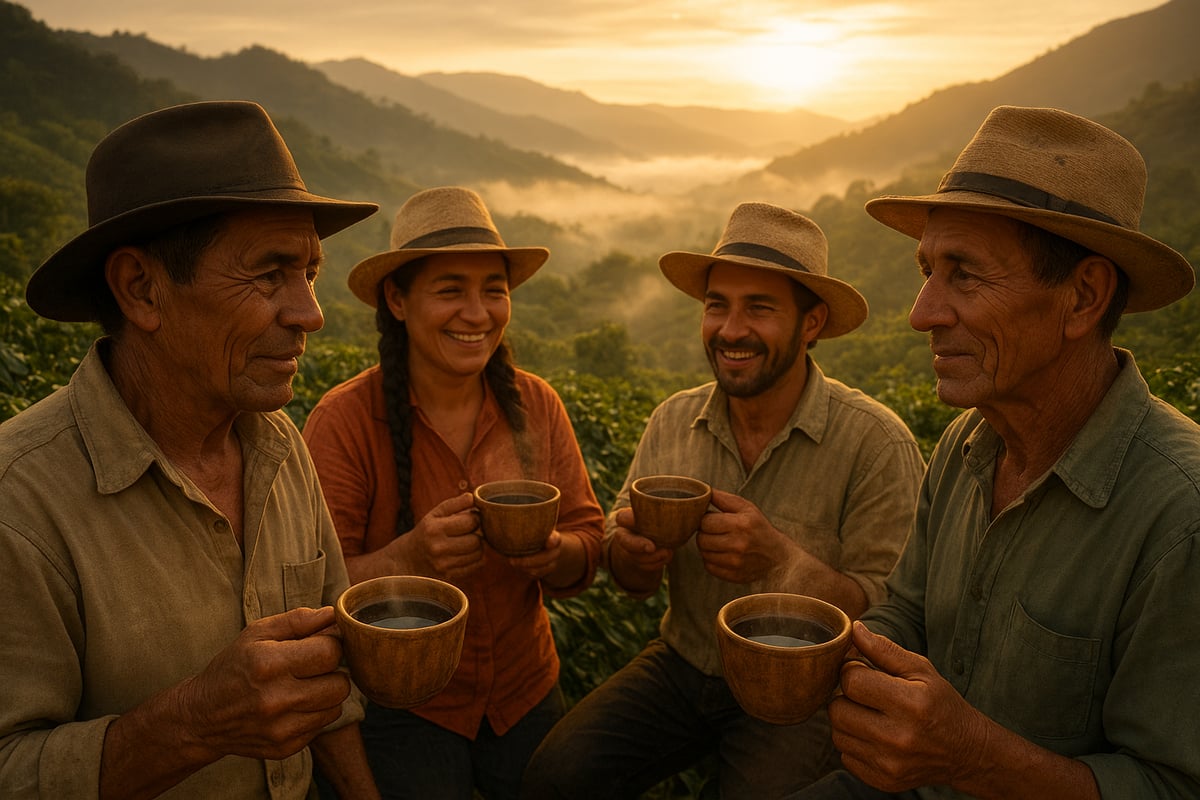
Picture yourself in the misty mountains of Colombia at sunrise, where locals gather to share stories over steaming cups of coffee. There’s a reason the world is so captivated by Colombian coffee—it promises a taste of authenticity and tradition that’s hard to find elsewhere.
At the heart of this fascination is cafe tinto colombia, a simple yet iconic drink deeply woven into daily life. This beloved brew stands out for its rich flavor, humble ingredients, and the rituals that surround it.
In this guide, you’ll unlock the secrets of traditional preparation, explore regional differences, and learn how to truly savor each cup. Ready for a sensory journey? Let’s discover how to experience café tinto in its purest form, with insights on history, brewing, and where to find the very best across Colombia.
The Origins and Cultural Significance of Café Tinto
Step into the heart of Colombia, where the story of cafe tinto colombia is woven into daily life, tradition, and hospitality. This beloved brew is more than a drink—it’s a symbol of community, resilience, and national identity.
Historical Roots of Colombian Coffee
Coffee first arrived in Colombia during the 18th century, carried by Jesuit priests and settlers. The fertile volcanic soil and high altitudes of the Andes provided the perfect environment for coffee plants to thrive. Over generations, coffee cultivation became the backbone of rural communities, shaping local economies, family traditions, and social structures.
By the early 20th century, rural farmers were already brewing cafe tinto colombia over wood fires, using simple pots and sharing the beverage as they started their day. The drink quickly became accessible to all social classes, valued for its affordability and satisfying flavor.
Colombia’s geography—mountains, valleys, and microclimates—ensured a diverse range of beans and taste profiles. This diversity helped establish a unique coffee culture, recognized globally for its richness and authenticity. For a deeper exploration of these traditions and their impact, visit Colombian Coffee Culture and History.
Café Tinto in Colombian Daily Life
Cafe tinto colombia is a daily ritual in homes, markets, and bus stations across the country. Each morning, families and workers gather for the first cup, often accompanied by bread or pastries. Sharing tinto acts as a gesture of friendship and hospitality, whether welcoming a guest or striking up conversation with a neighbor.
This unpretentious beverage is served in small cups, perfect for a quick pick-me-up or a moment of connection. Colombia now ranks as the world’s third-largest coffee producer, a testament to the enduring importance of coffee and cafe tinto colombia in its culture.
At local markets, vendors pour tinto from thermoses, filling the air with its unmistakable aroma. In bustling bus stations, a cup of tinto offers comfort to travelers and commuters alike.
Evolution Through the Decades
Over time, the preparation of cafe tinto colombia has evolved. Traditionally, coffee was brewed in an olleta—a small metal pot—directly over an open flame. As cities grew and technology advanced, new brewing methods emerged, yet many Colombians still cherish the simplicity of old-school techniques.
Urban coffee shops may use modern equipment, but rural regions often stick to time-honored practices, preserving the authentic taste and ritual. The influence of globalization and specialty coffee trends has introduced new flavors and presentations, yet the soul of cafe tinto colombia remains unchanged.
Despite these shifts, the communal act of brewing and sharing tinto continues to unite Colombians, connecting generations through a shared love of coffee.
Café Tinto vs. Other Colombian Drinks
In Colombia, cafe tinto colombia stands apart from other beloved beverages. While aguapanela (sugarcane water), hot chocolate, and canelazo (spiced aguardiente) are cherished for their own reasons, tinto is the everyday choice for millions.
| Beverage | Main Ingredient | Typical Occasion |
|---|---|---|
| Café tinto | Coffee, panela | Daily, all-day |
| Aguapanela | Sugarcane, water | Refreshment, breakfast |
| Hot Chocolate | Cocoa, milk | Breakfast, special days |
| Canelazo | Aguardiente, spices | Festive evenings |
Cafe tinto colombia is unique for its simplicity, universal appeal, and deep connection to Colombian identity. It is the drink that brings people together, from city streets to mountain villages.
What Makes Café Tinto Unique? Flavor, Ingredients, and Experience
Transport yourself into the heart of Colombia, where the morning air fills with the comforting aroma of coffee. The secret to the unforgettable taste of cafe tinto colombia lies in its ingredients, its preparation, and the experience shared around every cup.

Key Ingredients and Their Impact
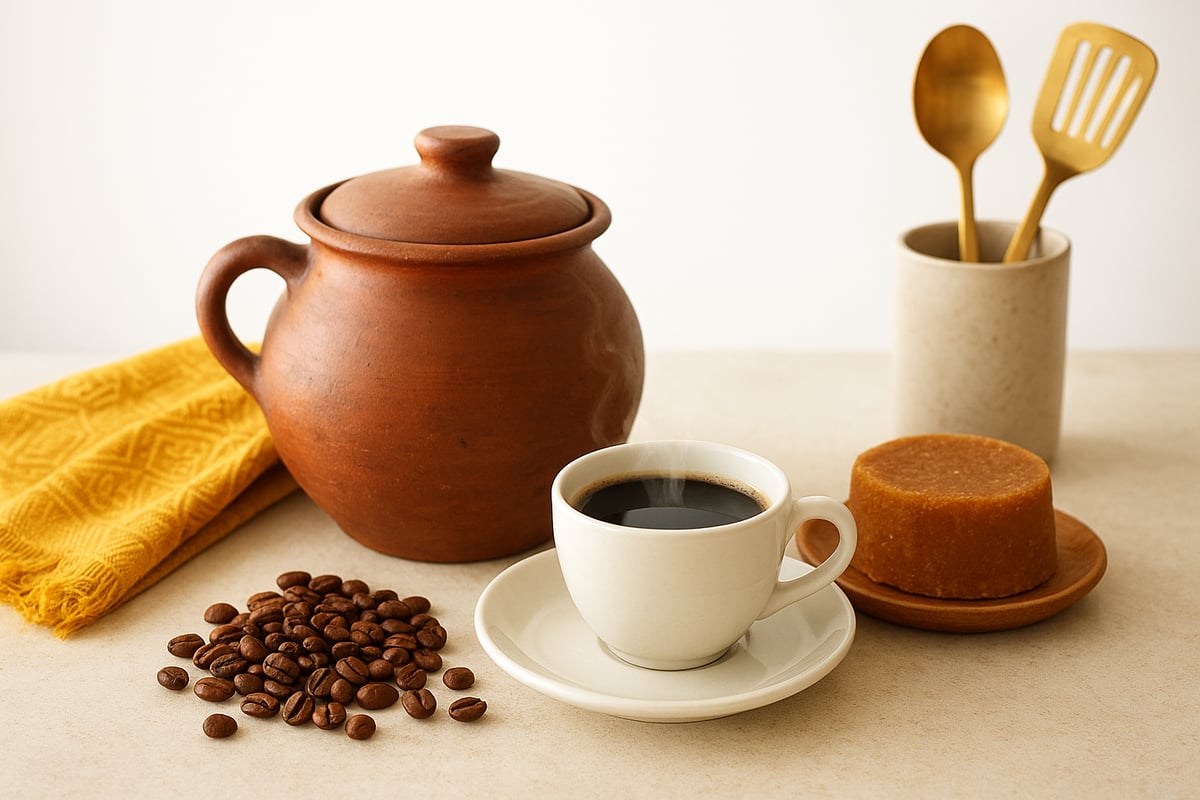
At its core, cafe tinto colombia uses just three essential ingredients: freshly ground Colombian coffee, panela (unrefined cane sugar), and pure water. Colombian coffee beans are prized globally for their smooth, rich profile. Panela, a golden-brown block of cane sugar, is more than just a sweetener. It infuses the brew with subtle molasses and earthy undertones, setting tinto apart from regular black coffee.
Some regions add cinnamon or clove for a festive twist, but the foundation remains simple and pure. In taste tests, tinto with panela is consistently preferred for its balanced sweetness and depth. When sourcing ingredients for cafe tinto colombia, choosing the right beans is crucial. For guidance, explore this resource on how to choose Colombian coffee beans to ensure an authentic brew at home.
Flavor Profile of Authentic Café Tinto
The flavor of cafe tinto colombia is instantly recognizable. Expect a robust yet gentle cup, slightly sweet from panela, with no trace of bitterness. Each region in Colombia brings subtle differences to the brew. Coffee grown at higher altitudes often features brighter acidity and fruity notes, while beans from lower regions offer a richer, chocolatey body.
Thanks to Colombia’s volcanic soil and careful hand-picking, the coffee used in tinto consistently ranks high in international cupping scores. This attention to quality ensures that every sip of cafe tinto colombia delivers a smooth, lingering finish that keeps locals and travelers coming back for more.
Brewing Simplicity and Ritual
Brewing cafe tinto colombia is refreshingly straightforward. No fancy gadgets are required, just a pot or traditional olleta. The process involves boiling water, adding coffee grounds and panela, then allowing the mixture to simmer and settle. This slow approach is not just about flavor, it is a ritual that brings people together.
Communities often gather to brew and share tinto as a meditative, almost ceremonial act. The simplicity encourages focus on quality and connection, making cafe tinto colombia an experience as much as a beverage.
Experience and Atmosphere
Enjoying cafe tinto colombia is more than just drinking coffee, it is about embracing a moment of pause. Whether sipped at sunrise in a mountain village or shared in a bustling city market, tinto is a symbol of hospitality and friendship. Locals may offer a small cup to welcome you, turning a simple drink into a memorable cultural exchange.
Compared to espresso or filter coffee, tinto is lighter but still full of character. See the table below for a quick comparison:
| Drink | Strength | Sweetness | Serving Size | Preparation |
|---|---|---|---|---|
| Café Tinto | Medium | Mild | Small cup | Boiled, with panela |
| Espresso | Strong | None | Shot glass | Pressure-extracted |
| Filter | Light | None | Large mug | Drip or pour-over |
Savoring cafe tinto colombia means joining a tradition that celebrates both flavor and togetherness.
Step-by-Step: How to Brew Authentic Colombian Café Tinto at Home
Brewing authentic cafe tinto colombia in your own kitchen is more than just making coffee—it's about channeling tradition and savoring every step. Whether you're a seasoned coffee lover or new to Colombian brews, this guide will walk you through the essentials for crafting a cup that truly captures the spirit of the Andes.
Selecting the Right Coffee and Ingredients
The foundation of perfect cafe tinto colombia starts with your coffee beans. Always opt for fresh, high-quality Colombian beans. Look for beans labeled as single-origin or from renowned regions like Huila or Antioquia. The grind should be medium-coarse, resembling sea salt, to ensure optimal extraction.
For sweetening, panela is essential. This unrefined cane sugar adds a molasses-like depth and subtle earthiness. You can find panela in Latin grocery stores or online. If unavailable, use raw turbinado sugar, but keep in mind, it won’t deliver the same authentic profile.
You’ll need:
- 2 tablespoons Colombian coffee grounds (medium-coarse)
- 1–2 tablespoons panela (to taste)
- 2 cups filtered water
- Optional: cinnamon stick or clove for regional flair
If you want a deeper dive into the journey from coffee farm to cup, the Smithsonian's Coffee: From Seed to a Good Cup of Coffee offers fascinating insights into traditional Colombian practices.
Equipment Needed
Traditionalists swear by the olleta—a small, wide-mouthed aluminum or enamel pot designed for stovetop brewing. This vessel helps develop the classic flavor of cafe tinto colombia. If you don’t have an olleta, a regular saucepan works well, and a French press can be used for a cleaner finish.
Essential tools:
- Olleta or saucepan
- Fine-mesh strainer (optional, for those who dislike grounds)
- Wooden spoon for stirring
- Small cups for serving
Why use traditional equipment? Olletas distribute heat evenly, allowing coffee and panela to meld and develop a smooth, rich flavor. The ritual of brewing in an olleta connects you with Colombian heritage, turning a simple cup into an experience.
Chronological Brewing Steps
Brewing cafe tinto colombia is straightforward and rewarding. Follow these steps for a truly authentic cup:
1. Measure out water and bring it to a gentle boil in your olleta or saucepan.
2. Add coffee grounds directly into the boiling water.
3. Stir in panela (and optional spices) until fully dissolved.
4. Lower heat and simmer gently for 2–3 minutes.
5. Remove from heat and let the grounds settle for clarity.
6. Skim off any froth with a spoon for a smooth finish.
7. Carefully pour the coffee into small cups, leaving grounds at the bottom.
Take your time. Let the aroma fill your kitchen and imagine the Colombian mountains at sunrise. Every step is a nod to tradition and the communal spirit of cafe tinto colombia.
Tips for Perfect Results
To customize your cafe tinto colombia, consider these tips:
- Adjust panela to your taste. Start with less and add more if you prefer extra sweetness.
- Don’t overboil. Excessive heat can make the coffee bitter.
- Use filtered water to highlight the beans' natural flavors.
- Serve in small cups, just like in Colombian markets.
- Pair with Colombian pastries such as pandebono or almojábana for an authentic snack.
Want a quick reference? Here’s a table summarizing the essentials:
| Step | Key Tip |
|---|---|
| Boil Water | Use filtered water |
| Add Coffee/Panela | Stir thoroughly |
| Simmer | Keep heat gentle |
| Let Settle | Wait for grounds to sink |
| Pour | Leave grounds in the pot |
Troubleshooting Common Mistakes
Even seasoned brewers can encounter issues with cafe tinto colombia. Here’s how to solve the most frequent problems:
| Problem | Cause | Solution |
|---|---|---|
| Cloudy coffee | Grounds not settled | Let rest longer before pouring |
| Weak flavor | Too little coffee/short brew | Increase grounds or simmer time |
| Bitter taste | Overboiled/over-extracted | Lower heat, reduce brewing time |
| Excess sediment | Fine grind or aggressive pour | Use coarser grind, pour gently |
Remember, practice leads to perfection. Each batch brings you closer to mastering cafe tinto colombia at home. Embrace the process, tweak your method, and soon you’ll brew a cup that rivals the best in Colombia.
Regional Variations and Modern Twists on Café Tinto
Colombia’s diverse landscapes create a tapestry of unique café tinto experiences. No two cups are truly the same, thanks to regional traditions, microclimates, and local culture. Exploring cafe tinto colombia is like uncovering a map of flavors, history, and modern creativity.
Regional Differences Across Colombia
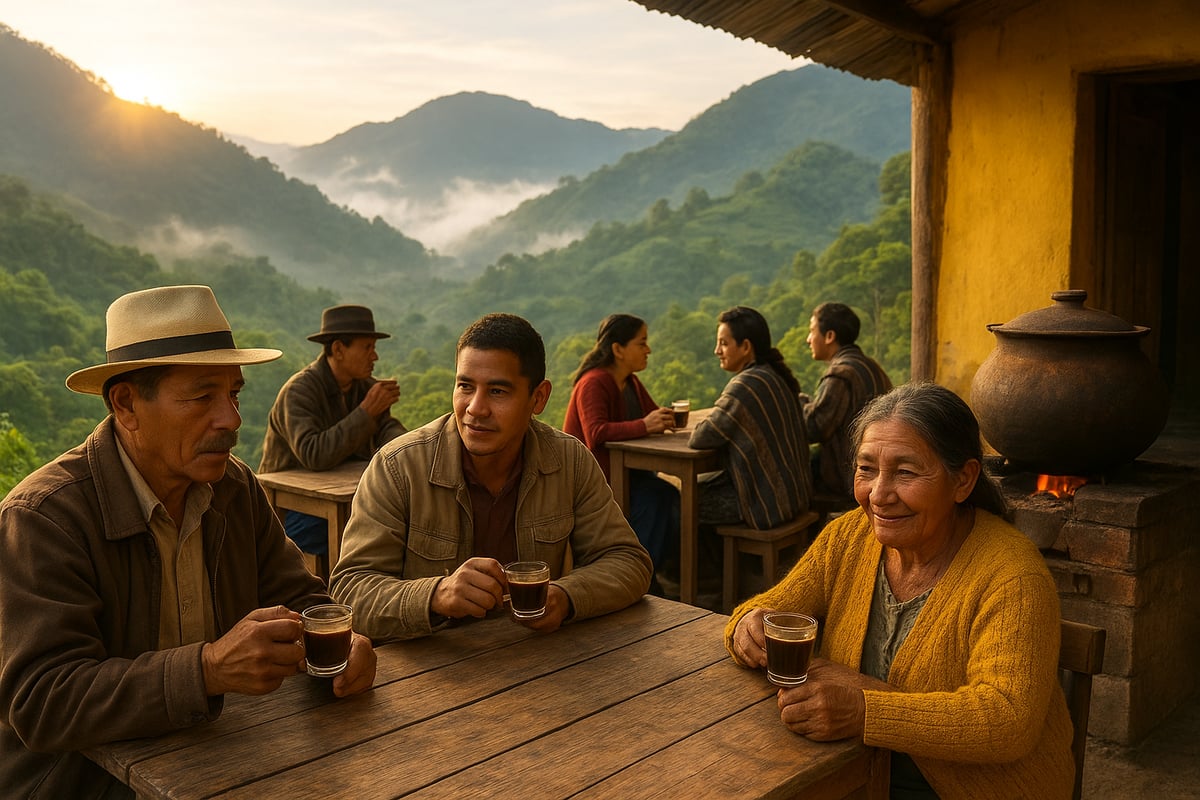
Each Colombian region brings its own flair to café tinto. In Antioquia, the brew is often slightly heavier and sweetened generously with panela, while Caldas and Quindío favor a lighter, fruit-forward profile. The water’s mineral content and altitude play a huge role in shaping taste. For example, tinto campesino in rural areas is brewed over wood fires, resulting in a smoky, earthy cup that contrasts with the cleaner, more refined flavors found in urban centers.
Small towns and mountain villages serve tinto in tiny cups at bustling markets, where the coffee is robust yet smooth. In contrast, city cafés may experiment with bean origins and roast styles. For coffee lovers seeking authentic regional flavors, exploring Single-Origin Coffee in Colombia offers a deeper understanding of what makes cafe tinto colombia so distinctive.
Contemporary Innovations
Modern Colombia is embracing new ways to enjoy café tinto. Specialty cafés are now offering single-origin and micro-lot tinto, highlighting the nuances of specific farms and regions. Creative baristas infuse tinto with local herbs like lemongrass or spices such as cinnamon and clove, especially during holiday seasons.
Urban coffee shops are serving cold tinto and iced versions, refreshing options in the country’s warmer coastal cities. These innovations attract younger generations and tourists eager to experience a new side of cafe tinto colombia. The blend of tradition and experimentation keeps the beverage dynamic and relevant.
Tinto in Colombian Coffee Culture Today
Café tinto remains a daily ritual, yet it has found a new place in the third-wave coffee movement. Young Colombians are reimagining traditions, blending ancestral brewing methods with modern café culture. Social media has amplified these trends, with local influencers sharing their favorite tinto recipes and café discoveries.
The accessibility of cafe tinto colombia, combined with its evolving image, makes it both a symbol of heritage and a canvas for innovation. Whether enjoyed at a mountain overlook or a hip Bogotá café, tinto connects generations through its familiar aroma and flavor.
Notable Cafés and Baristas Leading the Revival
Across Colombia, a new generation of baristas and café owners are elevating the tinto experience. Award-winning baristas craft signature recipes, experimenting with bean selection and brewing techniques. Specialty shops in Medellín and Bogotá showcase curated tinto flights, allowing visitors to sample diverse regional profiles.
Family-run cafés in the Coffee Triangle invite travelers to taste tinto at the source, often paired with homemade pastries. The surge in specialty coffee shops, as highlighted by the Colombian Coffee Growers Federation in 2025, shows that cafe tinto colombia is thriving and evolving. For those seeking the best, these cafés offer a perfect blend of authenticity and creativity.
Where to Drink Café Tinto in Colombia: Top Spots for 2026
Colombia is a treasure trove for coffee lovers, and discovering where to drink cafe tinto colombia is an adventure in itself. From bustling cities to tranquil mountains, each region offers a unique setting and flavor experience. Let’s explore the best places to sip authentic tinto in 2026.
Iconic Tinto Experiences by Region
The soul of cafe tinto colombia is found in its regions. In Bogotá, street vendors serve tinto in tiny cups at every corner, especially around Plaza Bolívar. Medellín’s modern coffee shops blend tradition with innovation, serving tinto alongside pastries. The Coffee Triangle, or Eje Cafetero, offers immersive farm tours where you can drink tinto at sunrise, surrounded by coffee plants. Cartagena and the Caribbean coast introduce local twists, sometimes adding cinnamon or coconut.
| Region | Signature Experience | Typical Setting |
|---|---|---|
| Bogotá | Street vendor tinto, historic cafés | Plazas, city streets |
| Medellín | Modern tinto, creative pairings | Hip cafés, bakeries |
| Coffee Triangle | Farm-fresh tinto, rural tastings | Coffee farms, viewpoints |
| Cartagena/Caribbean | Spiced/iced tinto, coastal flair | Seaside cafés, markets |
For a deeper look at Colombia’s coffee heartlands, explore the Coffee Cultural Landscape of Colombia recognized by UNESCO for its unique heritage.
What to Look for in a Great Café Tinto Spot
To ensure your cafe tinto colombia experience is truly authentic, watch for a few key signs. The best spots use local beans and panela, brewing tinto fresh in small batches. Family-run cafés, open-air markets, and mountain viewpoints often deliver the most genuine flavors.
- Traditional brewing with an olleta or pot
- Use of panela for natural sweetness
- Friendly, welcoming atmosphere
- Small, glass or plastic cups
Seek out places where locals gather. The vibe is informal and warm, making every cup feel like a piece of Colombian hospitality.
Tips for Travelers
Ordering cafe tinto colombia style is simple but knowing a few local tips helps. Ask for “un tinto, por favor” and expect a small, strong cup. Prices are affordable, usually from 1,000 to 3,000 pesos. In markets, vendors might serve from thermos flasks, while cafés offer table service.
- Use polite phrases: “Gracias” and “muy amable”
- Tinto is often enjoyed standing up, especially at markets
- Don’t expect large mugs; the charm is in the small portion
Embrace the rhythm of Colombian life by savoring tinto during morning hours or mid-afternoon breaks, just like the locals do.
Recommended Cafés and Farm Visits
For the ultimate cafe tinto colombia experience, visit these top spots:
- Bogotá: Café Pasaje, La Florida, and iconic street stalls near La Candelaria
- Medellín: Pergamino Café, Hija Mia Coffee Roasters
- Coffee Triangle: Hacienda Venecia, Finca El Ocaso for immersive tours
- Cartagena: Café San Alberto, Epoca Espresso Bar
Family-run farms in the Coffee Triangle offer hands-on experiences, letting visitors pick, roast, and brew their own tinto. For more insider tips and a curated list of must-visit cafés, check out the Best Colombian Coffee to Buy.
Each cup is a gateway to Colombia’s rich coffee culture. Set out on your journey and taste the tradition firsthand.
Expert Tips, Pairings, and Frequently Asked Questions
Start your cafe tinto colombia journey with a few expert tips to elevate every cup. Pairing tinto with the right snack can transform a simple coffee into a cultural experience. Locals love enjoying tinto with fresh pandebono or almojábana, while others reach for arepas or buñuelos. The best times to savor tinto are early mornings or late afternoons, when the Colombian sun is gentle and the aroma fills the air.
Storage and Serving Advice
To keep your cafe tinto colombia experience fresh, store coffee beans in an airtight container, away from direct sunlight. Brewed tinto can be refrigerated for a day, but always reheat gently on the stove instead of the microwave to preserve its smooth flavor. Serve tinto in small cups, as is tradition, and avoid letting it sit out too long to prevent bitterness.
- Store beans in a cool, dry place
- Use glass or ceramic cups for best taste
- Reheat only once to maintain flavor
Frequently Asked Questions
Curious about cafe tinto colombia and how it compares to other coffee styles? Here are answers to the most common questions:
| Question | Answer |
|---|---|
| Is tinto like American coffee? | No, tinto is lighter than espresso but more robust than typical American drip coffee. |
| Can you use non-Colombian beans? | Colombian beans are preferred for authenticity, but you can experiment with similar profiles. |
| Is panela required? | Panela adds depth, but brown sugar is an acceptable substitute. |
| Caffeine content? | Comparable to other black coffees, but tinto is usually served in small portions. |
Explore more about Coffee production in Colombia for deeper insights into what makes Colombian beans unique.
Health Benefits and Considerations
Cafe tinto colombia is not only delicious but also rich in antioxidants, supporting heart health and overall wellness when enjoyed in moderation. Recent studies by the Colombian Coffee Federation highlight the benefits of polyphenols found in Colombian coffee. Remember to limit added sugars if you’re mindful of your diet. Drinking tinto in small cups helps you savor the flavor without overindulging.
For a detailed look at Colombian coffee’s health and flavor benefits, check out Colombian Coffee: The World's Best Coffee Explained.
Insider Recommendations
Want to bring the cafe tinto colombia experience home? Colombian baristas recommend using freshly ground beans, filtered water, and adjusting panela to taste. Try brewing with a traditional olleta for the most authentic result. After your travels, recreate the ritual by sharing tinto with friends, pairing it with Colombian pastries, and always savoring the moment.
As you wrap up your journey through the vibrant world of Colombian café tinto, imagine bringing those authentic flavors right into your own kitchen. You deserve coffee that’s as rich in story as it is in taste — handpicked beans, deep mountain heritage, and that smooth, never bitter finish Piracii is known for. Why settle for ordinary when you can savor the real thing every morning and save big while you’re at it? Let’s make your daily ritual unforgettable. Get the Best Coffee at the Best Price Here


