


Imagine starting your day with a cup of smooth, aromatic Colombian coffee, knowing exactly what went into every dollar you spent. If you have ever wondered what shapes the colombia coffee price or how to get the best value in 2026, this handbook is your trusted companion.
In this guide, you will unlock the secrets behind pricing, explore expert forecasts, understand regional differences, learn about quality grades, and discover smart buying strategies. Colombia’s coffee has a worldwide reputation, and now you can buy with confidence and insight.
Ready to make every purchase count? Dive in and discover how to navigate the world of Colombian coffee like a seasoned pro.
Understanding Colombia Coffee Pricing: Key Factors in 2026
Imagine standing in a Colombian coffee market, surrounded by aromas and vibrant beans. You quickly realize that understanding the colombia coffee price in 2026 means looking beyond the label. Multiple dynamic forces shape what you pay, and knowing these factors will help you make smarter choices, whether you buy, sell, or simply savor Colombian coffee.
Global Coffee Market Trends and Their Impact
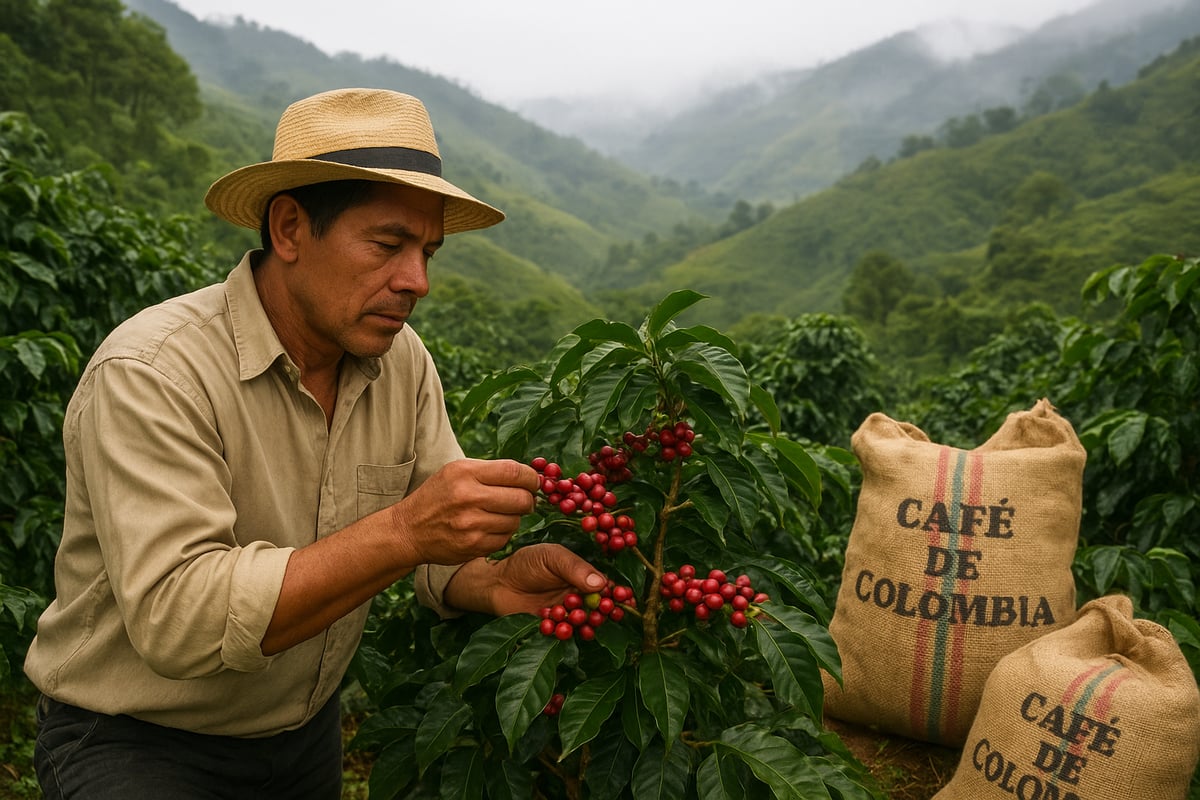
Colombian coffee prices never exist in a vacuum. The global market directly influences every colombia coffee price you see. When international supply tightens or demand spikes in major consuming countries like the US, EU, and Asia, prices react quickly.
Take the years 2021 to 2025 as an example. Global shortages pushed coffee prices up by 15 percent, according to the International Coffee Organization. Such patterns mean that even local Colombian farmers are at the mercy of global weather events, logistics issues, and shifting consumer habits.
- Global supply-demand cycles create volatility
- Large consuming nations set the pace for price changes
- Shocks in Brazil or Vietnam ripple into Colombian markets
Understanding these trends is crucial for predicting where the next colombia coffee price movement will come from.
Local Production Costs and Farming Realities
Behind every cup, local production costs play a starring role in determining the colombia coffee price. In Colombia’s famed coffee triangle, labor, fertilizer, and transportation expenses can fluctuate wildly.
Recent years brought new challenges. For instance, the 2024 drought reduced output by 10 percent, which in turn raised prices. Climate change has made rainfall unpredictable, impacting yields and increasing risk for farmers.
Key cost drivers include:
- Rising labor wages as younger generations seek different careers
- Fertilizer prices linked to international markets
- Transportation delays from rural farms to export hubs
If you want to predict the colombia coffee price, keep an eye on these local realities. They directly affect the supply chain and the final cost to buyers.
Exchange Rates and Currency Volatility
Currency exchange rates are another hidden but powerful force shaping the colombia coffee price. Most Colombian coffee is sold internationally, so fluctuations between the Colombian Peso (COP) and the US Dollar (USD) directly influence export pricing.
In recent years, the COP has depreciated against the dollar. This trend means higher prices for international buyers, even if local production costs remain steady. For exporters, a weaker peso can sometimes offset rising costs, but for importers and consumers abroad, it usually means paying more.
- USD/COP volatility can cause rapid price changes
- Export contracts may lock in rates, but not always
- Monitoring currency trends is vital for large buyers
Understanding the impact of currency shifts will help you anticipate swings in the colombia coffee price, especially when planning big purchases.
Government Policies and Export Regulations
Government intervention also shapes the colombia coffee price. The Colombian Coffee Growers Federation (FNC) actively works to stabilize prices and support farmers, often stepping in with subsidies or minimum price guarantees.
Export tariffs and quality certifications add another layer. These regulations can raise costs, but they also protect the reputation of Colombian coffee on the global stage.
- FNC price stabilization efforts can buffer against market shocks
- Certifications like Denomination of Origin ensure quality but increase costs
- Export tariffs may change depending on political and economic climate
Knowing the regulatory landscape helps you understand the forces behind each colombia coffee price, especially when comparing certified beans to conventional options.
Specialty vs. Commodity Coffee Pricing
The final major factor is the distinction between specialty and commodity coffees. Specialty-grade beans, often organic, fair-trade, or single-origin, command significant premiums over standard commodity coffee. These premiums reflect not only quality but also ethical sourcing and traceability.
For a deeper dive into how specialty beans drive the colombia coffee price, see this Specialty Coffee from Colombia guide. Premiums for specialty lots can be 30 percent or more above commodity rates, especially for organic or micro-lot coffees.
- Specialty coffee buyers pay more for cupping scores and certifications
- Single-origin and direct-trade beans fetch higher prices
- Commodity coffee is more exposed to global price swings
Understanding these categories empowers you to choose the right colombia coffee price for your needs and values.
Colombia Coffee Price Forecast 2026: What to Expect
Forecasting the colombia coffee price for 2026 requires a close look at recent history, current trends, and expert predictions. Whether you’re a buyer, trader, or coffee enthusiast, understanding these dynamics will help you make smart decisions in a rapidly changing global market.
Historical Price Analysis (2016–2025)
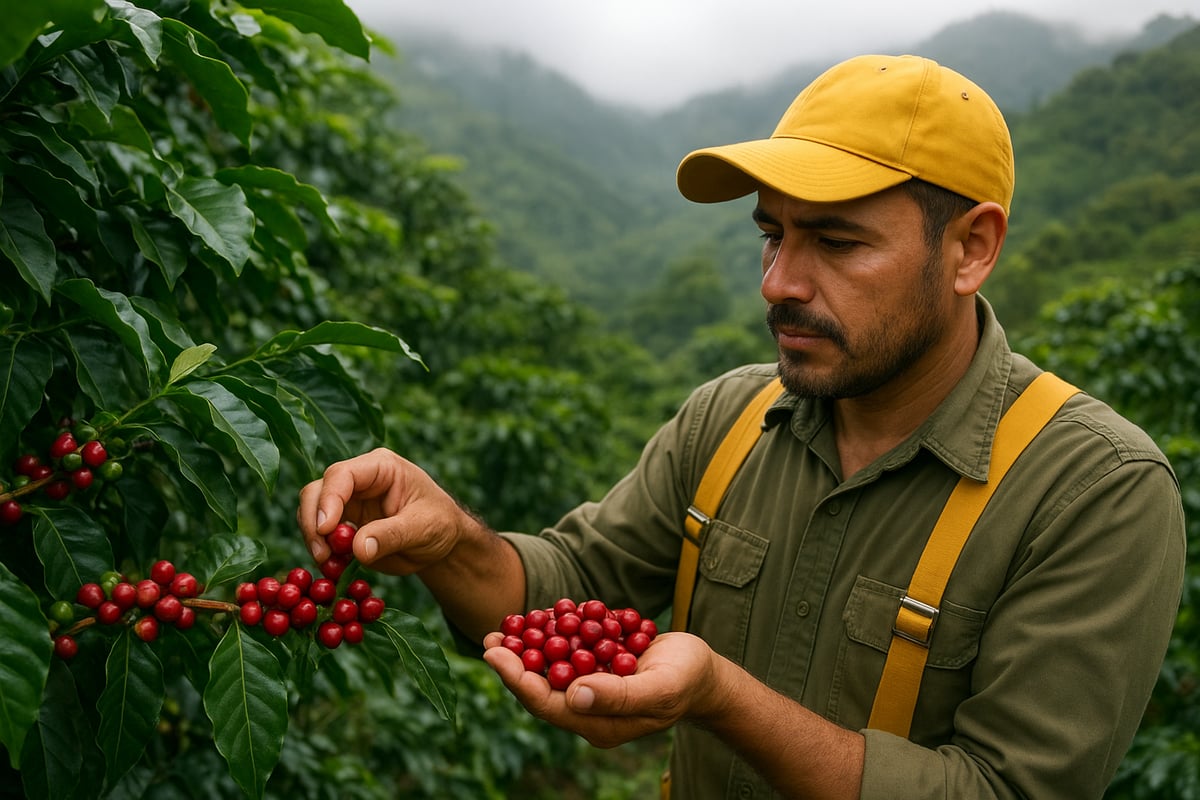
The past decade has seen the colombia coffee price undergo significant fluctuations. From 2016 to 2018, prices remained relatively stable, buoyed by steady global demand. However, between 2019 and 2022, the market experienced record highs, driven by supply shocks and adverse weather events.
For example, frost in Brazil in 2021 and shipping bottlenecks led to a 15 percent increase in the colombia coffee price, according to ICO data. By 2024, droughts in key Colombian regions reduced output by 10 percent, further driving up costs. This historical context sets the stage for understanding what lies ahead.
2026 Price Predictions: Expert Insights
Industry analysts project that the colombia coffee price will remain elevated in 2026, although some volatility is expected. According to the Colombia: Coffee Annual Report 2025, Colombian Arabica exports are likely to see average prices between $2.30 and $2.70 per pound.
The USDA and FNC also highlight that robust demand from the US, EU, and Asia will continue to support higher price levels. However, recent heavy rainfall and physiological stress in coffee plants could result in a smaller harvest for the 2025/2026 cycle, putting further upward pressure on the colombia coffee price.
Key Drivers for 2026 Pricing
Multiple factors will shape the colombia coffee price landscape in 2026. Weather patterns remain a major variable, with risks of drought or excessive rain impacting yields and bean quality. Crop disease, such as leaf rust, can cause sudden production drops and price spikes.
Technological advances in farming and processing may help stabilize supply, but adoption rates vary by region. Exchange rate fluctuations between the US dollar and Colombian peso will also directly impact export prices, making the colombia coffee price sensitive to global economic shifts.
Expected Price Ranges by Coffee Type
Price brackets for Colombian coffee in 2026 will vary based on type and quality. Here’s a quick comparison:
| Coffee Type | Wholesale ($/lb) | Retail ($/lb) |
|---|---|---|
| Arabica (commodity) | $2.30 – $2.70 | $9 – $12 |
| Robusta | $1.80 – $2.10 | $7 – $10 |
| Specialty Arabica | $3.50 – $7.00+ | $15 – $30+ |
Specialty coffees, especially award-winning micro-lots, may command prices well above these averages. The colombia coffee price for certified organic or fair-trade beans will typically sit at the higher end of these ranges due to added value and limited supply.
Market Risks and Uncertainties
Several uncertainties could disrupt the colombia coffee price forecast. Political instability, especially around export regulations or labor laws, can affect production and logistics. Global economic slowdowns might dampen demand, while supply chain disruptions, such as port strikes, can create temporary spikes.
Unexpected weather events or disease outbreaks also pose ongoing risks. For instance, the 2025 port strikes caused delays and increased costs, which were reflected in the colombia coffee price paid by international buyers.
How Buyers and Sellers Can Prepare
To navigate the evolving colombia coffee price landscape, proactive strategies are essential. Buyers can use forward contracts to lock in prices and hedge against volatility. Diversifying supply sources across regions and types reduces risk if one area faces disruptions.
Staying informed through reputable resources, like ICO reports and local market analysis, helps anticipate shifts. Sellers should focus on quality improvements and certifications to access premium markets and command higher prices. By planning ahead, both buyers and sellers can make the most of the opportunities that 2026 brings.
Regional Price Differences: Colombia’s Coffee-Growing Zones
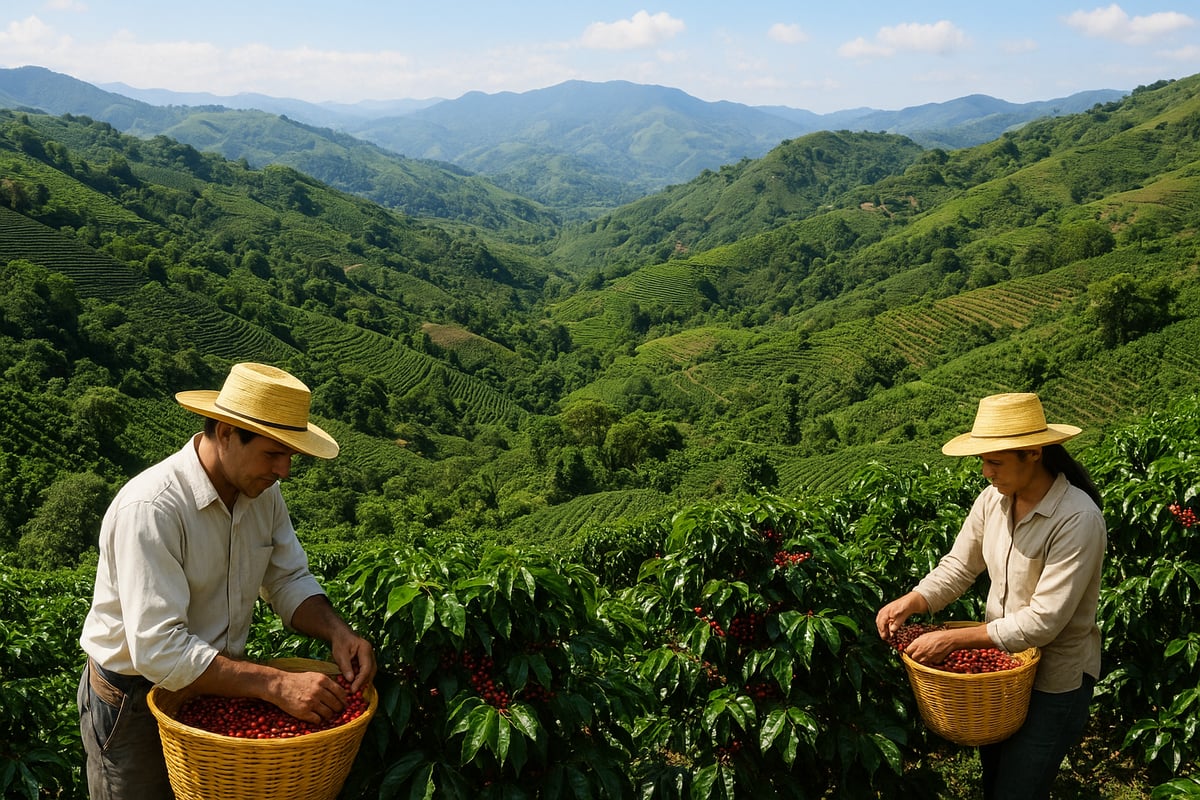
Colombia’s diverse geography creates a fascinating patchwork of coffee-growing zones, each with its own pricing story. Understanding these regional nuances helps buyers and enthusiasts unlock better value and quality when considering the colombia coffee price.
Major Coffee Regions and Their Price Profiles
Colombia’s most prominent coffee regions—Antioquia, Caldas, Quindío, Huila, and Nariño—offer unique profiles that directly influence the colombia coffee price. For example, Huila’s micro-lots are prized for their vibrant acidity and complexity, often fetching 20% higher prices than neighboring regions. Antioquia is known for balanced, chocolatey beans, while Nariño’s high-altitude farms produce coffees with floral notes and premium price tags.
Want to dive deeper into Huila’s distinct flavor and pricing? Check out this Colombian Coffee Regions Explained guide for an inside look.
- Antioquia: Balanced, versatile, slightly lower prices due to volume.
- Caldas & Quindío: Mellow, nutty, moderate prices with good accessibility.
- Huila: Bright, complex, consistently higher prices for micro-lots.
- Nariño: Floral, high-acidity, premium pricing due to altitude.
Regional differences are key when evaluating the colombia coffee price for both specialty and commodity coffees.
Influence of Altitude, Terroir, and Microclimates
Altitude is a game-changer for coffee quality and price. Beans grown above 1,500 meters develop denser, sweeter profiles, which command higher prices on the global market. Terroir, encompassing soil composition and microclimate, adds further distinction—Huila’s volcanic soils, for instance, impart unique flavors that justify higher costs.
- High Altitude (>1,700m): More complex, pricier beans.
- Mid Altitude (1,200–1,700m): Balanced flavor, moderate prices.
- Low Altitude (<1,200m): Softer profiles, generally lower prices.
Microclimates can lead to significant price variation even within a single region, impacting the overall colombia coffee price landscape.
Market Access and Infrastructure
Accessibility is a major driver of regional price differences. Coffee from remote mountain areas like southern Nariño incurs higher transportation costs, pushing up prices. In contrast, Quindío’s proximity to export hubs means lower logistics expenses and more competitive pricing.
- Remote regions: Higher transport costs, elevated prices.
- Accessible areas: Lower costs, greater market presence.
- Infrastructure investments: Can help stabilize or reduce regional price gaps.
These logistical factors must be weighed when comparing the colombia coffee price across different zones.
Regional Cooperatives and Direct Trade
Farmer cooperatives play a pivotal role in price negotiation and stability. By banding together, growers in regions like Caldas or Huila can access better market rates, share resources, and ensure consistent quality. The rise of direct trade models—where buyers connect straight to producers—has also enabled certain regions to command price premiums.
- Cooperatives: Strengthen bargaining power.
- Direct trade: Increases transparency and often results in higher farmgate prices.
- Community investment: Drives long-term price stability.
These dynamics shape the colombia coffee price for both small-scale farmers and large buyers.
Case Study: Price Comparison Table by Region (2026 Projections)
To illustrate regional price differences, here’s a projected table for 2026 wholesale prices of washed Arabica (per pound, FOB Colombia):
| Region | Typical Flavor Profile | Projected Price (USD/lb) |
|---|---|---|
| Huila | Bright, complex | $2.85 |
| Nariño | Floral, high acidity | $2.70 |
| Antioquia | Balanced, chocolatey | $2.40 |
| Caldas | Nutty, mild | $2.35 |
| Quindío | Sweet, mellow | $2.30 |
These projections highlight how the colombia coffee price can swing by up to 20% depending on origin, quality, and market access.
Coffee Quality and Grading: How It Affects Price
Understanding how quality and grading shape the colombia coffee price is essential for buyers and enthusiasts. Colombia's coffee grading system, cupping scores, certifications, processing methods, and consumer preferences all play a major role in determining what you pay per cup or pound. Let's break down what these factors mean for your wallet and your palate.
Colombian Coffee Grading System Explained
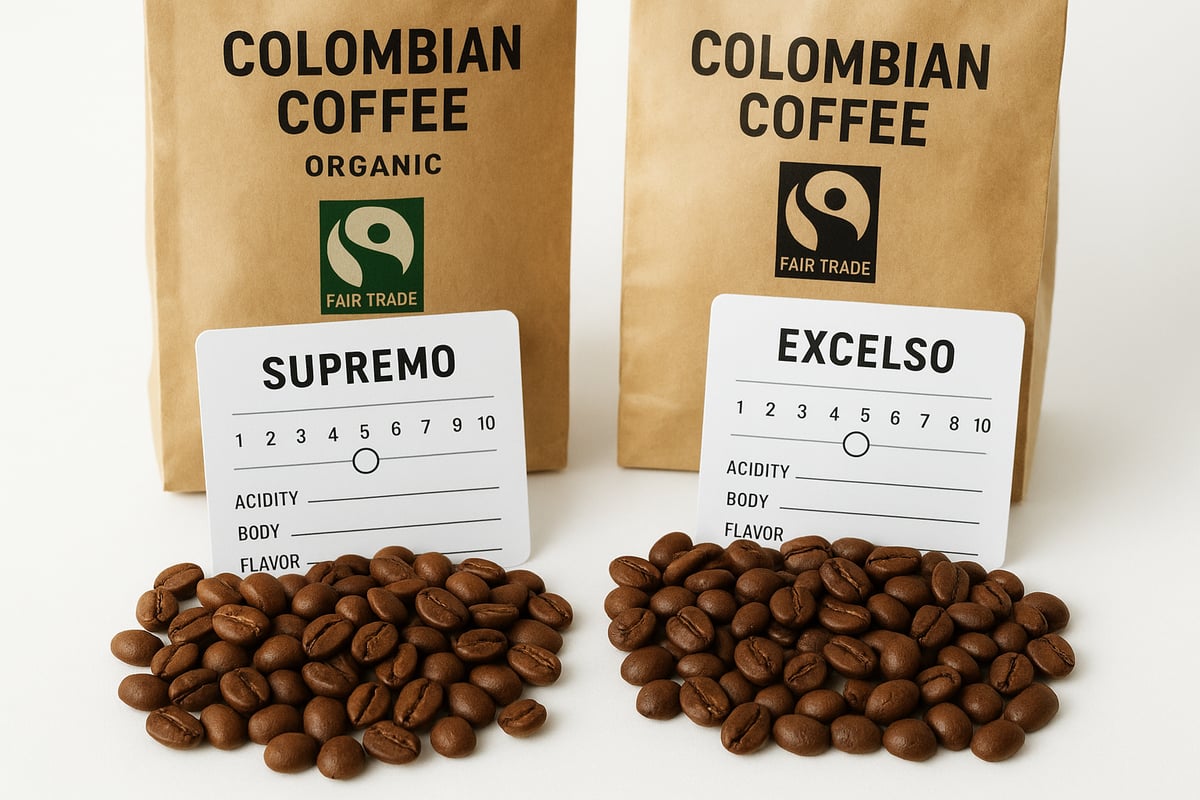
Colombia uses a well-defined grading system to separate coffees by bean size and quality. The most recognized grades are Supremo, Excelso, and UGQ (Usual Good Quality). Supremo beans are the largest and most uniform, fetching higher prices due to their appearance and consistency. Excelso beans are slightly smaller but still high quality, while UGQ is a blend of various sizes.
Typically, Supremo commands a 10–15 percent premium over Excelso. This grading directly influences the colombia coffee price at both wholesale and retail levels. For a detailed breakdown of grading and pricing, see the Colombian Coffee Grades and Types guide.
Cupping Scores and Specialty Coffee Premiums
Cupping scores, determined by the Specialty Coffee Association (SCA), rate coffees on a 100-point scale. Beans scoring above 80 points are considered specialty grade and can sell for two, three, or even five times the commodity price. For instance, winners of the Cup of Excellence in 2025 sold at five times the base colombia coffee price, reflecting their exceptional flavor, aroma, and uniqueness.
High cupping scores also attract international buyers eager to secure top lots, pushing up prices for these rare coffees. Cupping evaluations ensure only the best beans achieve premium status, making score sheets valuable tools for buyers.
Organic, Fair-Trade, and Certified Coffees
Certifications like organic, Fair-Trade, Rainforest Alliance, and others guarantee ethical sourcing, environmental responsibility, and farmer welfare. Coffees with these labels consistently fetch higher prices, adding a 10–30 percent premium to the colombia coffee price compared to non-certified beans.
As demand for sustainable and ethically produced coffees rises, exporters and roasters are more willing to pay for these certifications. If you value transparency and positive impact, certified Colombian coffees offer both quality and peace of mind.
Processing Methods and Their Influence
The way coffee is processed after harvest has a big impact on both flavor and price. Colombia is famous for its washed process, which produces clean, bright flavors. However, natural and honey-processed coffees are gaining popularity for their unique profiles.
Natural-processed micro-lots can command double the colombia coffee price of standard washed coffees due to their labor intensity and distinctive taste. Buyers seeking unique experiences often gravitate toward these specialty lots, justifying the higher investment.
Visual Defects, Screen Size, and Sorting
Physical quality matters. Beans are sorted by screen size and checked for visual defects like chips, discoloration, or insect damage. Larger, defect-free beans are more desirable and influence the final colombia coffee price.
Advanced sorting technology helps exporters deliver uniform lots, which are favored by specialty buyers. This attention to detail ensures that only the best beans reach premium markets, while lower-grade coffees are sold at reduced prices.
Consumer Preferences and Market Trends
Modern consumers want more than just a tasty cup. They seek traceable, single-origin, and sustainable coffees. This shift is driving up demand for unique Colombian lots, impacting the colombia coffee price structure and making high-quality beans more accessible worldwide.
The rise of transparency and traceability is helping buyers make confident choices. As the market evolves, expect pricing to reflect not only bean quality but also the story behind each cup.
Buying Colombian Coffee in 2026: Where and How to Get the Best Value
Imagine holding a fresh bag of Colombian beans, knowing you secured the best deal possible. Navigating the world of Colombia coffee price in 2026 means understanding your options, from local shops to direct farm relationships. This section breaks down each buying method, helping you maximize quality, value, and peace of mind.
Domestic vs. International Buying Channels
Choosing between buying coffee within Colombia or through local retailers abroad can greatly affect the final Colombia coffee price you pay. Buying directly in Colombia often means fresher beans and lower costs, but you may need to handle customs, shipping, and language barriers. Local retailers or specialty shops abroad simplify the process, yet usually add importer and distributor markups, which can raise prices by 20–40 percent.
Key considerations:
- Freshness: Beans sourced in Colombia are often roasted closer to the purchase date.
- Cost: Local markups increase the Colombia coffee price for international buyers.
- Convenience: Buying locally is easier for most, but adventurous buyers can save by sourcing directly.
For a step-by-step overview of purchasing options, see the Colombian Coffee Buying Guide.
Online Marketplaces and Subscription Services
In 2026, online marketplaces and coffee subscription services have made accessing premium Colombian beans easier than ever. Platforms like Piracii, Trade, and other specialty sites offer curated selections, customer reviews, and transparent pricing. Subscriptions can lock in a lower Colombia coffee price by providing regular shipments at a discounted rate, often with free shipping and exclusive blends.
Benefits include:
- Convenience: Shop from home and explore a global selection.
- Savings: Subscription services often offer 10–15 percent off retail prices.
- Discovery: Access to limited releases and single-origin micro-lots.
Online buying also lets you compare the Colombia coffee price across multiple sellers, ensuring you never overpay.
Direct Trade and Farm-to-Cup Sourcing
For those seeking the ultimate value and connection, direct trade opens the door to buying straight from Colombian farmers or cooperatives. This approach can reduce the Colombia coffee price by 10–20 percent, as you cut out several middlemen in the process. Direct trade also ensures more of your money supports the growers, while guaranteeing traceability and freshness.
How to get started:
- Research reputable Colombian cooperatives or farms.
- Initiate contact, often through their websites or trusted brokers.
- Confirm certifications and arrange for secure payment and shipping.
This method requires more effort but delivers unmatched quality and often unique flavor profiles not found in mass retailers.
Navigating Bulk Purchases and Wholesale Deals
If you’re a café owner, roaster, or serious enthusiast, buying in bulk can dramatically lower your average Colombia coffee price. Wholesale deals are typically negotiated based on volume, with discounts increasing for larger orders. Building a relationship with suppliers can unlock even better terms and priority access to new harvests.
Tips for getting the best bulk deals:
- Compare quotes from multiple exporters or distributors.
- Negotiate long-term contracts for price stability.
- Ask about seasonal promotions or clearance lots.
Bulk buying also means you can request custom roasts or exclusive micro-lots tailored to your business needs.
Price Comparison: Retail vs. Wholesale vs. Subscription
Understanding the true Colombia coffee price requires a side-by-side look at retail, wholesale, and subscription costs. Here’s a sample table for 2026:
| Buying Method | Typical Price per lb | Key Benefits |
|---|---|---|
| Retail Store | $17–$22 | Convenience, variety |
| Online/Subscription | $13–$18 | Savings, freshness |
| Wholesale/Bulk | $10–$14 | Lowest cost, custom |
Subscriptions can save up to 20 percent over standard retail, while bulk purchases offer the lowest per-pound Colombia coffee price for high-volume buyers.
Avoiding Common Pitfalls and Scams
With rising demand, the risk of scams and poor-quality beans has increased. Always verify the authenticity of your supplier, check for certifications like organic or Fair Trade, and read customer reviews. Beware of prices that seem too low, as they may signal old, mislabeled, or non-Colombian beans.
Checklist for safe buying:
- Confirm certifications and traceability.
- Use secure payment methods.
- Ask for sample roasts or detailed origin information.
- Trust platforms with clear return policies and responsive support.
A little diligence goes a long way in protecting your investment and enjoyment.
Tips for Navigating Colombia Coffee Prices in 2026
Navigating the evolving landscape of colombia coffee price trends in 2026 requires a proactive approach. By staying informed and using smart strategies, you can secure the best value no matter your role in the coffee world. Let’s break down practical tips that will empower you to make confident, cost-effective decisions.
Tracking Market Trends and Staying Informed
To anticipate shifts in colombia coffee price, keep a close eye on reputable resources like the International Coffee Organization. The ICO Monthly Coffee Market Report December 2024 provides comprehensive insights into global pricing, output, and market forecasts.
Set up price alerts and use online tools for real-time updates. Subscribe to specialty coffee news sites for expert analysis and actionable tips. Staying ahead of trends puts you in a position to buy at the right moment.
Timing Your Purchases for Savings
Seasonal cycles play a big role in the colombia coffee price you pay. Prices often dip just after the main harvest, when supply peaks and competition increases.
Monitor news on harvest outcomes, like reports of record crops or sudden shortages. For example, Colombia’s 2025/26 harvest outlook can impact pricing windows, so staying alert to such updates helps you plan purchases for maximum savings.
Building Relationships with Trusted Suppliers
Developing strong partnerships with suppliers gives you a critical edge in the colombia coffee price game. Loyal buyers often get early access to new lots, VIP discounts, or special offers.
Join loyalty programs or VIP clubs offered by roasters and importers. Direct communication with suppliers builds trust and can unlock exclusive pricing or first pick of high-demand coffees.
Leveraging Certifications and Transparency
Certifications like organic, fair-trade, or Rainforest Alliance can guarantee both ethical practices and quality. Request full supply chain transparency before committing to a purchase.
Verify certifications through official databases or supplier documentation. This not only ensures you’re getting what you pay for but also helps you avoid overpaying for unverified claims or misleading labels.
Maximizing Quality-to-Price Ratio
To optimize your colombia coffee price investment, balance factors like cupping scores, origin, and bean grade. Sometimes, lesser-known regions or micro-lots deliver exceptional value that rivals more famous names.
Look for coffees with high SCA scores from up-and-coming regions. Compare quality metrics side by side to spot hidden gems that offer outstanding taste without the premium price tag.
Planning for the Future: Budgeting and Storage
Smart budgeting and proper storage are essential for getting the most out of your coffee budget. Consider bulk purchases during favorable price periods and invest in airtight containers to preserve bean freshness and value.
Allocate part of your budget for future price fluctuations. By planning ahead, you can enjoy great coffee year-round without being caught off guard by sudden market shifts.
Now that you’ve got the inside scoop on Colombia’s coffee prices and how to get the best value in 2026, why not put that knowledge to work for your taste buds and your wallet? With Piracii Coffee, you’re not just buying a bag of beans—you’re supporting generations of Colombian farmers and tasting the authentic soul of the coffee triangle. Their 5-pound subscription genuinely saves you money compared to the grocery store, and you get farm-fresh, ethically sourced coffee delivered right to your door. Ready to experience premium Colombian coffee at its best?
Get the Best Coffee at the Best Price Here


