


Imagine standing at sunrise in the misty mountains of Colombia, surrounded by lush coffee farms. The scent of fresh coffee blossoms fills the air, mingling with the rich aroma of expertly roasted beans. Each sip awakens your senses, transporting you deeper into the world of specialty coffee colombia.
This guide is your passport to exploring the vibrant flavors, unique origins, and exciting trends shaping Colombian coffee in 2025. Whether you are a passionate coffee lover, adventurous traveler, or curious newcomer, you will find everything you need to truly experience Colombia’s finest brews.
Discover the history of Colombian specialty coffee, meet the regions and their distinctive terroirs, explore key varieties and processing methods, uncover the latest trends, and learn how to source your perfect cup. Let’s embark on this flavorful journey together.
The Rise of Specialty Coffee in Colombia
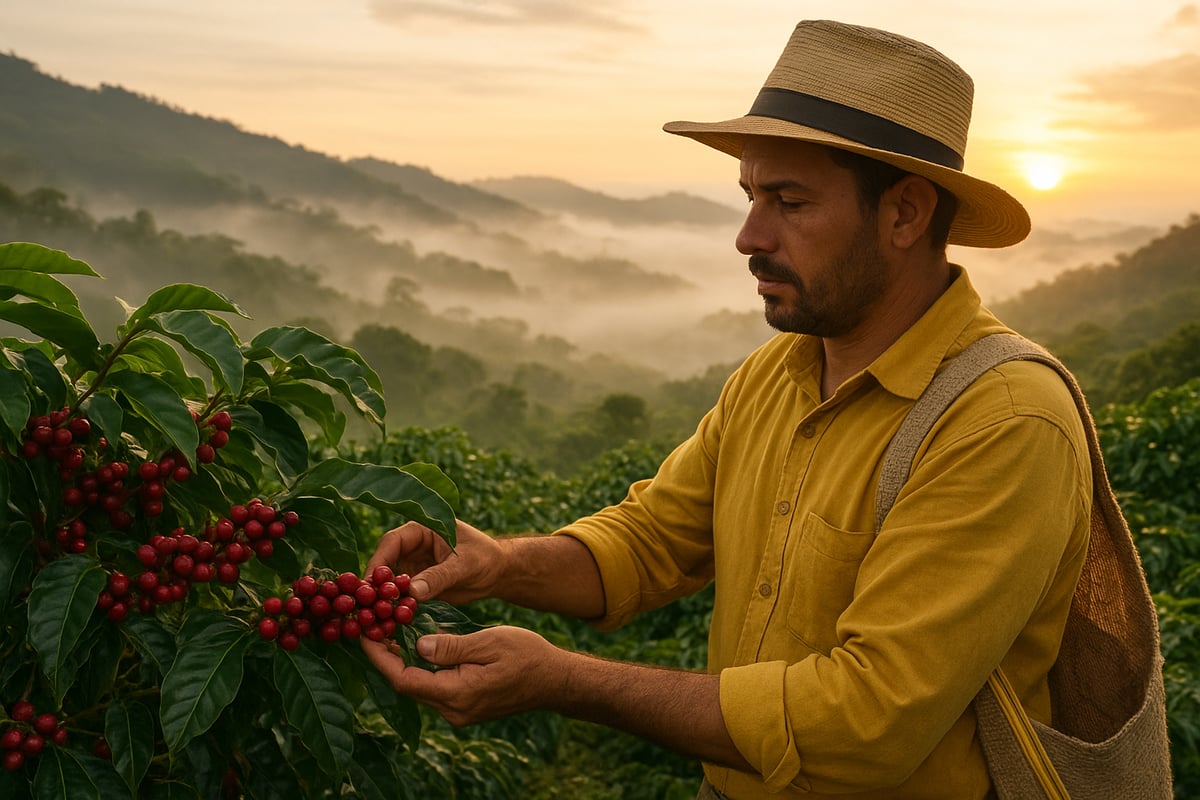
Close your eyes and imagine the gentle mist rolling over Colombia’s emerald mountains, where coffee cherries ripen beneath the golden sun. This is the birthplace of a revolution that has transformed the global coffee scene. The journey of specialty coffee colombia is not just about beans, it’s about passion, innovation, and an enduring quest for perfection.
History and Evolution of Colombian Coffee
Colombia’s relationship with coffee dates back to the 18th century, when the first seeds were planted in its fertile volcanic soil. By the 20th century, Colombia had become a global icon, recognized for producing smooth, balanced coffees that captivated drinkers worldwide.
In the 1970s, the term “specialty coffee” emerged, thanks to Erna Knutsen, and Colombia began to shift its focus. Rather than treating coffee as a mass commodity, visionary farmers and leaders saw the potential to elevate their crops to the highest standards. The Colombian Coffee Growers Federation (FNC) played a pivotal role, investing in quality improvements, farmer education, and infrastructure. This commitment positioned specialty coffee colombia as a beacon for excellence.
The rise of third-wave coffee culture and international competitions further fueled demand for unique, traceable coffees. Colombian producers responded by experimenting with new processing methods, refining harvesting techniques, and focusing on single-origin lots. Today, specialty coffee colombia is celebrated globally, consistently ranking among the top three coffee producers. According to the Specialty Coffee Association (SCA), only coffees scoring 80 points or higher on a 100-point scale are considered “specialty.” In recent years, Colombian coffees have earned prestigious awards at events like the Cup of Excellence, cementing the country’s status as a leader in specialty coffee.
Colombia’s success is not just a story of volume, but of transformation. Farmers have embraced innovation and sustainability, while international partnerships and rising consumer demand have opened new markets. This evolution continues to shape the future of specialty coffee colombia.
Defining Specialty Coffee: Standards and Grading
What sets specialty coffee colombia apart from the rest? It all begins with the SCA’s rigorous grading system. Coffees are evaluated for aroma, flavor, acidity, body, aftertaste, and absence of defects. Only those scoring above 80 make the cut as specialty.
A key hallmark of specialty coffee colombia is traceability. Every step, from the farm to the cup, is documented, allowing drinkers to discover the story behind each bean. Traceability also means most of these coffees are single-origin, often sourced from a specific region or even a single farm. This transparency empowers consumers to support ethical practices and connect with the people behind their morning brew. To learn more about single-origin sourcing and its impact, check out this guide: Single origin coffee in Colombia.
Terroir is another defining factor. The interplay of climate, soil, altitude, and farming methods in Colombia’s diverse regions creates a vibrant spectrum of flavors. Whether you crave the floral notes of Huila or the chocolatey depth of Antioquia, specialty coffee colombia offers something for every palate.
Farmers are embracing new traceability initiatives, using QR codes and digital platforms to share their stories and showcase their craftsmanship. As consumers become more discerning, these efforts ensure every cup of specialty coffee colombia delivers authenticity, quality, and a taste of Colombia’s rich heritage.
Colombia’s Coffee Regions and Terroir
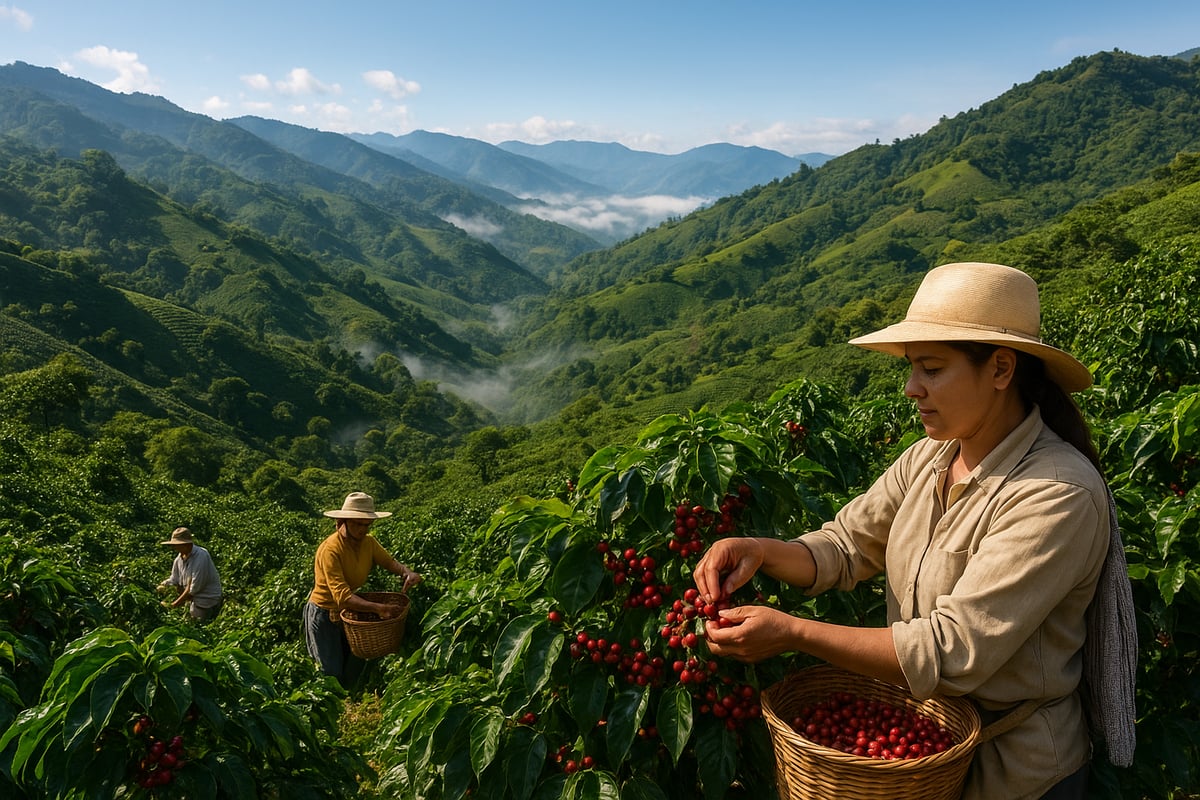
Colombia’s breathtaking coffee landscapes are as diverse as the flavors found in each cup. From misty highlands to sun-drenched valleys, the country’s geography shapes every aspect of specialty coffee colombia. Understanding these unique regions and their terroir is the first step to unlocking the secrets behind the world’s most sought-after beans.
Major Producing Regions and Their Distinctive Profiles
Colombia’s specialty coffee colombia reputation is built on the character of its renowned regions. Each area boasts a signature profile shaped by altitude, climate, and soil.
Let’s explore the primary producing zones:
- Huila: Famous for its high altitudes (4,900–6,500 ft), volcanic soils, and balanced rainfall. Coffees here are celebrated for floral aromas, vibrant fruit notes, and lively acidity. Finca El Turpial in Huila has won international awards for its complex, sweet cup profiles.
- Nariño: Located near the equator but at extreme elevations, Nariño’s beans develop bright acidity, citrus flavors, and delicate florals. The cool nights and warm days slow cherry maturation, concentrating sugars.
- Antioquia: As a historic coffee heartland, Antioquia offers beans with a nutty, chocolatey base and subtle fruit. Its moderate altitude and fertile soils help produce consistent specialty coffee colombia lots.
- Caldas, Quindío, Risaralda: Known as the “coffee triangle,” these regions produce smooth-bodied coffees with caramel, red fruit, and mild acidity. Their interconnected valleys and rich soils create a classic Colombian cup.
- Tolima: Emerging as a specialty powerhouse, Tolima’s coffees feature stone fruit, honey, and floral notes. The region’s isolated farms and organic practices attract quality-focused buyers.
- Cauca, Santander, Sierra Nevada: These areas yield unique beans with herbal, spicy, and even tropical fruit notes. Diverse microclimates and indigenous farming traditions set them apart.
Here’s a quick comparison:
| Region | Elevation (ft) | Flavor Notes | Production Share (%) |
|---|---|---|---|
| Huila | 4,900–6,500 | Floral, Fruity, Bright | 18 |
| Nariño | 5,900–7,200 | Citrus, Floral, Sweet | 5 |
| Antioquia | 4,000–6,000 | Nutty, Chocolate, Smooth | 13 |
| Coffee Triangle | 4,500–6,000 | Caramel, Red Fruit, Mild | 15 |
| Tolima | 4,900–6,500 | Stone Fruit, Honey, Floral | 12 |
| Others | 3,900–6,600 | Herbal, Spicy, Tropical | 7 |
If you want to dive deeper into how Huila stands out in specialty coffee colombia, check out this detailed guide on Colombian coffee regions explained.
Microclimates within these regions play a huge role. Rain patterns, sun exposure, and even wind shape the final cup. Award-winning farms like Finca El Turpial experiment with selective picking and processing, further elevating their beans’ complexity.
The Role of Terroir in Flavor Development
Terroir is the magic behind specialty coffee colombia’s flavor diversity. It’s the unique combination of soil, rainfall, altitude, and climate that gives each region its signature taste.
Let’s break down the key factors:
- Soil Composition: Volcanic soils in Huila and Nariño are rich in minerals, creating vibrant acidity and sweetness. In contrast, clay and sandy soils in Santander yield earthier, spicier notes.
- Altitude: Higher elevations mean slower cherry maturation, resulting in denser beans and more complex flavors. Specialty coffee colombia from the highest farms often delivers intense florals and bright acidity.
- Sunlight and Rainfall: Microclimates, influenced by mountain ranges and valleys, dictate how much sun and rain each farm receives. This affects everything from bean density to sugar development.
- Traditional vs. Innovative Farming: While some regions stick to time-honored shade-grown practices, others adopt innovations like controlled fermentation or new varietals. Both approaches impact flavor, but in distinct ways.
To illustrate, consider a side-by-side comparison: Castillo beans grown in Huila might taste floral and fruity, while the same variety from Antioquia leans nutty and chocolatey. The difference is terroir in action.
Emerging regions outside the classic coffee triangle, like Tolima and Sierra Nevada, are pushing boundaries with organic methods and unique processing. These areas add new dimensions to specialty coffee colombia, offering adventurous drinkers a chance to taste something truly different.
Whether you’re seeking classic profiles or bold, experimental flavors, understanding terroir is essential. It’s what makes every cup of specialty coffee colombia an adventure in taste.
Key Colombian Coffee Varieties and Flavor Profiles
Colombia’s landscape is a treasure trove for coffee lovers, offering a dazzling array of beans that have made specialty coffee colombia a global sensation. Each variety tells a story, shaped by generations of farmers and the country’s unique geography. Whether you crave bright citrus notes or deep chocolate undertones, the diversity here means every cup brings a new adventure.
Signature Colombian Varieties
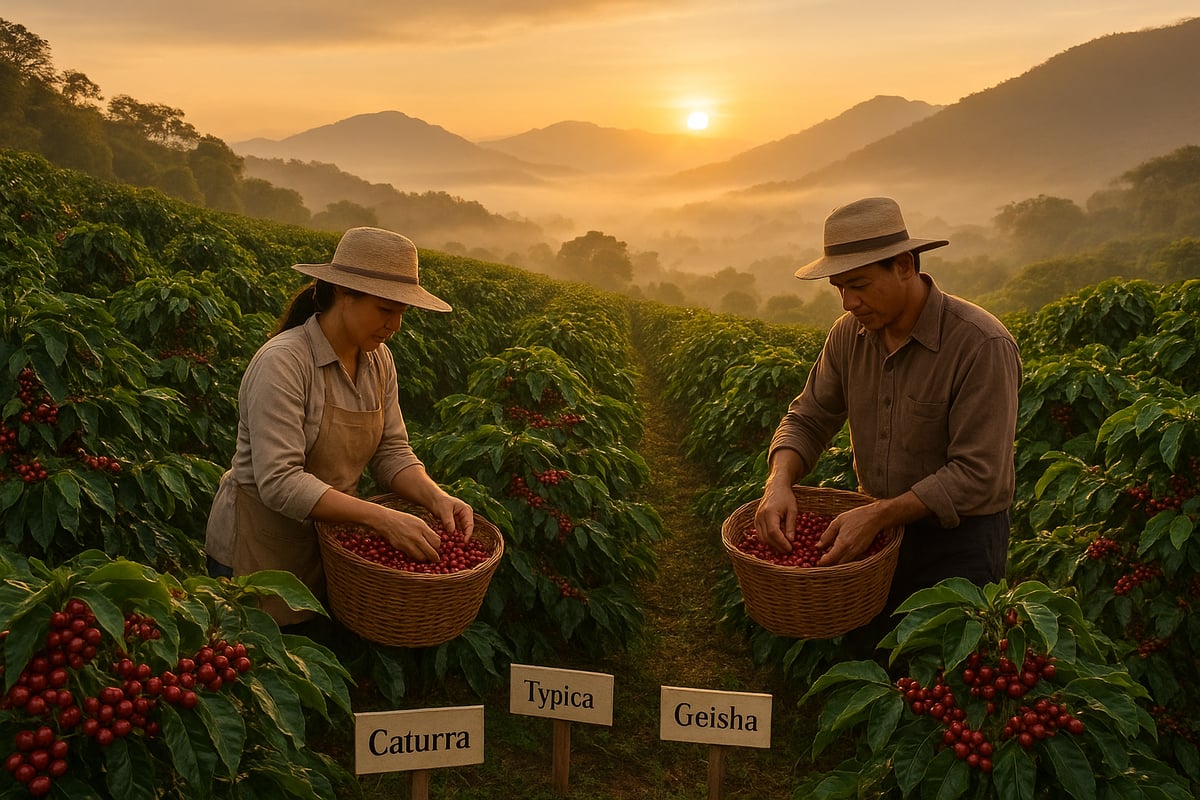
When it comes to specialty coffee colombia, certain varieties have risen to legendary status. Each brings its own flair to the cup, shaped by genetics, terroir, and meticulous farming.
Let’s break down the most celebrated Colombian coffee varieties:
| Variety | Origin | Acidity | Body | Flavor Notes | Complexity |
|---|---|---|---|---|---|
| Caturra | Colombia | High | Medium | Citrus, caramel | Medium |
| Castillo | Colombia | Medium | Full | Chocolate, sweet | Balanced |
| Typica | Ethiopia | Bright | Light | Floral, citrus | Elegant |
| Geisha | Ethiopia | Vibrant | Silky | Jasmine, bergamot | High |
| Tabi | Hybrid | Medium | Full | Nutty, chocolate | Balanced |
| Bourbon | Yemen/Ethiopia | Lively | Medium | Fruity, wine-like | Complex |
| Sidra | Hybrid | High | Silky | Tropical fruit, honey | High |
- Caturra is beloved for its bright acidity and sweet caramel finish, thriving in Colombia’s mid-elevation regions.
- Castillo was bred for disease resistance and high yields, but don’t overlook its smooth, chocolatey profile and crowd-pleasing balance.
- Typica remains a classic, offering delicate floral and citrus notes.
- Geisha (Gesha) is the star of competitions, prized for its unique jasmine and bergamot aroma and extraordinary cup clarity.
- Tabi, a hybrid, balances resilience with a nutty, chocolate-laden flavor.
- Bourbon and Sidra bring complexity, with fruity, wine-like tones and an adventurous spirit.
Curious to explore these beans in more detail? Dive deeper into Colombian coffee varieties and flavors to discover what makes each one stand out in the world of specialty coffee colombia.
Exploring Flavor Complexity in Colombian Coffee
The sheer complexity of specialty coffee colombia comes from a magical blend of genetics, climate, and craft. It’s not just the variety, but where and how it’s grown, that shapes each cup.
A Geisha from Huila, grown at high altitude, bursts with floral and tea-like notes, while the same variety in Tolima might deliver subtle honey and stone fruit. Processing methods layer on more intrigue; a naturally processed Castillo can surprise you with a jammy, fruit-forward punch, while a washed Tabi offers clarity and sweetness.
Some standout micro-lots reveal tasting notes like violet, bergamot, and even tropical fruit. These rare coffees often win accolades at national cupping competitions, proving that Colombian farmers are true artisans. The demand for traceable, one-of-a-kind flavors is soaring, as consumers seek not just a drink, but a story in every sip of specialty coffee colombia.
If you crave adventure, look for:
- Limited-edition micro-lots with unique tasting notes
- Coffees highlighting single-region terroir
- Beans from award-winning farms and innovative producers
Expert panels agree: the future of specialty coffee colombia lies in diversity, traceability, and a relentless pursuit of flavor. Every cup is a journey, and the best is yet to come.
Processing Methods and Their Impact on Taste
Imagine standing on a Colombian hillside, inhaling the sweet aroma of freshly picked coffee cherries. The journey from cherry to cup is a meticulous process that defines the essence of specialty coffee colombia. The way beans are processed is not just a technical step, but a creative act that shapes every sip’s flavor, aroma, and complexity.
Traditional and Innovative Processing Techniques
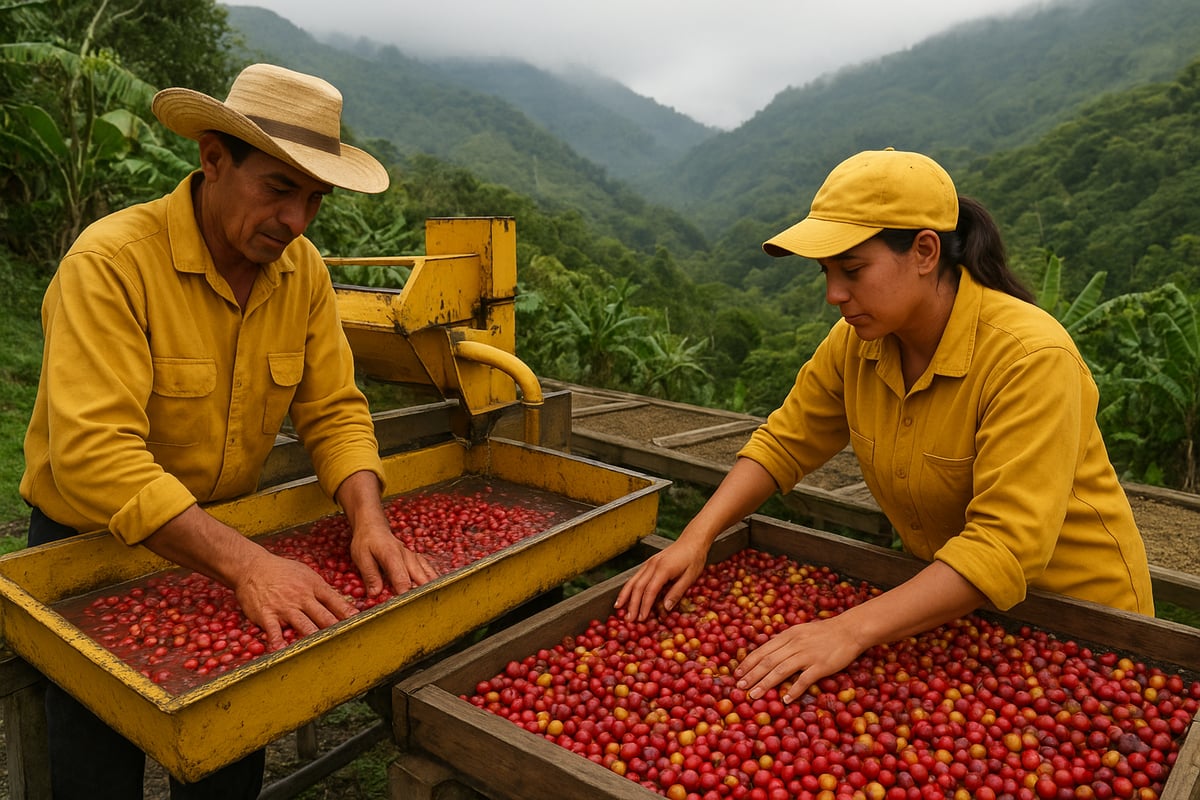
In specialty coffee colombia, processing methods are the secret ingredient behind each region’s signature cup. The most traditional is the washed process. Here, ripe cherries are pulped, fermented to remove sticky mucilage, then washed and sun-dried. This method creates a clean, bright profile, letting the bean’s natural acidity and sweetness shine.
The natural process is gaining ground in specialty coffee colombia. Cherries are dried whole under the sun, allowing sugars and fruitiness to infuse the bean. Expect cups bursting with berry notes and complex sweetness.
Honey and fermented processes are the experimental edge of specialty coffee colombia. In honey processing, some mucilage remains during drying, giving coffee enhanced body and a syrupy mouthfeel. Fermented lots, meanwhile, involve controlled microbial action—unlocking tropical, floral, or even wine-like flavors.
Here’s a quick comparison:
| Process Type | Key Steps | Flavor Profile | Water Usage |
|---|---|---|---|
| Washed | Pulp, ferment, wash, dry | Clean, bright, sweet | High |
| Natural | Dry whole cherry, hull, dry | Fruity, complex | Low |
| Honey | Pulp, dry with mucilage | Sweet, syrupy | Moderate |
| Fermented | Controlled fermentation, dry | Exotic, floral, bold | Varies |
Award-winning farms like Finca El Turpial in Huila have mastered these techniques, producing micro-lots that consistently shine in competitions. According to a landmark agreement between the SCA and FNC, Colombia is now setting new standards for traceability and value, ensuring that processing innovations are recognized and rewarded globally.
In 2025, data shows that over 70% of specialty coffee colombia is still washed, but natural and honey processes are on the rise, appealing to adventurous palates and international buyers alike.
Environmental and Sustainability Considerations
Processing methods in specialty coffee colombia do not just influence taste—they also carry environmental consequences. The washed process, while traditional, uses significant water, pushing many producers to seek more sustainable options.
Farmers are leading the way with shade-grown, organic, and direct trade initiatives. These efforts reduce chemical use, conserve biodiversity, and ensure fair compensation—key values in specialty coffee colombia. Natural and honey processes, requiring less water, are increasingly favored in regions facing climate stress.
Communities in Huila and Tolima have launched innovative projects, such as water recycling and solar drying, to minimize environmental impact while maintaining quality. These collective efforts keep specialty coffee colombia at the forefront of ethical and sustainable production.
As you savor each cup, remember that behind every flavor lies a story of innovation, care, and commitment to both land and people.
Specialty Coffee Trends in Colombia for 2025
Colombia’s coffee scene is buzzing with innovation and transformation. As 2025 approaches, the landscape of specialty coffee Colombia is evolving rapidly, blending tradition with bold new directions. Producers, roasters, and consumers are all playing a part in reshaping how Colombian coffee is grown, processed, and enjoyed. Let’s dive into the trends and shifts that are defining this vibrant industry.
Emerging Trends and Innovations
In 2025, specialty coffee Colombia is seeing a surge in micro-lots and direct-to-consumer sales. Farmers are producing small, carefully curated lots that highlight unique terroirs and rare varieties. These micro-lots allow coffee lovers to experience flavors never before available outside Colombia.
Traceability and transparency are now at the core of the Colombian coffee movement. Digital tools and blockchain technology help trace every bean from farm to cup. This ensures authenticity and builds trust with buyers worldwide.
Experimental processing methods are making waves. Producers in specialty coffee Colombia are moving beyond traditional washed coffees to embrace natural, honey, and anaerobic fermentation techniques. These innovative methods unlock new layers of sweetness, acidity, and complexity in every cup.
Technology is changing the game. Precision agriculture, satellite mapping, and data-driven irrigation help optimize yields and maintain quality even as climate patterns shift. Farmers and roasters are collaborating more closely than ever, sharing knowledge and working together to create standout coffees.
Subscription services and curated tasting kits are rising in popularity. These offer consumers a gateway to explore the best of specialty coffee Colombia, delivered straight to their doorsteps. The result is a more personalized and adventurous coffee experience.
Evolving Consumer Preferences and Global Influence
Global demand for specialty coffee Colombia is shifting toward lighter roasts and origin-driven flavors. Coffee drinkers are seeking out beans that showcase the unique character of each region rather than masking it with dark roasting. This trend is fueling a deeper appreciation for Colombia’s diverse terroirs and rare varieties.
Sustainability and ethical sourcing are no longer optional—they are expected. Consumers want to know the story behind their cup, from the farmer’s practices to the environmental impact. Certifications, direct trade relationships, and community initiatives are shaping buying decisions.
Specialty coffee competitions and the rise of third-wave cafes are propelling Colombian coffees into the spotlight. Award-winning lots from Colombia are setting new benchmarks for quality and flavor. Export growth and price premiums for top-scoring beans underscore the country’s growing influence on the global stage. For more insights on how specialty coffee culture is evolving, see this overview of specialty coffee culture in Colombia.
Data shows that Colombian coffee exports continue to climb, with specialty beans commanding higher prices than ever before. Consumer surveys point to a growing preference for traceability, unique flavor profiles, and brands that support local communities. For deeper market stats and future outlook, explore the latest Colombian Coffee Export Statistics.
Together, these trends are ushering in a new era for specialty coffee Colombia—one where tradition meets innovation, and every sip tells a story.
How to Source and Enjoy Colombian Specialty Coffee in 2025
Imagine holding a cup of freshly brewed specialty coffee colombia, its aroma hinting at the lush mountains where it was grown. Sourcing and savoring the best beans is within your reach, whether you are a home brewer or a globetrotter. Here is your roadmap to experiencing the finest specialty coffee colombia in 2025.
Finding Authentic Colombian Specialty Coffee
Start your search for specialty coffee colombia by looking for beans that meet the Specialty Coffee Association (SCA) score of 80 or above. Authenticity matters, so prioritize options with detailed traceability, including farm name, region, and variety. Certifications like Fair Trade or Rainforest Alliance can add another layer of confidence.
Seek out beans from reputable online specialty retailers, direct-from-farm platforms, or trusted cafes. Some producers now offer subscription services and curated tasting kits, letting you explore diverse flavors from specialty coffee colombia throughout the year. When reading labels, check for origin (such as Huila or Nariño), variety, processing method, roast date, and tasting notes.
To help you compare, here is a quick table summarizing what to look for:
| Feature | Why It Matters | How to Spot It |
|---|---|---|
| SCA Score | Quality assurance | 80+ on packaging |
| Traceability | Farm-to-cup connection | Region, farm, variety |
| Certifications | Ethical, sustainable practices | Fair Trade, Organic |
| Tasting Notes | Flavor discovery | Listed on label |
With Colombia experiencing its Record Coffee Harvest in 2025, there is a surge of exceptional beans available to global consumers. This abundance makes it a perfect time to discover new favorites and support innovative producers.
Brewing the Perfect Cup: Methods and Tips
Once you have sourced your specialty coffee colombia, brewing it well is essential. Start by choosing the right grind size for your method: coarse for French Press, medium for Chemex, and fine for espresso. Always use fresh, filtered water at 92–96°C to extract the best flavors.
Popular brewing methods for specialty coffee colombia include V60 for clarity, Chemex for smoothness, French Press for body, and espresso for intensity. Try a side-by-side comparison: brew a floral Huila Geisha with a V60 to highlight its delicate notes, then prepare a Tolima Castillo in a French Press to emphasize its chocolatey depth.
Here are a few expert tips:
- Weigh your coffee and water for consistency.
- Bloom your grounds for 30 seconds before full brewing.
- Store beans in airtight containers, away from sunlight.
- Experiment with ratios to suit your taste.
Enjoy uncovering the vibrant spectrum of flavors in specialty coffee colombia by adjusting your technique to each unique bean.
Visiting Colombian Coffee Farms and Cafes
For a truly immersive experience, consider traveling to Colombia’s famed coffee regions. The Coffee Triangle (Antioquia, Caldas, Quindío), Huila, and Nariño are top destinations. Farm tours offer hands-on activities like harvesting, processing, and cupping, connecting you with the passionate growers behind specialty coffee colombia.
Look for workshops and tastings at boutique farms or local cafés. These experiences deepen your appreciation for the craft and foster direct relationships with producers. Coffee tourism is growing rapidly, benefiting local communities and giving you a front-row seat to Colombia’s coffee renaissance.
Whether you are sourcing beans online or planning a trip, specialty coffee colombia invites you to explore, taste, and connect with a vibrant tradition that continues to evolve.
After exploring the magic of Colombia’s high-altitude coffee farms and learning how each bean tells a story of heritage and adventure, it’s only natural to want a taste for yourself. Why settle for grocery store blends when you can enjoy coffee that’s been handpicked, expertly roasted, and shipped straight to your door at a price that truly surprises? With Piracii, you’re not just getting world-class flavor—you’re supporting passionate farmers and bringing a piece of Colombia’s soul into your own morning ritual. Ready to discover the difference for yourself?
Get the Best Coffee at the Best Price Here


