


Imagine yourself in 2026, cradling a cup of fresh Colombian coffee, mist curling around lush mountains and vibrant farms. Colombia coffee tasting is more than a ritual, it is an invitation to explore legendary flavors and new trends. With each sip, you uncover the secrets of unique beans shaped by Colombia’s rich history and dynamic culture. This step-by-step guide will show you how to identify, savor, and enjoy the full spectrum of Colombian coffee. Ready to discover the regions, science, tasting rituals, and expert tips that make every cup unforgettable? Dive in and elevate your coffee journey.
The Essence of Colombian Coffee: History, Terroir, and Culture
Colombia’s coffee legacy began in the lush Andean foothills over two centuries ago. Since then, the country has established itself as a global icon for quality coffee. Today, colombia coffee tasting is synonymous with exploring a tapestry of flavors shaped by landscape, climate, and tradition.
Colombia’s Coffee Triangle: Geography, Climate, and Altitude
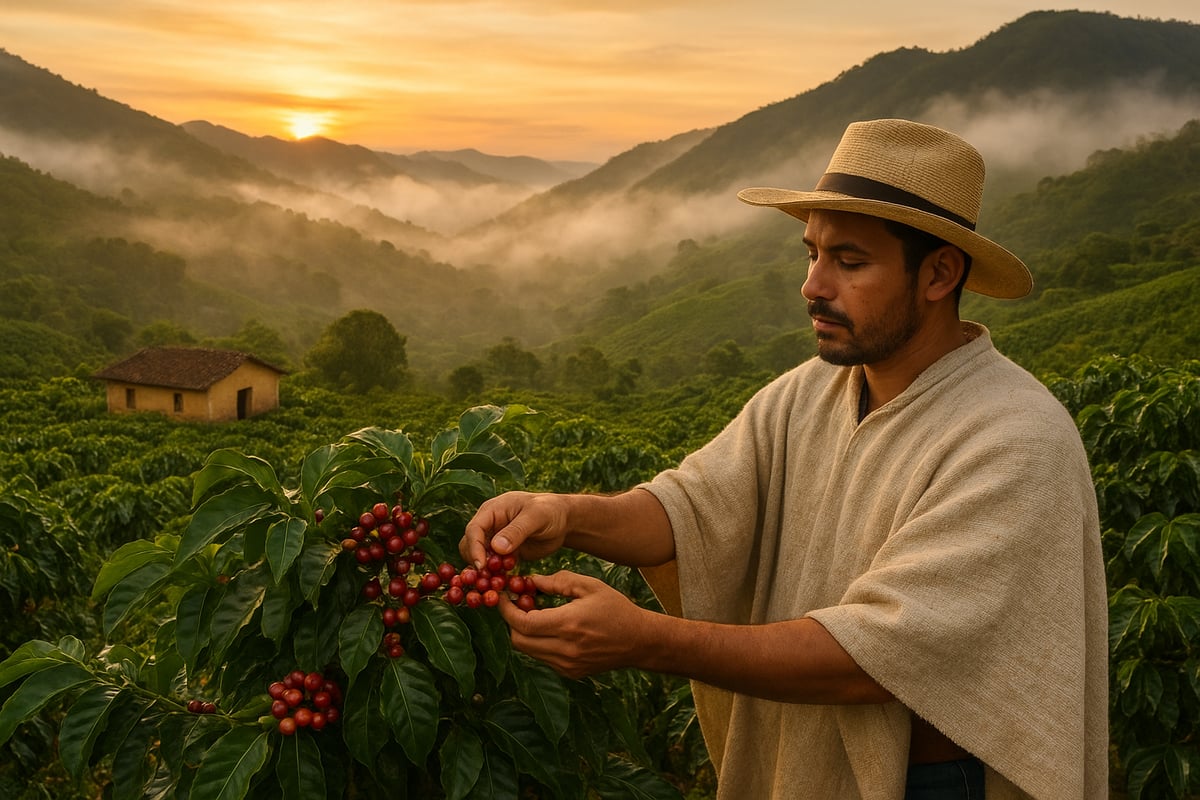
At the heart of colombia coffee tasting lies the famed Coffee Triangle. This region, spanning Antioquia, Caldas, and Quindío, is renowned for its ideal growing conditions. Here’s what makes it unique:
- Altitude: Farms thrive between 1,200 and 2,200 meters above sea level.
- Climate: Mild temperatures and consistent rainfall nurture slow cherry maturation.
- Geography: Volcanic soils infuse beans with vibrant acidity and complex notes.
These elements create microclimates across valleys and slopes, giving each region its own signature taste. In this area, hand-picking is not just tradition—it’s a commitment to quality, ensuring only the ripest cherries make it to your cup. That’s why colombia coffee tasting from this region always promises remarkable clarity and balance.
Cultural Significance and Hand-Picking Traditions
Coffee is woven into the fabric of Colombian identity. Every morning, families gather to share a cup, celebrating both heritage and daily life. The coffee industry supports over half a million families, fueling local economies and preserving rural communities.
Hand-picking remains the gold standard. Workers pass through fields multiple times during harvest, selecting only perfectly ripe cherries. This meticulous process is crucial to the quality experienced in every colombia coffee tasting session.
Regional Flavor Profiles: Huila vs. Nariño
Colombia’s diverse terroir means no two regions taste the same. For example, Huila and Nariño produce beans with distinct character. To help you navigate colombia coffee tasting, compare these two standouts:
| Region | Flavor Notes | Acidity | Sweetness | Body |
|---|---|---|---|---|
| Huila | Floral, Fruity | Bright | High | Medium |
| Nariño | Citrus, Sweet | Lively | Medium | Silky |
Curious about more regional nuances? Explore Colombia coffee flavor profiles for a deeper dive into what sets each area apart.
From Commodity to Specialty: Data and Evolution
Colombia now ranks as the world’s third-largest coffee producer, with a 23% increase in production and a 16% rise in exports during 2024. According to ICO and FNC reports, specialty coffee now commands a growing share of this output.
In the last decade, colombia coffee tasting has evolved from mass-market blends to traceable, single-origin lots with unique stories. This shift empowers farmers, rewards quality, and invites coffee lovers to experience the full spectrum of Colombian flavor.
Decoding Coffee Flavors: The Science and Sensory Experience
Imagine taking your first sip during a colombia coffee tasting session. What you experience is the result of a fascinating journey that starts with genetics and ends with your cup. Colombian coffee flavor is shaped by the variety of the coffee plant, the altitude and climate where it grows, and the care taken during harvesting and processing. Roasting and brewing choices further unlock or mute specific notes, making each colombia coffee tasting unique.
The Coffee Taster’s Flavor Wheel
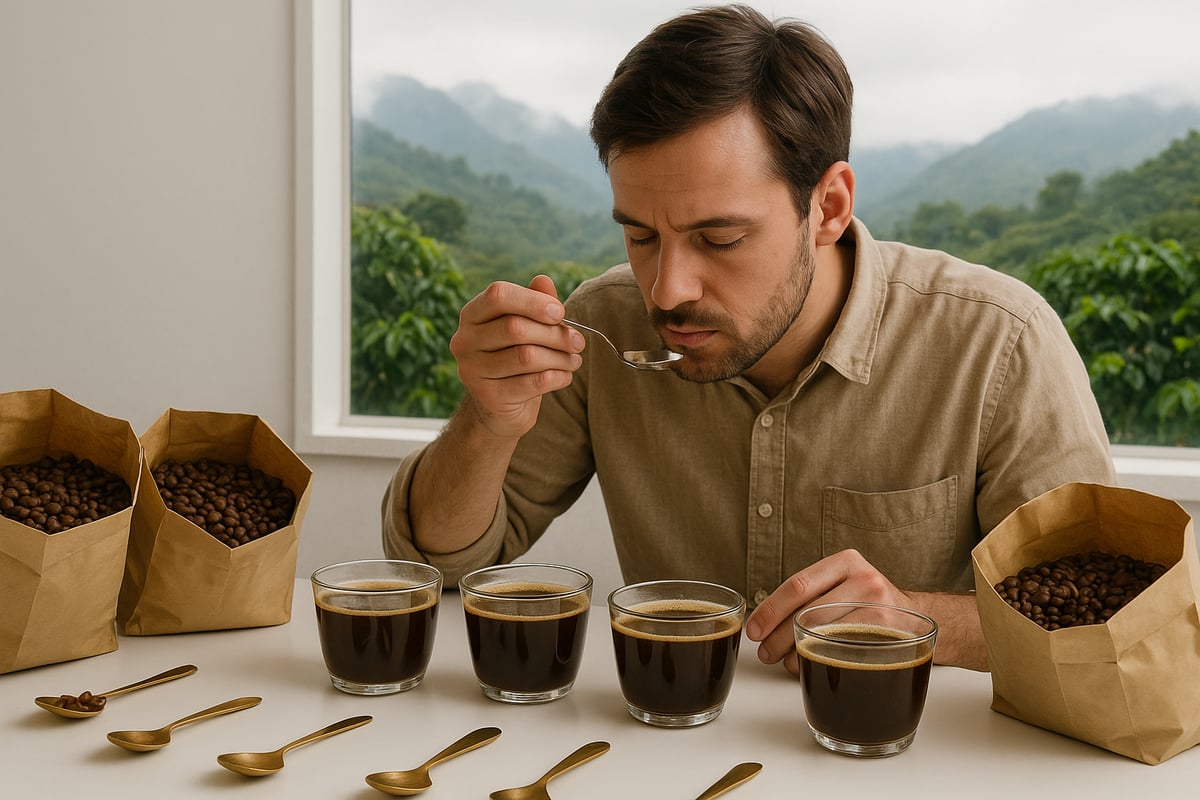
To make sense of the complex aromas and tastes in a colombia coffee tasting, professionals use the Coffee Taster’s Flavor Wheel. This tool helps tasters describe what they perceive, from the first sniff to the lingering aftertaste. Here’s a quick look at key categories:
| Category | Examples |
|---|---|
| Fruity | Red berries, citrus |
| Floral | Jasmine, rose |
| Nutty | Almond, hazelnut |
| Chocolatey | Cocoa, dark chocolate |
| Spicy | Cinnamon, clove |
During your colombia coffee tasting, you might notice a bright citrus note or a hint of jasmine, both signatures of certain Colombian regions. Using the wheel gives structure to your sensory adventure and makes it easier to compare coffees.
Acidity, Body, Sweetness, and Aftertaste
What makes a colombia coffee tasting memorable? It’s the interplay of key sensory elements:
- Acidity: Lively, tangy sensation—think of the crispness in a Huila coffee.
- Body: The texture—does it feel light, silky, or creamy on your tongue?
- Sweetness: Natural sugar notes—panela, caramel, or ripe fruit.
- Aftertaste: The lingering flavors after you swallow.
Aroma is equally important. Up to 80% of what you taste in a colombia coffee tasting is influenced by aroma, making it essential to inhale deeply before each sip.
Processing Methods and Regional Flavor Examples
How the beans are processed after picking has a huge impact on the final cup. Washed coffees, like a Castillo from Tolima, tend to taste clean and bright, with floral and citrus notes. In contrast, a natural Caturra from another region might bring bold, jammy fruit flavors and heavier body. Fermentation and drying techniques unlock new dimensions—anaerobic processes can add tropical or wine-like notes to your colombia coffee tasting session.
Colombian regions like Huila and Nariño are famous for their distinct profiles, shaped by microclimates and tradition. For further insight into how innovative processing and regional trends are shaping flavor, check out this deep dive on Specialty coffee in Colombia.
SCA Cupping Scores and Global Recognition
Every colombia coffee tasting is an opportunity to explore complexity. The Specialty Coffee Association (SCA) uses a scoring system to rate coffees, judging acidity, body, balance, and overall impression. High-scoring Colombian coffees consistently impress experts for their clarity and harmony.
This reputation is why colombia coffee tasting experiences are sought after worldwide. With each cup, you’re not just tasting coffee—you’re exploring the science, artistry, and passion that make Colombian beans legendary.
Colombia Coffee Tasting in 2026: Trends, Innovations, and Experiences
Imagine stepping into a world where colombia coffee tasting is not just a ritual, but an adventure. In 2026, this experience is transforming, blending tradition with innovation. Whether you are a curious traveler, a coffee enthusiast, or a seasoned pro, there has never been a better time to discover the latest trends shaping Colombia’s vibrant coffee culture.
Evolution of Coffee Tasting Rituals
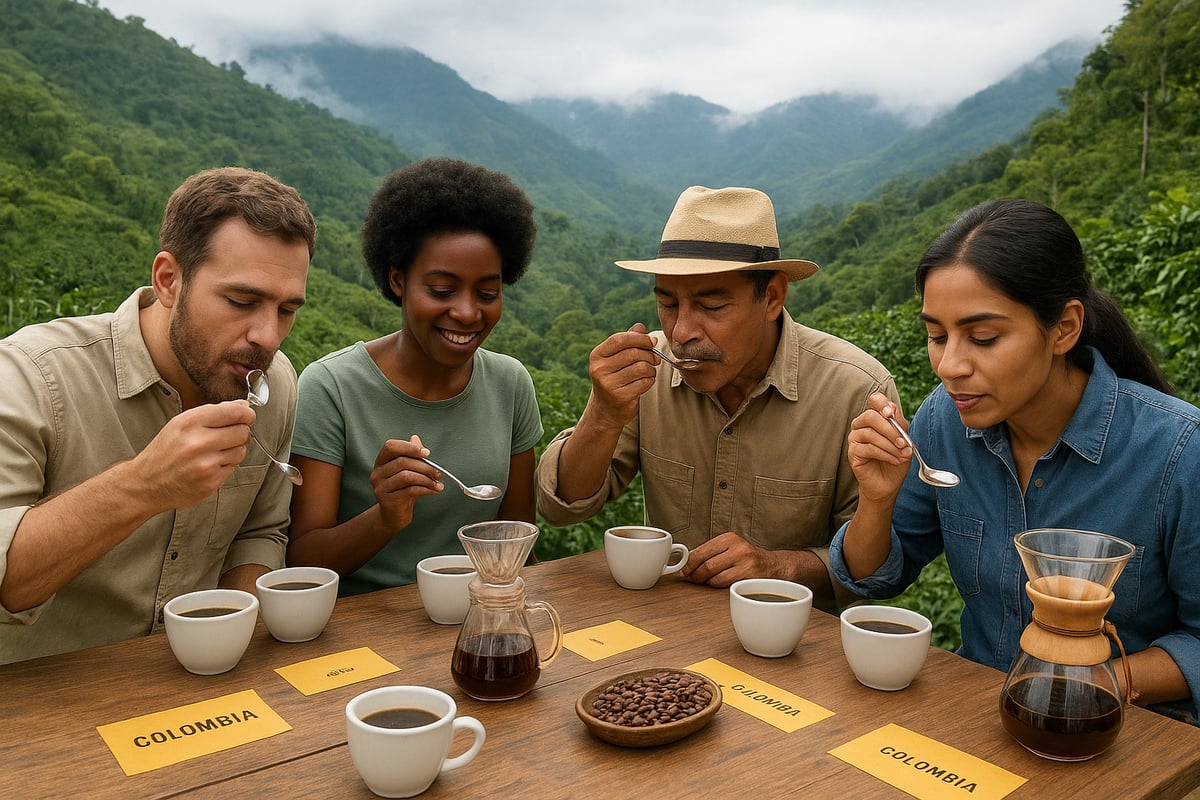
Colombia coffee tasting in 2026 is a blend of old and new. Traditional cupping—where experts evaluate aroma, flavor, and body—remains the foundation. However, modern experiences are now elevating the ritual to new heights. Cafés and farms across Colombia offer immersive tasting sessions, pairing local gastronomy with curated flights of coffee. Imagine sipping a bright Huila brew alongside fresh tropical fruit or artisanal chocolate, enhancing every note.
Coffee tourism is booming, with destinations like Salento and Medellín leading the way. Visitors can join guided tasting tours, wander through vibrant coffee farms, and participate in hands-on workshops. According to recent industry reports, the number of specialty cafés and coffee tourism experiences in Colombia has surged since 2024.
Curious about the diverse flavors across Colombia’s regions? Check out this Colombian coffee flavor profiles by region guide to deepen your tasting journey. The evolution of colombia coffee tasting is truly a multi-sensory adventure.
New Processing Methods and Flavor Exploration
Innovation is at the heart of colombia coffee tasting today. Producers are pushing boundaries with experimental processing methods like anaerobic fermentation, honey processing, and carbonic maceration. These techniques unlock vibrant, unexpected flavors—think tropical fruit, florals, or even a hint of spice.
For example, limited-release beans from Quindío using carbonic maceration can deliver explosive fruit notes and creamy textures. Honey-processed coffees retain natural sweetness, while anaerobic fermentation introduces complex acidity and unique aromas. Farmers and roasters collaborate closely, refining these processes to highlight the best of each micro-lot.
This spirit of experimentation is transforming colombia coffee tasting, giving enthusiasts access to flavors that were unimaginable just a few years ago. Every cup becomes a chance to discover something new and extraordinary.
Spotlight on Artisanal Roasters and Direct Trade
Artisanal micro-roasters are rewriting the rules of colombia coffee tasting. These passionate experts source beans directly from farmers, ensuring transparency and traceability at every step. Direct trade empowers growers, supports ethical practices, and guarantees that each bag tells a story.
Roasters now offer single-farm lots with detailed flavor notes, inviting customers to explore the nuances of origin, process, and roast. For instance, you might find a roasted Huila coffee bursting with red fruit, or a Nariño selection that dazzles with citrus and sweetness.
This movement is making colombia coffee tasting more accessible and rewarding. Consumers can now taste the difference that careful sourcing, roasting, and storytelling bring to each cup. It is a revolution driven by quality and community.
The Soul of Piracii Coffee: Bridging Tradition and Adventure
Piracii Coffee captures the essence of colombia coffee tasting in 2026. Born in Colombia’s misty mountains, Piracii honors generations of farming wisdom. Every bean is hand-picked, supporting ethical sourcing and fair wages for local communities.
Piracii stands out with adventurous offerings like rum barrel-aged coffees, organic infusions, and smooth, never-bitter roasts. Their direct-to-consumer model ensures farm-to-cup freshness and affordable pricing, making premium Colombian coffee accessible to all.
Whether you crave a classic flavor or a bold new profile, Piracii connects you to the heart and soul of Colombian coffee. If you are ready to explore authentic and innovative tastes, this is your invitation to join the adventure of colombia coffee tasting.
Step-by-Step Guide: How to Taste Colombian Coffee Like a Pro
Imagine unlocking the full spectrum of flavor in every cup of Colombia coffee tasting. Whether you are a beginner or a seasoned enthusiast, following a structured approach transforms your experience. Let’s break down the essential steps to taste Colombian coffee like a true professional.
Preparing for a Tasting Session
To begin your colombia coffee tasting journey, start by sourcing specialty-grade Colombian beans. Freshness is essential, so check the roast date and opt for beans roasted within the last three weeks.
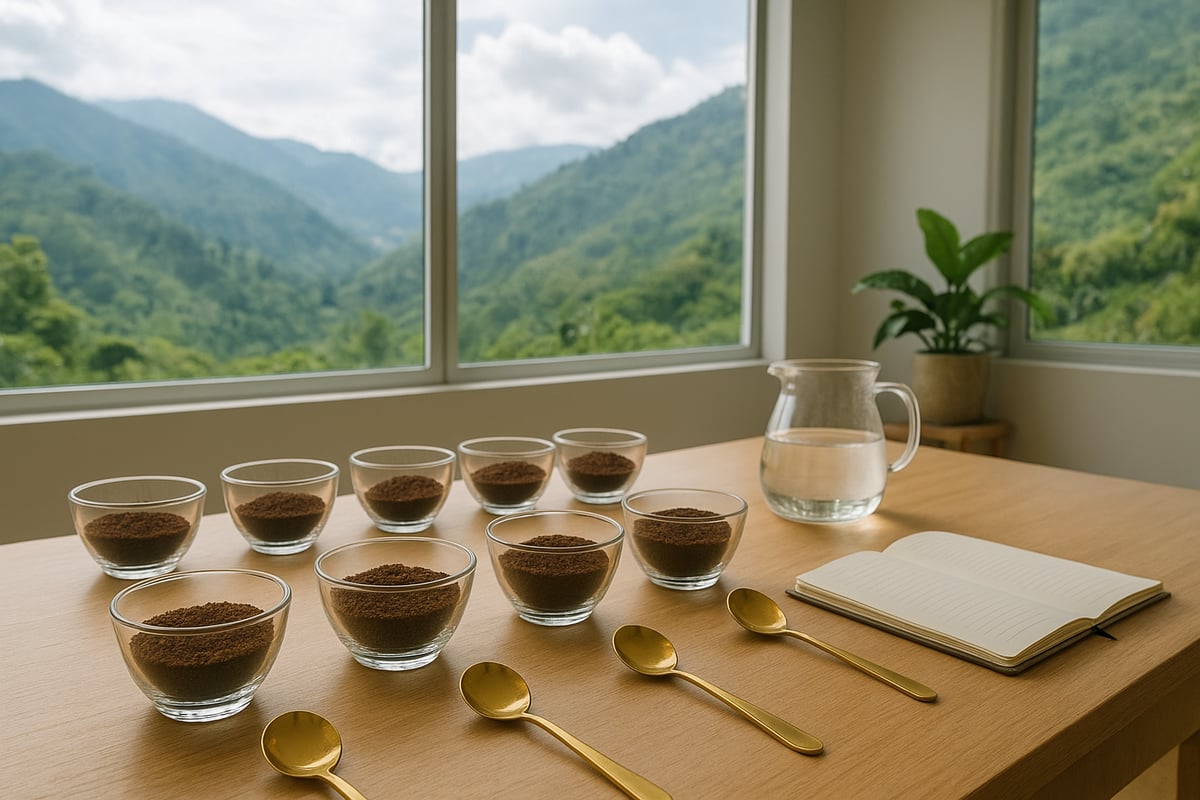
Grind your coffee just before the session. Use a burr grinder for a consistent medium-coarse grind, which helps preserve aroma and ensures even extraction. Gather clean cupping bowls, spoons, and filtered water. Water quality greatly impacts the flavors you perceive.
Set up your tasting in a neutral environment. Avoid strong smells, and choose a well-lit space. This clarity allows your senses to focus solely on the coffee. Whether you are at home or joining a guided session on a Colombian farm, these details elevate your colombia coffee tasting experience.
The Tasting Process: Chronological Steps
A professional colombia coffee tasting follows a series of deliberate steps. Here’s how to maximize your sensory discovery:
- Observe the Dry Aroma: Smell the freshly ground coffee. Note any immediate scents—floral, fruity, nutty, or chocolatey.
- Add Hot Water: Pour hot water (about 93°C) over the grounds. Allow the coffee to steep for four minutes.
- Break the Crust: Use a spoon to break the surface crust and inhale the wet aroma. This is often the most intense fragrance moment.
- Taste the Coffee: With your spoon, slurp a spoonful to aerate and spread the coffee across your palate. This helps you detect subtle flavors.
- Identify Key Attributes: Focus on acidity, sweetness, body, and aftertaste. Use the SCA cupping form for structured notes.
- Compare Across Regions: Taste different beans side by side. For example, a honey-processed Huila coffee often reveals vibrant fruit notes, while a washed Cauca delivers a cleaner, brighter profile. For more insights into Huila’s unique characteristics, visit the Huila region coffee guide.
Sample Tasting Table:
| Attribute | Huila (Honey) | Cauca (Washed) |
|---|---|---|
| Aroma | Red fruit, floral | Citrus, jasmine |
| Acidity | Bright, juicy | Crisp, sparkling |
| Body | Medium, syrupy | Light, clean |
| Aftertaste | Sweet, lingering | Refreshing |
Engage all your senses during each step. This methodical process is the heart of colombia coffee tasting.
Recording and Interpreting Flavor Notes
Documenting your colombia coffee tasting experience sharpens your palate over time. Use a dedicated tasting journal or a digital template to track each coffee’s origin, process, and your sensory impressions.
Common Colombian descriptors include red fruit, panela, jasmine, chocolate, and citrus. For example, a rum barrel-aged Colombian coffee might present notes of caramel, oak, and dried fruit, creating a memorable tasting profile.
A structured approach to note-taking helps you identify patterns and preferences, deepening your appreciation for Colombia’s diverse coffees.
Avoiding Common Tasting Mistakes
Maximize your colombia coffee tasting success by steering clear of these frequent pitfalls:
- Eating strong foods or using scented lotions before tasting
- Rushing through the aroma evaluation
- Using stale beans or unfiltered water
- Not resetting your palate between samples (use water or plain crackers)
If you notice your senses dulling, take a break and recalibrate your palate. Mindful tasting ensures each cup reveals its true character.
Exploring Colombia’s Coffee Regions: Flavor Maps and Must-Try Beans
Colombia coffee tasting is an adventure through diverse landscapes and vibrant flavors. Each region offers its own signature profile, shaped by unique climates, altitudes, and traditions. Let’s journey through the most iconic coffee regions, discover must-try beans, and explore where you can taste these treasures at their source.
Regional Flavor Profiles
Colombia’s coffee regions are the heart of its flavor diversity. Whether you’re new to colombia coffee tasting or a seasoned explorer, understanding regional differences will elevate your palate. Here’s a breakdown of the most celebrated regions and their unique tastes:
| Region | Flavor Profile | Altitude (m) | Notable Notes |
|---|---|---|---|
| Huila | Bright acidity, floral, fruity | 1,200–2,000 | Red fruit, jasmine |
| Nariño | Citrusy, sweet, complex | 1,500–2,200 | Orange, honey, panela |
| Antioquia | Nutty, chocolatey, balanced | 1,200–1,800 | Cocoa, almond |
| Tolima | Herbal, caramel, medium body | 1,300–2,100 | Herbs, caramel, apple |
| Sierra Nevada | Earthy, spicy, microclimate-influenced | 900–1,700 | Spice, earth, cocoa |
For example, Huila coffees are known for their lively acidity and floral aromas, while Nariño offers a sweeter, citrus-driven cup. Antioquia’s beans deliver a comforting chocolate and nutty essence, perfect for those who prefer a classic profile. Tolima stands out with herbal undertones and smooth caramel, and Sierra Nevada surprises with earthy, spicy complexity thanks to its coastal microclimate.
A flavor map helps visualize these differences, making colombia coffee tasting a true sensory journey. Each sip from a new region reveals a different facet of Colombia’s coffee identity.
Must-Try Colombian Coffees in 2026
For anyone serious about colombia coffee tasting, 2026 is an exciting year. Award-winning farms and experimental micro-lots are setting new standards. The 2025 Cup of Excellence winners from Quindío and Cauca have garnered global acclaim for their fruit-forward, complex profiles.
Look out for limited releases using anaerobic, honey, and natural processing. These methods produce coffees bursting with tropical fruit, floral, or wine-like notes. For example, a honey-processed Huila lot might showcase vibrant red fruit and creamy sweetness, while a natural Nariño can surprise with berry and citrus layers.
Recent reports highlight a 23% increase in Colombian coffee production and a 16% rise in exports during 2024, reflecting the industry’s growth and the expanding variety available to consumers. You can read more about these trends in Colombian coffee production and export growth 2024.
Exploring these must-try beans is a chance to experience the cutting edge of colombia coffee tasting, where tradition meets innovation.
Coffee Tourism: Where to Taste at the Source
Colombia coffee tasting comes alive when you experience it at the source. Top destinations include Salento, nestled in the heart of the Coffee Triangle, Manizales with its panoramic mountain views, and Medellín, a hub for specialty cafes and urban tastings.
Guided tasting tours and farm stays offer hands-on learning, from picking cherries to mastering cupping techniques. In Bogotá, the Beyond Colombia Premium Coffee Tasting Experience gives visitors a curated flight of micro-lots, paired with local treats.
Coffee tourism supports local communities and deepens your appreciation for the craft behind every cup. Whether you’re wandering through lush plantations or savoring a brew in a bustling cafe, colombia coffee tasting is best when you’re immersed in the culture and landscape.
Sourcing and Brewing the Best Colombian Coffee at Home
Imagine bringing the vibrant spirit of colombia coffee tasting right into your kitchen. With the right beans, storage, brewing technique, and daily ritual, you can unlock the spectrum of Colombian flavors and elevate every cup.
How to Choose Quality Colombian Coffee Beans
Choosing the best beans is the foundation of an authentic colombia coffee tasting experience at home. Always look for specialty-grade Colombian coffee with clear origin details, such as the farm, region, and processing method. Labels should mention the roast date—freshness is crucial for capturing vibrant notes.
Single-origin and traceable lots offer more transparency and unique flavors compared to generic blends. Buying directly from reputable roasters or trusted online stores ensures you get beans at peak freshness. For a deeper dive, check out this guide on how to buy Colombian coffee beans, which shares expert tips for sourcing the finest beans.
Compare supermarket blends to specialty roasts using this table:
| Feature | Supermarket Blend | Specialty Roast |
|---|---|---|
| Origin Info | Rarely listed | Clearly labeled |
| Roast Date | Often missing | Always included |
| Flavor Profile | Generic | Unique, region-specific |
| Freshness | Variable | Guaranteed |
Prioritize freshness and transparency to get the most out of your colombia coffee tasting.
Storage and Freshness Tips
Proper storage safeguards the flavors that make colombia coffee tasting so memorable. Always keep your beans in an airtight container, away from light, heat, and moisture. Store them in a cool, dark place—never in the fridge or freezer, as temperature swings can cause condensation and spoil the beans.
Roasted coffee peaks in flavor within 10 to 30 days after roasting. Watch for signs of staleness, like dull aroma or flat taste. Using beans past their prime will undermine the complexity and clarity you seek in colombia coffee tasting.
Here are essential storage tips:
- Use opaque, airtight containers
- Store in a pantry or cupboard, not on the counter
- Buy smaller quantities more often for maximum freshness
Remember, even the best beans lose their spark if not stored correctly. Prioritizing freshness is key to every successful colombia coffee tasting at home.
Brewing Methods for Flavor Discovery
Brewing method can transform your colombia coffee tasting journey, revealing new layers in every cup. Pour-over brings out the clarity and bright acidity of Colombian beans, while French press highlights their body and sweetness. Aeropress and espresso offer other dimensions, each unlocking different notes.
Adjust your grind size and water temperature for each method. For pour-over, use a medium-fine grind and water around 93–96°C. For French press, choose a coarse grind and steep for four minutes. Experimenting with ratios and techniques helps you discover your favorite flavor expressions.
Try this simple comparison:
- Pour-over: Clean, vibrant, floral
- French press: Rich, full-bodied, chocolaty
- Aeropress: Versatile, fruit-forward, crisp
Dial in your recipes to match the bean’s profile and deepen your appreciation for colombia coffee tasting.
Building Your Own Coffee Ritual
Creating a daily ritual transforms colombia coffee tasting from a routine into an adventure. Start with a mindful moment: inhale the aroma, note the color, and savor the first sip. Pair your cup with Colombian treats like arequipe, buñuelos, or a piece of dark chocolate to amplify the experience.
Invite friends for a tasting session or join an online coffee community to share notes and discoveries. Use a journal to track flavors, brewing tweaks, and memorable cups. Over time, you’ll develop a refined palate and a deeper connection to Colombian coffee culture.
Your personalized ritual brings the essence of colombia coffee tasting to life, making every morning a celebration of flavor and craftsmanship.
Coffee Tasting in Colombia: FAQs and Pro Tips for 2026
Curious about what makes colombia coffee tasting so extraordinary in 2026? This FAQ dives into the latest trends, expert advice, and insider tips to help you savor every cup and experience the best of Colombia’s legendary coffee scene.
What makes Colombian coffee unique compared to other origins?
Colombian coffee stands out for its high-altitude cultivation, volcanic soils, and hand-picked harvests. The result is a cup known for balance, clarity, and vibrant acidity. Each region—Huila, Nariño, Antioquia—offers distinct flavor profiles, making colombia coffee tasting a journey across floral, fruity, and chocolatey notes.
How are climate change and sustainability shaping new flavors?
Colombian farmers are adapting to shifting weather by planting resilient varieties and experimenting with shade-grown techniques. These changes, along with a focus on sustainable farming, are creating exciting new flavors and preserving quality. According to the USDA Coffee Annual Report 2025, Colombia’s coffee sector is embracing eco-friendly practices and innovation to meet global demand.
Are there decaf or low-caffeine Colombian options with great taste?
Absolutely! Advances in decaffeination now preserve delicate flavors, so you can enjoy colombia coffee tasting even with decaf or low-caf beans. Look for specialty lots processed using natural methods for a cup that’s sweet, aromatic, and never flat.
How can I join a cupping session in Colombia as a tourist?
Many coffee farms and specialty cafes in Colombia offer guided cupping sessions. Book a tour in Salento, Manizales, or Medellín for a hands-on experience. These sessions walk you through the entire colombia coffee tasting process, from aroma evaluation to flavor note recording.
What are the best months for fresh harvests and tastings?
The main harvest season in Colombia runs from September to December, with a secondary "mitaca" harvest around May to June. For the freshest beans and vibrant flavors, plan your colombia coffee tasting during these periods. In 2024/25, Colombia celebrated its largest harvest in decades, according to Colombia's coffee production statistics 2024/25, so expect exceptional selections in 2026.
How do I distinguish between specialty and commercial Colombian coffees?
| Feature | Specialty Coffee | Commercial Coffee |
|---|---|---|
| Origin | Single region/farm | Mixed/unknown |
| Flavor | Distinct, vibrant, clear | Generic, muted |
| Traceability | Full (farm to cup) | Limited |
| Price | Higher, fair to farmers | Lower, commodity-based |
For true colombia coffee tasting, always check for roast date, origin details, and tasting notes.
Tips for developing a refined palate:
- Practice tasting different regions and processes.
- Keep a flavor journal for each colombia coffee tasting.
- Attend cuppings to learn from baristas and farmers.
- Take breaks between samples with water or plain crackers.
Expert Insight
"Colombian coffee is evolving, but our heart remains in every bean. The future is about sharing our stories, flavors, and traditions with the world."
— Alejandra, third-generation coffee farmer, Quindío
Colombia coffee tasting in 2026 is your passport to discovery. With curiosity, patience, and the right guidance, you’ll unlock a world of flavors and support a vibrant coffee culture that’s more exciting than ever.
As you explore Colombia's rich coffee traditions, tasting tips, and the passion behind every cup, remember that the real magic happens when you bring those flavors home. Imagine starting each day with coffee that’s as fresh and vibrant as the mountain air, roasted by people who treat every bean like a treasure. Why settle for bland, overpriced blends when you can enjoy authentic Colombian coffee at an unbeatable value Straight from the heart of Piracii’s mountains to your mug, it’s more than just a morning ritual—it’s an adventure you can taste. Get the Best Coffee at the Best Price Here


