


Imagine waking up in 2026 to a cup of coffee that tells a story in every sip. For enthusiasts and connoisseurs alike, arabica colombia has become the global benchmark for quality and flavor, admired from coffee shops in Bogotá to cafés in Paris.
What makes this origin so exceptional? In this article, we dive into the six powerful reasons why arabica colombia stands out above all others this year. From its lush mountain origins to cutting-edge innovations, you’ll see what truly sets it apart.
Colombia’s coffee legacy commands attention. Its unique growing conditions and dedication to excellence spark curiosity. Once you discover its unmatched taste and cultural richness, you’ll crave the experience for yourself. Ready to elevate your daily ritual? Let’s explore what makes this brew extraordinary.
The Legacy and Global Reputation of Arabica Colombia Coffee
Colombian coffee is renowned across the globe, but what truly sets arabica colombia apart is its enduring legacy and reputation. This section delves into how Colombia’s coffee journey became a worldwide standard for quality, culture, and innovation.
Historical Evolution and Global Recognition
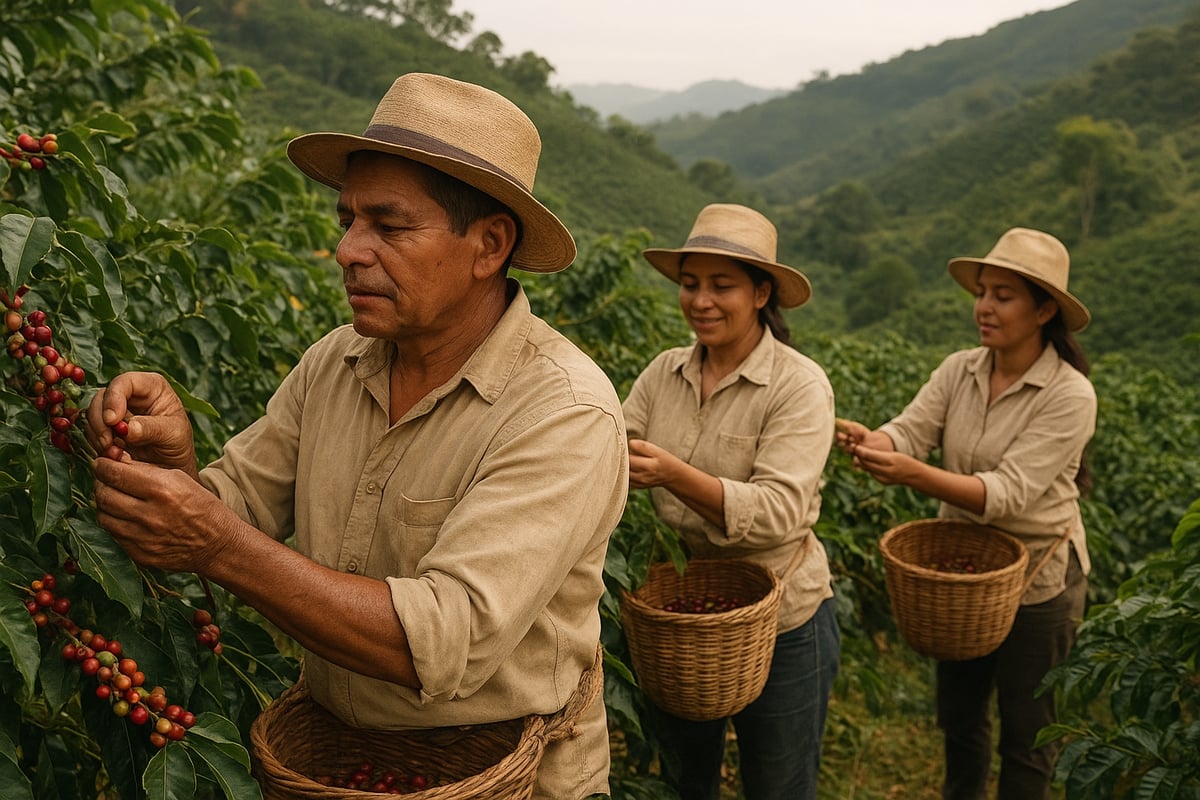
Arabica colombia has roots dating back to the early 19th century, when Arabica varieties first arrived and adapted to Colombia’s diverse climates. Over time, Colombia grew into the world’s third-largest coffee producer, thanks to its ideal geography and the dedication of local farmers. The "100% Colombian Coffee" label, backed by the National Federation of Coffee Growers (FNC), set a new global benchmark for quality assurance. International awards and recognition followed, with Colombian arabica celebrated in specialty markets worldwide. Today, more than 500,000 Colombian families rely on coffee, proving its profound national and global importance.
Commitment to Quality and Traceability
Quality is the cornerstone of arabica colombia. Rigorous controls by institutions like the FNC and Cenicafé ensure only the best beans make it to market. Traceability protocols now allow consumers to follow their coffee’s journey from farm to cup, especially with single-origin and micro-lot coffees. Certification programs such as Rainforest Alliance, Fair Trade, and Organic add extra layers of trust. Brands like Juan Valdez are known for their international quality assurance, while Colombian arabica regularly scores 83+ on SCA cupping tests. To explore how traceability shapes single-origin excellence, see Single Origin Coffee Colombia.
The Role of Coffee in Colombian Culture and Economy
Coffee is woven into the very fabric of Colombian identity. Arabica colombia is more than a crop; it’s a source of pride, supporting rural communities and infrastructure. Coffee festivals, tourism, and cultural celebrations highlight its role as a national icon. Knowledge about cultivation is passed down through generations, keeping traditions alive. The economic impact is significant, with annual exports valued at over $2.5 billion. Real stories abound—families sustaining their livelihoods through coffee, ensuring each cup reflects a legacy of resilience and passion.
The Influence of Specialty Coffee Movements
In recent years, specialty coffee shops and the third-wave movement have amplified the prestige of arabica colombia. The focus has shifted towards unique processing methods, distinct flavor profiles, and collaborations between farmers and international roasters. Direct-to-consumer and subscription models are thriving, making Colombian coffee more accessible than ever. Innovative brands like Pergamino and Amor Perfecto are leading the way, inspiring new global trends and elevating consumer expectations. These movements keep arabica colombia at the forefront of coffee culture, both at home and around the world.
6 Reasons Arabica Colombia Coffee Stands Out in 2026
Why does arabica colombia coffee remain the world’s favorite brew in 2026? It’s not just tradition—it’s a perfect storm of geography, innovation, and dedication to quality. Let’s dive into the six core reasons that make arabica colombia coffee more than just a drink, but a global phenomenon you’ll want to experience for yourself.
1. Unique Geography and Ideal Growing Conditions
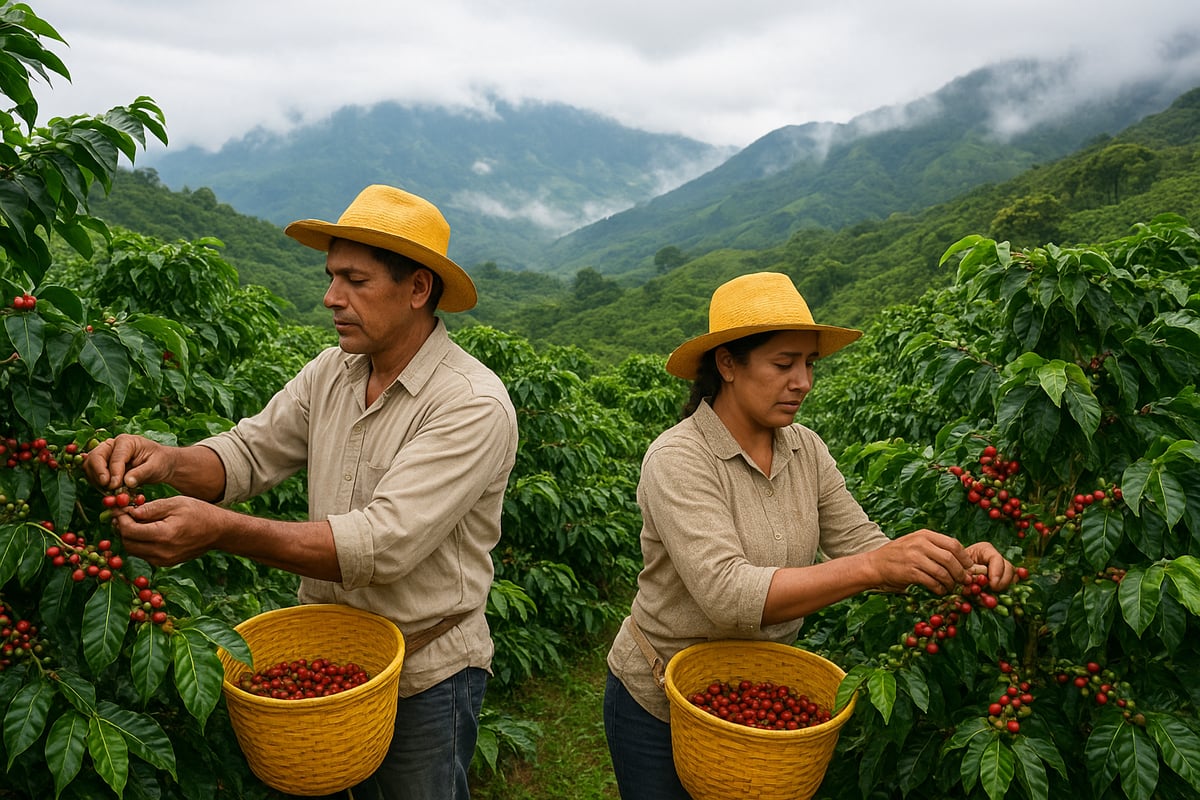
The secret to arabica colombia’s outstanding reputation starts with its geography. Colombia’s famed Coffee Triangle—Antioquia, Caldas, and Quindío—offers a landscape that seems tailor-made for producing exceptional coffee. Volcanic soils rich in minerals nurture the arabica colombia plants, infusing them with nutrients that directly enhance cup quality.
High-altitude farms, ranging from 1,200 to 2,300 meters above sea level, create an environment where arabica colombia beans mature slowly. This slow ripening intensifies the sugars within each bean, resulting in sweeter, more complex flavors. Consistent rainfall and ideal temperatures between 18 and 24°C allow for multiple harvests throughout the year, ensuring a steady supply of fresh arabica colombia beans.
Biodiversity also plays a crucial role. Many farms are shaded by native trees, supporting wildlife and promoting sustainable practices. The Andean microclimates—ranging from misty mountains to sun-drenched valleys—add layers of nuance to every cup. If you want to explore these regions further and understand how geography shapes the bean, check out this guide to Colombia coffee growing regions.
Colombia’s geography is not just a backdrop; it’s an active ingredient in every sip of arabica colombia. Year-round harvests mean you’re always enjoying coffee at its peak freshness, no matter where you are in the world. That’s the magic of this land—every element works together to create a coffee truly unlike any other.
2. Diverse Arabica Varieties and Innovation
Arabica colombia coffee stands apart because of its remarkable diversity and the relentless drive for innovation. Colombia is home to a stunning array of arabica varieties, each carefully selected and cultivated for specific attributes. You’ll find classics like Typica and Bourbon alongside homegrown stars such as Castillo, Tabi, and Maragogipe.
Why does this matter? Each variety brings unique flavors, aromas, and resilience to the table. For example, Castillo was bred specifically for resistance to coffee leaf rust—a devastating disease that once threatened the nation’s coffee industry. Thanks to ongoing research by Cenicafé and the National Federation of Coffee Growers (FNC), arabica colombia farmers now grow over 60% improved hybrids, combining robust yields with cup quality.
Innovation doesn’t stop at disease resistance. Scientists and farmers collaborate to develop beans that flourish in Colombia’s varied climates while meeting the evolving tastes of global consumers. Tabi, for instance, is gaining popularity for its balanced profile and adaptability to different altitudes.
This spirit of progress ensures that the arabica colombia experience is always evolving. Whether you prefer a delicate, floral cup or a bold, chocolatey brew, there’s a variety grown just for you. Diversity and ingenuity are at the heart of Colombia’s coffee story—and that’s something every coffee lover can taste.
3. Distinctive Flavor Profiles and Consistency
Ask any coffee connoisseur what sets arabica colombia apart, and you’ll hear about its signature flavors. Every cup is a masterclass in balance: caramel sweetness, bright acidity, and subtle floral or fruity notes. These flavors are not just marketing claims—they’re the product of meticulous farming, processing, and terroir.
Colombia’s regions impart distinct profiles. Huila’s beans, for example, are celebrated for their juicy fruit notes, while Nariño’s high elevations foster crisp acidity and floral aromas. Processing methods further influence the final cup. Washed, honey, and natural processes each draw out different facets of the arabica colombia bean’s character.
What truly sets arabica colombia apart is consistency. No matter the region or harvest, you can expect a reliably high-quality experience. Specialty lots from Quindío, for instance, often achieve scores above 85 in international cupping competitions, cementing Colombia’s status as a world leader.
This predictability is a direct result of rigorous standards and generational expertise. Every sip is a testament to Colombia’s commitment to delivering coffee that delights, time after time. When you choose arabica colombia, you’re not just hoping for a great cup—you’re guaranteed one.
4. Sustainable and Ethical Farming Practices
Sustainability isn’t just a buzzword for arabica colombia farmers—it’s a way of life. Shade-grown coffee, bird-friendly certifications, and organic farming practices are commonplace across the country. These methods not only protect the environment but also enhance the quality of each arabica colombia harvest.
Colombian growers are leaders in regenerative agriculture, focusing on soil health, water conservation, and biodiversity. Many farms hold certifications from Rainforest Alliance and Fair Trade, ensuring ethical working conditions and fair prices for growers. Over 43% of exported arabica colombia coffee now carries a sustainability certification, reflecting a nationwide commitment to doing what’s right.
Community development is just as important as environmental stewardship. Profits from arabica colombia help fund local schools, clinics, and infrastructure, strengthening rural communities and preserving cultural heritage. Farmers also participate in social programs that support education and health, ensuring a brighter future for the next generation.
By choosing arabica colombia, you’re not just enjoying an exceptional brew—you’re supporting a system that values people and the planet. That’s a difference you can truly taste and feel good about.
5. Innovation in Processing and Technology
The world of arabica colombia coffee is evolving at a breathtaking pace, thanks to cutting-edge processing techniques and technological advances. Producers are experimenting with methods like anaerobic fermentation and honey processing, unlocking new flavor dimensions in every batch.
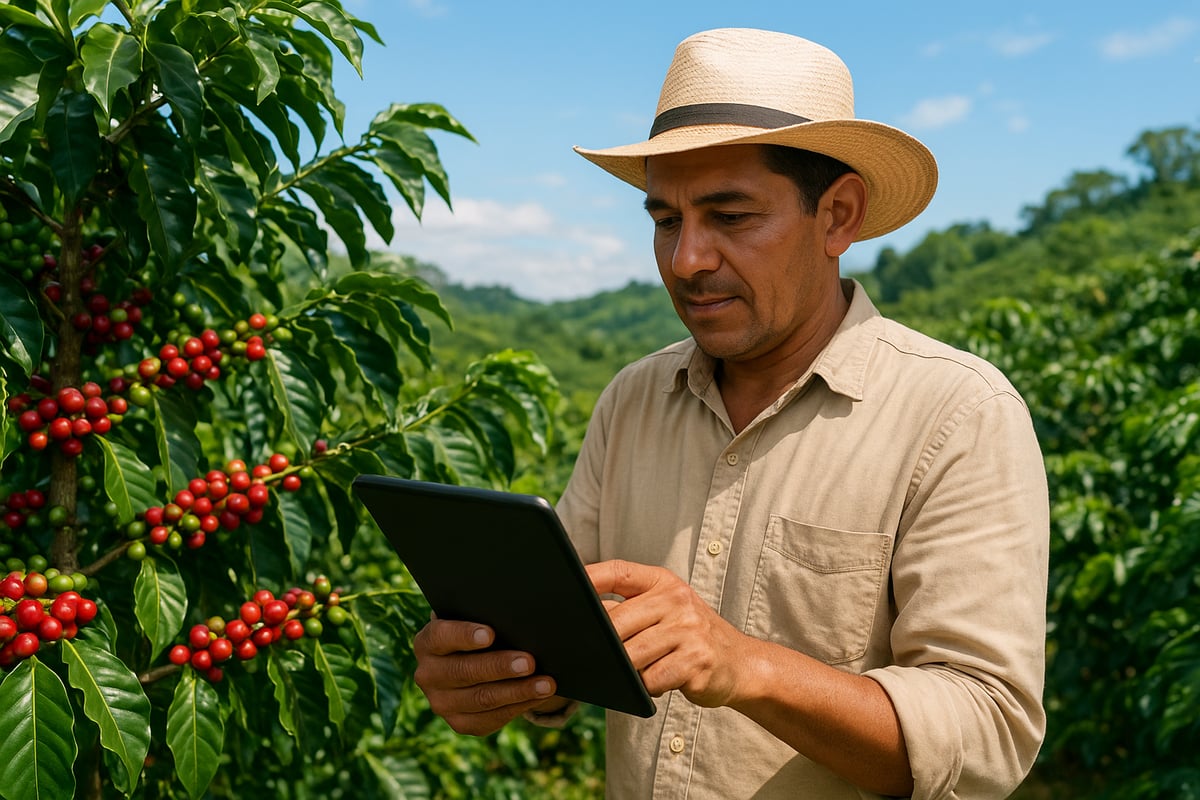
Technology plays a pivotal role in maintaining traceability and quality. Digital platforms connect farmers directly with buyers, while tools for real-time quality monitoring ensure only the best arabica colombia beans reach your cup. The rise of micro-lots and experimental lots has empowered growers to showcase unique, small-batch coffees that cater to adventurous palates.
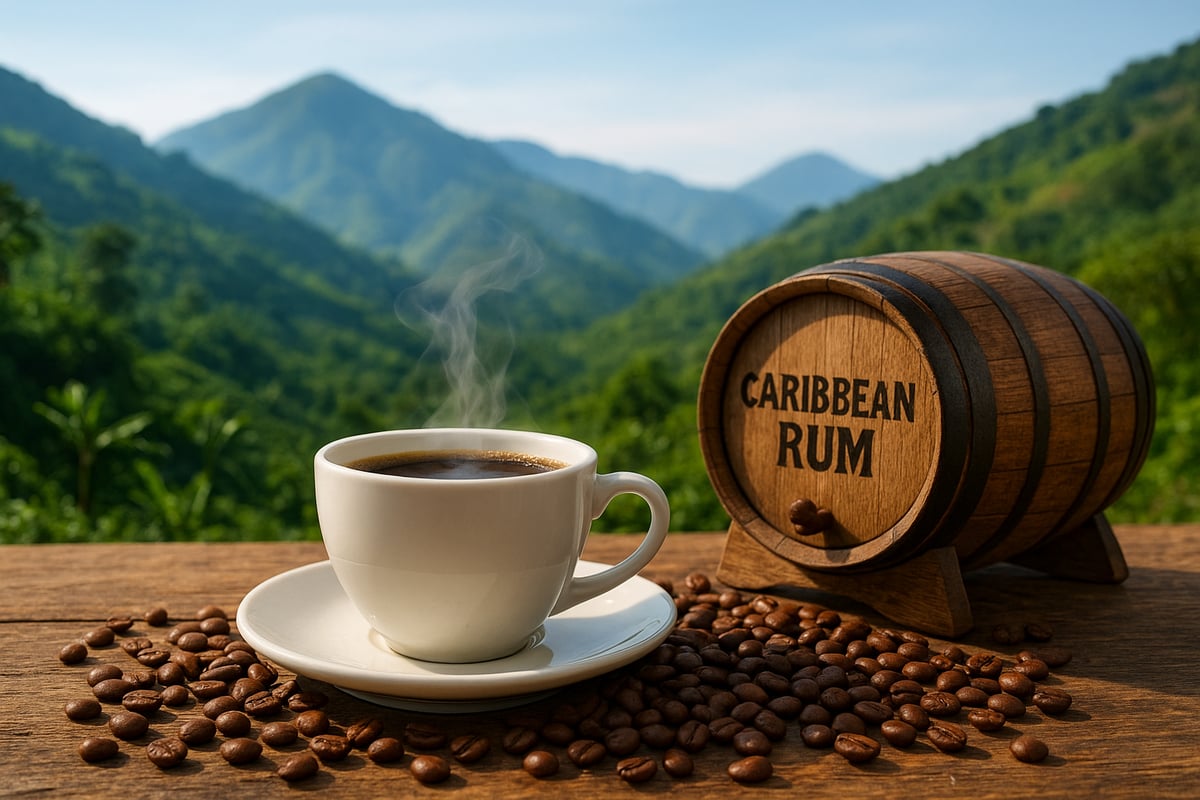
Fermentation and aging experiments, such as rum barrel-aged arabica colombia beans, have captivated specialty markets worldwide. These innovations diversify the flavor landscape and offer consumers an ever-expanding menu of options.
The numbers speak for themselves: between 2022 and 2026, specialty micro-lot exports grew by 25%. This surge is a testament to Colombia’s relentless drive to push the boundaries of what coffee can be. For those seeking fresh, exciting experiences, arabica colombia is leading the way.
6. Global Accessibility and Evolving Consumer Experience
In 2026, enjoying arabica colombia is easier than ever, no matter where you live. Colombian brands have expanded their reach, appearing in cafes and kitchens from Tokyo to Toronto. Online sales, subscription services, and direct-from-farm models bring freshly roasted arabica colombia beans straight to your door.
Origin-roasting and rapid shipping preserve the freshness and vibrancy of every cup. Coffee tourism is booming, with travelers flocking to Colombia for immersive experiences—tasting, touring, and even picking their own arabica colombia cherries.
Collaboration is also key to the global rise of arabica colombia. Renowned brands like Juan Valdez and Matiz Coffee partner with international roasters to deliver consistent quality worldwide. Direct-to-consumer sales have surged, growing by 30% from 2023 to 2026, making it easier than ever to savor the best of Colombia at home.
This evolution isn’t just about convenience—it’s about connecting you with the heart and soul of arabica colombia. Every cup is an invitation to join a global community of passionate coffee lovers, united by a love of quality and authenticity.
The Soul of Piracii Coffee: A Modern Colombian Coffee Adventure
Piracii Coffee brings the spirit of arabica colombia to life, blending adventure and authenticity in every cup. The brand works directly with passionate growers in Colombia’s renowned coffee triangle, ensuring every bean tells a story of heritage and quality.
What sets Piracii apart? Their signature Caribbean rum barrel-aged beans, pure organic ingredients, and limited-edition releases. Each batch is crafted for a smooth, balanced flavor profile that’s never bitter, capturing the essence of arabica colombia at its finest.
Piracii’s community thrives on connection, offering a VIP club, flash sales, and subscription savings to reward loyal coffee explorers. Freshness is guaranteed, with premium Colombian coffee shipped straight to your door at competitive prices.
Ready to taste the adventure? Piracii Coffee bridges Colombia’s mountain traditions and modern coffee lovers. Learn more about Piracii Coffee
The Future of Arabica Colombia Coffee: Trends and Outlook for 2026
The journey of arabica colombia coffee is far from over. As we look toward 2026, new waves of consumer expectations, environmental challenges, and technological advancements are shaping this iconic brew like never before. What lies ahead for arabica colombia, and how will these trends continue to elevate its reputation on the world stage?
Evolving Consumer Preferences and Specialty Coffee Demand
Coffee lovers are becoming more selective than ever. The demand for arabica colombia is shifting from generic blends to unique, traceable experiences. Modern consumers want to know the story behind their cup—who grew it, where it came from, and how it was processed.
Single-origin and micro-lot coffees are gaining momentum, with buyers seeking flavor profiles that express the diverse landscapes of Colombia. This is fueling a surge in specialty coffee shops and direct-to-consumer subscription services, making it easier than ever to enjoy arabica colombia at peak freshness.
International markets, especially in Asia and Europe, are showing increased appetite for rare Colombian varieties. This trend is expected to push the specialty segment to grow by 12% annually through 2026.
According to Specialty Coffee in Colombia, these evolving preferences are not just a fad—they are reshaping the entire market. As a result, producers are focusing even more on quality, transparency, and innovation to meet rising expectations.
With consumers willing to pay a premium for authenticity, arabica colombia is perfectly positioned to capture the hearts of coffee enthusiasts worldwide.
Climate Change and Resilience Strategies
The future of arabica colombia depends on how well it adapts to climate change. Rising temperatures and unpredictable rainfall threaten both yield and quality. Diseases like coffee leaf rust remain a significant risk, especially at lower elevations.
Colombia is meeting these challenges head-on. Farmers are embracing new, climate-resilient arabica colombia varieties such as Castillo and Tabi, bred for both disease resistance and cup quality. Agroforestry practices and biodiversity conservation are becoming the norm, providing shade, conserving water, and supporting soil health.
Education and support from institutions like the National Federation of Coffee Growers ensure smallholders have the tools to adapt. Over 75% of Colombian coffee farmers now use climate-smart techniques, a testament to the sector’s commitment to long-term sustainability.
As highlighted by Sustainable Practices in Colombia's Coffee Sector, Colombia’s approach is being watched as a model for other coffee-producing nations. The resilience of arabica colombia is not just about protecting livelihoods, but about securing the future of specialty coffee for generations to come.
By prioritizing sustainable farming, arabica colombia stands strong against environmental uncertainty.
The Role of Technology and Direct Trade
Technology is revolutionizing the arabica colombia supply chain. From blockchain-powered traceability to AI-driven crop management, digital tools are increasing transparency and efficiency at every step.
Farmers can now monitor weather patterns, soil health, and pest outbreaks in real time. This data-driven approach helps optimize harvests and maintain the high standards expected from arabica colombia. Digital traceability platforms also let consumers verify the journey of their beans, building trust and loyalty.
Direct trade is another game changer. Producers and roasters are bypassing traditional intermediaries, resulting in better prices for farmers and fresher coffee for consumers. With online marketplaces and rapid shipping, arabica colombia can reach global customers within days of roasting.
The impact is clear: direct trade coffee exports from Colombia have risen 40% since 2022. This surge in transparency and efficiency is setting new benchmarks for the industry.
As technology continues to advance, the connection between Colombian farmers and coffee lovers around the globe will only deepen, ensuring that arabica colombia remains at the forefront of quality and innovation.
After exploring what makes Arabica Colombia coffee truly stand out in 2026—the rich mountain heritage, the unmatched smoothness, and the care poured into every harvest—why not bring that adventure into your own cup? With Piracii Coffee, you’re not just sipping world-class beans; you’re joining a community that values authenticity, flavor, and a direct connection to Colombia’s finest growers. Plus, their 5-pound subscription means you get premium coffee for less than you’d pay at the store, shipped fresh to your door. If you’re ready for better mornings, Get the Best Coffee at the Best Price Here.


