


Imagine waking up in 2025 to the misty mountains and lush valleys where colombia and coffee are inseparable. The aroma of freshly brewed coffee drifts through vibrant towns, each cup telling a story of heritage and tradition.
This guide takes you deep into Colombia’s UNESCO-listed coffee landscapes, revealing the secrets behind its world-renowned brews. Uncover the history, explore charming towns, savor local cuisine, and immerse yourself in colorful festivals.
Ready to experience the true spirit of colombia and coffee? Let this guide inspire your ultimate Colombian coffee adventure in 2025.
The Heart of Colombian Coffee: History & Cultural Significance
Colombia and coffee share a bond that’s as rich as the soil in the country’s misty highlands. The story begins in the 18th century, when Jesuit priests brought the very first coffee seeds to Colombian soil. These seeds found fertile ground in the rugged lands of Antioquia, Caldas, and Quindío—what we now call the Coffee Triangle.
Early Colombian farmers quickly saw the potential of coffee. They adapted their methods to the steep Andean slopes, planting rows of coffee trees that would become the backbone of rural life. Family-run farms became the norm, with knowledge passed down through generations. Today, Colombia and coffee are nearly synonymous, as the nation stands proudly as the world’s third-largest coffee producer.
The Origins of Coffee in Colombia
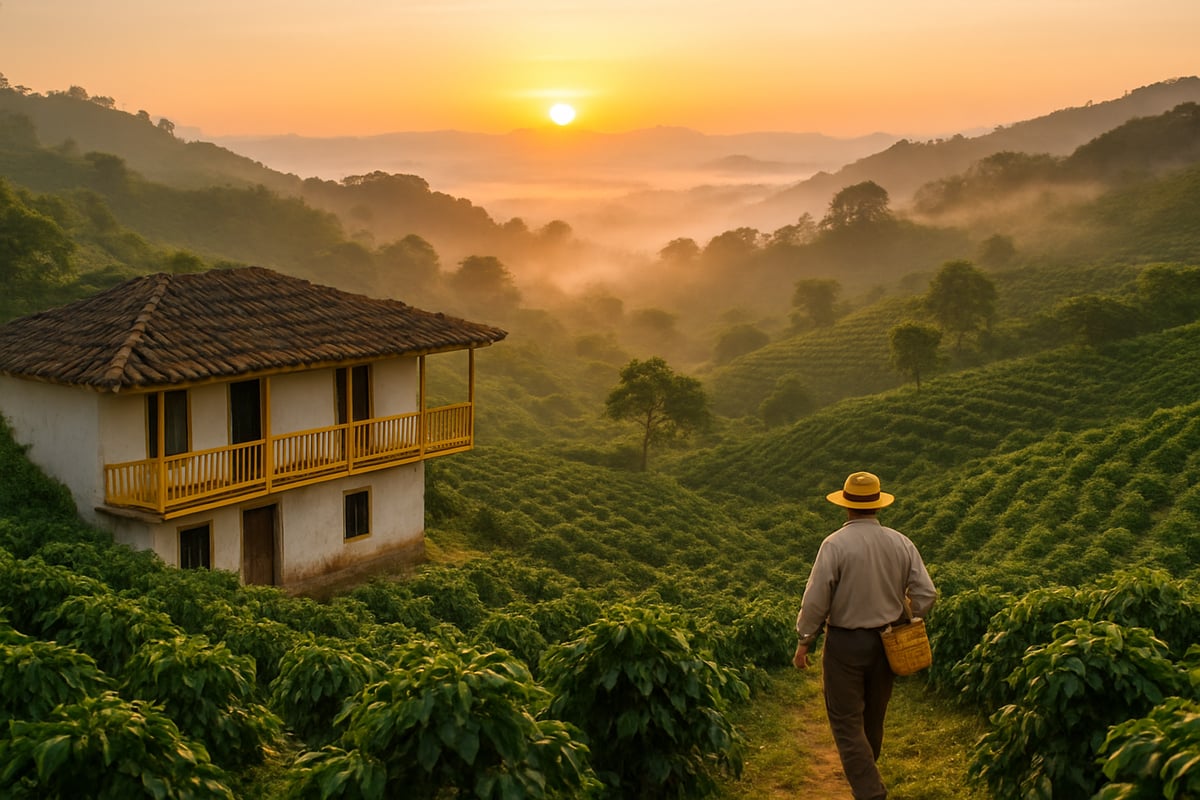
The deep roots of colombia and coffee stretch back to the 1700s, when Jesuit missionaries introduced the crop. Coffee quickly spread through the mountains, especially in the regions now known as Caldas, Quindío, and Antioquia. The unique geography—high altitude, volcanic soil, and lush rainfall—made the Coffee Triangle perfect for cultivation.
Small, family-run farms became the hallmark of the region, each one adapting to the slopes and valleys. Picture farmers carefully tending rows of coffee trees on steep hillsides, a tradition that continues today. This dedication has propelled Colombia and coffee to global fame, making the country a top-three producer worldwide.
Coffee as a Cultural Symbol and UNESCO Heritage
Colombia and coffee are woven into the social and cultural fabric of the nation. Coffee is more than a crop—it’s a symbol of hospitality, pride, and unity. The Coffee Cultural Landscape, recognized as a UNESCO Coffee Cultural Landscape, celebrates this blend of natural splendor and human ingenuity.
Travelers can witness this heritage in the region’s brightly painted towns, cobblestone streets, and colonial architecture. These communities, shaped by coffee traditions, foster a sense of belonging that connects generations. Truly, colombia and coffee go hand in hand, uniting people in a shared legacy.
The Coffee Economy: Past and Present
The economic story of colombia and coffee is one of transformation and resilience. Coffee once fueled large estates, but over time, the industry shifted toward smallholder, family-run farms. Today, over 500,000 Colombian families depend on coffee for their livelihoods.
Modern challenges test this legacy, from climate change to fluctuating global markets. Yet, innovative cooperative models and fair trade practices are helping farmers adapt. By supporting local growers, visitors and consumers can help sustain the vibrant economy that colombia and coffee have built together.
Coffee Rituals and Daily Life
Colombia and coffee are inseparable in daily life. A warm cup of “tinto”—black coffee—is offered as a gesture of hospitality at every gathering, from city cafes to rural kitchens. Traditional brewing methods, rich storytelling, and music create a tapestry of rituals that celebrate coffee’s place in society.
Festivals and parades often feature the legendary “chapolera” women, honoring their role in the harvest. These customs bridge the past and future, ensuring that colombia and coffee remain at the heart of community, celebration, and connection.
Exploring the Coffee Triangle: Regions, Towns, and Landscapes
Nestled in the heart of Colombia and coffee country, the Coffee Triangle is an enchanting region where emerald mountains, fertile valleys, and vibrant towns come together to tell the story of a world-renowned brew. This landscape is more than just a destination—it is a living, breathing mosaic of tradition, flavor, and breathtaking scenery. Let’s journey through the must-see regions, towns, and natural wonders that define the soul of Colombia and coffee.
The Coffee Triangle: Caldas, Quindío, and Risaralda
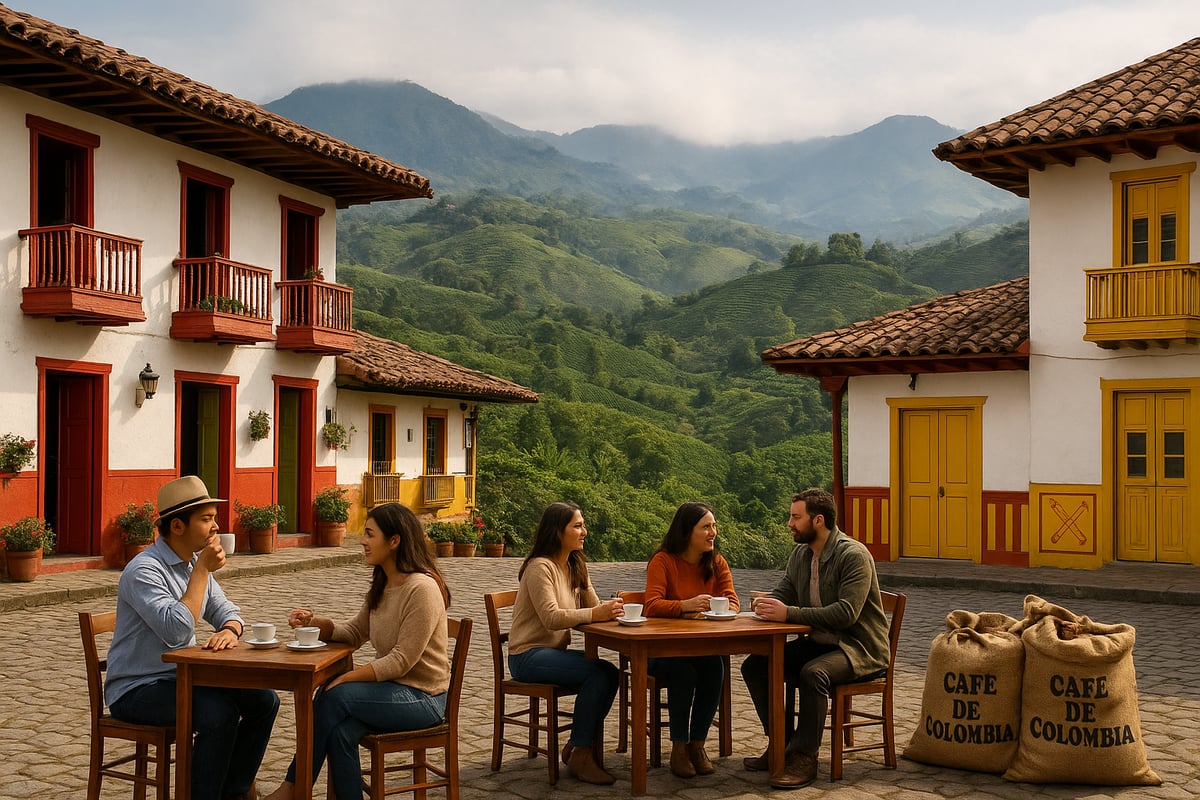
The Coffee Triangle forms the core of colombia and coffee heritage. It is made up of the departments of Caldas, Quindío, and Risaralda. Here, you’ll find dramatic Andean peaks, lush valleys, and volcanic soils that nurture some of the world’s finest beans.
Main cities like Manizales, Armenia, and Pereira are gateways to this rich landscape. Each city boasts a unique charm, from Manizales’ panoramic viewpoints to Armenia’s botanical gardens. A drive through the region reveals fertile valleys dotted with colorful wooden houses and endless rows of coffee plants.
Sustainable agriculture is a point of pride here, with local farmers blending tradition and innovation to protect both their crops and the environment. The result is a vibrant landscape where every corner celebrates the deep bond between colombia and coffee.
Must-Visit Towns: Salento, Filandia, and Salamina
Salento stands as the beating heart of colombia and coffee culture. Its cobbled streets, colonial balconies, and artisan markets invite travelers to slow down and savor every moment. Salento is also the gateway to the iconic Cocora Valley. Filandia enchants with its vibrant architecture and lively town square, where you can sample local treats and browse handmade crafts.
Salamina, less traveled but equally captivating, preserves its heritage in every detail—from ornate woodwork to time-honored traditions. These towns are living museums, where every cup of coffee tells a story. For a deeper look at the local scene, don’t miss the Coffee Experiences in Salento.
Natural Wonders: Valle de Cocora and Los Nevados National Park
Within the world of colombia and coffee, nature’s wonders are never far away. The Valle de Cocora is famous for its towering wax palms, which reach up to 60 meters into the sky. Hike or ride horseback through cloud forests filled with rare birds and the scent of fresh coffee blossoms.
Not far off, Los Nevados National Park offers snow-capped peaks and volcanic landscapes. Here, the Nevado del Ruiz volcano stands as a majestic sentinel. The park covers 582 square kilometers and is a haven for trekkers, photographers, and anyone seeking a taste of wild Colombia and coffee landscapes.
UNESCO Coffee Cultural Landscape
The UNESCO Coffee Cultural Landscape is a testament to the enduring legacy of colombia and coffee. This designation covers six distinct farming areas, each blending urban centers, coffee fields, and natural beauty.
You’ll notice unique architecture, including clay tile roofs and walls made of cob and cane—hallmarks of Antioquian colonization and Spanish influence. Urban and rural life coexist here, creating a sustainable, productive landscape that honors both people and nature. This region truly embodies the harmony of tradition and progress found in colombia and coffee.
Botanical Gardens, Hot Springs, and Birdwatching
Eco-adventures abound in colombia and coffee country. The Quindío Botanical Garden showcases native flora and a vibrant butterfly house, perfect for nature lovers. In Santa Rosa de Cabal, relax in famous thermal springs surrounded by rainforest and mountain vistas.
Birdwatchers rejoice: Colombia is home to over 1,900 species, and the coffee region is a hotspot for sightings like the Andean cock-of-the-rock. Whether you’re hiking, soaking, or spotting rare birds, each experience deepens your connection to colombia and coffee’s natural splendor.
Local Gastronomy and Culinary Traditions
Exploring colombia and coffee is also a culinary journey. “Paisa” cuisine delights with hearty dishes like sancocho (stew), trout with patacón, tamal, and parva (bakery treats). Spanish colonial and indigenous influences blend in every bite.
Many dishes are paired with coffee-infused desserts and drinks, highlighting the region’s flavors. Sample Santarrosano chorizo or visit a local food festival for an authentic taste of the region. Gastronomy is yet another way colombia and coffee come together to create unforgettable memories.
Coffee Farm Experiences: From Bean to Cup
Step into the world of colombia and coffee, where every farm visit becomes a journey through history, tradition, and flavor. Whether you are a curious traveler or a true coffee lover, experiencing the process firsthand will deepen your appreciation for Colombia’s coffee legacy.
Visiting Traditional Coffee Fincas
Immerse yourself in the heart of colombia and coffee by touring working coffee fincas. Guided experiences often start with a walk through fields nestled on steep Andean hillsides, where you’ll see red coffee cherries ready for harvest. Families who have cultivated these lands for generations share their stories and techniques.
Typical finca tours include:
- Bean picking and sorting by hand
- Washing and drying the harvest under the sun
- Roasting demonstrations using traditional equipment
Staying overnight at a finca lets you wake to the aroma of fresh coffee and witness daily rituals up close. This intimate connection between visitors and farmers is what makes colombia and coffee culture so unforgettable.
Coffee Tasting and Cupping Rituals
No colombia and coffee adventure is complete without a tasting session. Locally known as “catación,” these guided rituals teach you to identify subtle notes, acidity, and aroma unique to each micro-region. Expert baristas and professional cuppers lead you through the process, explaining how altitude and volcanic soil shape distinctive flavors.
Tasting events at specialty fincas offer:
- Sample flights of single-origin beans
- Step-by-step cupping instructions
- Pairing insights with local treats
For a deeper dive into the wide range of flavors, explore Discover Colombian Coffee Varieties to learn how roast profiles and regional origins create such diversity in colombia and coffee.
Sustainable and Ethical Coffee Practices
Sustainability is woven into the fabric of colombia and coffee production. Many fincas now embrace organic methods, shade-grown cultivation, and fair trade models that empower smallholder farmers. These practices protect biodiversity and ensure better livelihoods for rural communities.
| Practice | Benefit |
|---|---|
| Shade-grown | Bird habitat, soil health |
| Organic farming | Fewer chemicals, cleaner cup |
| Fair trade | Fair wages, community support |
UNESCO recognition highlights the region’s commitment to environmental stewardship. Choosing certified tours and buying direct from ethical farms helps preserve colombia and coffee traditions for generations.
Coffee Festivals and Harvest Celebrations
The spirit of colombia and coffee comes alive during annual festivals and harvest celebrations. Events like the Fiestas de la Cosecha in Pereira and Fiestas Cuyabras in Armenia blend parades, music, and dance, honoring both the harvest and the people behind it.
Festival highlights include:
- “Reign of the Chapolera” pageants celebrating female coffee pickers
- Yipaos jeep parades showcasing vintage vehicles loaded with coffee sacks
- Coffee-themed competitions and tasting events
Thousands of visitors flock to these gatherings each year, eager to experience the passion and pride that define colombia and coffee culture.
The Soul of Piracii Coffee: A Modern Coffee Adventure
Meet Piracii Coffee, a brand redefining colombia and coffee for modern explorers. Sourced directly from Colombian farms, Piracii’s beans are organically grown and aged in rum barrels for a smooth, unique flavor profile. Every cup reflects generations of expertise and a commitment to ethical sourcing.
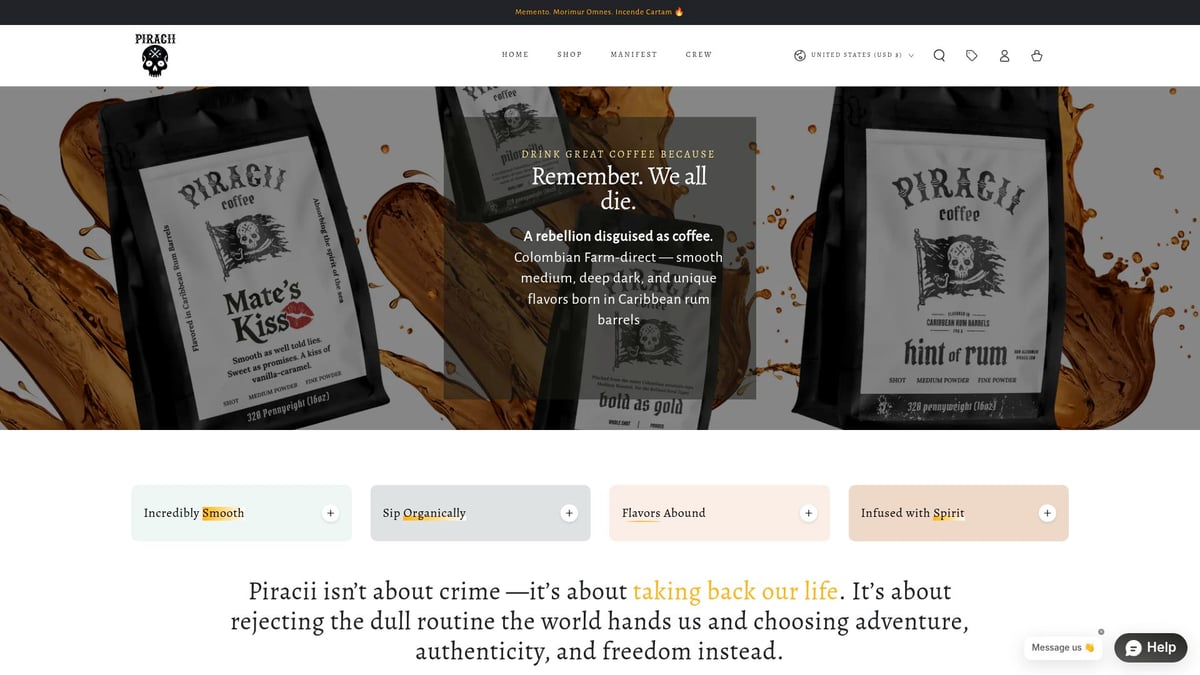
Piracii honors tradition while embracing adventure, connecting you with the people and landscapes behind every bean. Ready to taste the next chapter of colombia and coffee? Discover Piracii’s blends and join a movement that celebrates both heritage and innovation.
Annual Events, Festivals, and Local Traditions in 2025
Colombia and coffee are inseparable when it comes to celebration. If you’re dreaming of vibrant parades, traditional music, and unforgettable cultural moments, 2025 is set to be a spectacular year. The coffee region comes alive with festivities that blend history, community, and the rich aroma of coffee into every experience.
Major Coffee Region Festivals and Events
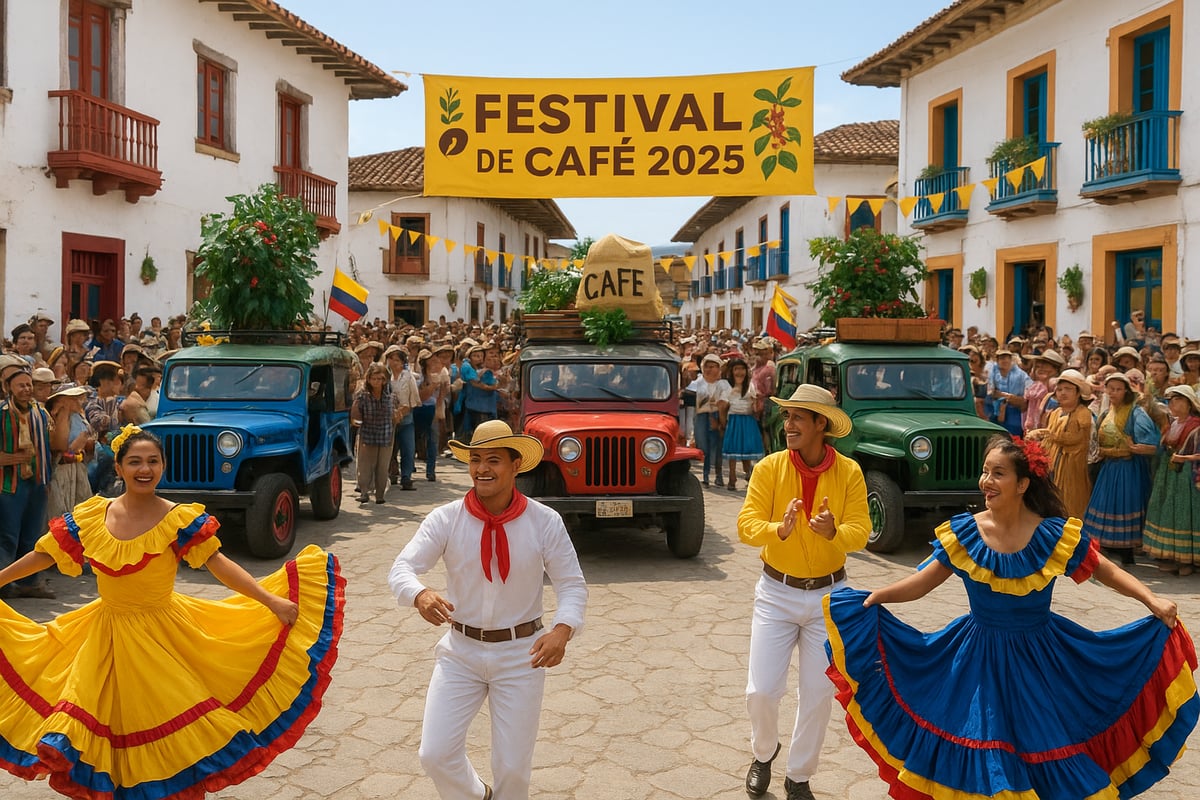
Every year, the heart of colombia and coffee beats strongest during its grand festivals. The Fiestas de la Cosecha in Pereira draws thousands with August harvest parades, live music, and bustling food fairs. In Dosquebradas, the Fiestas del Progreso fill the streets with sports, gastronomy, and colorful floats.
Santa Rosa de Cabal’s Festival of the Araucarias features fireworks, dance, and lively culinary contests. Jeep parades and traditional music competitions are highlights, offering a window into the deep-rooted connection between colombia and coffee.
- Fiestas de la Cosecha (Pereira): Harvest parades, concerts
- Fiestas del Progreso (Dosquebradas): Sports, gastronomy
- Festival of the Araucarias (Santa Rosa de Cabal): Fireworks, culinary events
These events are timed with the coffee harvest, making each visit a true celebration of Colombia’s coffee heritage.
Unique Local Celebrations and Cultural Experiences
Beyond the big festivals, colombia and coffee culture thrive in local celebrations. The Carnival of the Devil in Riosucio is a biennial spectacle of vibrant costumes and dramatic performances, drawing visitors from all over. Aguadas hosts the National Festival of the Hall, spotlighting folk dances, music, and beloved local dishes.
Armenia’s Fiestas Cuyabras honors the city’s founding with dance duets and the crowning of the Chapolera queen, a symbol of coffee tradition. In Quimbaya, lantern-lit streets on December 7-8 create a magical atmosphere that celebrates both community and the spirit of colombia and coffee.
These unique experiences let you step right into the stories and traditions that make the region unforgettable.
Coffee-Inspired Art, Music, and Handicrafts
The soul of colombia and coffee shines through its art, music, and crafts. Traditional bambuco and pasillo melodies fill the air during festivals, while peasant songs reflect the daily life of coffee growers. Artisan markets in towns like Salento and Filandia showcase coffee bag crafts, woodwork, and ceramics inspired by the region’s landscapes.
Public murals tell the story of coffee’s journey, from harvest to cup. Discover more about the cultural roots of these traditions in Colombia Coffee Culture and Heritage. Art in the coffee region is not just decoration, it’s a living tribute to generations who have shaped colombia and coffee culture.
2025 Calendar and Planning Tips for Festival-Goers
To make the most of your colombia and coffee adventure, plan your trip around these key 2025 events:
| Festival/Event | Location | Projected Dates |
|---|---|---|
| Fiestas de la Cosecha | Pereira | August 15-25, 2025 |
| Fiestas del Progreso | Dosquebradas | September 2025 |
| Festival of the Araucarias | Santa Rosa de Cabal | October 2025 |
| Lantern Nights | Quimbaya | December 7-8, 2025 |
Book accommodations and tours early, especially during peak festival seasons. Combine Cocora Valley hikes with festival days for a true immersion in colombia and coffee culture. Festivals are busiest during harvest and holiday periods, so plan ahead for the most authentic experience.
Essential Travel Guide: Planning Your 2025 Colombian Coffee Adventure
Dreaming of exploring the heart of colombia and coffee in 2025? This essential travel guide will help you plan an unforgettable journey through Colombia’s legendary coffee region. Whether you’re drawn by lush landscapes, vibrant festivals, or flavorful brews, every detail matters. Let’s dive into the best times to visit, transportation, accommodations, safety tips, and insider advice for a truly immersive experience.
When to Visit: Weather, Seasons, and Best Times
Planning your trip around the rhythms of colombia and coffee ensures the most rewarding experience. The region enjoys pleasant temperatures year-round, typically 18 to 24°C (64 to 75°F). Rainy seasons arrive in April and October, turning the valleys lush and green, perfect for photography and coffee growth.
Peak festivals light up the calendar in August with harvest celebrations and in December with magical lantern displays. If you want to witness record-breaking harvests, consider visiting between October 2024 and September 2025, a period when Colombia's Record Coffee Harvest was celebrated. Time your visit to coincide with coffee blooming for extra color and local excitement.
How to Get There: Airports and Transportation
Accessing the world of colombia and coffee is easier than ever. The Coffee Triangle is served by three main airports: Manizales (MZL), Pereira (PEI), and Armenia (AXM). These airports offer direct flights from major Colombian cities, including Bogotá, Medellín, Cartagena, and Santa Marta.
For Quindío, El Edén International Airport is a convenient choice. Improved roads now connect towns across the region, making both public and private transport smooth and reliable. Arriving by air and continuing your journey by road lets you soak in the scenery right from the start.
Getting Around the Coffee Region
Navigating colombia and coffee country is an adventure in itself. Renting a car gives you flexibility to explore hidden valleys and scenic byways at your own pace. Roads are generally safe and well-marked, with plenty of breathtaking viewpoints along the way.
Public buses link all major towns, while “Willys” jeeps provide iconic, open-air rides to coffee farms and remote trailheads. For an immersive experience, join a guided jeep tour to reach the Cocora Valley or hop between picturesque villages. Using local transport is a fantastic way to connect with the daily rhythm of the region.
Accommodation Options: Where to Stay
When traveling through colombia and coffee, you’ll find unique accommodation to suit every taste. Boutique hotels in heritage towns like Salento, Filandia, and Salamina offer charming stays with colonial flair.
For authentic immersion, choose a rural finca or eco-lodge nestled among coffee fields. Many fincas provide guided coffee tours and farm-to-table meals. Hostels and guesthouses are available for budget-minded travelers. Book early if your visit coincides with major festivals to secure the best spots.
Safety Tips and Practical Advice
Safety is a top priority for visitors exploring colombia and coffee. The region has seen significant improvements in recent years, attracting more international travelers. Stay vigilant in crowded areas, avoid displaying valuables, and use registered taxis or transportation apps.
Carry only copies of important documents and keep your passport in a secure place. During festivals or busy periods, be mindful of pickpockets. By following these simple precautions, you’ll enjoy a worry-free adventure through Colombia’s coffee heartland.
Sustainable and Responsible Tourism
Supporting local communities is at the core of responsible travel in colombia and coffee. Choose ethical tours that benefit farmers and prioritize eco-friendly activities like birdwatching, hiking, or visiting nature reserves.
Respect local customs and environmental regulations, such as staying on marked trails and minimizing waste. Many coffee tours are certified for sustainability, ensuring your visit helps preserve both culture and nature. Thoughtful choices ensure future generations can experience this magical region.
Insider Tips: Making the Most of Your Coffee Journey
To truly connect with colombia and coffee, embrace local culture and traditions. Learning a few Spanish phrases opens doors and deepens your interactions. Participate in hands-on workshops, from barista classes to traditional cooking lessons.
Venture beyond the main towns to discover off-the-beaten-path gems and sunrise hikes. For coffee lovers, explore the unique flavors and stories behind Single-Origin Colombian Coffee Insights to deepen your appreciation. Every personal encounter, from a welcoming finca owner to a passionate barista, adds a memorable layer to your journey.
After soaking up the magic of Colombia’s coffee heartland and learning how each cup holds the warmth of its people and land, why not bring that tradition into your own daily ritual? You don’t have to wait for your next adventure to taste authenticity—Piracii Coffee delivers the mountain-fresh flavor and soulful craftsmanship of Colombian farms right to your door. With our direct-from-the-source beans and unbeatable subscription prices, you can experience the richness and story behind every sip, just like you would in Salento or Quindío. Ready to make your mornings extraordinary?
Get the Best Coffee at the Best Price Here


