


Imagine the rich aroma of freshly brewed coffee swirling through your kitchen, instantly transporting you to the lush mountains of Colombia. That experience can be yours every morning, and this guide is here to show you how.
Colombia coffee beans are celebrated worldwide for their vibrant flavors, deep heritage, and unmatched quality. Whether you’re a seasoned coffee aficionado or just starting to explore, understanding these beans opens a world of taste and tradition.
In this guide, you’ll uncover:
- The story behind Colombia’s iconic coffee regions
- Unique bean varieties and their flavor profiles
- Smart tips for buying and storing beans
- Step-by-step brewing techniques for café-quality results
Ready to elevate your daily cup? Dive in and discover expert insights that will help you savor Colombian coffee like never before.
The Legacy of Colombian Coffee: History & Global Reputation
Imagine the story behind each cup of colombia coffee beans—a journey that began over two centuries ago and continues to shape the world’s love for this iconic brew. The legacy of Colombian coffee runs deep, influencing rural communities, global markets, and your morning ritual. Let’s explore how history, geography, and innovation combine to make colombia coffee beans a symbol of quality and tradition.
The Roots of Colombian Coffee Culture
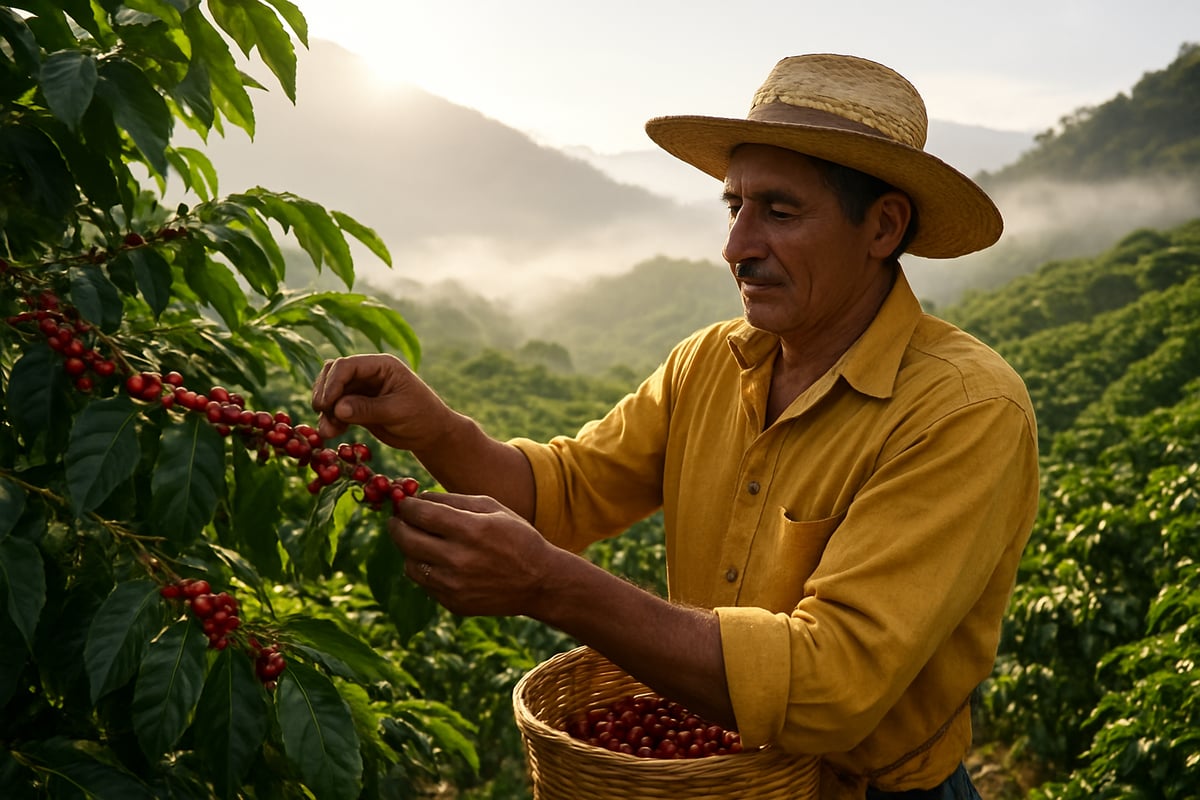
Colombia coffee beans have an origin story rooted in the early 1800s, when coffee first arrived on Colombian soil. Smallholder farmers quickly adopted the crop, weaving it into the fabric of rural life. Over the decades, coffee cultivation became central to Colombia’s economy, fostering the growth of vibrant farming communities.
Generational knowledge is a hallmark of colombia coffee beans production. Family-owned micro-lots, passed down through generations, ensure time-tested practices and meticulous attention to detail. The National Federation of Coffee Growers, founded in 1927, plays a crucial role in maintaining quality standards and supporting farmers.
One remarkable example of coffee’s social impact is seen in Cauca, where former FARC members have transitioned from conflict to cultivating colombia coffee beans after the 2016 peace treaty. This shift has brought new hope and stability to the region.
Quick Facts Table
| Statistic | Data |
|---|---|
| Global production share | ~12% |
| Major producers by rank | 3rd (after Brazil, Vietnam) |
| Number of coffee families (Cauca) | 93,000 |
Colombia coffee beans are more than a crop—they are a testament to resilience, community, and tradition.
Why Colombian Coffee Is World-Famous
What sets colombia coffee beans apart from the rest of the world? It starts with the land. The Andes mountains, rich volcanic soils, and ideal climate create a unique environment that nurtures exceptional beans. Only the highest-quality beans, strictly grown between 1,200 and 2,200 meters above sea level, earn the Colombia name.
The washed processing method, combined with sun-drying, brings clarity and sweetness to every cup. This attention to detail has made colombia coffee beans synonymous with quality and versatility, whether enjoyed as a single origin or blended with others.
The “Juan Valdez” marketing campaign further elevated Colombia’s global reputation, making the country’s coffee instantly recognizable. Today, Medellín Supremo is often compared to Jamaica Blue Mountain for its excellence and balance.
Colombia coffee beans consistently deliver a smooth, balanced cup. Their adaptability makes them a favorite for coffee lovers and professionals alike, solidifying Colombia’s place as a coffee powerhouse.
Colombian Coffee in the 2026 Specialty Market
In 2026, the specialty coffee landscape is more dynamic than ever, and colombia coffee beans are at its forefront. The rise of micro-lots and single-origin offerings gives consumers the chance to explore unique regional flavors. Demand for ethical, traceable, and organic coffee is driving innovation among Colombian farmers.
Exciting new trends include rum barrel aging, experimental fermentations, and natural processing, all of which expand the flavor possibilities for colombia coffee beans. Colombia is also making waves in the specialty instant and espresso markets, with major brands like Starbucks Reserve featuring exclusive Colombian selections.
The scale of the industry is impressive: Over 95,000 hectares in Cauca alone are cultivated by 93,000 farming families. If you want to dive deeper into these emerging trends, check out this resource on Specialty Colombian coffee trends.
Colombia coffee beans continue to evolve, blending tradition and innovation to delight coffee lovers worldwide.
Colombian Coffee Regions & Their Distinctive Flavors
Imagine holding a steaming cup of coffee, the aroma hinting at tropical fruits, caramel, or cocoa. That sensory journey begins in Colombia’s diverse coffee regions, where geography, tradition, and climate combine to create some of the world’s most complex and beloved flavor profiles. Let’s explore the heartlands where colombia coffee beans are born and see how each region brings its own magic to your mug.
The Coffee Triangle: Antioquia, Caldas, Quindío
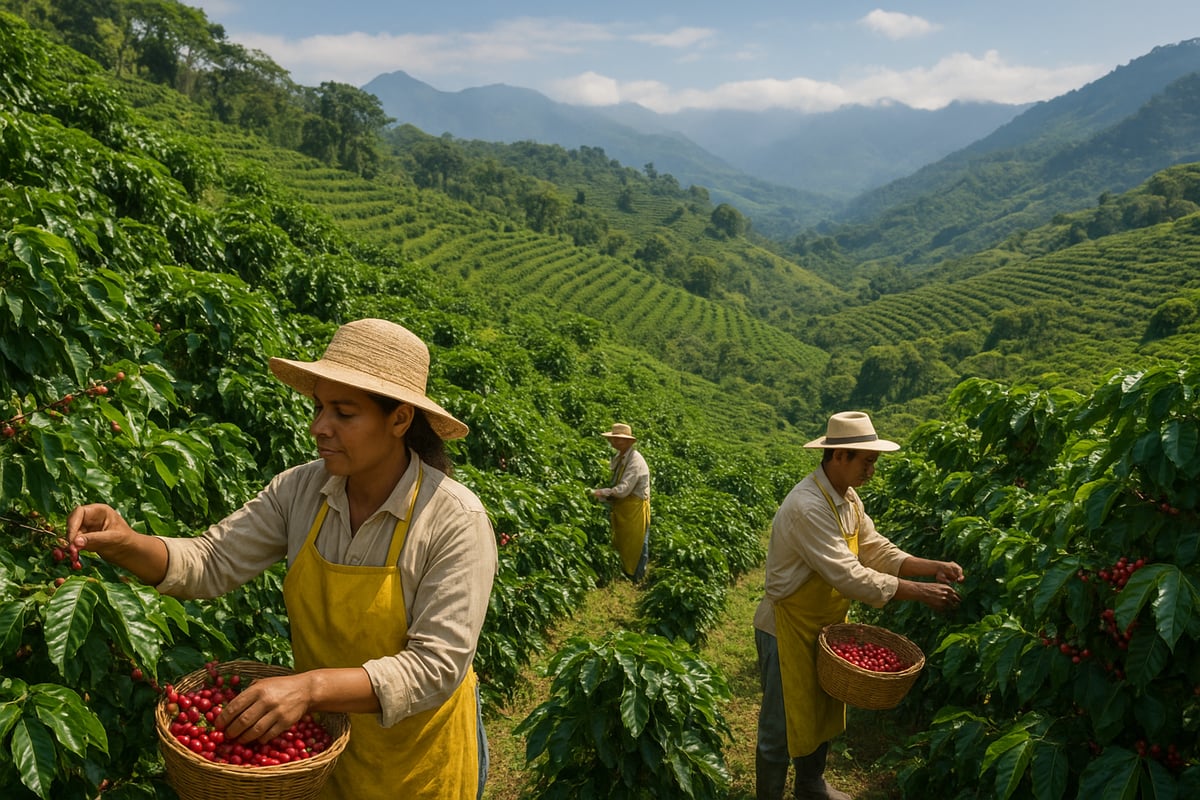
The “Eje Cafetero,” or Coffee Triangle, is the beating heart of Colombia’s coffee culture. Antioquia, Caldas, and Quindío offer rolling hills, ideal elevations (4,000 to 6,500 feet), and volcanic soils perfect for growing high-quality colombia coffee beans.
Here, the climate is mild and rainfall is abundant, supporting slow bean development for deeper flavors. Expect classic notes: sweetness, vibrant but balanced acidity, caramel, and cocoa. Many coffee experts praise “MAM” coffees — Medellín, Armenia, Manizales — for their reliability and versatility.
Notable towns:
- Manizales: Known for smooth, medium-bodied cups.
- Armenia: Delivers caramel and nutty flavors.
- Medellín: Renowned for balanced acidity and chocolate undertones.
The Coffee Triangle is also a UNESCO World Heritage site, celebrating its rich coffee tradition. If you want to dive deeper into the specific flavors and geography of these regions, check out this detailed guide on Colombian coffee regions and profiles.
Southern Gems: Huila, Nariño, Cauca
Head south and discover why so many specialty coffee lovers seek out these regions. Huila, Nariño, and Cauca are famous for their high elevations, unique microclimates, and innovation in processing colombia coffee beans.
- Huila: Fruity, floral, and citrus-bright, Huila’s beans have won countless awards. Farmers here focus on quality, with slow cherry maturation for pronounced acidity and sweetness.
- Nariño: With altitudes up to 2,200 meters, beans mature slowly, resulting in intense sweetness and complex aromas. Nariño’s climate even allows for two harvests per year.
- Cauca: Volcanic soils and increasing specialty micro-lots produce juicy acidity and vibrant, juicy cups. Notably, many former FARC members now farm coffee here, transforming conflict into hope.
These southern gems are leading Colombia’s specialty scene, offering adventurous drinkers a taste of the country’s future through unique processing and rare varietals.
Northern & Coastal Terroirs: Sierra Nevada, Santander, Tolima
Northern and coastal regions add even more diversity to the world of colombia coffee beans. Each terroir brings something new to the table, catering to every palate.
- Sierra Nevada de Santa Marta: Lush biodiversity and organic practices define this region. Coffee here is often grown by indigenous and women-led cooperatives, resulting in complex, earthy, and floral profiles.
- Santander: If you prefer a smooth, mild cup with lower acidity, Santander is your go-to. Expect nutty notes and a gentle finish.
- Tolima: An emerging powerhouse, Tolima’s beans are complex, vibrant, and sometimes spicy. This region is gaining international recognition for its specialty coffees.
These areas are proof that Colombian coffee is about more than just the mountains — it’s also about the people and unique microclimates that shape every bean.
How Region Influences Cup Profile
Why do colombia coffee beans taste so different from one region to the next? It’s all about the interplay of altitude, soil, rainfall, and farming tradition.
- Altitude: Higher elevations (like Huila or Nariño) mean slower bean development, leading to brighter acidity and complex fruit notes. Lower regions (like Santander) produce milder, nuttier profiles.
- Soil & Microclimate: Volcanic soils add mineral richness, while varying rainfall patterns shape sweetness and mouthfeel.
- Farming Practices: Traditional methods yield classic flavors, while innovative techniques (like natural processing) unlock new possibilities.
Take Antioquia’s chocolatey notes and compare them to Huila’s lively fruitiness — both are pure expressions of their landscapes. By learning about these regions, you’ll unlock the full potential of colombia coffee beans in your daily brew.
Bean Varieties & Processing Methods in Colombia
Colombia coffee beans are celebrated for their diversity and complexity, thanks to a wide array of Arabica varieties and innovative processing methods. Understanding each element will help you unlock the full potential of every cup.
Key Arabica Varieties: Typica, Bourbon, Caturra, Castillo, Tabi
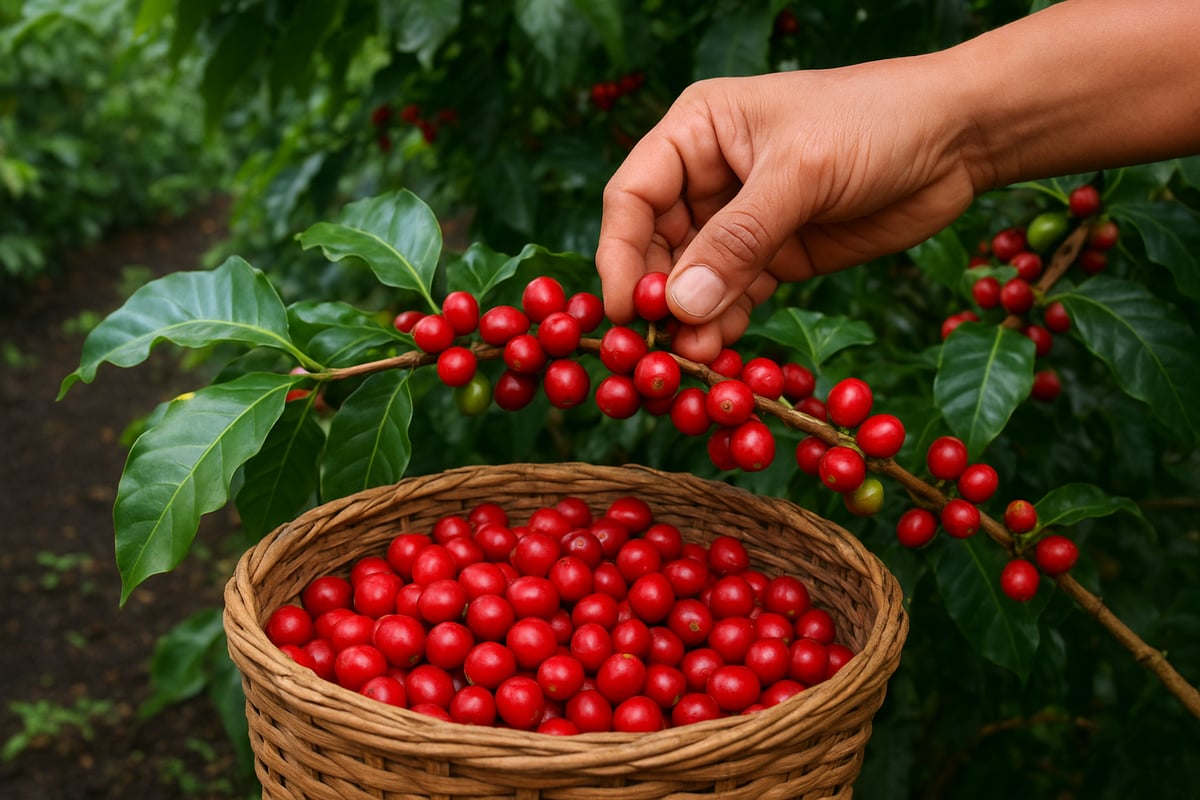
The backbone of Colombia coffee beans lies in its exceptional Arabica varieties. Each brings a unique flavor and resilience to the table.
| Variety | Flavor Profile | Notable Traits |
|---|---|---|
| Typica | Sweet, balanced | Classic, traditional |
| Bourbon | Rich, chocolatey | Subtle fruit notes |
| Caturra | Bright, citrusy | Higher yield, compact |
| Castillo | Clean, mild, floral | Disease-resistant |
| Tabi | Complex, fruity, spicy | Hybrid, robust |
Typica and Bourbon are revered for their classic cup profiles, offering sweet, balanced flavors that showcase the heritage of Colombia coffee beans. Caturra is a shorter plant, producing bright acidity and higher yields, making it a favorite among farmers. Castillo, a modern hybrid, was bred for disease resistance and is now praised for delivering high-quality, clean cups. Tabi, another innovative hybrid, is gaining attention for its resilience and layered, complex flavors.
For adventurous coffee fans, rare options like Maragogype (known for its oversized "elephant" beans and mild taste), Geisha, and Pink Bourbon are emerging. These unique beans are often sought after on specialty markets, and you can even buy Colombian coffee beans online to explore these limited releases from the comfort of your home.
Processing Methods: Washed, Natural, Honey, Experimental
Colombia coffee beans are processed using a range of methods, each influencing the final cup in fascinating ways.
- Washed (wet) process: The most traditional in Colombia, washed beans are pulped, fermented, and rinsed, resulting in a clean, bright, and consistent flavor.
- Natural process: Beans are dried inside the cherry, imparting bold fruity notes, heavier body, and pronounced sweetness. This method is gaining popularity with experimental producers.
- Honey process: Part of the mucilage is left on during drying, creating a balance of body and sweetness, often with syrupy mouthfeel.
- Experimental methods: Techniques like anaerobic fermentation and carbonic maceration introduce new flavor dimensions, such as floral, spicy, or wine-like notes.
Award-winning coffees often emerge from Nariño’s natural process lots and Huila’s honey-processed beans. These innovative approaches add excitement and variety to the world of Colombia coffee beans.
How Processing Affects Flavor
Processing methods have a direct impact on how colombia coffee beans taste in your cup.
- Washed: Highlights acidity and clarity, perfect for those who enjoy crisp, clean flavors.
- Natural: Boosts body, fruitiness, and sweetness, making the coffee taste more intense and jammy.
- Honey: Strikes a balance, enhancing sweetness and body while retaining some acidity.
- Experimental: Unlocks exotic notes, from floral to spicy or even wine-like undertones.
A side-by-side tasting of washed versus natural beans from the same Colombian farm can reveal how dramatically processing shapes flavor, body, and aroma.
Sustainability & Innovation in Colombian Coffee
Sustainability is now integral to the future of colombia coffee beans. Farmers are increasingly turning to organic and Rainforest Alliance certifications, while adopting water-saving and eco-friendly processing technologies.
Social initiatives are empowering women and indigenous communities, improving traceability, and promoting direct trade. These efforts not only support ethical sourcing but also help ensure that every cup of colombia coffee beans delivers both exceptional taste and a positive impact.
Regions like Cauca are leading the way, focusing on specialty, sustainable coffee production as a path to economic and social renewal after years of conflict.
Tasting Colombian Coffee: Flavor Profiles, Aroma & Body
Imagine lifting a steaming cup of freshly brewed colombia coffee beans and letting the aroma wash over you. You’re greeted by a bouquet that’s both sweet and inviting, hinting at the complexity within each sip. Colombian coffee is famous for its balance, clarity, and vibrant flavors, making every tasting experience an adventure for your senses.
Classic Colombian Flavor Notes
Colombia coffee beans are celebrated for their approachable yet complex profiles. Most Colombian coffees offer a medium body that feels smooth and satisfying on the palate. Expect a bright, citrus-like acidity that wakes up your taste buds without being overpowering.
Common flavor notes include:
- Sweet caramel and toffee
- Rich cocoa and subtle chocolate
- Nutty undertones, often reminiscent of hazelnuts or almonds
- Fruity highlights such as apple, red berries, or even tropical hints
The aroma is typically sweet and floral, sometimes with a gentle spice. For example, Medellín Supremo showcases a perfect balance of chocolate and fruit, while Bucaramanga is known for its gentle acidity and mellow, nutty finish. If you want a coffee that’s both familiar and nuanced, colombia coffee beans deliver every time.
Factors That Shape Flavor
Several factors work together to give colombia coffee beans their signature taste. Altitude is crucial—higher elevations in Colombia’s mountains create beans with brighter acidity and pronounced sweetness. Climate and rainfall patterns also affect bean development, impacting flavor depth and consistency.
Other key influences include:
- Soil composition, especially volcanic soils, which add mineral complexity
- Bean variety and ripeness at harvest, ensuring sweetness and balance
- Processing method (washed, natural, honey) and drying technique
- Roasting style and how recently the beans were roasted
For example, washed Huila beans tend to be lively and floral, while natural-processed Sierra Nevada coffees are fruitier and fuller-bodied. Each region and process leaves a unique stamp on colombia coffee beans, offering endless opportunities for discovery.
How to Taste & Evaluate Coffee Like a Pro
Tasting colombia coffee beans is an art that anyone can master with a few practical steps. Start with the cupping process: smell the freshly ground coffee, then add hot water and inhale the aroma. Slurp a spoonful to aerate the coffee and spread it across your palate, allowing you to detect acidity, sweetness, body, and aftertaste.
Use the SCA (Specialty Coffee Association) flavor wheel to identify specific notes and keep a tasting journal to record your impressions. This helps you track preferences and spot differences between regions or processing styles. For more on professional tasting techniques and brewing tips, check out these Colombian coffee brewing methods.
Try tasting award-winning micro-lots side by side. You’ll notice how subtle changes in origin or process can transform the experience of colombia coffee beans.
Pairing Colombian Coffee with Food
The vibrant flavors of colombia coffee beans make them perfect partners for a variety of foods. For coffees with fruity or floral notes, try pairing with berry desserts or tropical fruits to amplify the brightness. Chocolatey or nutty Colombian brews shine alongside dark chocolate, almond pastries, or even breakfast favorites like croissants.
Savory pairings can surprise you. Try mild cheeses, toasted nuts, or even spicy dishes to highlight different dimensions in your coffee. For example, a Nariño coffee with berry undertones pairs beautifully with a raspberry tart, elevating both the dessert and the cup.
Experimenting with food and colombia coffee beans is a delicious way to unlock new flavors and elevate your daily ritual.
Buying, Storing & Grinding Colombian Coffee Beans
Unlocking the full potential of colombia coffee beans starts with smart buying, proper storage, and precise grinding. Whether you’re a casual sipper or a home barista, getting these basics right is the foundation for every perfect cup.
How to Choose the Best Colombian Coffee in 2026
Choosing the right colombia coffee beans is all about freshness, origin, and roast. Look for whole beans instead of pre-ground for maximum aroma and flavor. Always check the roast date, not just the expiration date—beans are best within three to four weeks of roasting.
Read labels for details on region, variety, and processing. Each region brings unique flavors, so if you love fruity notes, try beans from Huila. For chocolatey richness, Antioquia or Caldas are top picks. Certifications like Organic, Fair Trade, or Rainforest Alliance ensure ethical sourcing and quality.
Remember, light roasts showcase origin flavors, while dark roasts offer bold, smoky notes. Experiment until you find your favorite.
Where to Buy Authentic Colombian Coffee
Finding the best colombia coffee beans means going beyond supermarket shelves. Specialty coffee shops and reputable online retailers offer fresher, higher-quality selections. Direct trade and subscription services connect you to farm-direct beans, often with detailed sourcing info.
Avoid mass-market brands that may sit for months before reaching you. Instead, buy from local roasters or trusted online stores for beans roasted to order. Compare buying from roasters versus big-box stores—roasters provide transparency and freshness, while supermarkets often stock older batches.
For insight on future bean availability, consider Colombia's Coffee Production Forecast 2025/2026, which highlights supply trends that may affect your buying choices.
Storing Beans for Maximum Freshness
To keep your colombia coffee beans at peak flavor, store them in airtight, opaque containers away from heat, light, and moisture. Avoid clear jars on the countertop—light degrades both taste and aroma. Place your beans in a cool, dark pantry.
Valve bags with one-way vents help release gases while protecting freshness. Only freeze beans if you must store them long-term, and always thaw before opening to avoid condensation. For daily use, grind only what you need just before brewing. This preserves the beans’ vibrant character.
Grinding for Your Brew Method
Grinding is where colombia coffee beans reveal their magic. Match grind size to your brew method: coarse for French press, medium for drip, fine for espresso. Burr grinders offer more uniform particles than blade grinders, leading to balanced extraction and better taste.
Adjust your grind finer for more strength, coarser for a lighter cup. If your coffee tastes bitter, try a coarser grind; if sour, go finer. Here’s a quick guide:
| Brew Method | Grind Size |
|---|---|
| French Press | Coarse |
| Drip | Medium |
| Espresso | Fine |
Dial in your grind for each batch, and you’ll taste the difference in every sip.
Brewing the Perfect Cup: Step-by-Step Colombian Coffee Methods
Brewing the perfect cup of coffee at home is an art that starts with the right tools and a mindful approach. When you use colombia coffee beans, every detail matters, from the water temperature to your grinder setting. Let’s break down how to extract the best flavors and aromas from your beans, allowing you to savor an authentic Colombian experience every morning.
Essential Equipment & Preparation
Before you brew, gather your essentials. Here’s what you need for brewing with colombia coffee beans:
- Fresh, filtered water (195–205°F)
- A burr grinder for even particle size
- Accurate digital scale
- Clean brewing equipment (V60, Chemex, French press, or espresso machine)
- Measuring spoon or scale for precise ratios
Start by measuring your beans. Aim for a 1:16 coffee-to-water ratio. Pre-wet your filter and warm your brewing vessel to maintain temperature. Grind your colombia coffee beans just before brewing, matching the grind size to your chosen method.
Brewing Methods: Step-by-Step Guides
Pour-Over (V60/Chemex)
Pour-over brings out the nuanced acidity and clarity of colombia coffee beans.
- Place filter in dripper, rinse with hot water, and discard rinse.
- Add medium-ground colombia coffee beans (about 25g for 400g water).
- Pour 50g water over grounds to bloom for 30 seconds.
- Slowly pour remaining water in spirals over 3–4 minutes.
- Let coffee drain, then serve immediately.
French Press
French press highlights the bold, chocolatey notes in colombia coffee beans.
- Add coarse-ground beans (30g per 450g water) to press.
- Pour in hot water, stir gently, and steep 4 minutes.
- Plunge slowly and pour out all coffee to avoid bitterness.
Espresso
Espresso amplifies the richness and body of colombia coffee beans.
- Use 18g finely ground beans in portafilter.
- Tamp evenly for level extraction.
- Extract 36g espresso in 25–30 seconds.
- Enjoy straight or as a base for milk drinks.
Cold Brew
Cold brew transforms colombia coffee beans into a sweet, smooth drink.
- Combine 100g coarse grounds with 800g cold water in a jar.
- Stir, cover, and steep 12–18 hours in the fridge.
- Strain with a fine filter or cheesecloth.
- Serve over ice, diluted to taste.
| Method | Grind Size | Ratio | Brew Time |
|---|---|---|---|
| Pour-Over | Medium | 1:16 | 3–4 min |
| French Press | Coarse | 1:15 | 4 min |
| Espresso | Fine | 1:2 | ~27 sec |
| Cold Brew | Coarse | 1:8 | 12–18 hr |
Tips for Brewing Excellence
Unlocking the full potential of colombia coffee beans requires attention to detail:
- Always use freshly roasted, freshly ground beans.
- Adjust grind size and brew time to tweak flavor.
- Clean your equipment after every use to avoid bitterness.
- Test your water temperature; too hot or too cold impacts extraction.
If your cup tastes sour, try a finer grind or longer brew. If it’s bitter, coarsen the grind or shorten extraction. Keep experimenting until your colombia coffee beans shine in every cup.
How to Highlight Regional Flavors
Showcasing the diverse profiles of colombia coffee beans is all about method and technique.
- Use pour-over for Huila beans to highlight floral acidity.
- French press suits Antioquia’s chocolatey, full-bodied beans.
- For delicate, fruity lots, lower brew temperature to accentuate florals.
- Pair your cup with foods that bring out the region’s notes, like berry desserts for Nariño.
By matching your brew style to the unique traits of your colombia coffee beans, you’ll experience the full spectrum of Colombian coffee, from vibrant acidity to deep, lingering sweetness.
Colombian Coffee Trends & Innovations for 2026
Colombia coffee beans are at the forefront of a dynamic shift in the specialty coffee world. As we look ahead to 2026, both tradition and innovation are shaping how producers, roasters, and coffee lovers engage with Colombia's most iconic export.
Specialty Coffee Movements in Colombia
Across Colombia, a new wave of specialty coffee producers is transforming the industry. Micro-lots and direct trade relationships are empowering small farmers to showcase their unique terroirs. Transparent traceability is now the norm, giving consumers a direct link to the origin of their colombia coffee beans.
Women-led and indigenous cooperatives, especially in regions like Sierra Nevada, are gaining global recognition. These groups are setting new standards for quality and ethical sourcing. The rise of such movements not only elevates cup quality but also drives social change within coffee-growing communities.
Flavor Innovations: Barrel Aging, Experimental Processing
Flavor exploration is pushing colombia coffee beans to exciting new heights. Producers are experimenting with rum and wine barrel aging, imparting subtle notes of spirits and oak to the final brew. Anaerobic and carbonic maceration fermentations are unlocking vibrant, unexpected flavors—think floral, spicy, and even wine-like profiles.
Natural infusions with vanilla, piloncillo, or tropical spices are also trending, offering adventurous options for coffee enthusiasts. Award-winning barrel-aged lots from Quindío highlight Colombia's creative spirit. These innovations ensure every cup tells a story of both place and process.
Sustainability & Ethical Sourcing
Sustainability is central to the future of colombia coffee beans. Farmers are adopting water-saving processing technologies and shifting to organic practices, reducing chemical inputs for a cleaner cup. Certifications such as Fair Trade and Rainforest Alliance are becoming more common, assuring buyers of both ethical and environmental responsibility.
Social impact initiatives are making a tangible difference, funding education, healthcare, and infrastructure in rural areas. In Cauca, a focus on post-conflict sustainable coffee is helping communities rebuild while protecting the land. These efforts resonate with consumers who want their coffee choices to matter.
Colombian Coffee in the Global Scene
Colombia coffee beans continue to shape third-wave coffee culture around the world. Their presence in international competitions and blends is growing, with many major brands choosing Colombian lots for flagship offerings. The country’s influence is bolstered by record-breaking harvests and strong export performance, as seen in the Colombian Coffee Harvest Hits 30-Year High.
Today, colombia coffee beans account for nearly 10% of the global supply, making them an essential part of the specialty coffee landscape. Their consistent quality, innovative processing, and ethical production ensure Colombia remains a powerhouse in the coffee world.
The Soul of Piracii Coffee: A Modern Colombian Coffee Experience
Imagine waking up to the aroma of freshly brewed colombia coffee beans, each cup telling a story of volcanic soil, lush mountains, and generations of expertise. Piracii Coffee brings this experience directly to your home, sourcing single-origin beans from Colombia’s renowned coffee triangle—Antioquia, Caldas, and Quindío. Here, every cherry is hand-picked at peak ripeness, preserving the human touch and tradition that define Colombian coffee culture. As Colombian Coffee Production Soars 23% in March 2025, it’s clear that the world’s demand for authentic, exceptional colombia coffee beans is stronger than ever.
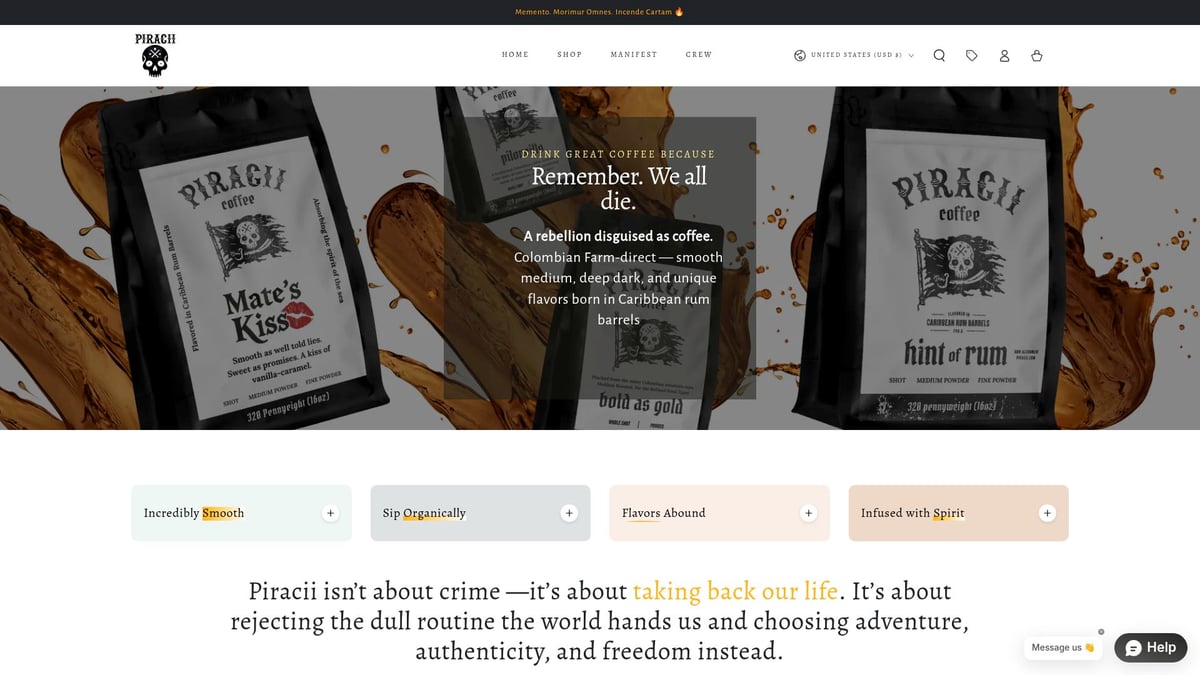
Piracii’s commitment goes beyond taste—it’s about ethical sourcing and community support. By working directly with Colombian farmers, Piracii ensures that every bag of colombia coffee beans empowers local families and preserves the rich agricultural heritage of Colombia. Flavor innovation is at the heart of Piracii’s approach, with unique offerings like Caribbean rum barrel-aged beans, natural vanilla, and piloncillo infusions. Choose between a deep, bold dark roast or a smooth, balanced medium roast, both crafted to highlight the pure, organic character of each bean. Every batch is free from chemicals, guaranteeing a clean, vibrant cup.
Ready to bring the adventure home? Piracii’s 5-pound subscription delivers unbeatable savings and freshness, making it easier than ever to enjoy the soul of colombia coffee beans every day. Each sip bridges the gap between mountain tradition and modern coffee lovers, inviting you to experience Colombia’s vibrant coffee legacy in every cup. Taste the difference, support ethical sourcing, and discover why Piracii is redefining what it means to savor Colombian coffee. Make every morning extraordinary—your journey starts with Piracii.
After exploring the rich heritage and incredible flavors that make Colombian coffee truly stand out, you deserve to taste the difference for yourself. Imagine waking up to beans that were hand-picked in the misty mountains, roasted fresh, and delivered straight to your door—at a price that beats your local grocery store. With Piracii, you’re not just getting coffee; you’re supporting generations of Colombian farmers and bringing a piece of their adventure into your morning ritual. Ready to elevate your daily cup with coffee that’s as bold and authentic as you are
Get the Best Coffee at the Best Price Here


