


Ready to uncover why the colombia coffee cup is a global icon? Colombia is the third-largest coffee producer in the world, yet each cup here tells a story as unique as the land itself.
Imagine the journey from lush, misty mountains straight to your mug. In 2025, you’ll witness the perfect blend of art, tradition, and innovation behind every sip.
This guide promises insider tips for selecting, tasting, and brewing the perfect cup. Whether you’re a curious traveler or a true coffee lover, you’ll learn how to elevate your daily ritual.
Dive in to explore Colombia’s coffee history, regional flavors, tasting secrets, brewing methods, vibrant café culture, and expert buying tips.
The Legacy of Colombian Coffee: History, Culture, and Global Reputation
Colombia’s coffee legacy is a story written across lush mountains and generations of passionate growers. The journey of the colombia coffee cup began in the late 1700s, when Jesuit priests first introduced coffee plants to the Colombian countryside. Within decades, coffee farms flourished in fertile valleys, and by the 19th century, Colombia was exporting beans worldwide. This rich origin story set the foundation for a coffee culture that is both deeply traditional and ever-evolving. To dive deeper into the fascinating beginnings, check out the Colombian coffee bean origins for a detailed exploration.
The heart of this legacy beats strongest in the legendary Coffee Triangle—Antioquia, Caldas, and Quindío. These regions boast ideal altitudes, volcanic soils, and a climate that produces beans with remarkable flavor balance. Here, the colombia coffee cup is more than a beverage; it’s a daily ritual shaped by unique microclimates and centuries-old traditions. Today, visitors can trace coffee’s journey from misty mountain slopes to bustling local cafés, experiencing firsthand the artistry behind every cup.
Coffee is woven into the fabric of Colombian identity. From early morning “tinto” shared on city streets to family gatherings in rural homes, the colombia coffee cup is a symbol of hospitality and pride. The industry also supports over half a million families and remains a cornerstone of the national economy. In 2023, Colombia produced 11.5 million 60-kilogram bags, reinforcing its role as a global coffee powerhouse.
Colombian coffee’s reputation is built on its signature smoothness, aromatic complexity, and bright, balanced acidity. This reputation has earned global acclaim, with the colombia coffee cup featured in specialty cafés from Tokyo to New York. The world took notice when UNESCO recognized the Coffee Cultural Landscape as a World Heritage site, celebrating the unique blend of natural beauty, farming heritage, and community spirit that defines Colombia’s coffee-growing heartland.
Innovation is shaping the future of the colombia coffee cup. Farmers are experimenting with new processing techniques, from honey methods to anaerobic fermentation, enhancing both sustainability and flavor. As we look to 2025, the fusion of tradition and innovation promises a vibrant, evolving coffee scene—one where each cup connects you to Colombia’s past and its exciting future.
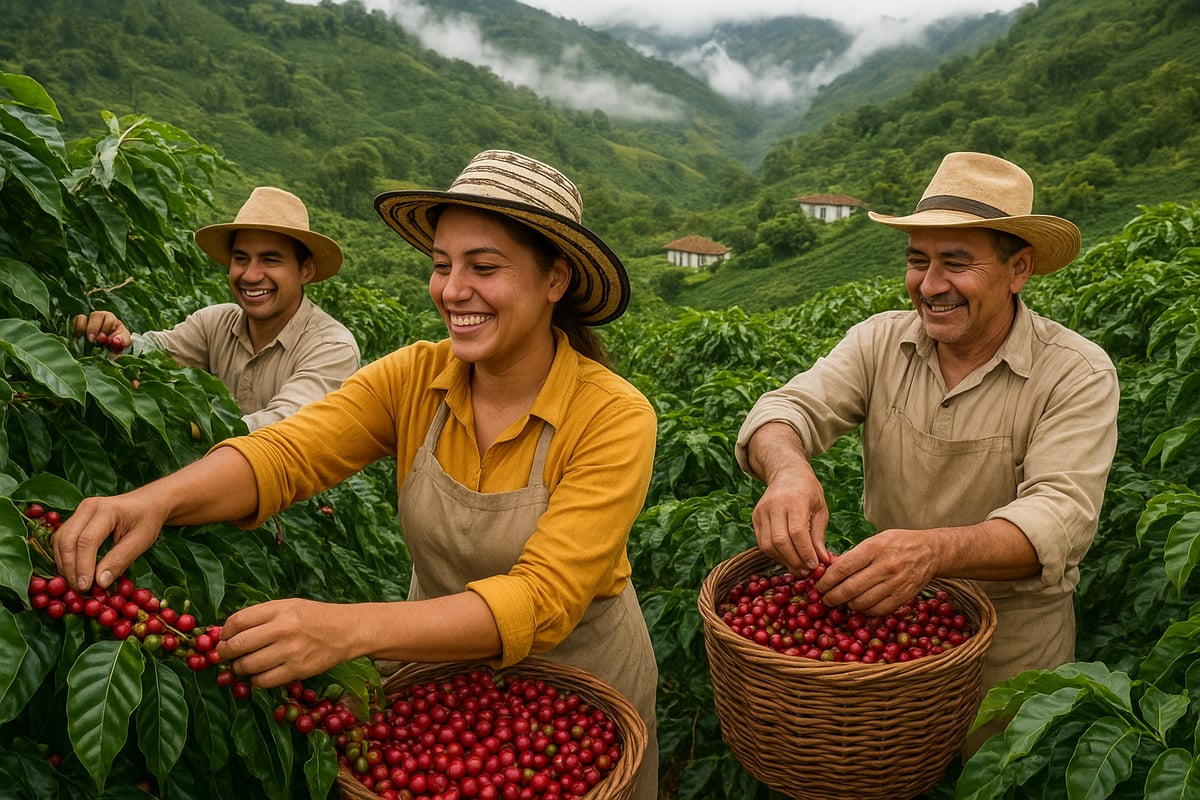
Colombian Coffee Cup Regions: Flavor Profiles and What Sets Them Apart
Colombia is a treasure trove for coffee lovers, offering a dazzling array of flavors from region to region. Each area’s landscape, altitude, and traditions create a distinct colombia coffee cup experience you simply can’t find elsewhere. Understanding these unique regions is the secret to tasting coffee like an insider in 2025.
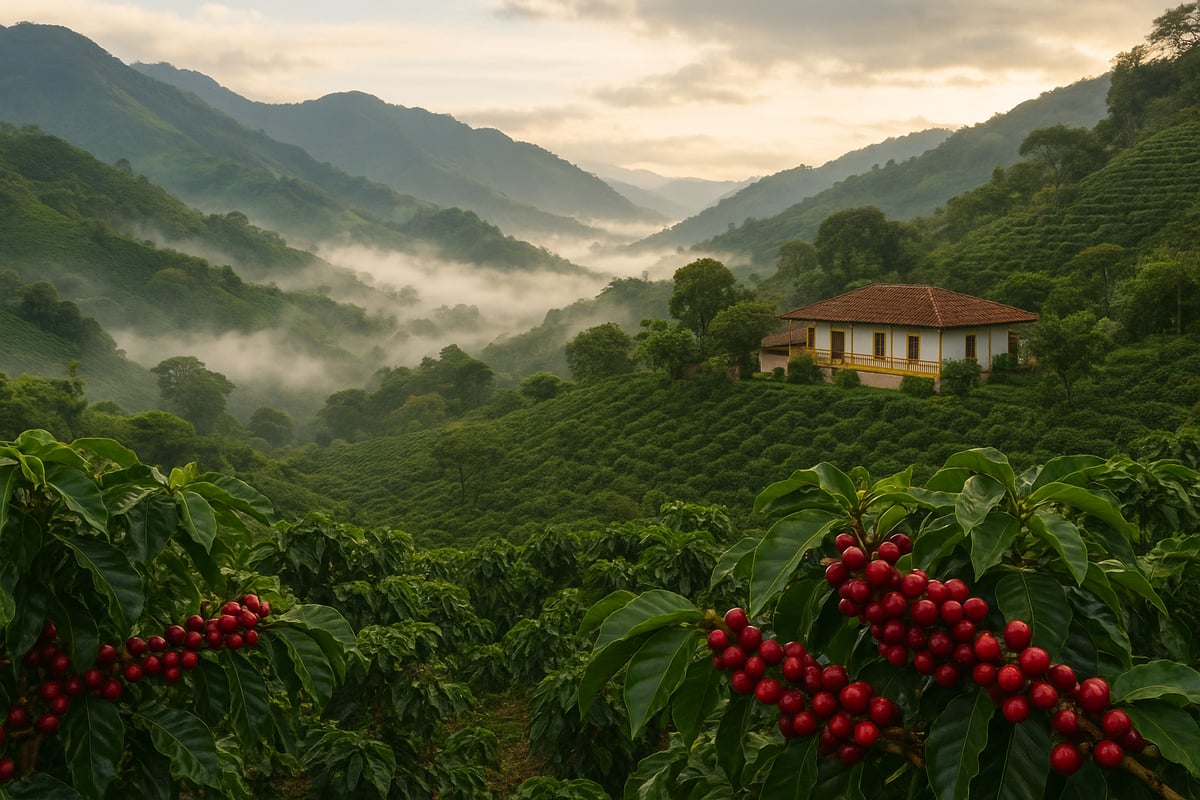
The Coffee Triangle: Antioquia, Caldas, Quindío
The heart of Colombia’s coffee legacy is the Coffee Triangle, formed by Antioquia, Caldas, and Quindío. These regions boast fertile volcanic soil and high altitudes, perfect for cultivating complex beans. The unique microclimates in this triangle influence every colombia coffee cup, giving it signature nutty, chocolatey flavors and a balanced acidity.
Farmers here use selective hand-picking to ensure only the ripest cherries are processed. Notable farms and cooperatives, like Café de Antioquia, are famous for caramel notes that shine in every cup. The region’s commitment to quality has led to increased focus on single-origin micro-lots in 2025, letting coffee lovers trace the story behind their brew.
Here’s a quick comparison of regional flavor notes:
| Region | Signature Flavors | Notable Example |
|---|---|---|
| Antioquia | Nutty, caramel | Café de Antioquia |
| Caldas | Chocolatey, mild | Caldas micro-lots |
| Quindío | Balanced acidity | Quindío cooperatives |
Every colombia coffee cup from the Triangle tells a story of tradition and innovation, making it a must-try for those seeking both heritage and modern excellence.
Beyond the Triangle: Nariño, Huila, Tolima, Sierra Nevada
Step outside the Triangle and you’ll discover even more diversity in your colombia coffee cup. Nariño, with its soaring altitudes, yields beans bursting with floral and citrusy notes. Huila, Colombia’s powerhouse, produces fruity, sweet, and aromatic cups that have won international cupping awards. In 2023, Huila contributed 18 percent of Colombia’s total coffee output, cementing its place as a leader in quality and quantity.
Tolima offers spicy undertones and a medium body, great for those who crave something different in their colombia coffee cup. Sierra Nevada is unique for its indigenous farming traditions and organic practices, producing cups with earthy, clean flavors. Visiting these regions, you’ll find farms blending ancient wisdom with sustainable innovation.
Notable highlights:
- Nariño: High altitude, floral/citrus, complex acidity.
- Huila: Fruity, award-winning, sweet finish.
- Tolima: Spicy notes, medium body, robust character.
- Sierra Nevada: Indigenous heritage, organic, earthy flavors.
Each region’s climate and tradition shape the final taste, so every colombia coffee cup becomes a passport to Colombia’s rich diversity.
Specialty and Experimental Regions
Colombia’s coffee frontier is always expanding, thanks to specialty and experimental regions like Cauca, Santander, and emerging micro-zones. These areas are renowned for unique processing methods, including honey, natural, and anaerobic fermentation, which coax out tropical fruit, winey, and herbal notes in the colombia coffee cup.
Cauca’s experimental lots have grabbed attention in 2024 competitions, drawing praise for their bold flavors and innovative profiles. Sustainability is a key focus here, with many farms embracing eco-friendly techniques and ethical practices. The rise of women-led farms adds another layer of richness to the colombia coffee cup story.
Want to dive deeper? Explore this Single-origin Colombian coffee guide to understand how micro-regions and processing shape every sip.
Emerging trends for 2025:
- Increased transparency and traceability
- More micro-lot releases
- Focus on women-led and sustainable farms
Every colombia coffee cup from these regions is an invitation to taste the future of coffee, crafted with passion and purpose.
The Colombian Coffee Cup Experience: How to Taste Like a Local
Colombian coffee is not just a drink, it is an experience that awakens your senses and connects you to a vibrant tradition. To truly appreciate a colombia coffee cup, you need to go beyond sipping. Discover how locals savor every detail, from the aroma to the final lingering note. If you want to elevate your daily ritual, this section will show you the authentic way to taste and enjoy coffee like a Colombian.
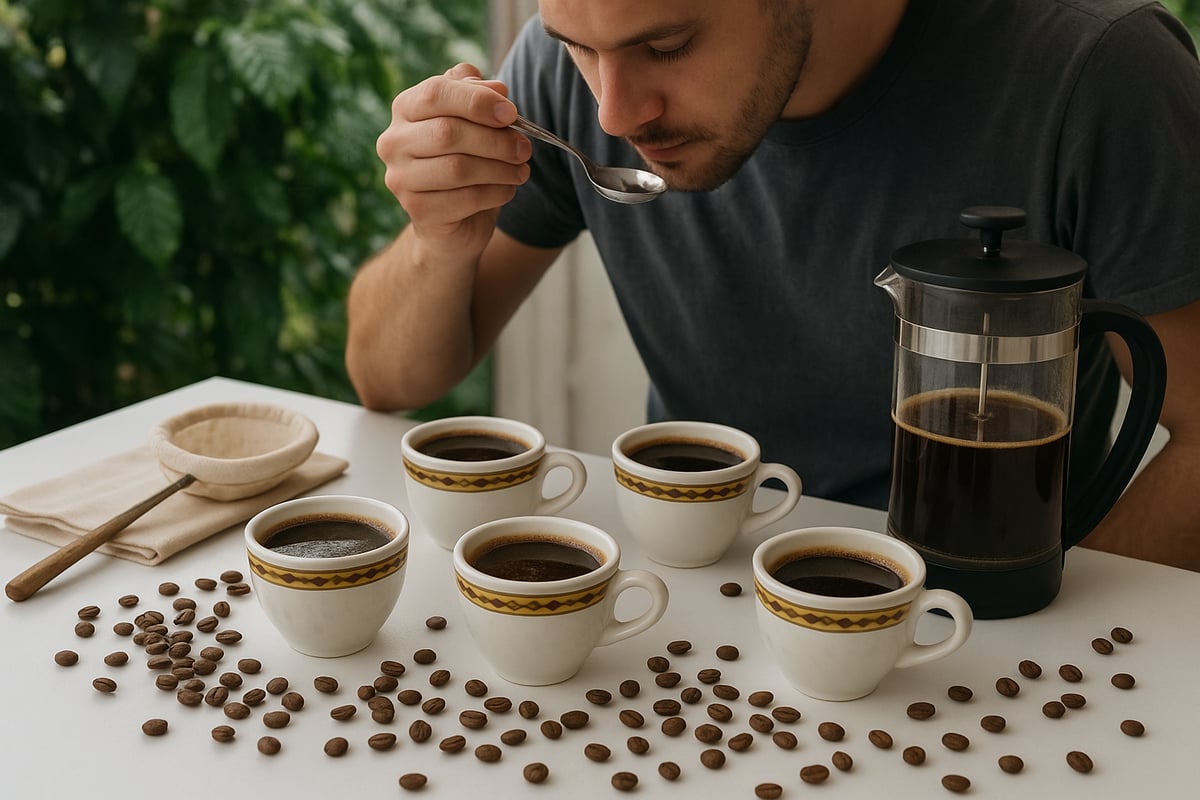
Understanding the "Taza" (Cup)
In Colombia, a "taza" is much more than a vessel. It symbolizes connection, warmth, and tradition. The classic colombia coffee cup is often served black, letting the natural flavors shine. Locals also enjoy it with panela, an unrefined cane sugar, or as café con leche, blending rich coffee with creamy milk.
Morning and afternoon coffee breaks are cherished rituals. Friends gather to share stories and laughter, always with a steaming colombia coffee cup in hand. This daily pause is an invitation to slow down and appreciate the moment.
Whether in a bustling Bogotá café or a quiet mountain home, the taza is a centerpiece of Colombian hospitality. Next time you lift a colombia coffee cup, remember you are joining a ritual that spans generations.
Step-by-Step Coffee Tasting Guide
Tasting a colombia coffee cup like a local is a mindful process. Follow these steps to unlock every note and nuance:
- Observe the Aroma: Swirl your cup and inhale deeply. A good colombia coffee cup reveals caramel, fruity, or nutty scents, hinting at its origin.
- Assess Body and Mouthfeel: Take a small sip. Notice if the texture is smooth, creamy, or light. Colombian coffees are known for their balanced body.
- Taste: Let the coffee coat your palate. You should find a harmonious balance of acidity, sweetness, and gentle bitterness in a well-crafted colombia coffee cup.
- Aftertaste: Pay attention to the finish. High-quality beans leave a clean, lingering flavor. For example, a 2025 Caldas micro-lot might offer floral notes that persist pleasantly.
For the best results, use a cupping spoon and slurp your coffee. This technique spreads the liquid across your palate, revealing every flavor in your colombia coffee cup.
Common Flaws and How to Spot Them
Even the most beautiful colombia coffee cup can have flaws. Here is how to identify and avoid them:
- Over-roasted: If your coffee tastes burnt or ashy, it was roasted too long.
- Under-extracted: A sour or sharp flavor means the brewing process was rushed.
- Stale: Flat taste or a moldy aroma signals old beans or poor storage.
To enjoy the true colombia coffee cup experience, always choose freshly roasted beans and pay attention to brewing details.
If you notice any of these flaws, try a different café or adjust your home brewing method. Your taste buds deserve the best colombia coffee cup every time.
Where to Experience Authentic Coffee Tastings
Colombia is home to thousands of specialty cafés and coffee farms eager to share their passion. In Bogotá, Medellín, and Manizales, you will find expert baristas ready to guide you through a proper colombia coffee cup tasting. Farm tours and cupping workshops offer hands-on experiences in the heart of coffee country.
For a deeper dive into local café culture, explore the Bogotá specialty café scene and discover where locals go for their favorite colombia coffee cup moments.
With over 2,000 certified specialty cafés across Colombia in 2024, there is always a new place to refine your palate and expand your appreciation for every unique colombia coffee cup.
Brewing the Perfect Colombian Coffee Cup at Home
Brewing the perfect colombia coffee cup at home transforms your daily ritual into an authentic experience. With the right beans, precise methods, and traditional touches, you can capture the essence of Colombia’s storied coffee culture in every sip.
Let’s break down the steps to help you craft a truly memorable cup that rivals those found in Colombia’s finest cafés.
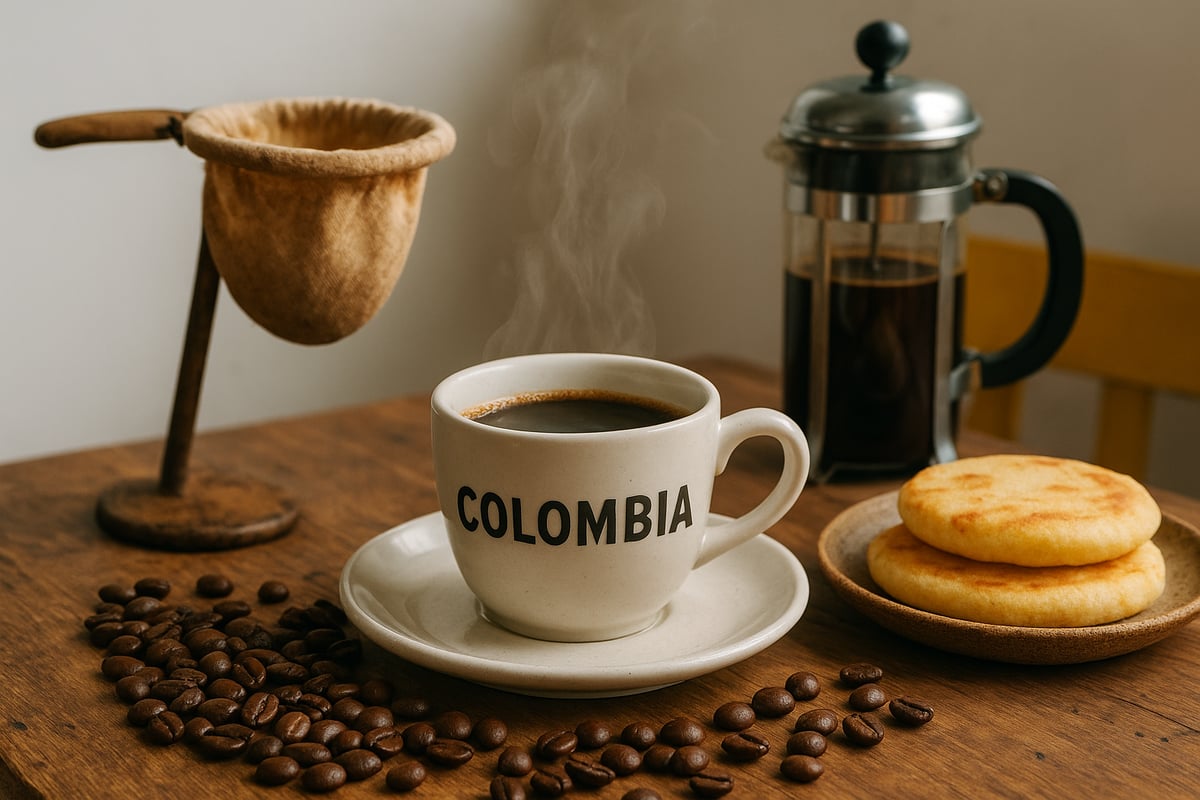
Choosing the Right Beans
The foundation of any great colombia coffee cup is the bean itself. Colombia’s coffee is almost exclusively Arabica—about 95 percent of the country’s production. Arabica beans are prized for their smoothness, bright acidity, and layered flavors.
When selecting your beans, always check the roast level. Light roasts emphasize fruity and floral notes, medium roasts balance acidity and sweetness, and dark roasts bring out bold, chocolatey undertones. Here’s a quick comparison:
| Roast Level | Flavor Profile | Best For |
|---|---|---|
| Light | Fruity, Floral | Pour-over, Aeropress |
| Medium | Balanced, Nutty | Drip, French Press |
| Dark | Bold, Chocolatey | Espresso, Olla (pot brewing) |
For the freshest colombia coffee cup, buy whole beans and check the roast date. Coffee is at its peak flavor within two to four weeks of roasting, so avoid anything that’s been sitting on a shelf for months.
Essential Brewing Methods
Colombian tradition offers a variety of ways to brew a perfect colombia coffee cup. The "olla" method, using a pot on the stove, creates a rich, communal brew. The "colador de tela," a reusable cloth filter, is another classic tool, producing a clean, aromatic cup with a hint of nostalgia.
Modern brewing methods like French press, pour-over, and Aeropress are also popular for coaxing out unique flavors from each regional bean. Here’s a simple step-by-step guide for brewing with a V60 pour-over, a favorite for clarity and nuance:
- Heat water to just below boiling (90-96°C).
- Grind beans medium-fine for even extraction.
- Rinse your filter and add ground coffee (use a 1:16 ratio).
- Pour a small amount of water to bloom, then continue in slow circles.
- Let the brew drip through, savor the aroma, and enjoy your colombia coffee cup.
Experiment with different methods to discover how each highlights the unique profile of your chosen beans.
Water, Grind, and Proportions
Mastering the technical details is essential for bringing out the best in your colombia coffee cup. Start with fresh, filtered water heated to 90-96°C. Water that’s too hot or too cold can ruin the delicate flavor balance.
Grind size matters. For French press, use a coarse grind. Pour-over calls for medium-fine, while espresso needs a fine grind. Always grind just before brewing for maximum freshness.
The ideal brew ratio is 1:16—one part coffee to sixteen parts water. This balance ensures your colombia coffee cup is neither too weak nor too overpowering. Adjust the ratio to suit your taste, but start here for reliable results:
| Brew Method | Grind Size | Ratio (Coffee:Water) |
|---|---|---|
| French Press | Coarse | 1:16 |
| Pour-Over/V60 | Medium-Fine | 1:16 |
| Espresso | Fine | 1:2 |
Taste and tweak until you find your perfect balance.
Enhancing Your Cup: Additions and Pairings
The true joy of a colombia coffee cup comes alive with the right accompaniments. Traditional pairings include fresh arepas, buñuelos, or pan de bono—each offering a delicious contrast to the coffee’s richness. For a modern twist, try pairing your cup with dark chocolate or slices of tropical fruit.
Many Colombians infuse their coffee with panela (raw cane sugar), cinnamon, or a splash of vanilla for extra depth. These subtle additions enhance the natural flavors without overpowering the unique character of your brew.
To elevate your home ritual, consider serving your drink in authentic Colombian drinkware and coffee cups for a truly immersive experience. The right cup not only keeps your coffee hot but also connects you to Colombia’s vibrant coffee heritage every morning.
By embracing these traditions and techniques, you can savor a colombia coffee cup at home that rivals any café—rich, aromatic, and unmistakably Colombian.
Colombian Coffee Culture: Cafés, Rituals, and Social Life
Colombia’s coffee culture is a vibrant tapestry woven from tradition, innovation, and community spirit. Whether you’re sipping a colombia coffee cup in a bustling city café or sharing a morning brew with locals, you’ll find that every cup tells a story. Let’s dive into the heart of Colombian coffee culture and discover what makes it so unique.
The Rise of Specialty Cafés
Colombia’s urban centers are experiencing a coffee renaissance. Third-wave cafés in Bogotá, Medellín, and Cali are redefining what it means to enjoy a colombia coffee cup. These cafés focus on direct trade, traceability, and advanced barista skills, offering everything from single-origin pour-overs to creative signature drinks.
The café scene is thriving, with over 2,000 certified specialty cafés operating in Colombia as of 2024. According to Colombian coffee industry statistics, this growth reflects a shift in consumer preferences toward quality and authenticity. Neighborhoods like Bogotá’s Chapinero and Medellín’s El Poblado are now café hotspots, each with their own unique atmosphere and coffee menus.
If you’re seeking a true colombia coffee cup experience in 2025, visiting these specialty cafés is the perfect place to start your journey.
Coffee and Community
Coffee is much more than a beverage in Colombia—it’s a daily social ritual. Sharing a colombia coffee cup, often in the form of “El Tinto,” is a cherished tradition that brings people together in homes, offices, and public plazas.
Families gather around the table for morning and afternoon coffee breaks, using the moment to catch up and connect. In small towns, community events and local meetings often revolve around coffee, reinforcing its role as a symbol of hospitality and unity.
This sense of belonging is why every colombia coffee cup feels personal, whether you’re a lifelong resident or a first-time visitor.
Festivals and Events in 2025
Colombia’s passion for coffee shines at its many festivals and competitions. The annual National Coffee Festival in Manizales is a highlight, featuring parades, cultural performances, and coffee tastings. In 2025, over 50 coffee-related events are scheduled across the country, including barista championships and cupping competitions.
These gatherings offer a chance to experience the artistry and excitement behind every colombia coffee cup. From expert demonstrations to interactive workshops, there’s something for every coffee lover.
Attending a festival is a fantastic way to immerse yourself in Colombia’s thriving coffee scene and make memories that last long after your last sip.
Responsible Tourism and Coffee Farm Visits
For those wanting a deeper connection, coffee tourism is an essential part of the colombia coffee cup journey. Eco-friendly tours and farm stays let visitors witness the entire process, from bean to cup, while supporting sustainable practices and local farmers.
Many farms now offer immersive experiences, such as picking beans, learning about processing, and participating in cupping workshops. Visiting a women-led cooperative in Quindío, for example, gives travelers insight into the dedication and innovation driving Colombia’s coffee industry forward.
By choosing responsible tourism, you’re not only enjoying an unforgettable colombia coffee cup, but also contributing to the future of Colombia’s coffee-growing communities.
Buying Colombian Coffee Cups in 2025: What to Know
Embarking on your colombia coffee cup journey in 2025 means more than just picking any bag off the shelf. To truly savor the experience, you need to know what makes a cup genuine, where to source it, and how to ensure your choice supports both quality and ethical standards. Let’s break down the essentials for every savvy coffee enthusiast.
Choosing Authentic Colombian Coffee
To guarantee your colombia coffee cup is the real deal, look for trustworthy certifications. The Café de Colombia logo, Rainforest Alliance, and Fair Trade labels are your best indicators of authenticity and ethical sourcing. These not only ensure origin but also reflect environmental and social responsibility.
Always read the label carefully. Look for details such as region, roast date, and processing method. Avoid generic blends that dilute quality. If you want a truly authentic experience, choose single-origin beans. These offer unique flavors and traceability back to Colombian farmers.
Where to Buy: Local vs. Online
You have plenty of options when buying your colombia coffee cup. Specialty cafés offer curated selections and expert advice, while supermarkets provide convenience. Online retailers and direct-to-consumer subscriptions, however, have boomed in popularity, making it easier to access fresh beans from Colombia’s top regions.
Here’s a quick comparison:
| Channel | Pros | Cons |
|---|---|---|
| Specialty Café | Expert advice, fresh options | Higher price |
| Supermarket | Convenient, accessible | Limited selection |
| Online Retailer | Wide variety, direct sourcing | Shipping time/cost |
Direct subscriptions often deliver fresher beans and unique micro-lots, giving your daily colombia coffee cup an edge in quality.
Price Trends and What to Expect in 2025
The price of a premium colombia coffee cup reflects both quality and market factors. In 2024, the average price per pound was $7.50. Thanks to a record harvest, supply remains strong, though climate and demand may affect future pricing. According to Colombian coffee production statistics 2025, Colombia’s 2025 crop is robust, but experts caution that yields could fluctuate in coming years.
Expect stable prices in early 2025, with potential increases if export policies shift or weather impacts harvests. Buying directly from producers or subscriptions may help you lock in the best value for your colombia coffee cup.
Supporting Ethical and Sustainable Coffee
Enjoying a colombia coffee cup can be even more rewarding when you choose ethically sourced beans. Support cooperatives, small farmers, and brands committed to sustainable practices. These efforts protect Colombia’s environment and empower local communities.
Look for projects that promote reforestation or invest in farmer education. By supporting these initiatives, your colombia coffee cup becomes part of a positive global impact. Certifications and transparency are your best guides for ethical buying.
Storing and Preserving Freshness
A fresh colombia coffee cup starts with proper storage. Always use airtight containers to keep beans away from air, light, and moisture. Store your coffee in a cool, dark place, never in the fridge or freezer, as this can introduce unwanted moisture and odors.
Whole beans retain their flavor longer than ground coffee. For the best colombia coffee cup, grind just before brewing. If your coffee loses aroma or tastes flat, it’s time to restock with a fresh batch.
Trends in Coffee Accessories and Cups
The right accessories can elevate your colombia coffee cup ritual. In 2025, porcelain, enamel, and glass cups with artisanal designs are trending. Eco-friendly and reusable options are in high demand, reflecting a shift toward sustainability.
Hand-crafted cups add a personal touch to your coffee experience. Look for limited-edition designs and locally made items that celebrate Colombian artistry. These trends make each colombia coffee cup not just a beverage, but a statement of taste and culture.
After diving into Colombia’s rich coffee heritage and discovering what makes every cup so special, why not bring that mountain magic into your own daily ritual? Imagine waking up to the aroma of hand picked beans, roasted fresh and delivered right to your door—at a price that actually saves you money compared to the grocery store. With Piracii, you’re not just sipping exceptional coffee; you’re supporting generations of Colombian farmers and tasting the real story behind each cup. Ready to experience the difference for yourself? Get the Best Coffee at the Best Price Here


