


Imagine savoring the deep, vibrant notes of Colombian coffee, but without the caffeine jitters. As more coffee lovers worldwide seek premium decaf options, Colombia decaf coffee is redefining what it means to enjoy a rich cup any time of day.
This guide is your passport to the most comprehensive, up-to-date look at Colombia decaf coffee in 2026. Inside, you’ll discover its storied origins, the latest decaffeination methods, unique flavor profiles, top brands, expert brewing tips, and the future of sustainability.
Ready to experience the best of Colombian decaf? Dive in and transform how you think about decaf coffee.
The Legacy of Colombian Coffee: Why Colombia Leads in Decaf
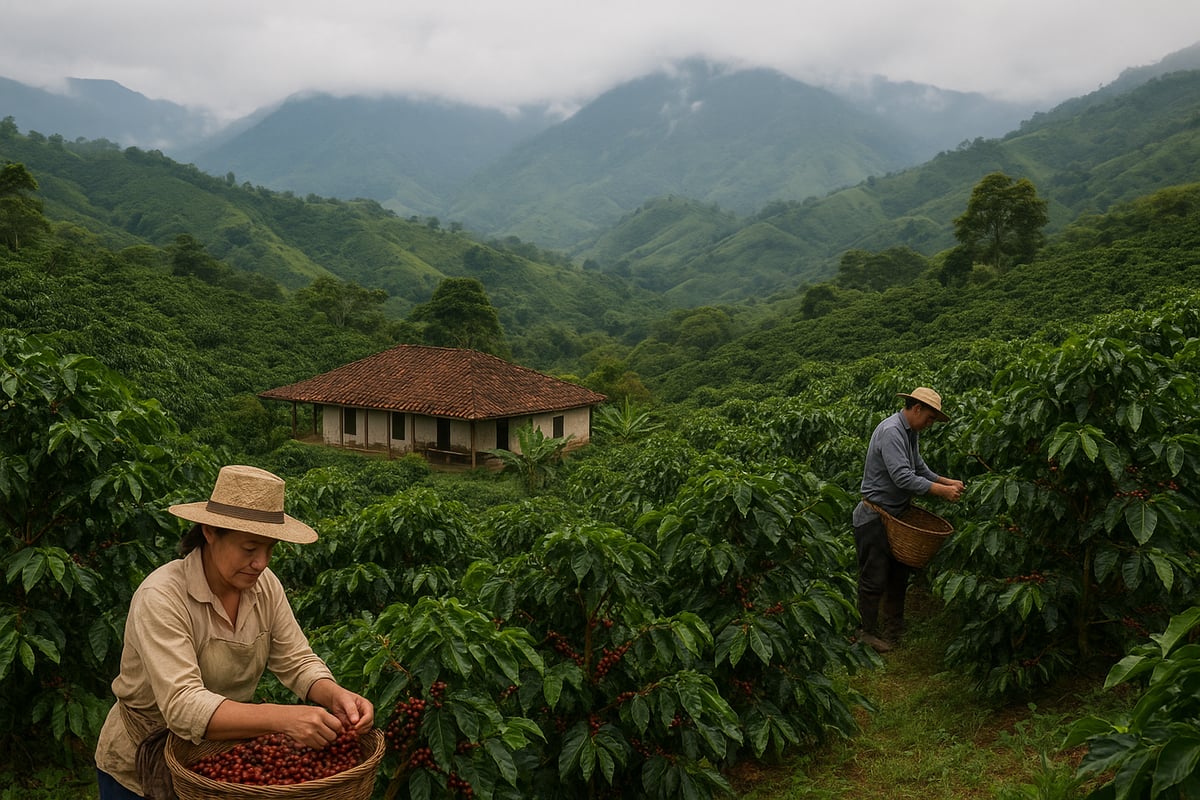
Colombia’s reputation as a coffee powerhouse is legendary. Renowned for its high-quality Arabica beans, the country’s lush mountains and ideal climate have made it a global gold standard. The famed Coffee Triangle—Antioquia, Caldas, and Quindío—offers a blend of volcanic soil, high altitudes, and consistent rainfall. These natural advantages give Colombian beans their signature sweetness and complexity, making them highly sought after by coffee lovers worldwide.
The story of colombia decaf coffee begins with innovation and adaptability. As global demand for decaffeinated options surged, Colombian farmers embraced new techniques to preserve the unique flavors of their beans. By the early 2000s, Colombia had already become a leader in decaf production, investing in advanced decaffeination plants and refining processes like the sugarcane method. This commitment allowed colombia decaf coffee to maintain its rich aroma and taste, even as caffeine levels were reduced.
Coffee is more than just a crop in Colombia; it’s woven into the nation’s identity. Families have cultivated coffee for generations, passing down traditional methods of hand-picking and processing. The daily ritual of enjoying a cup of colombia decaf coffee reflects not only a love for flavor but also a deep cultural pride. As decaf consumption increased globally, Colombian communities found new opportunities for growth, helping smallholder farmers thrive in the specialty market.
Economically, colombia decaf coffee plays a pivotal role in the industry’s future. Decaf exports now represent a significant share of total coffee shipments, reaching new markets in North America, Europe, and Asia. Brands like Don Francisco’s and Portrait Coffee’s Sugarcane Decaf have earned international acclaim, celebrated for their balance, sweetness, and smooth finish. These successes highlight how Colombian producers combine tradition and innovation to meet evolving consumer preferences.
Recent data underscores Colombia’s leadership. In the 2025-2026 season, coffee exports are projected to remain robust, with decaf making up an increasing percentage of total volume. According to the Colombian Coffee Production Forecast 2025/2026, the country continues to adapt to global trends, ensuring its decaf offerings stay ahead of the curve. The reason is clear: colombia decaf coffee stands out for its balance, natural sweetness, and absence of bitterness, making it the preferred choice for discerning coffee drinkers everywhere.
How Colombian Decaf Coffee is Made: Decaffeination Methods Explained
Imagine brewing a cup of colombia decaf coffee and wondering how the caffeine disappears while the flavor stays. Decaffeination is a scientific process, yet it’s also an art. Understanding how colombia decaf coffee is made can help you appreciate each sip, so let’s break down the science, the methods, and the care that goes into every bag.
The Science of Decaffeination
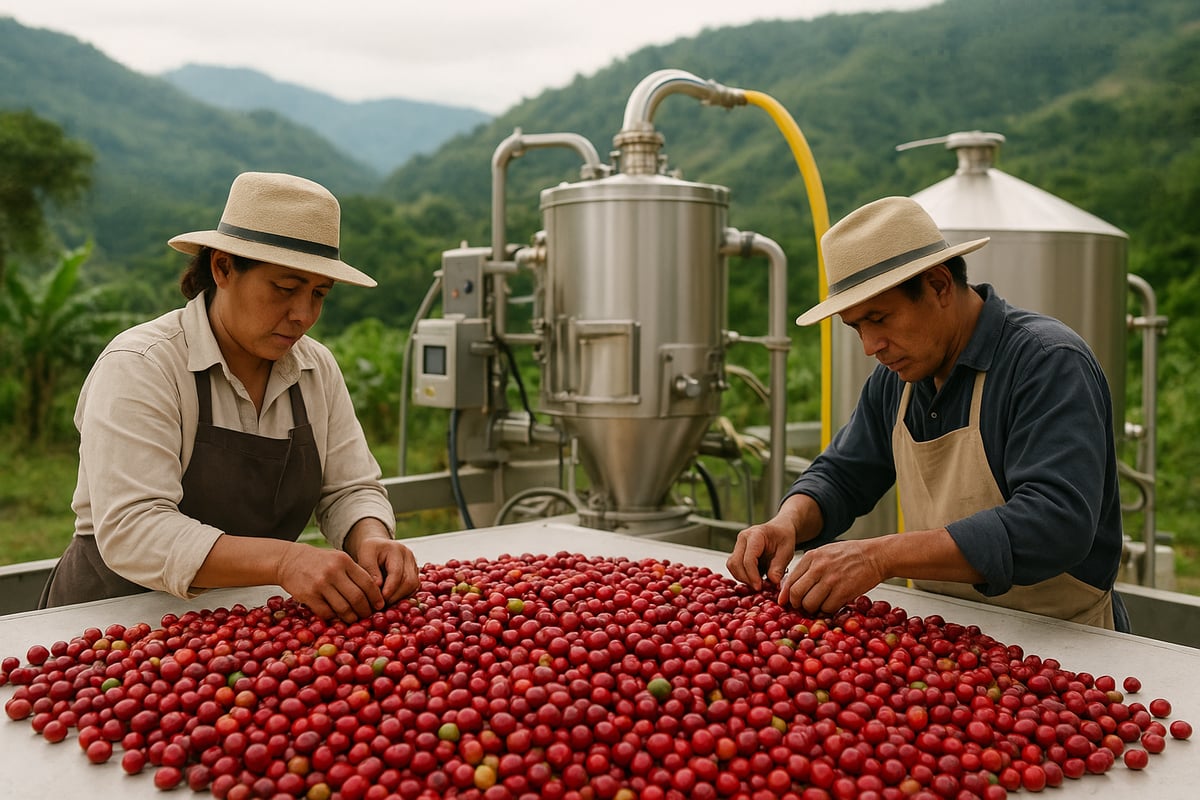
Decaffeination is the process of removing caffeine from coffee beans while preserving as much of their natural flavor as possible. For colombia decaf coffee, this process must meet strict standards. International regulations require that decaf coffee contains at least 97 percent less caffeine than its regular counterpart, though some brands go further, reaching up to 99.7 percent caffeine-free.
Preserving the unique taste profile of colombia decaf coffee is crucial. The goal is to keep the sweet, floral, and winey notes that make Colombian beans world-famous. Brands like Don Francisco’s Decaf 100 Percent Colombian showcase how close decaf can get to the original, maintaining a 99.7 percent caffeine-free status.
Consumer demand for colombia decaf coffee is surging as more people seek low-caffeine options for health, lifestyle, or taste preferences. If you want to dive deeper into the details and decaf processes, the Colombian Decaf Coffee Guide offers a comprehensive resource.
Major Decaffeination Techniques Used in Colombia
Colombia decaf coffee stands out because of the advanced, natural, and innovative methods used to remove caffeine. The most popular technique is the Sugarcane or Ethyl Acetate Process. In this method, a natural solvent derived from locally grown sugarcane is used to extract caffeine. This process is gentle on the beans and helps preserve the caramel and dried cherry notes loved by coffee fans.
Another leading technique is the Swiss Water Process. This chemical-free, water-based method uses only pure water to remove caffeine and is prized for its clean, balanced flavor. The CO2 Process, though less common, uses pressurized carbon dioxide to selectively extract caffeine while keeping the coffee’s complexity intact.
Here’s a quick comparison of the main methods:
| Decaf Method | Flavor Retention | Environmental Impact | Cost |
|---|---|---|---|
| Sugarcane (Ethyl Acetate) | High | Low (natural) | Moderate |
| Swiss Water | High | Low (chemical-free) | High |
| CO2 | Very High | Moderate | High |
Portrait Coffee’s Sugarcane Decaf from Colombia is a great example, boasting 97 percent caffeine removal and a smooth finish. Each method has pros and cons. Sugarcane process is natural and affordable, Swiss Water is pure but pricier, and CO2 offers precision but is costly.
When choosing colombia decaf coffee, consider your taste and health priorities. If you value sweetness and a lack of bitterness, the sugarcane process is a top pick. For chemical-free assurance, Swiss Water is ideal.
Quality Control and Freshness
Every bag of colombia decaf coffee starts with hand-picked, ripe cherries. Farmers meticulously sort beans to ensure only the best make it to decaffeination. Many producers use small-batch processing, which allows for better oversight and higher quality compared to mass production.
Packaging innovation is a major trend in colombia decaf coffee. In 2026, vacuum-sealed cans and oxygen-barrier bags have improved shelf life and kept flavors fresher for longer. Don Francisco’s vacuum-sealed steel cans, for example, help lock in that just-roasted aroma and taste.
Quality control doesn’t stop at packaging. Colombian farmers and producers are increasingly focused on traceability and transparency, offering detailed information about bean origin, decaf method, and harvest date. Consumer satisfaction ratings are climbing, with freshness and flavor consistently earning high marks.
The future of colombia decaf coffee is bright, thanks to the dedication of farmers, advances in processing, and growing consumer demand for transparency. Every cup tells a story of care, science, and Colombian tradition.
Flavor Profiles: What Makes Colombian Decaf Stand Out?
Sipping a cup of colombia decaf coffee is like experiencing a symphony of flavors, all perfectly balanced and remarkably smooth. What sets this coffee apart is not only its origin but the meticulous process that preserves its signature taste, even after caffeine is removed.
Tasting Notes and Aroma
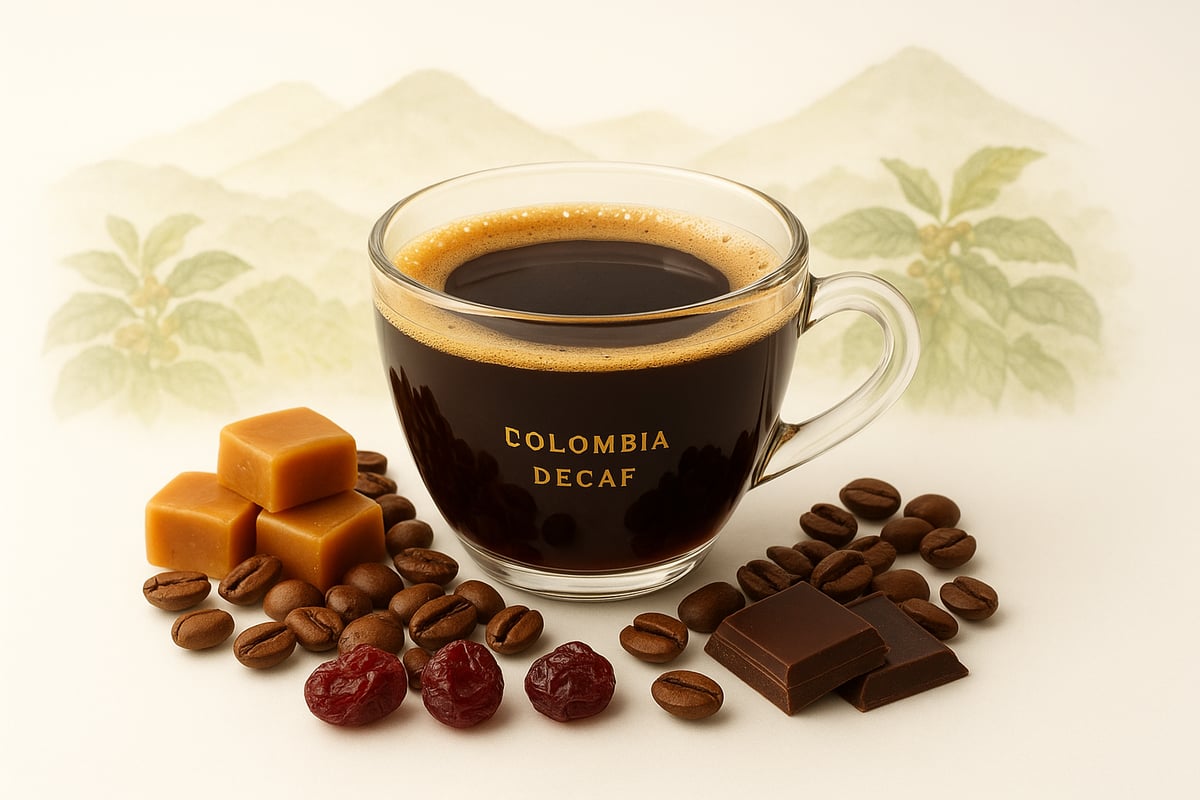
Colombia decaf coffee is celebrated for its sweet floral aroma and complex flavor profile. When you lift the cup, you'll notice inviting scents of jasmine and honeysuckle, followed by subtle winey undertones that hint at the bean's high-altitude origins.
On the palate, expect a medium body with a silky mouthfeel. The flavor journey moves through caramel and dried cherry, finally revealing nutty and chocolate notes. These layers create a cup that's never bitter, always balanced, and incredibly satisfying—a testament to Colombia's unique terroir.
According to consumer reviews, top brands like Don Francisco’s Decaf consistently earn ratings above 4.7 out of 5 stars. The decaffeination process used in colombia decaf coffee manages to preserve the bean’s inherent sweetness and complexity, so you don’t lose the magic that makes Colombian coffee world famous.
If you want to dive deeper into how single origin influences these flavors, check out Single Origin Colombian Coffee Insights for a closer look at the nuances in every cup.
Factors Influencing Flavor
The magic of colombia decaf coffee begins with the land itself. Colombia’s coffee regions benefit from volcanic soil, steady rainfall, and elevations above 1,500 meters, all of which nurture beans with vibrant acidity and depth.
Flavor is also shaped by the decaffeination process. The popular sugarcane (ethyl acetate) method used in Colombia not only removes caffeine but also enhances caramel and fruit notes, resulting in a naturally sweet and aromatic brew. The Swiss Water Process, another favorite, preserves delicate flavors and ensures a clean finish.
Roast profiles play a vital role, too. Medium roasts highlight floral and fruity notes, while medium-dark roasts bring out chocolate and nutty undertones. Brands often tailor their roast to amplify the best of colombia decaf coffee, making it easy to find a cup that matches your taste.
Pairing suggestions:
- Enjoy with buttery croissants or almond biscotti for breakfast.
- Savor alongside chocolate desserts to accentuate the cocoa notes.
- Drink it black to fully appreciate its complexity.
Every step, from hand-picking ripe cherries to precise roasting, ensures that each cup delivers a distinctive flavor experience.
Comparing Colombian Decaf to Other Origins
How does colombia decaf coffee stack up against decaf from Brazil, Ethiopia, or Central America? Many experts and coffee aficionados agree: Colombian decaf is often rated higher for its balance, sweetness, and lack of bitterness.
Here’s a quick comparison:
| Origin | Body | Acidity | Sweetness | Bitterness | Notable Notes |
|---|---|---|---|---|---|
| Colombia | Medium | Bright | High | Low | Caramel, floral, winey |
| Brazil | Heavy | Low | Medium | Medium | Nutty, chocolate |
| Ethiopia | Light | High | Medium | Low | Citrus, berry |
| Central Am. | Medium | Medium | Medium | Medium | Cocoa, spice |
Global taste tests and consumer surveys consistently place colombia decaf coffee at the top for its harmonious profile and versatility. Baristas praise its ability to shine whether brewed as espresso, pour-over, or French press, making it a favorite for both daily drinkers and specialty coffee lovers.
Top Colombian Decaf Coffee Brands and Products in 2026
Craving a cup of Colombia decaf coffee that delivers bold flavor without caffeine? The 2026 market is brimming with outstanding choices. Whether you want a classic staple or a micro-lot marvel, Colombia decaf coffee offers something for every palate. Let’s explore the best brands, their unique offerings, and how to choose the right one for you.
Don Francisco’s Decaf 100% Colombian Coffee
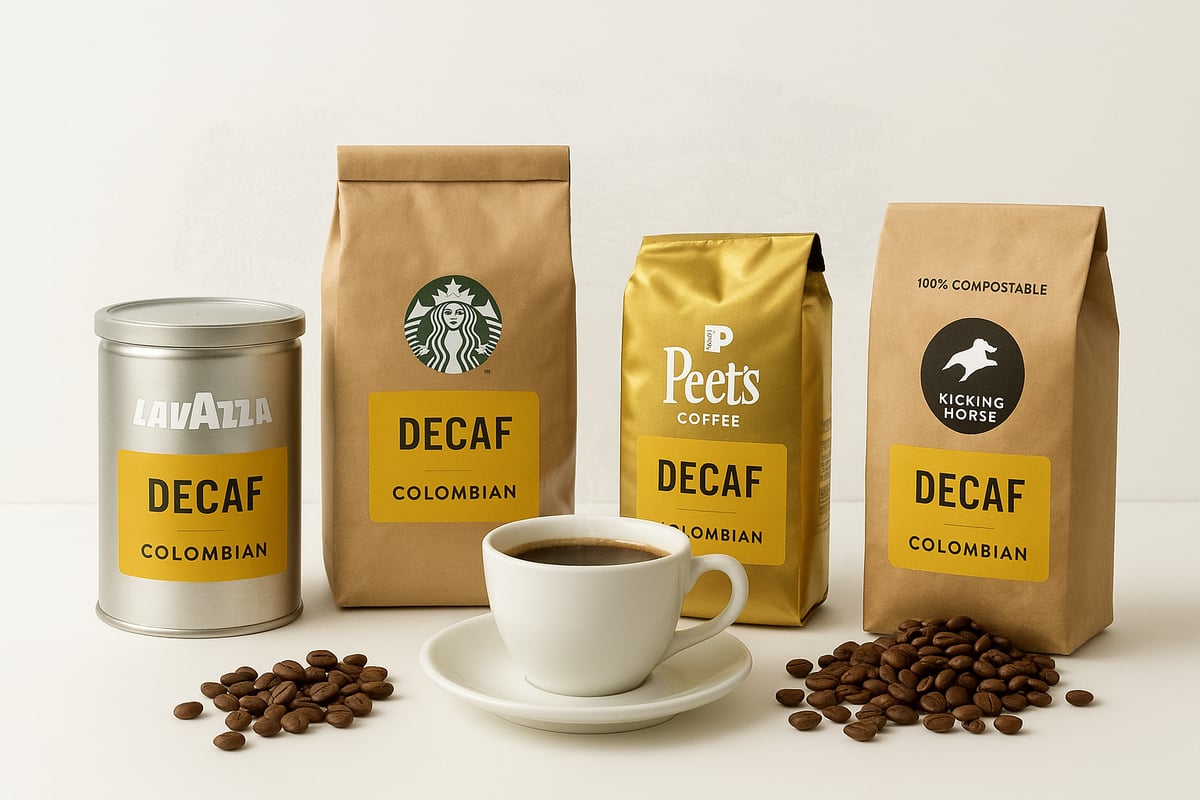
Don Francisco’s Decaf 100% Colombian Coffee stands out as a trusted favorite for those seeking authentic Colombia decaf coffee. This single-origin, medium roast coffee is crafted from premium Arabica beans grown in Colombia’s renowned Coffee Triangle. Each batch is decaffeinated using a careful process that removes 99.7% of caffeine, preserving the signature sweet floral aroma and subtle winey notes.
The coffee comes in recyclable steel cans, vacuum-sealed to lock in freshness and ensure every cup bursts with flavor. Available in both ground and whole bean options, Don Francisco’s makes it easy to enjoy Colombia decaf coffee at home or on the go. With a stellar 4.7 out of 5 stars from 138 customer reviews, it’s clear this brand delivers on taste and quality.
Consumers appreciate the smooth, balanced profile, noting the absence of bitterness that often plagues other decaf options. Subscription services are also available, letting you enjoy fresh Colombia decaf coffee delivered directly to your door.
Portrait Coffee’s Colombia Sugarcane Decaf
Portrait Coffee’s Colombia Sugarcane Decaf brings a modern twist to traditional Colombia decaf coffee. Sourced from Valle del Cauca and featuring Castillo and Caturra varieties, this decaf uses the innovative sugarcane (ethyl acetate) process. The method, popular in Colombia, removes 97% of caffeine while highlighting caramel and dried cherry notes.
You can choose from multiple sizes, including 310g, 2lb, and 5lb bags, in both whole bean and ground. Customers rave about the smooth finish and the way this Colombia decaf coffee pairs perfectly with breakfast or dessert. The sugarcane process not only maintains the bean’s natural sweetness but also supports local Colombian agriculture.
Portrait Coffee offers subscription savings, ensuring you never run out of your favorite Colombia decaf coffee. Positive feedback highlights the consistent flavor and ethical sourcing practices, making this a go-to for those who care about both taste and impact.
Other Notable Colombian Decaf Brands
Beyond the big names, the Colombia decaf coffee scene in 2026 is alive with diversity. Brands like Café La Llave and Juan Valdez offer organic and fair trade options, while a growing number of specialty micro-lots cater to adventurous drinkers. These micro-roasteries often highlight single-origin beans, direct trade relationships, and unique decaffeination techniques.
Consumers can find Colombia decaf coffee in pods, compostable bags, and even ready-to-drink cans, making it easy to enjoy anywhere. Artisan offerings are booming, with market share for micro-roasters climbing steadily. According to recent Best Colombian Coffee Brands reports, Colombian decaf is now available in more formats than ever, reflecting evolving consumer preferences.
Unique selling points include organic certification, traceability, and small-batch freshness. The rise of subscription services and online ordering means you can sample a range of Colombia decaf coffee products with ease. The combination of tradition and innovation keeps Colombia at the forefront of the decaf world.
How to Choose the Best Colombian Decaf for You
Selecting the right Colombia decaf coffee starts with knowing your taste preferences. Consider the roast level—medium or medium-dark often brings out the bean’s natural sweetness. Grind type matters too; choose whole bean for maximum freshness or pre-ground for convenience.
Check the decaffeination method, as sugarcane and Swiss Water processes each offer distinct flavor profiles. Always read labels for certifications like organic or fair trade, and look for vacuum-sealed or compostable packaging to ensure freshness. Subscriptions can help you keep your favorite Colombia decaf coffee on hand, so you never miss a morning ritual.
Brewing the Perfect Cup: Expert Tips for Colombian Decaf Coffee
Unlocking the best flavors from your Colombia decaf coffee starts with attention to detail. Whether you crave a classic cup or a creative twist, a few expert techniques can elevate every sip. Let’s explore how you can master brewing and truly savor the unique character of Colombia decaf coffee.
Choosing the Right Grind and Brew Method
Selecting the right grind is essential to bring out the best in your Colombia decaf coffee. The grind size impacts how water extracts flavor, aroma, and body from the beans.
For drip machines, a medium grind works best, delivering balance and clarity. French press lovers should opt for a coarse grind, which produces a fuller, richer mouthfeel. If you prefer pour-over, choose a medium-fine grind to highlight subtle floral and caramel notes. Espresso requires a fine grind for that concentrated, smooth shot, while cold brew shines with extra-coarse grounds.
Here’s a quick reference table:
| Brew Method | Grind Size | Taste Result |
|---|---|---|
| Drip | Medium | Balanced, clean |
| French Press | Coarse | Full-bodied, rich |
| Pour-over | Medium-fine | Aromatic, nuanced |
| Espresso | Fine | Intense, smooth |
| Cold Brew | Extra-coarse | Sweet, low-acid |
If you want more brewing insights, check out Brewing Colombian Coffee Tips for practical advice tailored to Colombian beans.
Step-by-Step Brewing Guide
Brewing Colombia decaf coffee to perfection is simple when you follow proven steps. Start with fresh, high-quality beans and grind them just before use for optimal flavor.
- Measure your coffee and water. Use a ratio of 1:16 (1 gram of coffee to 16 grams of water) as a starting point. Adjust to taste.
- Heat your water. Aim for 195 to 205°F. Water temperature in this range helps extract the delicate flavors unique to Colombia decaf coffee.
- Grind to match your brew method. A consistent grind ensures even extraction, preventing bitterness or flatness.
- Bloom the grounds. Pour a small amount of hot water to saturate the grounds and let them bloom for 30–45 seconds. This releases gases and maximizes aroma.
- Brew and time carefully. Drip and pour-over methods usually take 3–4 minutes, French press around 4 minutes, and espresso about 25 seconds.
- Taste and adjust. Experiment with ratios, grind size, and brew time until you achieve your ideal cup of Colombia decaf coffee.
To preserve freshness, store your coffee in an airtight container away from light, heat, and moisture. For best results, grind only what you need for each brew.
Troubleshooting Common Decaf Brewing Issues
Even seasoned brewers can face challenges with Colombia decaf coffee. If your coffee tastes flat, try using fresher beans and grinding just before brewing. Adjust the grind size—too fine can lead to bitterness, too coarse may taste weak.
If you notice sourness, your water might be too cool or your brew time too short. For bitterness, check if the water is too hot or brewing too long. Fine-tuning these variables can make a dramatic difference.
Baristas recommend using filtered water and cleaning your equipment regularly. Small tweaks lead to a consistently delicious cup of Colombia decaf coffee every time.
Creative Ways to Enjoy Colombian Decaf
Colombia decaf coffee isn’t just for a morning mug. Try it over ice for a refreshing pick-me-up, or pour a shot over vanilla ice cream for an irresistible affogato. Mix it into coffee cocktails or pair with chocolate desserts for a decadent treat.
Experiment with recipes and serving styles—the versatility of Colombia decaf coffee makes it perfect for any occasion.
Sustainability, Ethics, and the Future of Colombian Decaf Coffee
Colombia decaf coffee is setting a new standard for sustainability and ethical production. As demand rises, producers and consumers alike are asking tough questions about the environmental and social impact of their favorite brew. The future of colombia decaf coffee rests on how responsibly it is grown, processed, and enjoyed.
Environmental Impact of Decaf Production
Decaf coffee production once had a reputation for heavy chemical use and waste. Today, colombia decaf coffee leads the way with greener, more responsible methods. The sugarcane (ethyl acetate) decaffeination process uses a natural solvent derived from local crops, minimizing synthetic chemical reliance. Swiss Water and CO2 methods are also gaining ground for their low water and energy footprints.
Producers now invest in recyclable cans and compostable bags, shrinking packaging waste. According to Decaffeinated Coffee Market Analysis 2025, Colombian exporters have cut carbon emissions by 18% between 2023 and 2025 by adopting eco-innovations. These efforts help colombia decaf coffee stand out as a model for environmental responsibility.
Supporting Colombian Farmers and Communities
Behind every cup of colombia decaf coffee is a story of hard work and tradition. Fair trade and direct trade programs ensure farmers receive a fair price, improving rural livelihoods and supporting education and health in coffee communities. Decaf demand benefits smallholder families, allowing them to diversify income and invest in better farming practices.
Many farms still rely on hand-picking, a practice that preserves quality while sustaining jobs. Cooperative initiatives, like building local processing stations, keep more value in the community. In interviews, farmers express pride in producing colombia decaf coffee that honors both heritage and progress.
Trends Shaping the Decaf Market in 2026
The future of colombia decaf coffee is driven by changing consumer preferences and technology. Specialty decaf, single-origin offerings, and micro-lot releases are gaining traction. Online sales and subscription services make it easier than ever to access fresh, traceable beans. According to Decaf Coffee Market Trends 2025, decaf now makes up nearly 20% of Colombia’s specialty coffee exports. Shoppers increasingly seek transparency, demanding clear sourcing and ethical certifications.
Health and Wellness Perspectives
Colombia decaf coffee is the top choice for those sensitive to caffeine or seeking a healthier lifestyle. Modern decaf retains antioxidants and essential nutrients, debunking myths that decaf is less beneficial. Recent studies show no significant difference in health outcomes between regular and decaf coffee. Customers praise colombia decaf coffee for its smooth taste and gentle energy, making it a smart addition to any wellness routine.
After exploring the rich history, unbeatable flavor, and true craftsmanship behind Colombian decaf, you deserve to taste coffee that actually lives up to the story. Imagine waking up to a cup that’s smooth, full of character, and gentle on your mind—a brew that connects you to the misty mountains and hardworking farmers we’ve talked about. Plus, with Piracii’s unbeatable 5-pound subscription, you get world-class coffee at a price that’ll make you rethink your grocery store routine. Ready to experience the best of Colombia, right at home
Get the Best Coffee at the Best Price Here


