


Step into the world of colombia decaf, where every cup is a journey of smooth flavor and wellness. Colombian decaf coffee in 2026 is not just caffeine-free, it is a celebration of taste and tradition. This guide will help you discover how decaf from Colombia delivers exceptional quality, breaking old myths about flavor and satisfaction. Whether you are a coffee enthusiast or looking to cut back on caffeine, you will learn about origins, decaffeination, unique flavor profiles, expert brewing tips, and the future of Colombian decaf. Get ready to experience coffee without compromise.
The Colombian Coffee Legacy: Why Colombia Decaf Stands Out
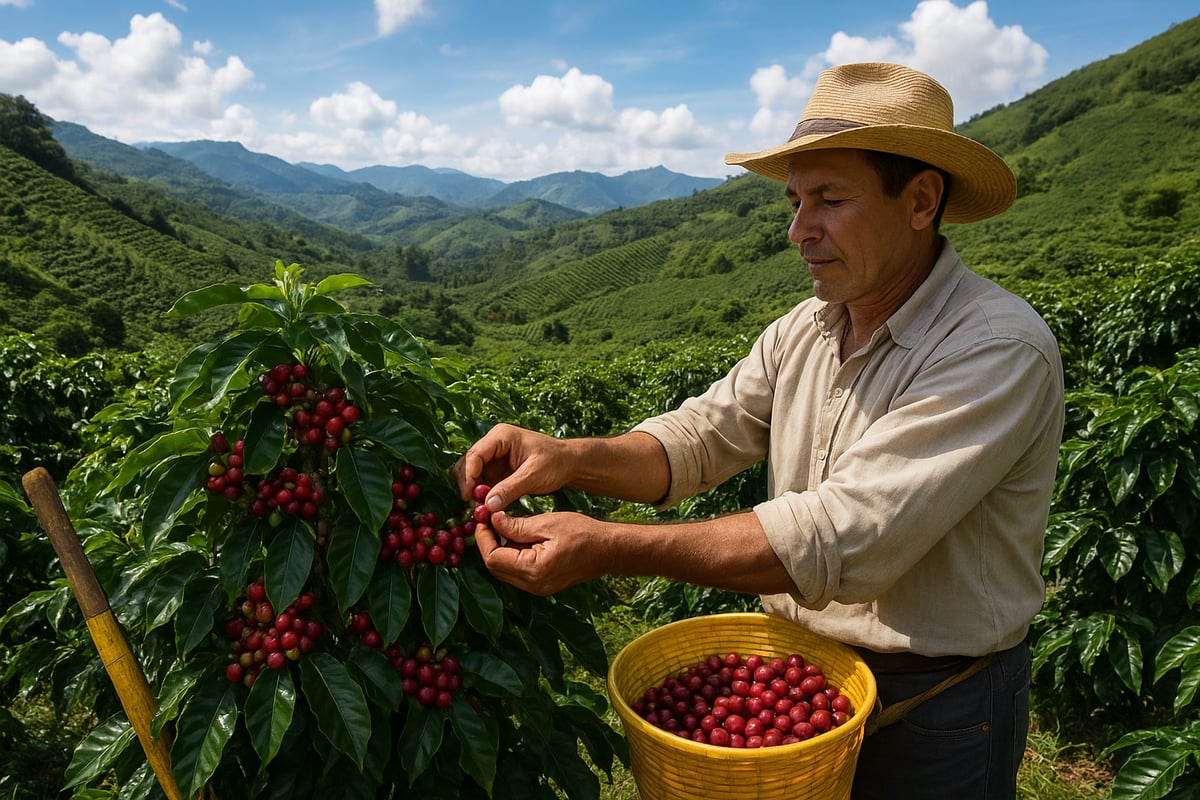
Colombia’s breathtaking geography is at the heart of its coffee excellence. The towering Andes, rich volcanic soil, and steady rainfall create a paradise for coffee plants. High elevations slow cherry ripening, letting beans soak up sweetness and develop signature flavors.
Nestled within this landscape is the famed Coffee Triangle, where Antioquia, Caldas, and Quindío set the standard for quality. These regions are celebrated for their microclimates and fertile valleys, each contributing distinct profiles to the colombia decaf journey. Antioquia offers nutty, chocolatey notes; Caldas brings floral aromas and mild acidity; Quindío shines with caramel and fruit. Together, they form the backbone of Colombia’s coffee culture.
Generations of Colombian families have cultivated this legacy. Smallholder farms, often handed down for decades, rely on meticulous hand-picking. Skilled pickers select only ripe cherries, preserving the nuanced flavors that make colombia decaf exceptional. This labor of love ensures every bag tells a story of care, tradition, and pride.
Colombian coffee is world-renowned for its balance, gentle sweetness, and smooth mouthfeel. These qualities aren’t just marketing—they’re the result of perfect growing conditions and generations of expertise. As decaf has gained popularity, Colombian producers have embraced innovation, using advanced processes that maintain the integrity of these beloved flavor profiles. In recent years, award-winning decaf lots from Huila and Popayán have proven that colombia decaf can rival any caffeinated cup. For a deeper dive into Colombia’s coffee history and influence, explore this Colombian Coffee Legacy article.
What sets colombia decaf apart from other origins? It’s about more than geography. Colombian decaf often undergoes the Ethyl Acetate sugarcane process, a natural method that preserves terroir and sweetness. Compared to harsher chemical methods used elsewhere, this approach yields a cleaner, smoother cup. Specialty roasters consistently score colombia decaf high for body, clarity, and complexity.
Let’s compare some key regions:
| Region | Key Flavors | Notable Decaf Lots | Altitude (m) |
|---|---|---|---|
| Huila | Brown sugar, apple | Balanced, sweet | 1,500–2,000 |
| Popayán | Citrus, floral | Bright, elegant | 1,700–2,100 |
| Antioquia | Chocolate, almond | Smooth, full-bodied | 1,400–2,000 |
Colombia is the world’s third-largest coffee producer, and its decaf exports are rising every year. Local farmers are embracing sustainability and specialty-grade decaf, meeting the growing global demand for delicious coffee without the buzz. Whether you seek a mellow morning brew or a late-night treat, colombia decaf offers a flavor journey rooted in heritage and innovation.
How Colombian Decaf Is Made: Decaffeination Processes Explained
Discovering the world of colombia decaf means understanding the journey from bean to cup. Decaffeination is more than just removing caffeine, it’s a careful science that preserves the vibrant flavors Colombia is famous for. Let’s explore how these methods work and why they matter for your cup.
The Science of Decaffeination
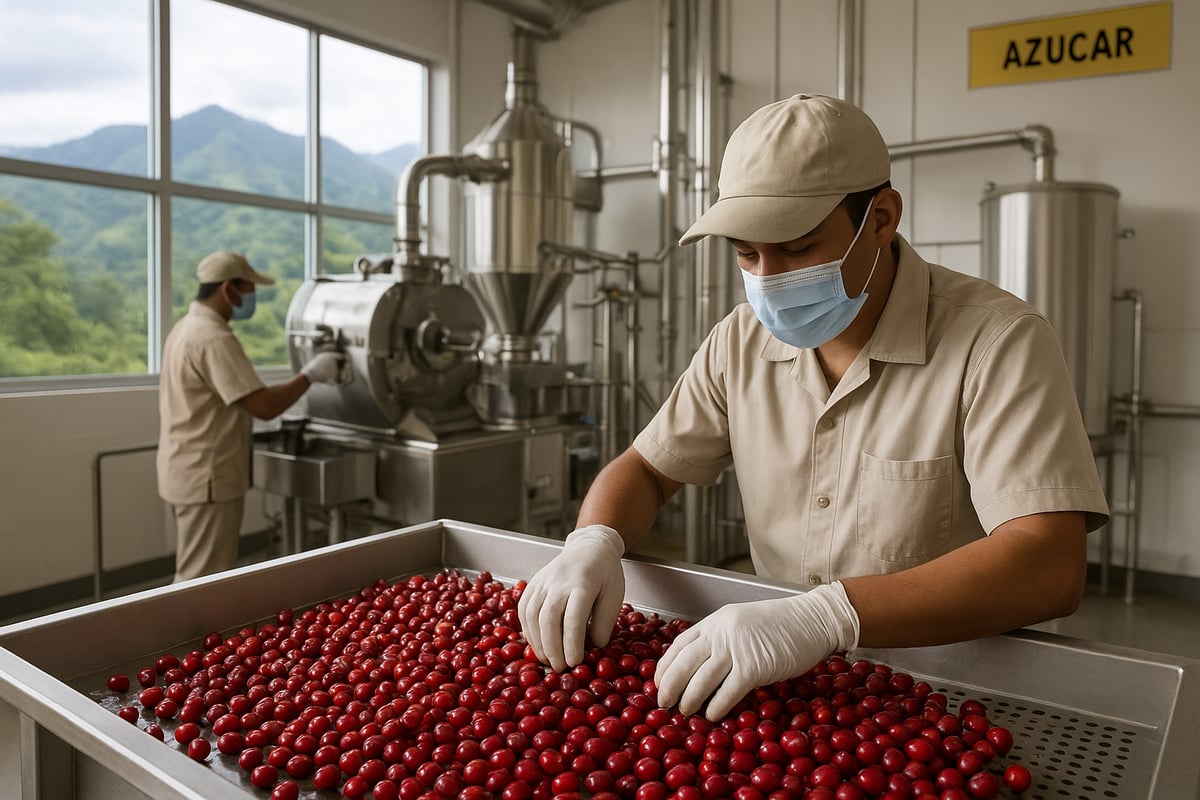
Why do we decaffeinate coffee, and how is it done? For colombia decaf, the goal is to remove most of the caffeine while protecting the bean’s original flavors. This process starts with green, unroasted beans.
Globally, there are several main decaffeination methods. Some use chemical solvents like methylene chloride, while others rely on natural agents such as water or carbon dioxide. The challenge is always the same, how can we strip away caffeine without losing the unique taste that makes colombia decaf so special?
Specialty decaf can remove up to 97% of caffeine, leaving only about 2–3 mg per cup. Despite myths, modern decaffeination preserves sweetness, acidity, and body. In fact, recent blind tastings show many coffee lovers cannot tell the difference between high-quality colombia decaf and regular beans.
Flavor preservation is key. The best producers use gentle methods and strict temperature controls to avoid bitterness or flatness. This scientific balance is why colombia decaf continues to win fans worldwide.
Ethyl Acetate (EA) Sugarcane Process: Colombia’s Signature Method
Among all techniques, the Ethyl Acetate (EA) sugarcane process stands out as Colombia’s signature for decaf. This method begins with fermenting locally grown sugarcane to create natural EA, a compound also found in fruits.
First, green beans are steamed to open their pores. Next, they are washed repeatedly with EA derived from sugarcane, which binds to and removes caffeine. After this, the beans are cleaned with water and gently dried to lock in their original flavors.
What makes the EA process perfect for colombia decaf is how it preserves terroir and sweetness. Because EA is a gentle, plant-based solvent, it doesn’t overpower delicate notes. Beans from regions like Huila retain their apple, caramel, and chocolate character, resulting in a smooth, balanced cup.
For example, Onyx Coffee Lab’s Decaf Colombia Huila uses this process and is praised for its clarity and clean finish. The EA method is now preferred by many specialty roasters seeking authentic colombia decaf experiences.
Other Decaffeination Methods in Colombia
While the EA process leads the way, Colombia also uses other decaffeination techniques to craft exceptional colombia decaf. The washed process, common in Colombia, cleanses beans before decaffeination, helping maintain bright acidity and clarity.
The Swiss Water Process uses pure water and osmosis to gently remove caffeine. It’s chemical-free and favored for organic or health-conscious colombia decaf drinkers. The CO2 process, meanwhile, employs pressurized carbon dioxide to target caffeine molecules, keeping more flavor compounds intact.
Each method has pros and cons. EA and Swiss Water are celebrated for flavor preservation and environmental friendliness. CO2 is efficient but less common due to higher costs. Washed methods are traditional and valued for consistency.
Here’s a quick comparison:
| Method | Key Feature | Flavor Impact | Sustainability |
|---|---|---|---|
| EA Sugarcane | Natural solvent | Sweet, clean | High |
| Swiss Water | Pure water | Bright, pure | High |
| CO2 | No chemicals | Full-bodied | Moderate |
Colombian producers are increasingly offering micro-lot and single-origin colombia decaf using these methods. For a deeper dive into these processes and their impact on flavor, check out Decaffeination Methods Explained.
The market for colombia decaf is evolving, with more farms experimenting with sustainable and innovative decaf solutions to match consumer tastes.
Flavor Profiles: What to Expect from Colombia Decaf in 2026
Colombia decaf is rewriting the story of decaffeinated coffee. If you think decaf means dull or flat, get ready for a surprise. The next wave of Colombia decaf brings out vibrant flavors, complex aromas, and smooth finishes. Let’s explore what’s in your cup for 2026.
Classic Tasting Notes and Regional Variations
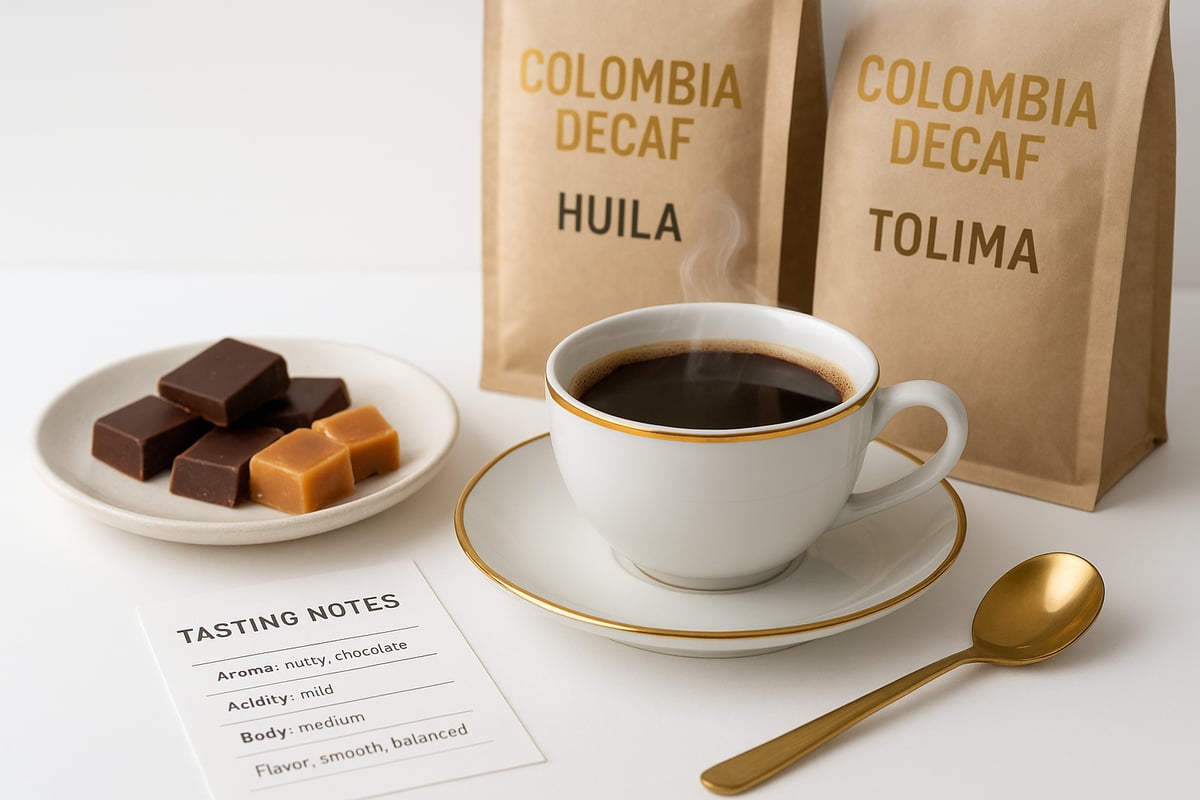
The heart of Colombia decaf is its signature flavor profile. Expect notes of crisp apple, rich dark chocolate, toasted almond, brown sugar, and silky caramel. These flavors are not just marketing jargon. They come directly from Colombia’s diverse regions and microclimates.
Let’s break it down by region. Huila is famous for balanced sweetness and round body, while Tolima brings a bright acidity and floral undertones. Nariño often offers a juicy mouthfeel with red fruit highlights. If you want to deep-dive into Huila’s unique contributions, check out the Huila Region Coffee Insights for a closer look at what sets their decaf apart.
Here’s a quick table to summarize:
| Region | Core Flavors | Acidity | Body | Finish |
|---|---|---|---|---|
| Huila | Brown sugar, apple | Medium | Smooth | Sweet, clean |
| Tolima | Citrus, almond | Bright | Medium | Crisp, lively |
| Nariño | Red fruit, caramel | Balanced | Silky | Juicy, long |
Cupping scores for specialty Colombia decaf often range from 83 to 86 points, rivaling many regular coffees. Reviews from roasters and coffee lovers consistently praise its sweetness, clarity, and gentle finish.
Innovations and Trends in Decaf Flavor
Colombia decaf is no longer just an afterthought for producers. In 2026, the push for quality and innovation is stronger than ever. Producers are experimenting with new processing methods, like extended fermentation and honey processes, to coax out more complexity in the cup.
Single-origin Colombia decaf and micro-lots are rising fast. Farmers are planting new varietals, from Pink Bourbon to Castillo, specifically for decaf production. These efforts create limited edition decaf lots that showcase unique flavor notes—think jasmine, stone fruit, or even tropical hints.
Roasters are also fine-tuning their craft. Lighter roast profiles help preserve the delicate acidity and natural sweetness of Colombia decaf. As a result, specialty decaf lovers can now enjoy vibrant, layered cups that stand out, not blend in. Expect more micro-lot releases and experimental batches from Colombia’s leading farms in the coming years.
How to Taste and Evaluate Decaf Like a Pro
Curious about how to judge a cup of Colombia decaf? Start with your senses. Smell the aroma—look for sweetness, fruit, or chocolate. Take a sip and notice the acidity (is it crisp or mellow?), the body (rich or light?), and the aftertaste (does it linger or fade quickly?).
For home cupping, use simple steps:
- Grind freshly roasted beans.
- Brew with clean water just off the boil.
- Taste side-by-side with regular coffee.
High-quality Colombia decaf should have a lively flavor, clean finish, and no cardboard or flat notes. Watch for defects like harsh bitterness or muted sweetness, often signs of poor processing or staling.
The Specialty Coffee Association (SCA) uses the same scoring standards for decaf as for regular coffee. Most top Colombia decaf lots score above 83 points, signaling genuine specialty status. Keep these benchmarks in mind as you explore and enjoy the evolving world of Colombia decaf.
Brewing the Perfect Cup: Colombia Decaf at Home
Making the most of your Colombia decaf starts with the right approach at home. Every step, from bean selection to brewing, shapes the flavors in your cup. Whether you are new to decaf or a seasoned coffee enthusiast, mastering these essentials will help you unlock the smooth, nuanced taste that Colombia decaf is famous for.
Choosing the Right Beans and Grind
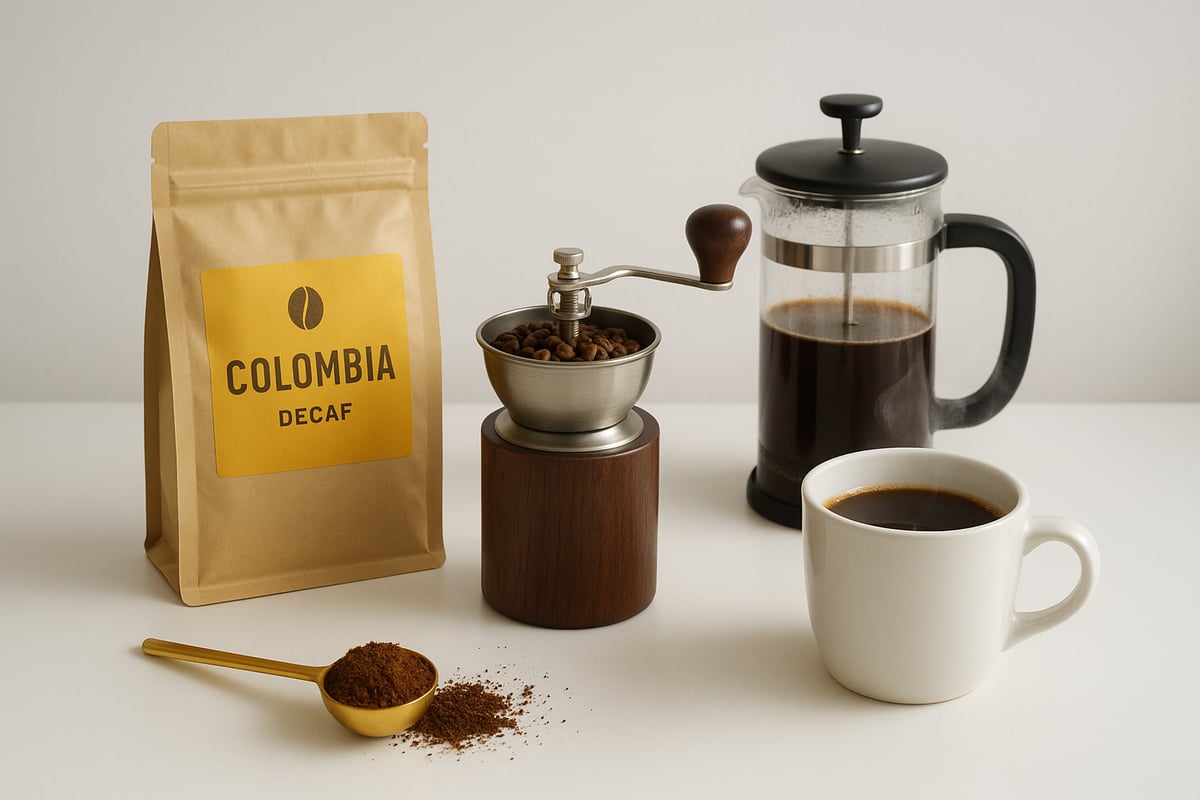
Start your Colombia decaf journey by selecting freshly roasted, specialty-grade beans. Look for clear roast dates and origin information. Light and medium roasts are ideal for highlighting the natural sweetness and subtle notes unique to Colombia decaf.
Grind size is crucial. For pour-over, use a medium-fine grind. French press calls for a coarse grind, while espresso works best with fine grounds. The right grind ensures balanced extraction and preserves the delicate flavors of Colombia decaf.
Store your beans in an airtight container, away from light and heat. This keeps your Colombia decaf fresh and vibrant for longer. Remember, whole beans stay fresh longer than pre-ground coffee, so grind just before brewing.
Brewing Methods for Smooth Flavor
Brewing Colombia decaf at home is all about precision and patience. Use filtered water heated to 195–205°F for optimal extraction. Here are step-by-step tips for top methods:
- Pour-over: Medium-fine grind, 1:16 coffee-to-water ratio, slow circular pour, let bloom for 45 seconds.
- French press: Coarse grind, steep for 4 minutes, gentle plunge for a full-bodied Colombia decaf.
- Espresso: Fine grind, 18–20g dose, 30-second extraction, adjust for crema and taste.
- Cold brew: Coarse grind, steep 16 hours in cold water, strain and enjoy over ice.
If you want more brewing inspiration, check out Brewing Colombian Coffee at Home for expert tips and recipes.
For decaf, consider a slightly finer grind or a longer bloom to enhance sweetness. Troubleshoot by adjusting grind or dose if your Colombia decaf tastes flat or sour.
Table: Brew Methods for Colombia Decaf
| Method | Grind Size | Brew Time | Flavor Notes |
|---|---|---|---|
| Pour-over | Med-fine | 3–4 min | Bright, clean, sweet |
| French press | Coarse | 4 min | Full-bodied, rich |
| Espresso | Fine | 25–30 sec | Intense, creamy |
| Cold brew | Coarse | 16 hours | Smooth, mellow, sweet |
Enhancing Your Decaf Experience
Pair your Colombia decaf with foods that complement its flavors. Dark chocolate, almond biscotti, or fresh fruit can bring out the bean’s natural sweetness.
Try creative drinks like decaf lattes, iced Colombia decaf, or even affogato for an evening treat. Colombia decaf is perfect for gatherings, offering a flavorful option without the caffeine buzz.
If you have friends who doubt decaf, serve a blind tasting. Many are surprised by the depth and smoothness of Colombia decaf. Evening consumption of decaf is rising, making it an excellent choice for relaxing after dinner.
Sustainability, Ethics, and the Future of Colombian Decaf
Sustainability and ethics are at the heart of the colombia decaf revolution in 2026. As more coffee lovers seek both wellness and social responsibility, the journey from farm to cup is gaining new meaning. Let’s explore how colombia decaf supports communities, protects the environment, and leads the way into the future.
Supporting Colombian Farmers and Communities
Behind every cup of colombia decaf is a network of dedicated farmers and their families. These growers, often working on small, generational farms, rely on coffee production for their livelihoods. Decaf coffee has become a powerful tool for economic stability, allowing farmers to access new markets and meet the needs of health-conscious consumers.
Ethical sourcing practices, such as fair trade and direct trade, are transforming the landscape. These models ensure farmers receive fair payment and long-term partnerships. Transparent pricing, like that offered by some specialty roasters, builds trust and empowers communities. For example, organizations such as the National Federation of Coffee Growers of Colombia play a pivotal role in supporting quality and farmer well-being.
Community initiatives funded by coffee sales are making a real difference. Projects include education, healthcare, and infrastructure improvements. The rise of ethical certifications is also notable. In recent years, over 40% of Colombian coffee has carried certifications like Fair Trade or Rainforest Alliance, strengthening the reputation of colombia decaf as a force for good.
Environmental Impact and Innovations
Producing colombia decaf sustainably requires a focus on water, energy, and waste management. Traditional decaffeination methods once consumed significant resources, but innovations are changing the game. The sugarcane ethyl acetate process, widely used in Colombia, uses a naturally derived solvent and allows for water recycling, reducing environmental impact.
Eco-friendly packaging is another step forward. Many roasters now use biodegradable bags and recyclable boxes, making it easier for consumers to choose sustainably. Some progressive farms and roasters have embraced solar-powered operations and carbon-neutral shipping, further lowering their footprint.
Recent data shows that these efforts have led to a 20% reduction in carbon emissions per pound of colombia decaf produced. By choosing brands that prioritize the planet, coffee lovers can help drive this positive trend.
What to Expect in 2026: Trends and Predictions
The future of colombia decaf looks bright. Demand is rising among specialty coffee drinkers and those prioritizing health. As new processing techniques emerge, expect even smoother and more complex flavors.
Single-farm and micro-lot colombia decaf offerings are set to expand, giving consumers more ways to explore unique regional profiles. Colombian producers are taking a leading role in the global specialty scene, with decaf projected to gain a larger share of the market by 2026.
By embracing sustainability and innovation, colombia decaf is redefining what it means to enjoy coffee—delivering exceptional taste with a conscience.
Frequently Asked Questions About Colombia Decaf
Curious about colombia decaf? You are not alone. Below, we answer the most common questions to help you confidently choose, brew, and enjoy colombia decaf—whether you are a seasoned coffee lover or just exploring caffeine-free options.
Is Colombian Decaf Coffee Really Caffeine-Free?
Colombia decaf is not entirely caffeine-free, but it contains only a fraction of the caffeine found in regular coffee. A typical 8-ounce cup of colombia decaf has around 2 to 3 milligrams of caffeine, compared to 70 to 140 milligrams in regular coffee.
Regulatory standards require that at least 97 percent of caffeine be removed for coffee to be labeled as decaf. That means colombia decaf is a safe choice for those who are sensitive to caffeine, pregnant, or enjoy coffee late in the day. If you are seeking the coffee experience without the jitters, colombia decaf is your answer.
Does Decaf Taste Different from Regular Colombian Coffee?
Many wonder if colombia decaf sacrifices flavor for caffeine removal. Thanks to advanced decaffeination methods, the taste gap between colombia decaf and regular Colombian coffee is shrinking fast.
Modern techniques preserve flavor compounds, allowing you to enjoy signature Colombian notes like chocolate, caramel, and bright fruit. Blind taste tests show most people cannot distinguish colombia decaf from its caffeinated counterpart, especially when brewed fresh. Try a cup and see if you can tell the difference—many specialty roasters pride themselves on delivering rich, full-bodied colombia decaf that stands up to any regular brew.
How Do I Store Colombian Decaf for Maximum Freshness?
Proper storage is key to keeping colombia decaf tasting its best. Use these tips to extend freshness:
- Store in an airtight container to block moisture and odors.
- Keep your colombia decaf in a cool, dark place—avoid sunlight and heat.
- Buy whole beans and grind just before brewing for optimal flavor.
Colombia decaf stays fresh for about two weeks after opening if stored well. Watch for signs of staleness like dull aroma or flat taste. If your colombia decaf smells musty or brews up weak, it is time to refresh your supply.
Is Colombian Decaf More Expensive? Why?
Colombia decaf often costs a bit more than regular coffee. Here is why:
| Factor | Colombia Decaf | Regular Colombian Coffee |
|---|---|---|
| Decaffeination Process | Included | Not needed |
| Sourcing Specialty Lots | Common | Common |
| Logistics | Slightly higher | Standard |
| Price per Pound | $15–$25 | $10–$20 |
The extra steps involved in decaffeination and maintaining quality add to the price. However, many find the value of colombia decaf—smooth flavor, wellness benefits, and specialty-grade beans—well worth the investment.
Can I Use Colombian Decaf in Espresso Machines?
Absolutely! Colombia decaf works beautifully in espresso machines and milk-based drinks. For the best results:
- Choose a fine grind size to boost extraction.
- Use a slightly higher dose to maximize flavor.
- Adjust brewing time if needed for colombia decaf's unique profile.
Many specialty cafes use single-origin colombia decaf for their decaf espresso shots. You can learn more about the benefits of Single-Origin Colombian Coffee and why it is a top choice for decaf espresso lovers. Experiment at home and discover how colombia decaf shines in lattes, cappuccinos, and even iced drinks.
Discover Piracii: Colombian Decaf with Adventure and Heart
Step into the world of Piracii, where adventure and heart go into every cup of colombia decaf. Piracii sources hand-picked, farm-direct beans from the misty Andes, ensuring each batch is smooth, never bitter, and naturally sweet.
This colombia decaf stands out with its ethical approach. Beans are grown organically, without chemicals, and every harvest supports Colombian farming communities. Unique flavor infusions, such as Caribbean rum barrel-aged decaf, add a subtle twist that never overpowers the pure coffee taste.
Ready for a new ritual? Piracii offers a 5-pound subscription for premium colombia decaf at a value price. Learn more and start your adventure with Piracii Coffee
After exploring Colombia’s rich coffee heritage and the incredible journey of decaf from misty mountain farms to your cup, it’s clear that smooth flavor and ethical sourcing go hand in hand. If you’re ready to taste what generations of passion and innovation can create, why not bring home the real thing yourself? With Piracii’s direct-from-the-farm beans, you get authentic Colombian decaf that’s never bitter, always fresh, and full of adventure. Plus, their 5-pound subscription gives you more coffee for less than anywhere else. Curious to experience the difference?


