


Ready to discover why Colombian espresso coffee is on track to lead the specialty coffee world in 2026? Coffee lovers everywhere are drawn to the bold, sweet, and balanced flavors that only Colombian beans can deliver.
Thanks to Colombia’s unique climate, rich geography, and generations of coffee expertise, these beans are perfectly suited for espresso aficionados seeking depth and complexity in every shot.
In this comprehensive guide, you’ll uncover expert tips, brewing secrets, and insider advice for choosing and preparing the ultimate Colombian espresso coffee.
Join us on a journey to better, bolder espresso—exploring origins, flavor profiles, roast options, advanced brewing techniques, top brands, and the latest trends shaping the future of Colombian espresso coffee.
The Colombian Coffee Legacy: Why It Excels for Espresso
Colombian espresso coffee stands apart in the specialty coffee world, thanks to a blend of natural advantages and generations of expertise. Dive into the reasons why Colombia’s beans are the go-to choice for espresso lovers and how this legacy shapes every cup.
Unique Geography and Climate
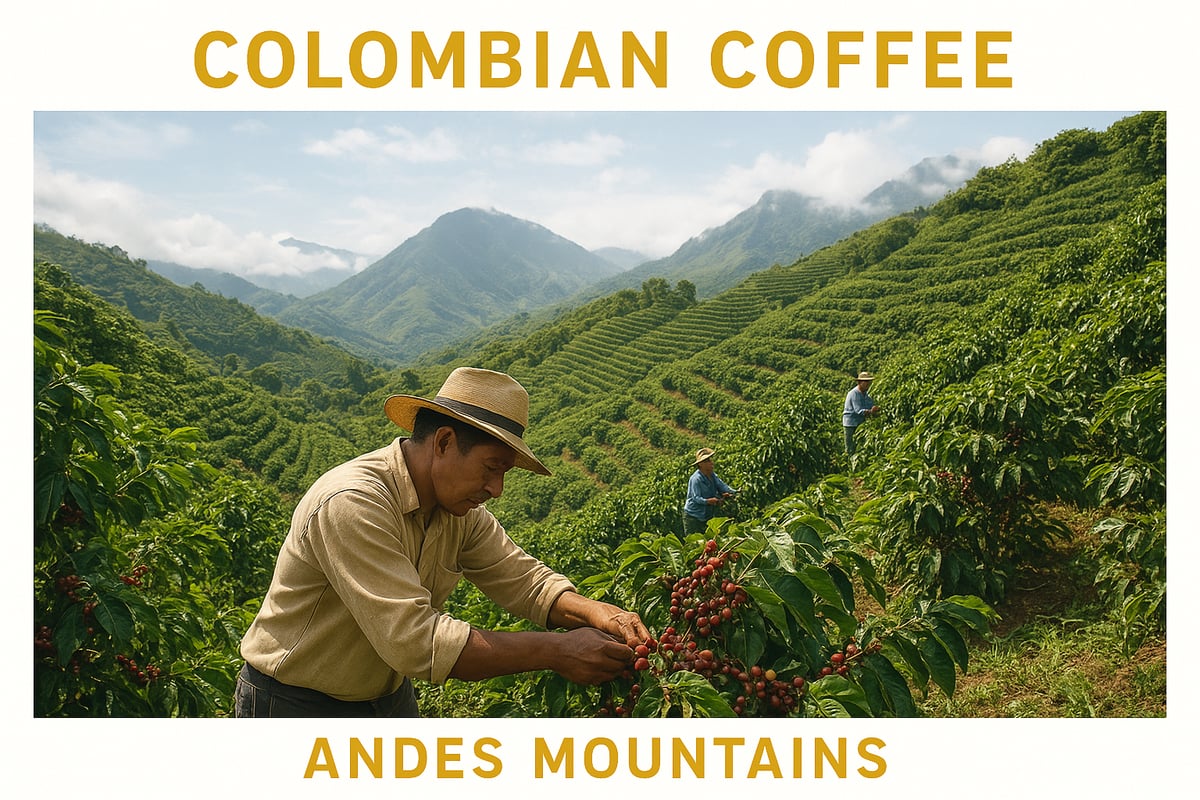
Colombia’s Andes Mountains, with elevations between 4,000 and 6,500 feet, create the perfect home for coffee plants. The volcanic soil is packed with nutrients, making it ideal for cultivating exceptional beans. Warm days help the cherries develop sugars, while cool nights slow ripening, leading to the signature sweetness and complexity found in the best Colombian espresso coffee.
Regions such as Antioquia, Caldas, and Quindío are renowned for producing high-quality beans. These areas benefit from consistent rainfall and stable temperatures, which result in harvests that deliver the classic flavors espresso drinkers crave. It’s this unique environment that gives Colombian espresso coffee its edge in the global market.
Coffee Varieties and Processing
Colombian espresso coffee is almost entirely made from Arabica beans, known for their smooth, balanced flavor. Farmers hand-pick only the ripest cherries, ensuring unmatched quality from the start. The washed processing method, a Colombian staple, removes the cherry pulp before drying, leading to a clean, bright cup.
Washed processing enhances the clarity of flavors, showcasing the nuanced sweetness and acidity that work so well in espresso. The careful selection and meticulous processing are reasons why Colombian espresso coffee consistently meets the expectations of discerning baristas.
Historical Reputation
Colombia’s reputation as a coffee powerhouse didn’t happen overnight. Decades of farmer expertise and generational knowledge have built a culture of excellence. Every step, from farm to export, is marked by strict quality control.
This dedication has earned Colombian espresso coffee global recognition as a top specialty origin. Consistency and reliability have helped Colombia maintain its position among the world’s best, with countless awards and accolades highlighting its legacy.
Espresso Suitability
What makes Colombian espresso coffee so perfect for espresso? It’s all about the natural sweetness, balanced acidity, and versatility in roast profiles. Whether you love a medium roast with complex flavors or a dark roast with bold chocolate notes, Colombian beans deliver.
The beans’ inherent qualities create a smooth, crowd-pleasing shot with low bitterness. For deeper insights and expert brewing tips, check out this Colombian Espresso Coffee Guide, which explores what sets these beans apart and how to make the most of them at home.
Consumer Insights and Data
Consumers consistently rank Colombian espresso coffee at the top in taste tests and barista competitions. The beans are praised for their low bitterness and smooth mouthfeel, even when brewed as intense espresso shots.
Baristas and home enthusiasts alike appreciate the forgiving nature of Colombian espresso coffee, making it a favorite on menus worldwide.
Example
Visit a specialty cafe in any major city, and you’ll likely spot Colombian espresso coffee featured as a single origin option. These cafes highlight the unique flavors and heritage of Colombia, inviting customers to experience the best in every shot.
The global embrace of Colombian espresso coffee continues to grow, reinforcing its legacy and future in the specialty coffee scene.
Flavor Profiles of Colombian Espresso Coffee
Unlocking the world of colombian espresso coffee means diving into a spectrum of flavors that set it apart from other origins. Whether you love your coffee bold and chocolatey or bright and fruity, Colombian espresso coffee offers something for every palate. Let’s explore what makes these beans so universally appealing and why they’re the top pick for espresso lovers worldwide.
Core Tasting Notes
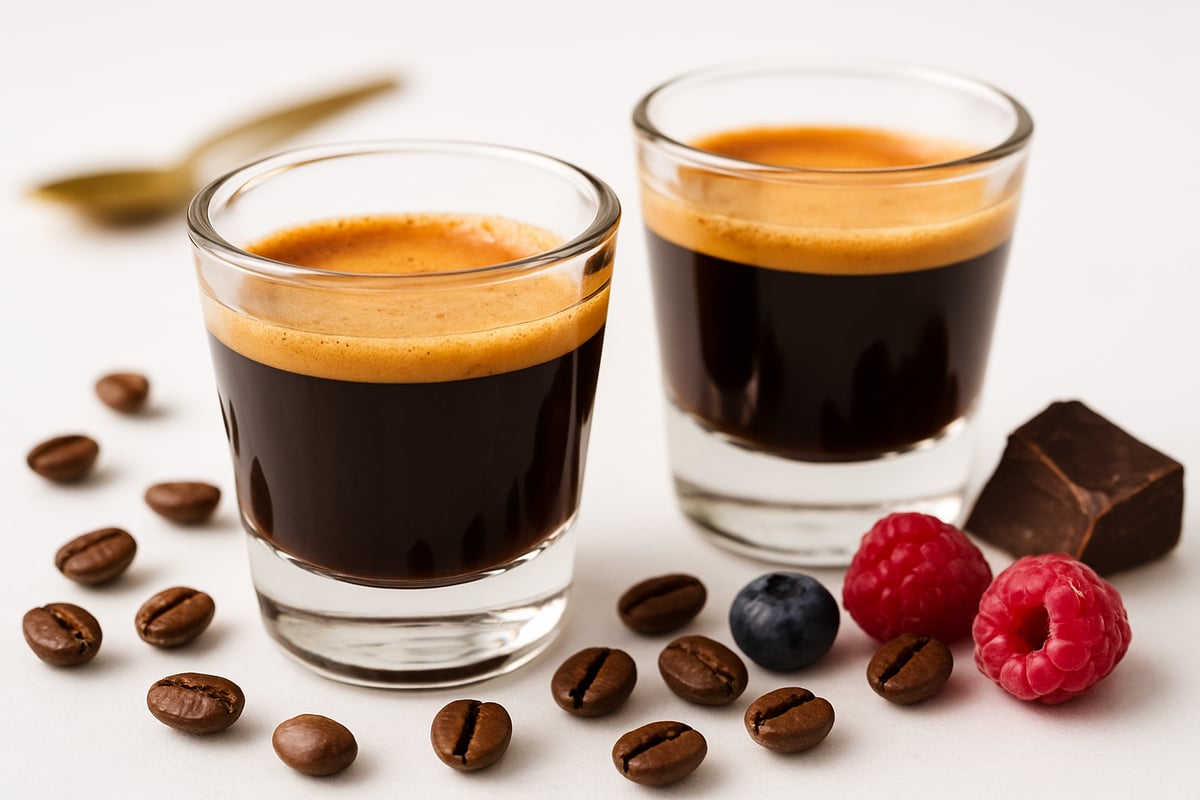
Colombian espresso coffee captures the essence of the country’s diverse climate and careful processing. Expect a foundation of rich chocolate, caramel, and nutty undertones, creating a comforting and familiar base for your espresso shots.
Subtle layers of fruitiness often peek through, with hints of red berries or citrus, especially in beans from higher altitudes. The acidity is typically medium to low, leading to a smooth, rounded mouthfeel that stands out in any espresso preparation.
- Chocolate: Deep, satisfying cocoa notes
- Caramel: Sweet, creamy undertones
- Nutty: Almond, hazelnut, or walnut hints
- Fruity: Red berries, citrus, or floral touches
This flavor complexity is why so many choose colombian espresso coffee for both classic and adventurous espresso drinks.
Regional Flavor Differences
Not all colombian espresso coffee tastes the same. Different regions offer distinct profiles shaped by altitude, soil, and microclimate. Antioquia beans tend to be chocolatey and full-bodied, perfect for those who love a traditional espresso shot. Huila stands out for its bright acidity, red fruit, and floral notes, bringing a lively twist to your cup. Nariño’s high elevations give beans a sweet, citrusy, and complex profile.
Here’s a quick comparison:
| Region | Core Notes | Acidity | Body |
|---|---|---|---|
| Antioquia | Chocolate, nutty | Low | Full |
| Huila | Red fruit, floral | Bright | Medium |
| Nariño | Sweet, citrusy, complex | Medium | Medium |
For a deeper dive into these unique regional characteristics, check out this Colombian Coffee Flavor Profiles by Region guide.
Roast Level Impact
Roast level can dramatically shift the taste of your colombian espresso coffee. Medium roasts are a favorite for espresso, as they highlight sweetness and showcase the bean’s origin flavors. You’ll notice caramel and chocolate notes shining through, balanced with gentle acidity.
Opting for a dark roast intensifies the chocolate and caramel, reduces acidity, and creates a bold, smooth shot that is especially appealing in milk-based drinks. Light roasts are more adventurous, bringing out pronounced fruit and floral qualities, but they require precise dialing in for espresso machines.
No matter your preference, choosing the right roast unlocks the full potential of colombian espresso coffee.
Suitability for Milk-Based Drinks
Colombian espresso coffee is a versatile choice for lattes, cappuccinos, and flat whites. The natural sweetness and balanced acidity mean your espresso blends seamlessly with milk, avoiding any sour or harsh notes that can occur with higher-acidity beans.
Many baristas and home brewers rave about how the caramel and chocolate flavors in colombian espresso coffee come alive when paired with steamed milk. This makes it a crowd-pleaser, especially for those who enjoy milk-based espresso drinks but want to avoid bitterness.
Consumer Preferences
Espresso drinkers consistently praise colombian espresso coffee for its approachable, smooth profile. In online forums and reviews, users mention the low bitterness and rich flavor, making it a go-to recommendation for beginners and seasoned coffee fans alike.
Amazon reviewers often highlight how well colombian espresso coffee performs in home espresso machines, noting its forgiving nature and versatility for both straight shots and milk drinks. If you’re searching for a coffee that pleases a range of tastes, colombian espresso coffee is a proven favorite.
Selecting the Best Colombian Beans for Espresso in 2026
Finding the perfect colombian espresso coffee for your setup in 2026 means looking beyond just a shiny bag. There are key factors that determine if your next shot will be exceptional or just average. Let's break down what to look for, how to choose, and which brands stand out so you can brew with confidence.
Freshness and Sourcing
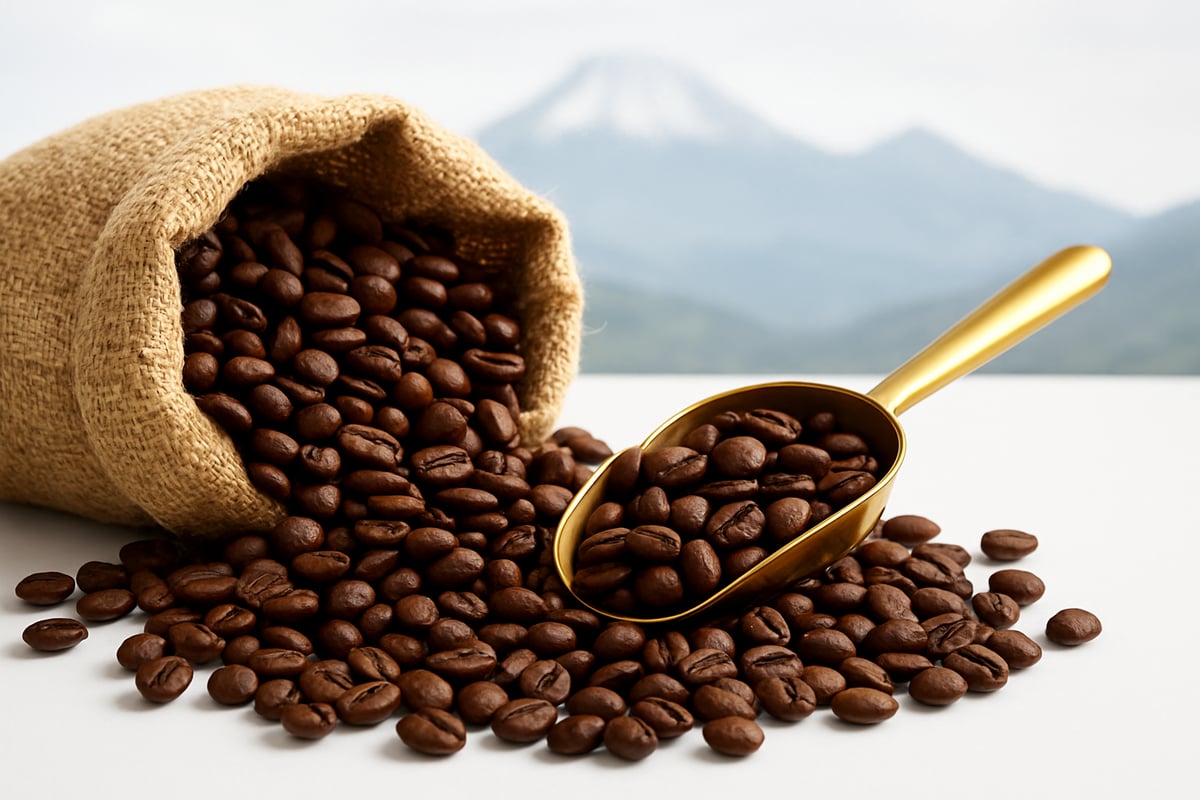
When it comes to colombian espresso coffee, freshness is everything. Beans lose their vibrant flavors quickly after roasting, so always check for a visible roast date. Avoid bags labeled only with "best by" dates.
Look for direct trade or farm-direct options. These ensure transparency and mean you are getting the highest quality. Reputable roasters often work directly with Colombian farmers, guaranteeing a fresher product and fairer compensation for growers.
Buying from specialty shops or trusted online sources helps you avoid old or poorly stored beans. Remember, fresher beans equal better crema and richer espresso shots.
Arabica vs. Robusta
Colombian espresso coffee is almost always 100 percent Arabica. Arabica beans are known for their smooth, nuanced flavors and gentle acidity, making them perfect for espresso.
Robusta beans, while higher in caffeine, tend to be harsher and more bitter. For those seeking a refined and complex cup, Arabica is the clear winner. This is why Colombia’s reputation for premium espresso rests on Arabica’s shoulders.
When shopping, always confirm the bag states "100 percent Arabica." This ensures the delicate sweetness and balance Colombian espresso is celebrated for.
Roast Profile Selection
The roast level of your colombian espresso coffee has a major impact on taste. Medium roasts shine with balanced sweetness and showcase regional flavors. Dark roasts bring forward bold chocolate notes and lower acidity, which can be ideal for classic espresso lovers.
Light roasts are less common for espresso but offer adventurous drinkers vibrant fruit and floral notes. These can be tricky to dial in, requiring precise grind and extraction techniques.
Choose your roast based on your taste preference and brewing equipment. Experimenting with different roast levels helps you discover the perfect cup for your palate.
Single Origin vs. Blends
Single origin colombian espresso coffee highlights the unique character of specific regions like Huila, Antioquia, or Nariño. These coffees can display signature notes from red berries to rich chocolate.
Blends, on the other hand, mix beans from multiple farms or regions to create a consistent flavor profile. They are often designed for reliability and everyday use.
For espresso enthusiasts, single origin beans offer a true taste of Colombia’s terroir, while blends provide balance and versatility for milk-based drinks.
Ethical and Organic Considerations
Modern coffee drinkers care about ethics and sustainability. When selecting colombian espresso coffee, look for certifications like:
- Fair Trade
- Rainforest Alliance
- Organic
Supporting certified farms ensures better wages for farmers and environmentally friendly practices. Many Colombian farms are moving toward organic and shade-grown methods, improving both quality and sustainability.
Choosing ethical options means every cup supports Colombia’s coffee communities and the planet.
Example Brands and Roasters
There are many excellent sources for colombian espresso coffee in 2026. Notable specialty roasters include:
| Brand/Roaster | Roast Level | Notable Feature |
|---|---|---|
| Koffee Kult | Dark | Smooth, low acidity |
| Caffe Vita | Medium | Balanced, approachable |
| Cuvee Coffee | Medium/Dark | Chocolatey, forgiving |
| Royal Beans (Amazon) | Medium | Artisan roasted, easy buy |
For more detailed recommendations, check out this guide on the Best Colombian Coffee to Buy.
The Soul of Piracii Coffee: Farm-Direct Colombian Excellence
Piracii Coffee is redefining colombian espresso coffee by sourcing directly from the heart of Colombia’s coffee triangle. Each batch is crafted from hand-picked, organic cherries, often aged in Caribbean rum barrels for a unique twist.
They offer both medium and dark roasts designed specifically for espresso, emphasizing natural sweetness and balance. Subscription options make it easy to receive fresh beans, often at a lower price than grocery store brands.
Every cup of Piracii Coffee connects you to Colombia’s living coffee heritage, supporting ethical sourcing and the adventure of authentic, specialty coffee.
Expert Brewing Techniques for Colombian Espresso
Unlocking the full flavor potential of colombian espresso coffee hinges on mastering a few expert brewing techniques. Whether you are a home barista or a seasoned pro, these strategies will help you consistently pull rich, balanced shots that showcase the unique profile of Colombian beans.
Dialing in the Perfect Shot
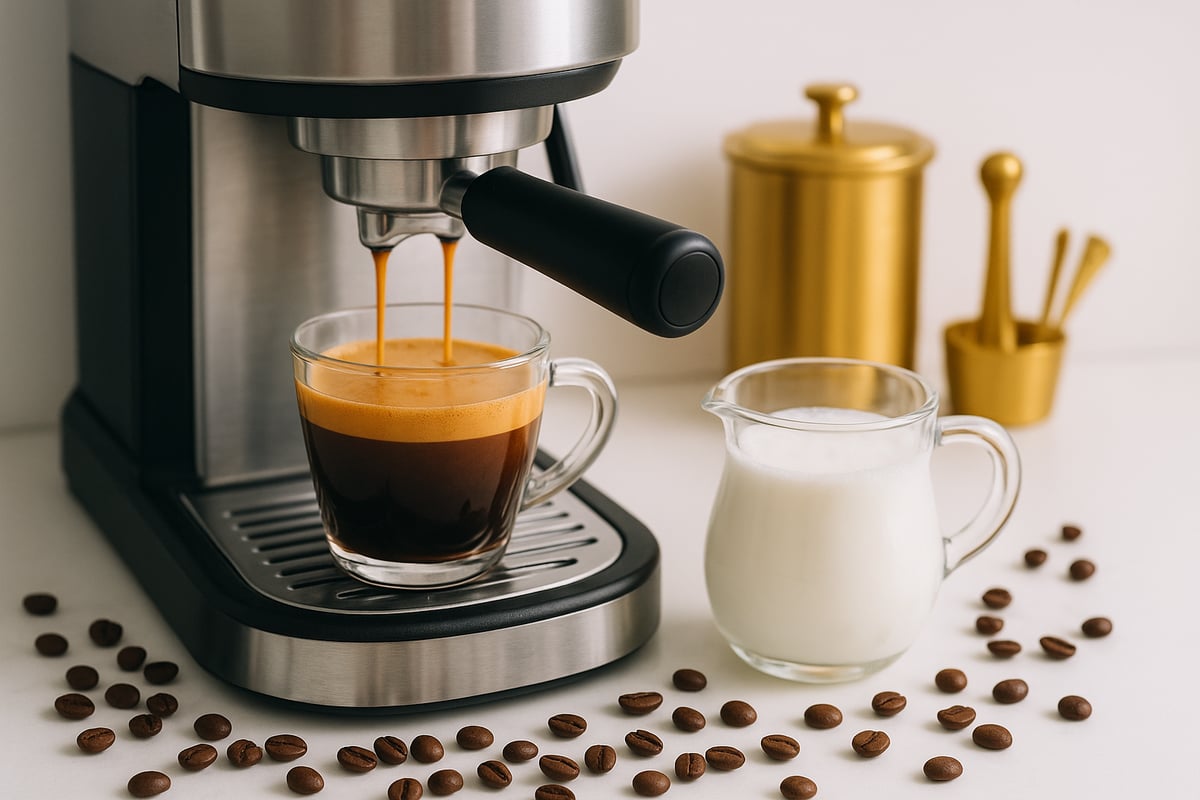
To get the most out of colombian espresso coffee, start by dialing in your grind size. For medium and dark roasts, a standard espresso grind works best, while lighter roasts may need a finer grind to extract optimal sweetness and complexity. Use a dose of 18–20g of coffee for a double shot, aiming for a yield of 36–40g in the cup.
Colombian beans often have high solubility, so adjust your extraction time and grind to balance sweetness and acidity. Remember, every bag of single origin beans is unique, so tweak your recipe as needed. For more details on how single origin Colombian beans impact espresso extraction, check out Single Origin Coffee Colombia. Taste and adjust until you find that sweet spot.
Water Quality and Temperature
Water quality is critical when brewing colombian espresso coffee. Use filtered water to avoid off-flavors and protect your espresso machine from scale buildup. The ideal brewing temperature is between 92–95°C (197–203°F). This range extracts the natural sweetness and subtle fruit notes of Colombian beans without introducing bitterness.
If your espresso tastes flat or sour, try increasing the temperature slightly. For the best results, invest in a reliable thermometer or a machine with PID temperature control. Good water and precise temperature make all the difference in every cup.
Pressure and Extraction Time
Proper pressure is key for extracting the rich crema and full body that define colombian espresso coffee. Aim for a pressure of 9 bars throughout the shot. Extraction time should typically fall between 25 and 30 seconds for a double shot, but always adjust based on taste and visual cues.
A balanced extraction time ensures that you pull all the chocolatey, caramel, and fruity notes from the beans. If you notice blonding or a weak crema, try tightening your grind or adjusting your dose. Consistent pressure and timing are your allies for espresso excellence.
Milk Steaming Tips for Colombian Espresso
Steaming milk for colombian espresso coffee drinks like lattes and cappuccinos requires a gentle touch. Start with cold, fresh milk and use a clean steam wand. Stretch the milk with small, controlled movements to create microfoam that enhances the espresso’s sweetness and smooth mouthfeel.
Avoid overheating—keep milk below 65°C (150°F) to preserve natural sugars and prevent bitterness. Colombian beans’ low acidity means your milk drinks will taste balanced and never sour. Practice makes perfect, so experiment until you achieve silky, creamy microfoam every time.
Common Challenges and Solutions
Even seasoned baristas face challenges when brewing colombian espresso coffee. If your shot tastes sour, try a finer grind, higher dose, or a slightly longer extraction. Bitter or harsh shots may need a coarser grind or lower brewing temperature.
Channeling, where water finds weak spots in the puck, is another issue. To prevent this, distribute grounds evenly and tamp with consistent pressure. Keep your equipment clean to avoid unwanted flavors. Troubleshooting is part of the journey toward espresso mastery.
Expert Insights
Baristas recommend highlighting the chocolate and caramel notes of colombian espresso coffee by using pre-infusion and blooming techniques. Pre-infuse with a small amount of water for 5–7 seconds before ramping up to full pressure, which helps unlock sweetness and balance.
Experiment with your grind and dose until you find what best showcases your beans. Online communities like Reddit are full of success stories from users who tweak their recipes for Colombian espresso. With patience and practice, you will soon craft café-quality shots at home.
Recommended Colombian Espresso Coffees and Roasters for 2026
Finding the best colombian espresso coffee for your home or café in 2026 means navigating a vibrant market filled with options. Whether you crave bold chocolate notes or a subtle fruit finish, Colombia offers something for every espresso lover. Let’s explore which brands and roasters are setting the standard for quality and flavor.
Top-Rated Brands and Products
When it comes to colombian espresso coffee, a few standout brands dominate the specialty scene for 2026. These roasters consistently deliver on flavor, balance, and quality.
| Brand | Roast Level | Key Notes | Best For |
|---|---|---|---|
| Koffee Kult Dark Roast | Dark | Low acidity, chocolate | Milk drinks, lattes |
| Cuvee Coffee Karmadillo | Medium-Dark | Chocolatey, rich | Home espresso machines |
| Caffe Vita Cafe del Sol | Medium | Balanced, crowd-pleasing | Straight espresso |
| Royal Beans (Amazon) | Medium | Artisan, 100% Arabica | Convenience, subscriptions |
Consumers praise these brands for their smooth mouthfeel and forgiving extraction, making them ideal for both beginners and seasoned baristas. Each offers a unique take on colombian espresso coffee, so sampling a few is a great way to find your favorite.
Specialty Colombian Roasters
Beyond big names, Colombia’s own micro-roasters are making waves by offering direct-to-consumer options. These specialty producers focus on traceability, freshness, and unique regional lots that showcase the full range of colombian espresso coffee flavors.
Many of these roasters are highlighted in resources like Specialty Coffee in Colombia, which dives into the country’s evolving specialty scene. Expect hand-picked beans, innovative processing, and a deep commitment to quality. Sourcing directly from these roasters means every cup supports sustainable practices and connects you to Colombia’s coffee heritage.
Buying Tips
To get the most from your colombian espresso coffee experience, keep these tips in mind:
- Check roast dates. Freshness is key, so look for beans roasted within the last 2–4 weeks.
- Opt for subscriptions. Many roasters offer discounts and guaranteed freshness with regular deliveries.
- Choose direct-trade or ethical certifications for quality and sustainability.
- Try smaller bags if you like experimenting with different origins or roast profiles.
- Store beans in an airtight container away from light and heat to preserve flavor.
These steps ensure every shot you pull captures the vibrant character of colombian espresso coffee.
Community Recommendations
Coffee communities on Reddit and specialty forums consistently recommend colombian espresso coffee for its versatility and approachability. Users highlight its smooth taste and ability to shine both as straight espresso and in milk-based drinks.
Many home baristas appreciate how forgiving Colombian beans can be, especially when dialing in grind and extraction settings. Community feedback suggests starting with a medium roast for balanced results, then exploring darker or lighter options as your palate develops.
Try different brands and share your experiences—your perfect colombian espresso coffee might be just a shot away.
Trends and Innovations in Colombian Espresso Coffee for 2026
The world of colombian espresso coffee is rapidly evolving, driven by innovation, consumer demand, and a passion for quality. As we look to 2026, both producers and coffee lovers are experiencing a wave of exciting changes that are shaping the future of the cup.
Processing Innovations
One of the most exciting trends in colombian espresso coffee is the rise of experimental processing methods. Producers are moving beyond traditional washed coffees, embracing honey, natural, and even unique fermentations to unlock new flavors.
Honey and natural processes allow for more fruit-forward and aromatic profiles, which are increasingly sought after by specialty coffee drinkers. Micro-lots, often featuring these innovative methods, are becoming more available, giving espresso enthusiasts a chance to explore rare and complex taste experiences.
These new techniques not only diversify flavor but also help farmers differentiate their offerings in a crowded market. The result is a vibrant scene where every cup tells a unique story of place and process.
Technology and Equipment
Advancements in home espresso machines and grinders are making it easier than ever to get the most from colombian espresso coffee. Modern equipment offers precise control over temperature, pressure, and grind size, helping both beginners and experts achieve café-quality results at home.
App-based tools are also on the rise, guiding users through dialing in their espresso and tracking their favorite recipes. This technology empowers coffee lovers to experiment with different colombian espresso coffee beans and discover their personal preferences.
Baristas in specialty cafes are leveraging these innovations to showcase the full spectrum of Colombian flavors, making every shot more consistent and expressive.
Sustainability and Traceability
Sustainability is at the heart of the colombian espresso coffee movement in 2026. Consumers are demanding transparency, from farm to cup, and producers are responding with advanced traceability solutions.
Colombian cooperatives and exporters are increasingly using blockchain and digital tracking to provide detailed information about origin, farming practices, and ethical sourcing. Certifications like Fair Trade and Rainforest Alliance are more prevalent, reflecting a commitment to responsible production.
These innovations not only protect the environment but also support farming communities, ensuring that every cup of colombian espresso coffee contributes to a brighter future.
Flavor Trends
Flavor preferences are shifting, with a growing interest in lighter roasts and fruit-forward colombian espresso coffee profiles. Adventurous coffee drinkers are seeking out espressos that highlight regional characteristics, such as red berry or citrus notes.
Blending Colombian beans with other origins is also gaining popularity, resulting in signature espresso blends that balance sweetness, acidity, and body. Specialty cafes are responding by offering curated espresso flights and creative drinks that showcase these evolving flavors.
This movement is making colombian espresso coffee more dynamic and appealing to a broader audience.
Market Data
The global demand for colombian espresso coffee is stronger than ever, with exports expected to rise significantly in the coming years. According to Colombia's Coffee Production Forecast 2025/26, specialty and espresso segments are leading this growth as more consumers seek high-quality, traceable beans.
Recent reports highlight a surge in Colombian coffee production, further fueling innovation and expanding options for espresso enthusiasts. Specialty cafes and home brewers alike are benefiting from this abundance, with reviews and ratings reflecting high satisfaction.
As these trends continue, colombian espresso coffee is set to remain at the forefront of the specialty coffee revolution.
Frequently Asked Questions about Colombian Espresso Coffee
Thinking of exploring the world of Colombian espresso coffee? Here are the answers to the most common questions to help you brew with confidence and choose the right beans for your taste.
Is Colombian coffee good for espresso?
Absolutely. Colombian espresso coffee is prized for its smooth, balanced profile and natural sweetness. Its quality is recognized worldwide, and recent reports show Colombian coffee production surging, ensuring a steady supply of exceptional beans for espresso lovers.
What roast level is best for Colombian espresso?
Medium to dark roasts are most popular, highlighting chocolate, caramel, and nutty notes. Medium roasts offer bright, complex flavors, while dark roasts deliver bold, low-acidity shots. Choose based on your flavor preference.
How does Colombian espresso compare to other origins like Brazil or Ethiopia?
Colombian espresso coffee is known for its approachable balance, with less bitterness than Brazil and a smoother, less acidic profile than many Ethiopian coffees. It's a crowd-pleaser, ideal for both straight shots and milk drinks.
Can Colombian beans be used for both straight espresso and milk-based drinks?
Yes. The low acidity and rich body of Colombian espresso coffee make it perfect for lattes, cappuccinos, and cortados. It creates a harmonious blend whether enjoyed alone or with milk.
What are the best brewing parameters for Colombian espresso?
Aim for a 1:2 ratio: 18–20g of ground coffee in, 36–40g out. Use a water temperature between 92–95°C. Adjust grind size and extraction time to fine-tune sweetness and crema.
How to store Colombian espresso beans for maximum freshness?
Keep beans in an airtight container, away from light, heat, and moisture. Whole beans stay fresher longer, so grind just before brewing for best results.
Are there decaf Colombian espresso options available?
Definitely. Many roasters offer decaf Colombian espresso coffee using the sugar cane or Swiss Water process, preserving much of the original flavor without the caffeine.
Tips for beginners choosing their first Colombian espresso beans?
Start with a reputable medium roast from a specialty roaster. Look for fresh roast dates and consider single origin for unique flavor. Experiment with grind and dose to discover your perfect cup.
If you’re ready to taste the real heart of Colombia in every espresso shot, there’s never been a better time. We’ve explored how the unique climate, volcanic soil, and generations of passionate farmers make Colombian beans truly standout—especially when it comes to bold, smooth espresso. You deserve coffee that’s as adventurous and authentic as you are. Why settle for ordinary when you can connect directly to the source and save big at the same time? Discover the difference that fresh, farm-direct beans make in your cup—Get the Best Coffee at the Best Price Here.


