


Picture yourself holding a cup of colombian espresso, the crema swirling with notes of chocolate and citrus, crafted from beans grown high in the Andes. This guide will show you exactly how to brew the perfect cup in 2025, blending tradition, science, and expert tips. Discover why Colombian beans are exceptional, how to choose the right roast, and step-by-step brewing methods. Explore flavor profiles, new trends, and professional advice for both home and café baristas. Unlock the secrets of colombian espresso and elevate your coffee experience with every sip.
Why Colombian Coffee is Ideal for Espresso
What makes Colombian espresso stand out in a crowded world of coffee? From the misty peaks of the Andes to the rich volcanic soils, Colombia’s unique environment creates beans that are tailor-made for exceptional espresso. Let’s dive into what sets Colombian espresso apart, and why it’s the top pick for baristas and home enthusiasts alike.
Unique Geography and Climate
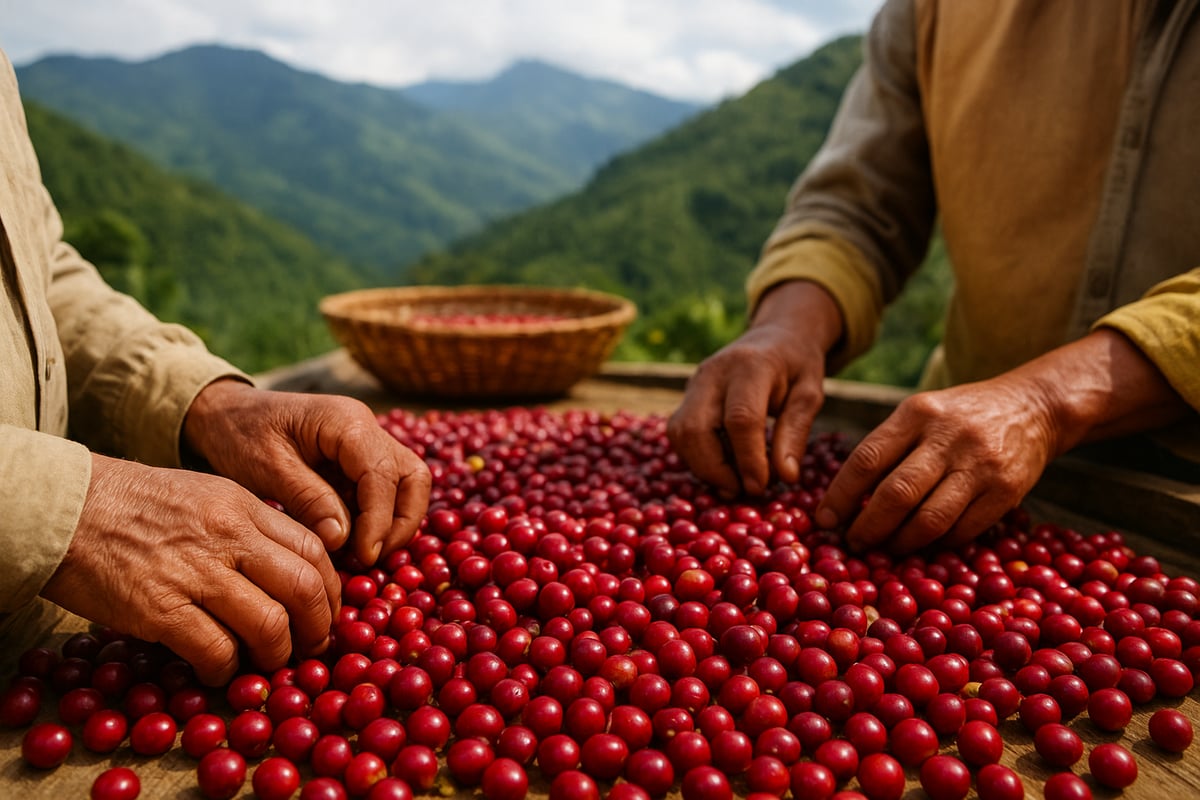
Colombian espresso begins its journey high in the Andes, where coffee farms perch between 4,000 and 6,500 feet. This altitude slows the ripening of coffee cherries, intensifying sweetness and complexity. Volcanic soil, rich in minerals, gives every bean a unique depth.
Distinct microclimates in regions like Antioquia, Caldas, and Quindío allow for a diverse range of flavor profiles. Consistent rainfall and temperature swings nurture balanced sweetness in every batch. The famed Coffee Triangle, recognized worldwide, is proof of Colombia’s reputation for premium beans—perfect for crafting outstanding Colombian espresso.
Bean Varieties and Processing Methods
Colombian espresso is defined by its focus on Arabica beans, prized for their smooth, nuanced flavors. Popular varietals such as Caturra, Castillo, Typica, and Bourbon each bring subtle differences to the cup. The wet (washed) processing method, standard in Colombia, produces a clean and bright taste.
Hand-picked harvesting ensures only the ripest cherries are used, maximizing quality. Specialty roasters consistently favor washed Colombian beans for their clarity. For a deeper dive into how these varieties and methods shape your cup, check out this Colombian Coffee Bean Guide.
Flavor Profiles Suited for Espresso
Colombian espresso is celebrated for its harmonious blend of chocolate, caramel, nutty, and gentle fruit notes. The naturally low acidity makes it gentle on the stomach, standing apart from more acidic African coffees.
A smooth, full body ensures rich crema and an inviting mouthfeel. Sweetness takes center stage, with a balance that avoids bitterness or harshness. Colombian coffees consistently win international flavor competitions, confirming why they’re the gold standard for espresso lovers.
Consistency and Quality Control
The quality of Colombian espresso is fiercely protected by the Federación Nacional de Cafeteros (FNC). Rigorous standards ensure traceability from farm to cup. Beans are sorted by size and density, with only defect-free lots making the grade.
Supremo and Excelso grades are especially sought after for espresso blends. Colombia exports over 13 million bags annually, and the share of specialty coffee continues to grow. This unwavering commitment to excellence guarantees every sip of Colombian espresso delivers on flavor and quality.
Sustainability and Ethical Sourcing
Colombian espresso is also a leader in sustainability. Many farms are certified organic or Rainforest Alliance, and fair trade practices are the norm. Direct relationships between farmers and roasters mean better wages and higher quality.
Shade-grown coffee supports biodiversity, while family-owned farms pass down traditions through generations. For today’s espresso drinker, ethical sourcing is more than a trend—it’s a priority. Choosing Colombian espresso means supporting a legacy of stewardship and community.
Choosing the Best Colombian Beans for Espresso
Selecting the right colombian espresso beans can transform your daily ritual into a true moment of pleasure. With so many options available, knowing what to look for ensures your cup is always exceptional.
Roast Level: Light, Medium, or Dark?
Roast level is a key factor in crafting your ideal colombian espresso. Medium roasts are popular for their balance of sweetness and complexity, offering a smooth, approachable profile. Dark roasts deliver bold, chocolatey flavors that shine in traditional espresso recipes, especially when paired with milk.
Light roasts, on the other hand, highlight delicate fruit and floral notes, perfect for adventurous drinkers seeking something unique. For example, Koffee Kult Dark Roast is often praised for its performance in milk-based drinks. Remember, your roast choice directly impacts flavor clarity and extraction success, so explore different levels to find your perfect match.
Whole Bean vs. Pre-Ground: Freshness Matters
To maximize the aroma and depth of your colombian espresso, always choose whole bean coffee and grind just before brewing. Whole beans lock in volatile oils and flavors, while pre-ground coffee loses up to 60% of its aroma in only 15 minutes. If convenience is essential, options like Amazon’s Royal Beans ground coffee can be a quick fix, but you’ll sacrifice some freshness.
Invest in a quality burr grinder to unlock the full potential of your beans. Fresh grinding ensures every shot is vibrant, aromatic, and satisfying, making a noticeable difference in your daily espresso experience.
Recognizing Quality Marks and Origins
When shopping for colombian espresso beans, look for FNC certification and labels like “Supremo” or “Excelso.” These marks signal rigorous quality standards and defect-free beans. Single-origin coffees offer pure, traceable flavors from specific regions, while blends provide added complexity.
Transparency matters. Trustworthy brands like Café del Sol (Caffe Vita) proudly display their sourcing and regional details. Regional origin, such as Huila or Antioquia, can significantly affect taste, so try different areas to discover your preferred profile.
Ethical and Direct Trade Options
Supporting ethical sourcing in your colombian espresso journey benefits both you and the farming communities. Seek out brands with direct trade relationships, organic, Rainforest Alliance, or Fair Trade certifications. Piracii Coffee, for instance, stands out for its focus on direct sourcing and organic practices.
Direct trade arrangements can boost farmer income by 20–30 percent, ensuring sustainable livelihoods. Ethical choices not only deliver better coffee but also support environmental stewardship and social impact, which modern espresso lovers increasingly value.
Price vs. Value: What to Expect
Specialty colombian espresso beans usually range from $13 to $25 per pound. While grocery store options may seem cheaper, higher prices often reflect superior freshness, ethical sourcing, and careful processing. Larger bags or subscription services like Piracii’s 5 lb offering can provide better value for frequent drinkers.
When weighing cost, consider what matters most: flavor, freshness, and the story behind your beans. Investing a little more in quality often rewards you with a richer, more satisfying espresso experience.
The Soul of Piracii Coffee: Farm-Direct Colombian Espresso
Piracii Coffee brings farm-direct colombian espresso to your cup by sourcing single-origin beans straight from Colombia’s mountain farms. Their focus on hand-picked cherries, organic cultivation, and traditional processing techniques preserves the authentic taste of Colombia.
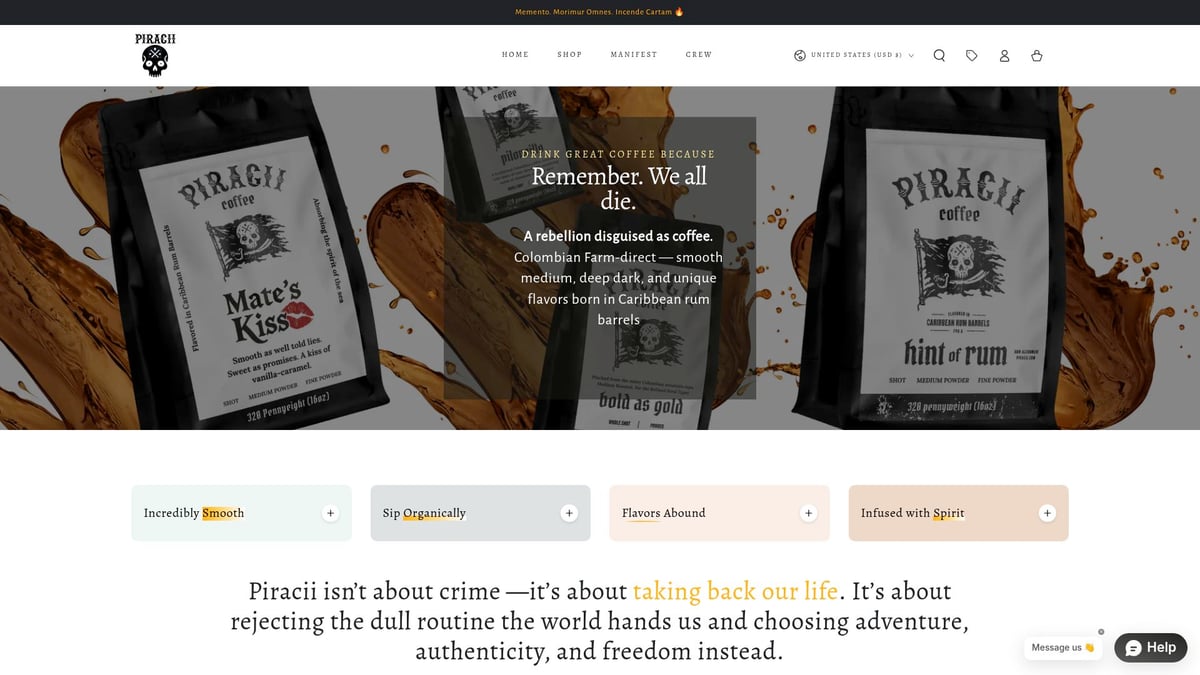
Each roast is crafted to highlight natural sweetness and smoothness, never bitterness. Piracii’s specialty infusions, like Caribbean rum barrel aging, enhance rather than mask the origin’s character. Their subscription model offers espresso lovers consistent savings and fresh deliveries. By supporting local farmers and celebrating Colombia’s coffee heritage, Piracii ensures an exceptional, ethical cup. Explore more about Specialty Coffee in Colombia to deepen your understanding and appreciation.
Step-by-Step Guide: Brewing the Perfect Colombian Espresso in 2025
Ready to master the art of brewing Colombian espresso at home or in your café? This practical guide walks you through every essential step, helping you capture the rich flavors and smooth crema that make Colombian espresso world-famous. Let’s dive in and get hands-on.
Step 1: Bean Selection and Storage
Start with the freshest, highest-quality Colombian espresso beans you can find. Choose beans labeled Supremo or specialty grade for peak flavor. Always check the roast date—freshness is key.
Store your beans in an airtight container, away from light, heat, and moisture. Buy small batches or use a subscription service for regular deliveries. This keeps your Colombian espresso vibrant and aromatic.
Tip: Mark the roast date on your container and aim to use the beans within 2–4 weeks for optimal flavor. Avoid pre-ground coffee, as it loses aroma quickly. Investing in freshness pays off in every cup.
Step 2: Grinding for Espresso
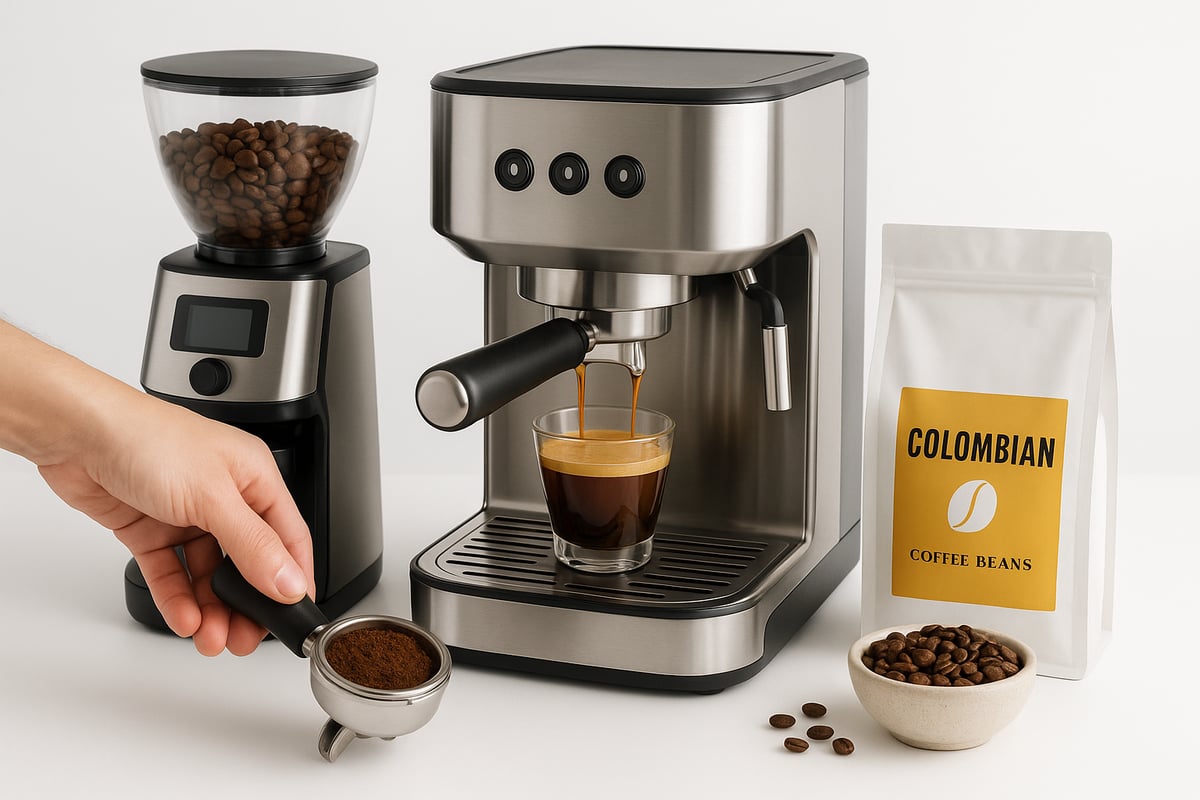
Use a burr grinder, not a blade grinder, for consistent particle size. Burr grinders ensure your Colombian espresso grounds are uniform, which is crucial for even extraction and rich crema.
Grind your beans just before brewing. Set your grinder to a fine setting, roughly the texture of table salt. If your espresso shots are running too quickly, adjust to a finer grind. If they’re too slow, go coarser.
- Uniform grind = balanced extraction
- Grind only what you need
- Adjust as you go
Proper grinding unlocks the full flavor potential of Colombian espresso and delivers the signature crema you crave.
Step 3: Dosing and Tamping
Weigh out 18–20 grams of ground coffee for a double shot, the standard for Colombian espresso in 2025. Distribute the grounds evenly in your portafilter to avoid channeling.
Use a calibrated tamper and press down with consistent pressure (about 30 pounds). An even, firm tamp creates a uniform puck and helps prevent uneven extraction.
- Even distribution = even extraction
- Consistent tamp = repeatable results
Home baristas often use dosing funnels or tools for added precision. Fine-tune your technique to maximize the quality of your Colombian espresso.
Step 4: Water Quality and Temperature
Water makes up over 90% of your espresso, so its quality directly influences taste. Use filtered water with mineral content between 50–150 ppm to enhance your Colombian espresso’s natural flavors.
Set your machine’s water temperature between 195–205°F (90–96°C). Avoid distilled water, which can strip away flavors, and overly hard water, which may cause scaling.
- Filtered water = cleaner taste
- Proper temperature = optimal extraction
Many modern machines offer PID controls for precise temperature settings. Consistent water quality is the backbone of great Colombian espresso.
Step 5: Extraction and Timing
Aim for a 1:2 ratio—18 grams of coffee in, 36 grams of espresso out—in about 25–30 seconds. Watch for a steady, golden crema as your Colombian espresso pours.
Adjust grind size, dose, or tamp if your shot is too fast or too slow. Finer grind slows extraction, coarser speeds it up. Taste is your best guide: tweak variables until you hit your preferred flavor profile.
- 1:2 ratio = classic espresso
- 25–30 seconds = ideal window
Dialing in extraction is how you achieve that perfectly balanced Colombian espresso.
Step 6: Milk Steaming and Latte Art (Optional)
For milk-based drinks, use fresh, cold whole milk or barista-grade plant milk. Steam to 140–150°F for silky microfoam that pairs beautifully with Colombian espresso’s sweetness.
Pour slowly to create latte art. The natural caramel and chocolate notes in Colombian espresso shine in cappuccinos and lattes.
- Silky milk = smooth mouthfeel
- Latte art = professional touch
Practice texturing your milk for glossy, creamy foam. Colombian espresso’s balanced profile makes it ideal for both straight shots and milk drinks.
Step 7: Cleaning and Maintenance
Clean your espresso machine’s group head, portafilter, and grinder after every use to keep flavors pure. Descale your machine regularly, especially if using hard water.
Store beans in a cool, dark place, and keep your equipment in top shape. Neglecting cleaning can lead to bitter, unpleasant flavors and shorten your machine’s lifespan.
- Daily cleaning = better taste
- Regular descaling = longer machine life
A well-maintained setup ensures your Colombian espresso always tastes fresh and vibrant.
Colombian Espresso Flavor Profiles: What to Expect
Colombian espresso is celebrated for its captivating balance, smoothness, and inviting aroma. Whether you’re a seasoned barista or just starting your espresso journey, understanding these flavor profiles will help you appreciate every sip. Let’s break down the classic notes, regional distinctions, roast impacts, and pairing ideas for a truly memorable colombian espresso experience.
Classic Colombian Espresso Notes
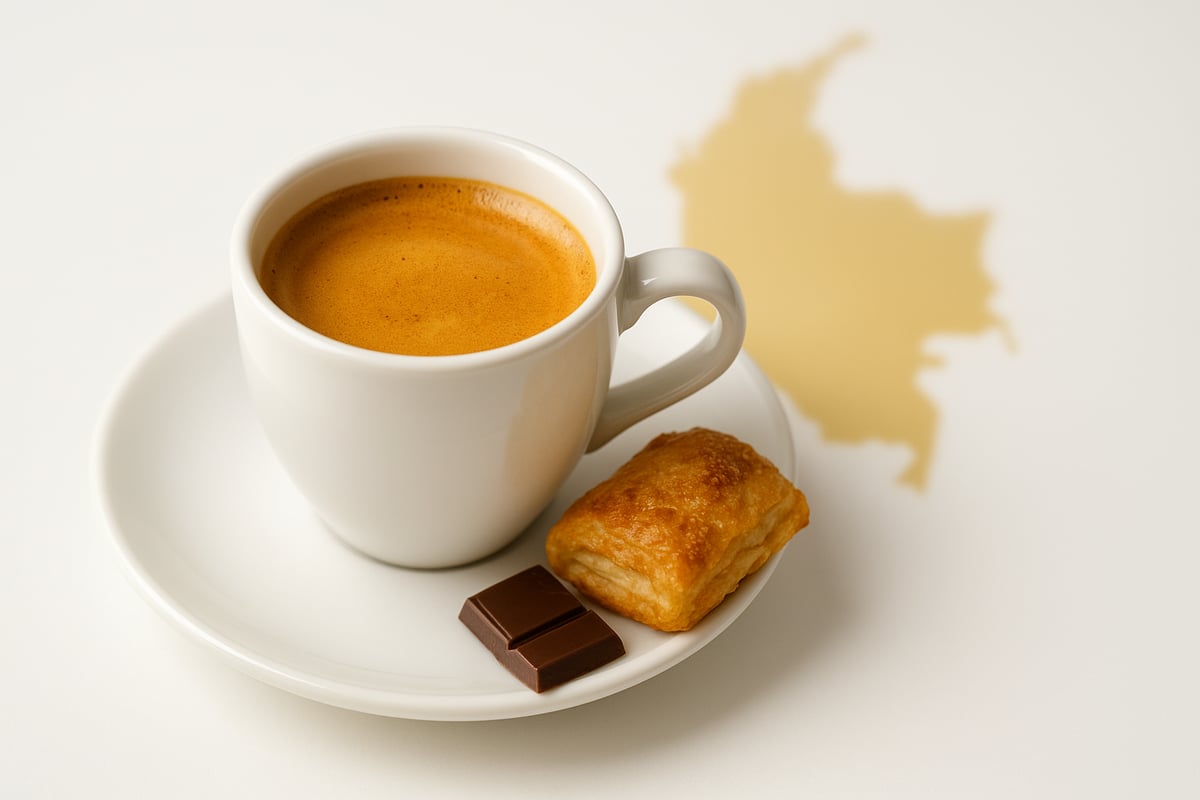
The signature of colombian espresso lies in its harmonious blend of chocolate, caramel, and honey flavors. You’ll often notice nutty undertones that create a creamy, smooth finish. In lighter roasts, delicate hints of citrus, red berries, or subtle florals emerge, adding a layer of complexity.
- Chocolate and caramel for richness
- Nutty and honey undertones for sweetness
- Fruity or floral highlights in light roasts
Colombian espresso consistently delivers a full body and gentle, balanced acidity. Many espresso lovers on Reddit praise its mellow, chocolatey character, which shines both in straight shots and milk-based drinks.
Regional Differences Within Colombia
Colombia’s diverse regions impart distinct personalities to colombian espresso. Here’s a quick guide to some of the most celebrated areas:
| Region | Flavor Notes |
|---|---|
| Huila | Bright acidity, floral, fruity |
| Antioquia | Nutty, chocolate, gentle acidity |
| Nariño | Citrus, stone fruit, complex sweet |
| Tolima | Herbal, cocoa, mild fruit |
Single-origin colombian espresso highlights these unique regional traits, letting you explore a spectrum of flavors in every cup. For an in-depth exploration of how each region shapes your espresso, see this Colombian coffee flavor profiles by region.
Roast Impact on Flavor
Roast level is a powerful tool for shaping colombian espresso’s taste. Light roasts are lively, with pronounced acidity and bright fruit or floral notes. Medium roasts offer a perfect balance, rounding out sweetness and body while keeping acidity in check. Dark roasts highlight bold, rich chocolate and nut flavors, reducing acidity for a smoother finish.
- Light roast: bright, acidic, fruity or floral
- Medium roast: balanced, sweet, rounded body
- Dark roast: bold, chocolate, low acidity
Koffee Kult Dark Roast is a favorite for those who prefer less acidity in their colombian espresso. Choose your roast based on your taste preference and how you enjoy your espresso.
Pairing Suggestions and Serving Styles
Colombian espresso pairs beautifully with a range of foods and drinks. Try it with dark chocolate, almond biscotti, or nutty pastries to complement its signature notes.
- Perfect for americanos, lattes, or cappuccinos
- Milk enhances caramel and chocolate flavors
- Enjoy straight or experiment with food pairings
The balanced profile of colombian espresso makes it a versatile base for classic and creative beverages. Explore different pairings to elevate your tasting experience and impress guests with your coffee expertise.
2025 Trends & Innovations in Colombian Espresso
Colombian espresso is experiencing an exciting transformation in 2025. From farm to cup, new trends are reshaping how coffee lovers and baristas approach this iconic brew. Let’s explore the specialty movements, tech upgrades, bold flavors, and sustainability innovations that are defining the future of colombian espresso.
Specialty Coffee Movements
The specialty coffee movement is driving a new era for colombian espresso. Direct trade, micro-lots, and transparent sourcing are now standard among top roasters. Cafés and consumers seek detailed farm stories and unique processing methods. This demand for quality and traceability is fueling regional pride and innovation.
Export data reflects this surge. According to a recent report on Colombian coffee export surge, exports grew 83% in early 2025, highlighting booming demand for premium colombian espresso worldwide.
Technological Advances in Espresso Making
Tech is revolutionizing the colombian espresso experience at both home and café. Smart espresso machines now feature app controls for dialing in recipes. Digital grinders ensure precise, repeatable grinds, while custom water filtration systems optimize extraction.
Home baristas benefit from features like PID temperature control and pressure profiling, creating café-quality colombian espresso in their kitchens. This wave of innovation empowers coffee lovers to experiment, learn, and consistently craft their perfect cup.
New Flavor Infusions and Experimental Roasts
Colombian espresso is embracing bold new flavors in 2025. Roasters are releasing barrel-aged, natural process, and honey process beans. Limited editions, like rum barrel or vanilla-infused coffees, attract adventurous drinkers and younger generations.
These creative approaches highlight the versatility of colombian espresso. Specialty infusions add layers of complexity, while experimental roasts let single origins shine or create entirely new taste experiences. Expect more unique flavor profiles and seasonal releases in your cup.
Sustainability and Ethical Sourcing in 2025
Sustainability is at the core of the colombian espresso revolution. Eco-friendly packaging, carbon-neutral shipping, and support for women-led or indigenous cooperatives are now priorities for many brands. Ethical sourcing and transparent supply chains matter more than ever to consumers.
Looking ahead, the Colombian coffee production forecast predicts continued growth in specialty and sustainable coffee exports. This ensures colombian espresso remains both innovative and responsible, connecting drinkers to a brighter, more ethical coffee future.
Expert Tips for Perfect Colombian Espresso at Home or Café
Mastering colombian espresso at home or in a café is a journey that rewards attention to detail and a passion for quality. Whether you’re seeking café-quality shots or simply want to impress friends, these expert tips will help you unlock the full potential of colombian espresso every time.
Dialing In Your Espresso Shot
Dialing in your colombian espresso is both an art and a science. Start by adjusting your grind size, dose, and yield to match your desired flavor profile. Use a precision scale to measure your coffee input and output, keeping notes in a brew log for consistency. Taste your shots critically, seeking sweetness, balance, and a clean finish.
- Adjust grind finer for lighter roasts, coarser for darker.
- Change only one variable at a time to isolate improvements.
- Keep extraction between 25–30 seconds for best results.
Colombian espresso shines when you find that sweet spot, delivering a rich, nuanced cup with every pull.
Troubleshooting Common Issues
Even experienced baristas face challenges with colombian espresso. If your shot tastes sour, it’s likely under-extracted—try a finer grind or increase your brew temperature. Bitter flavors often signal over-extraction, so coarsen the grind or reduce brew time. Weak crema can result from stale beans, low pressure, or improper tamping.
- Use fresh, high-quality beans for robust crema.
- Check machine pressure and water temperature regularly.
- Adjust your tamp for even extraction.
Community forums often recommend changing one parameter at a time, making it easier to perfect your colombian espresso and overcome common pitfalls.
Milk and Alternative Drinks
Colombian espresso’s natural sweetness and balanced body make it ideal for milk-based drinks. Use whole milk or barista-style plant milks for creamy, textured microfoam. Practice steaming to achieve silky foam that highlights the caramel and chocolate notes in your colombian espresso.
- Try your shot in cappuccinos, lattes, or flat whites.
- Experiment with milk ratios to discover your preference.
- For iced drinks, cool espresso before pouring over ice.
Many home baristas find colombian espresso excels in both classic and creative drinks, making it a versatile choice for any coffee lover.
Cleaning, Maintenance, and Bean Storage
Cleanliness is crucial for preserving the flavor of colombian espresso. Clean your grinder and espresso machine daily to prevent buildup that can cause off-flavors. Always store beans in an opaque, airtight container away from light, heat, and moisture.
- Avoid freezing beans unless storing for long periods.
- Schedule regular descaling of your espresso machine.
- Mark roast dates and use beans within four weeks for peak freshness.
Proper maintenance extends the life of your equipment and keeps every colombian espresso shot tasting vibrant and delicious.
Upgrading Your Espresso Experience
Take your colombian espresso to the next level by investing in precision tools and exploring new coffee origins. A quality scale, WDT tool, and distribution tool can dramatically improve shot consistency. Try single-origin and micro-lot beans for unique flavor journeys.
- Subscribe to fresh bean delivery for variety and convenience.
- Join coffee communities for tips and inspiration.
- Attend local cuppings or barista classes to refine your skills.
For a deeper dive into regional differences, explore detailed tasting notes like those found in the Colombian Huila Espresso Notes. This lets you experience the diverse flavors colombian espresso has to offer, and keeps your coffee routine exciting.
After diving into the rich world of Colombian espresso—from the sun-drenched mountain farms to the art of dialing in the perfect shot—you deserve a cup that lives up to the journey. If you’re ready to taste those chocolate, caramel, and citrus notes at their best, why settle for anything less than farm-direct, expertly roasted beans? You don’t have to break the bank to enjoy the soul of Colombia in your morning ritual. It’s never been easier to savor tradition, quality, and savings all in one. Get the Best Coffee at the Best Price Here


