


Unlock the secrets behind Colombia’s most celebrated coffee roast and brew the perfect cup every time. Coffee lovers around the world praise Colombian beans for their smoothness, rich body, and irresistible natural sweetness.
If you dream of mastering the art of colombian roast at home, you’re in the right place. This guide shares expert-backed tips and reveals what’s trending for 2025, so you can enjoy café-quality coffee from your own kitchen.
From discovering the origins of Colombian coffee to decoding roast levels and brewing techniques, we cover it all. Get ready for practical insights, pro advice, and the latest trends.
Dive in and transform your daily coffee ritual with knowledge, confidence, and delicious results.
The Unique Origins of Colombian Coffee
Colombian roast is world-renowned for its remarkable taste, but the secret starts at the source. The unique origins of Colombian coffee set the stage for every exceptional cup. Let’s unlock what makes this origin so special, from geography to tradition and flavor.
Geography and Climate Advantages
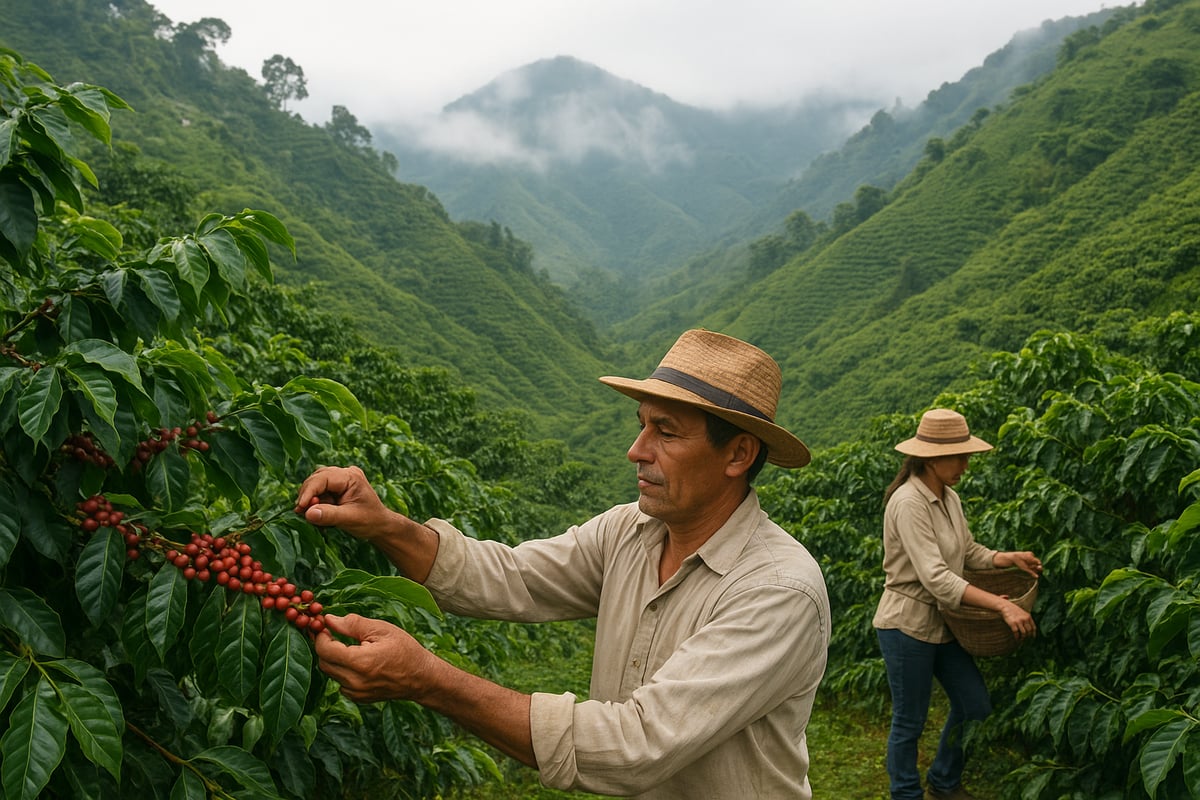
The Colombian roast owes much of its character to the country's famed coffee triangle: Antioquia, Caldas, and Quindío. These regions offer volcanic soil, nutrient-rich and ideal for coffee plants. High-altitude farms, often between 4,000 and 6,500 feet, create cooler nights and warm days, which slow cherry ripening and boost natural sweetness.
Diverse microclimates and steady rainfall help grow beans with incredible complexity. Farms like Piracii Coffee hand-pick cherries, preserving quality and tradition. This geography delivers a signature taste that coffee lovers crave.
Want to dive deeper into how location shapes the bean? Discover more about Colombian coffee bean origins and see how every detail impacts your daily cup.
Harvesting and Processing Traditions
Colombian roast stands apart thanks to meticulous harvesting and processing. Most beans are hand-picked, a labor-intensive process that ensures only the ripest cherries are chosen. Unlike mechanical harvesting, this method preserves flavor and consistency.
After picking, beans undergo washed processing and sun-drying. This careful handling brings out clean, bright flavors. Generational farming families pass down expertise, keeping coffee heritage alive. Colombia’s commitment to sustainability shows in certifications like Rainforest Alliance and organic practices.
With over 14 million bags produced yearly and more than 500,000 families involved, the colombian roast is deeply woven into the nation’s culture and economy.
Flavor Profile Foundations
The foundation of every colombian roast is its smooth, balanced, and naturally sweet flavor. In each cup, you’ll find notes of brown sugar, milk chocolate, citrus, and delicate florals. This harmony comes from the perfect blend of terroir and traditional processing.
Colombian roast is never bitter. The country’s microclimates and artisanal methods create a cup that’s both complex and approachable. Whether you prefer subtle fruit or rich chocolate, the origin’s influence is unmistakable.
Every sip of colombian roast is a testament to the land, the people, and the processes that make it one of the world’s most celebrated coffees.
Colombian Roast Levels Explained
Unlocking the perfect cup starts with understanding the diverse spectrum of Colombian roast levels. Each roast style brings out unique flavors, aromas, and experiences, making your choice critical for brewing satisfaction. Whether you crave a bright, floral note or a bold, smoky finish, mastering these roast levels will empower you to craft your ideal Colombian roast at home.
Light, Medium, and Dark Roasts: What’s the Difference?
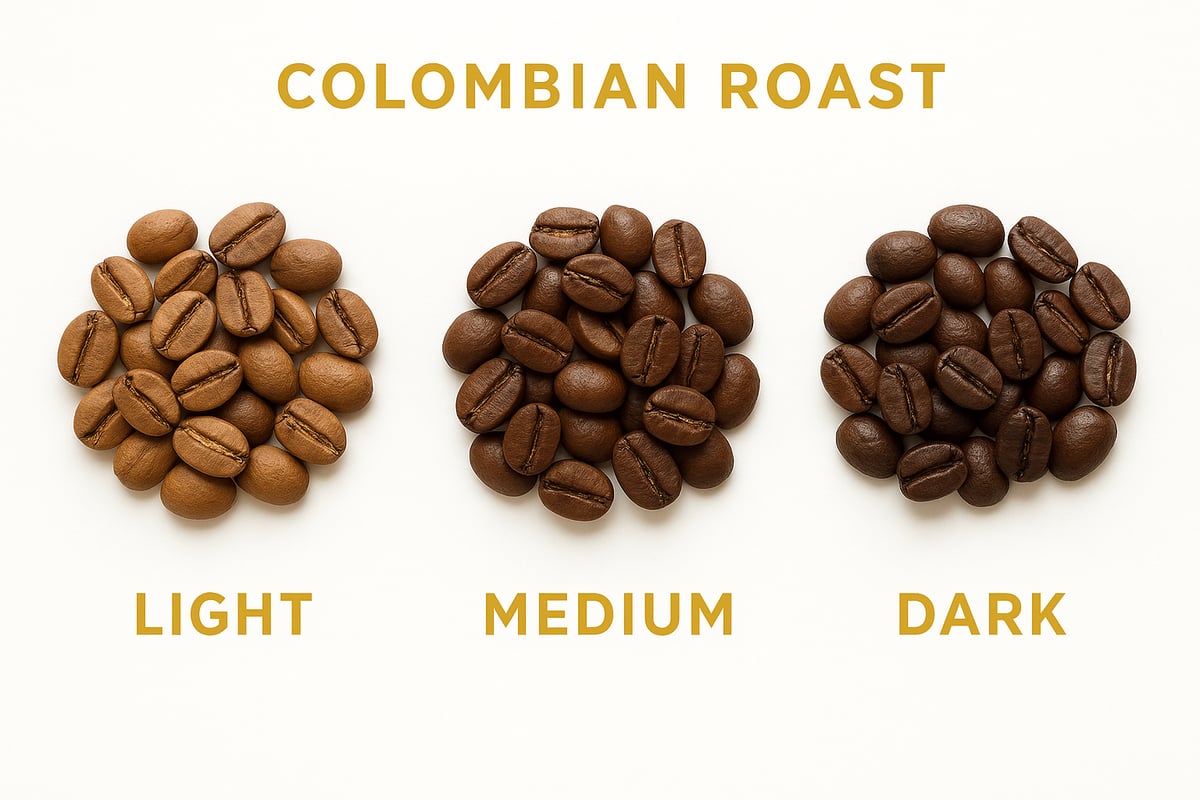
Colombian roast levels span a vibrant range from light to dark, each with its own personality. Light roasts are pale brown, preserving the bean’s origin character and offering lively acidity with floral or fruity notes. They’re perfect for those who want to taste the terroir of Colombian coffee.
Medium roasts, the classic Colombian profile, strike a harmonious balance. Expect a cup that is smooth, chocolatey, and naturally sweet, with mild acidity. This roast is beloved for its versatility and crowd-pleasing richness. Dark roasts, on the other hand, are deep brown with oily surfaces. They deliver bold, smoky flavors and a heavier body, with significantly reduced acidity. These are popular among espresso lovers and anyone seeking robust intensity.
Here’s a quick comparison:
| Roast Level | Color & Surface | Acidity | Flavor Notes | Body | Example |
|---|---|---|---|---|---|
| Light | Light brown, dry | High | Floral, fruity, citrus | Light | Single-origin light roast |
| Medium | Medium brown, dry | Mild | Milk chocolate, brown sugar, nutty | Medium | Bestpresso 100% Colombian |
| Dark | Dark brown, oily | Low | Smoky, bitter-sweet, caramel | Full | Bold Colombian roast coffee |
By understanding each Colombian roast style, you can select the profile that best matches your taste and brewing goals.
Choosing the Right Roast for Your Taste
Finding your ideal Colombian roast is a journey guided by personal preference and brewing method. If you love complexity and bright notes, a light roast brewed as a pour-over or Chemex will highlight those delicate flavors. For most coffee drinkers, medium roast remains the top pick, especially for drip and French press methods, offering a balanced cup that’s easy to enjoy daily.
Dark roasts shine in espresso and moka pot preparations, producing bold, rich crema and a deeper, more intense flavor. In 2025, a noticeable trend is the growing appreciation for lighter Colombian roast varieties among specialty coffee enthusiasts, driven by their nuanced profiles and vibrant acidity.
Competitors like Bestpresso and Beanetics showcase a broad range of Colombian roast options, ensuring there’s a perfect match for every palate. When in doubt, try a sampler pack or visit a local café to explore the spectrum before committing to a larger bag.
Roast Freshness and Storage
Freshness is crucial for unlocking the full potential of your Colombian roast. Always check the roast date before purchasing, and aim to use beans within four weeks for peak flavor. Whole beans stay fresher longer than pre-ground, so grind just before brewing whenever possible.
To preserve your Colombian roast, store beans in an airtight container in a cool, dark place. Avoid clear jars or leaving beans on the countertop, as light, heat, and moisture can quickly degrade quality. Proper storage not only extends shelf life but also ensures every cup is as vibrant and aromatic as the first.
Selecting the Best Colombian Beans
Choosing the right beans is the foundation for a truly exceptional colombian roast. With so many options, from single-origin treasures to versatile blends, understanding your choices can unlock the flavors you crave. Here’s how to pick the best beans for your unique taste and brewing style.
Single-Origin vs. Blends
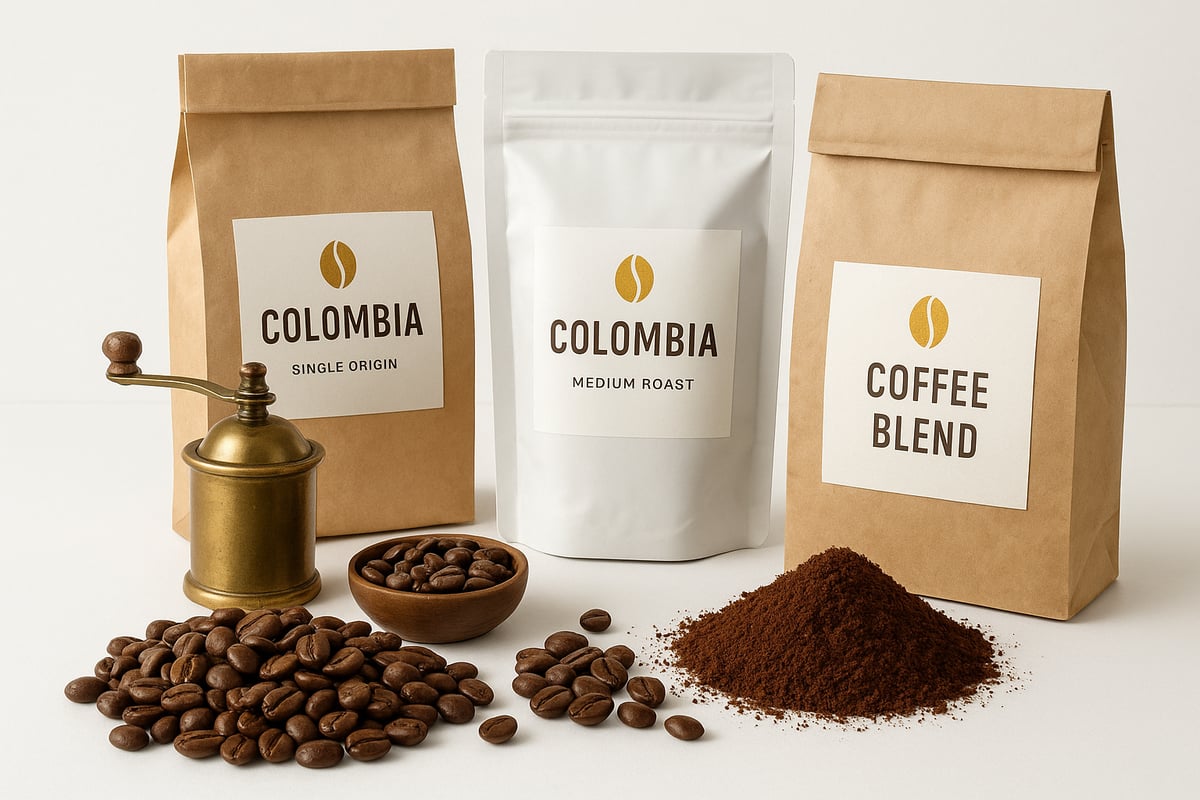
Single-origin Colombian beans come from one specific region or even a single farm. This means every cup delivers a pure expression of terroir, climate, and local expertise. Expect vibrant flavors, distinct notes, and a genuine taste of Colombia’s coffee heritage.
Blends, on the other hand, combine beans from multiple regions. This approach balances flavors, improves consistency, and can make your colombian roast more affordable. Blends are ideal if you prefer a smoother, less variable cup or want to experiment with different profiles.
| Feature | Single-Origin | Blend |
|---|---|---|
| Flavor | Unique, nuanced | Balanced, consistent |
| Price | Premium | Often more affordable |
| Best For | Purists, enthusiasts | Everyday drinkers |
Curious about the real difference? Dive deeper with this Single-origin Colombian coffee guide to discover how origin impacts your colombian roast.
Grind Size & Freshness
Grind size is crucial for unlocking the full potential of your colombian roast. Match your grind to your brewing method—fine for espresso, medium for drip, and coarse for French press. The right grind ensures optimal extraction and flavor clarity.
Whole beans outperform pre-ground in both aroma and taste. Grinding your beans just before brewing preserves volatile flavors that make colombian roast so special. In fact, studies show that freshly ground beans can improve your cup quality by up to 40 percent.
- Use a burr grinder for even particle size
- Store beans in airtight containers away from light
- Only grind what you need for each brew
Ethical and Sustainable Choices
Ethics and sustainability matter more than ever when selecting your colombian roast. Look for certifications like:
- Organic
- Fair Trade
- Rainforest Alliance
- Kosher
These labels signal a commitment to quality, fair wages, and environmentally friendly practices. In 2025, more consumers are demanding ethically sourced coffee, driving positive change for farmers and communities.
Choose brands that invest in sustainable farming and transparent sourcing. Your decision not only impacts taste but also supports a brighter future for Colombia’s coffee culture.
Where to Buy Quality Colombian Coffee
Finding outstanding colombian roast is easier than ever. Explore specialty roasters, online subscriptions, and trusted local cafes for the freshest beans. Many services, like Beanetics and Bestpresso, offer convenient delivery and grind options tailored to your brewing style.
Buying in bulk or subscribing can save money and guarantee you never run out of fresh beans. Compare prices and read reviews to ensure you’re getting top value and authentic Colombian flavor.
Whether you’re seeking a rare single-origin or a reliable blend, your perfect colombian roast is just a click away.
Mastering Colombian Roast Brewing Methods
Unlocking the full flavor of a colombian roast at home means mastering each brewing step from equipment to serving. Whether you are a beginner or an aspiring home barista, these expert-backed methods will elevate every cup. Let’s dive into each essential step for the perfect brew.
Step 1: Choosing the Right Equipment
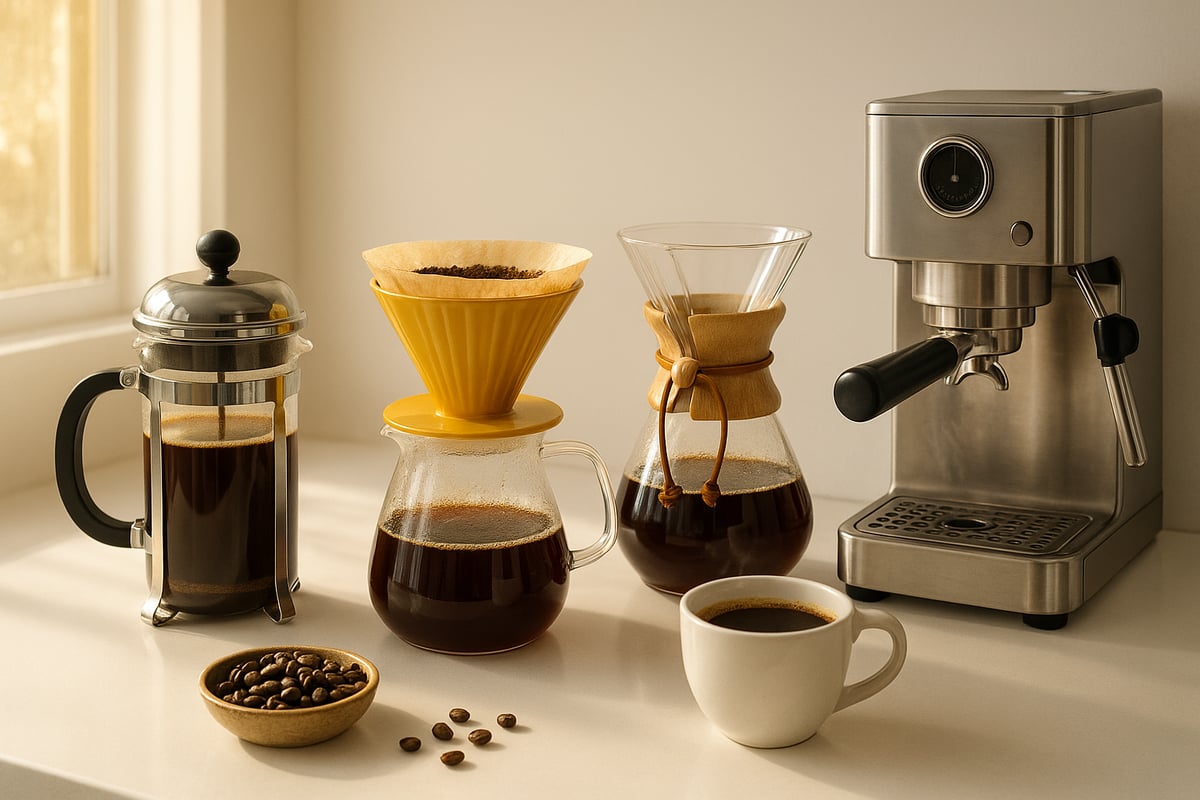
Selecting the right brewing equipment is crucial for extracting the signature richness of a colombian roast. Popular methods include:
- Drip machine: Classic and convenient for daily use.
- French Press: Delivers a bold, full-bodied cup.
- Pour Over/Chemex: Highlights delicate notes and clarity.
- Espresso machine: Perfect for intense, concentrated flavor.
- Aeropress/Moka Pot: Great for quick, robust brews.
Each method brings out unique flavors in your colombian roast. For deeper insights into traditional brewing culture, explore the Cafe de Colombia tradition. When choosing, consider your taste preference and the grind size needed for your equipment.
Step 2: Perfecting the Coffee-to-Water Ratio
Dialing in the right coffee-to-water ratio unlocks the balance in every colombian roast. The “golden ratio” is 1:15 to 1:18 (1 gram of coffee to 15–18 grams of water).
- Stronger brew: Use a 1:15 ratio.
- Milder cup: Try 1:18.
- Tools: Use a digital scale for accuracy and a quality water filter.
Experiment with ratios until your colombian roast tastes just right. Small tweaks can reveal new layers of sweetness and complexity.
Step 3: Water Quality and Temperature
Water makes up 98% of your cup, so its quality directly impacts your colombian roast. Always use filtered or spring water for clarity.
- Ideal temperature: 195–205°F (90–96°C).
- Brewing too hot: Can cause bitterness.
- Too cool: Leads to sour, under-extracted coffee.
A thermometer or kettle with temperature control ensures your colombian roast brews at the perfect temperature every time.
Step 4: Grinding and Freshness
Freshly ground beans are non-negotiable for a vibrant colombian roast. The grind size should match your brewing method:
- Coarse: French Press.
- Medium: Drip or pour over.
- Fine: Espresso or Aeropress.
Grind just before brewing to capture the full aroma and flavor. Top roasters like Beanetics and Bestpresso offer grind options tailored for every colombian roast enthusiast.
Step 5: Brewing Technique and Timing
Brewing technique separates a good colombian roast from an unforgettable one. Follow these key steps:
- Pour Over: Pour water in slow circles, bloom for 30 seconds, total brew time 3–4 minutes.
- French Press: Steep for 4 minutes, then plunge gently.
- Espresso: 25–30 second extraction.
Troubleshooting:
| Problem | Solution |
|---|---|
| Sour taste | Increase brew time, finer grind |
| Bitter taste | Lower temp, coarser grind |
| Weak flavor | Add more coffee, finer grind |
Practice and patience make your colombian roast shine. Adjust timing and technique for your favorite result.
Step 6: Serving and Enjoying
Presentation matters. Serve your colombian roast in pre-warmed cups to keep it hot longer. Pair with pastries or chocolate to highlight natural sweetness.
- Enjoy immediately for peak flavor.
- Experiment with milk, sweeteners, or enjoy black to savor the origin’s character.
- Try different serving styles and share with friends for a true Colombian experience.
Mastering these steps will help you brew a colombian roast that rivals any café, making every cup a moment to savor.
Expert Tips for the Perfect Colombian Brew
Unlocking the full potential of your colombian roast starts with a few pro secrets. From sourcing premium beans to dialing in your grind and brew, every detail matters. With these expert-backed tips, you can transform your daily cup into a true Colombian masterpiece.
Sourcing and Storing Beans
The journey to the perfect colombian roast begins with selecting the right beans. Always choose whole beans and check the roast date to ensure freshness. Store your beans in an airtight container, away from light, heat, and moisture.
- Buy in small batches to use within two to four weeks.
- Opt for reputable sources or subscriptions for consistent quality.
- Avoid storing beans in the fridge or freezer, as condensation can impact flavor.
Proper storage preserves the signature sweetness and balance of colombian roast, making every brew vibrant and satisfying.
Dialing in Your Grind and Brew
Grind size is crucial for extracting the best from your colombian roast. Match your grind to your brewing method: coarse for French press, medium for drip, fine for espresso.
- Adjust the grind if your coffee tastes sour (too coarse) or bitter (too fine).
- Experiment with brew time and agitation to fine-tune flavor balance.
- Brands like Beanetics recommend specific settings for Chemex, AeroPress, and espresso.
By dialing in your grind and brew, you unlock the nuanced chocolate and citrus notes typical of a great colombian roast.
Water Chemistry Hacks
Water quality can make or break your colombian roast experience. Use filtered or spring water for clean, bright flavors. Hard or soft water can mask delicate notes.
- If your tap water is very hard or soft, consider using mineral packets to balance it.
- Aim for a total dissolved solids (TDS) range of 50-150 ppm.
- Avoid distilled water, as it lacks essential minerals for optimal extraction.
With the right water chemistry, your colombian roast will reveal its true depth and clarity in every sip.
Flavor Enhancement Techniques
Elevate your colombian roast with proven brewing techniques. For pour-over or Chemex, allow the coffee to "bloom" by pouring a small amount of water and waiting 30 seconds.
- Stir or swirl during brewing to ensure even extraction.
- Experiment with water temperature between 195 and 205°F.
- Adjust coffee-to-water ratios for strength and complexity.
Mastering these steps brings out the signature smoothness and natural sweetness of a classic colombian roast.
Common Mistakes to Avoid
Even seasoned home baristas can fall into common traps with colombian roast. Avoid these pitfalls to keep every cup exceptional:
- Using stale or pre-ground beans
- Incorrect coffee-to-water ratios
- Brewing with water that's too hot or too cold
- Neglecting to clean your equipment regularly
By steering clear of these mistakes, you ensure your colombian roast maintains its vibrant flavor profile.
Pro Barista Insights
Top Colombian coffee experts recommend focusing on freshness, precision, and experimentation. Customer reviews often highlight the smooth, never-bitter character and balanced sweetness of a well-brewed colombian roast.
In 2025, lighter roast experimentation and single-origin selections are trending. For the freshest experience, seek out beans from recent harvests—Colombia has seen record yields, leading to exceptional quality. According to Colombian coffee production statistics 2025, the latest crops are setting new standards for flavor and consistency.
With these expert insights and a willingness to experiment, you can perfect your colombian roast ritual at home.
Colombian Coffee Trends & Innovations for 2025
Colombian roast continues to set the pace for global coffee culture in 2025, with exciting innovations and evolving consumer preferences. New trends are reshaping how coffee lovers select, brew, and savor their favorite Colombian roast at home and beyond.
1. Rise of Light and Specialty Roasts
Lighter and specialty Colombian roast profiles are gaining traction in 2025. Consumers crave complexity and nuanced flavors, driving a surge in single-origin and micro-lot offerings. Expect to see more citrus, floral, and fruit-forward notes highlighted in café menus and subscription boxes.
2. Sustainability and Ethical Sourcing
Sustainable practices are now a non-negotiable for quality-focused coffee drinkers. Producers prioritize organic farming, eco-friendly packaging, and certifications like Rainforest Alliance. According to the USDA Coffee Annual Report on Colombia, Colombia’s coffee sector is ramping up efforts in traceability and environmental stewardship to meet global demand.
3. Advanced Brewing Technology
Home brewing is smarter than ever. App-controlled machines, precision grinders, and advanced water filtration systems are helping coffee enthusiasts unlock the full flavor potential of Colombian roast. These innovations offer barista-level control, making expert-quality brewing accessible to everyone.
4. Subscription Models and Direct-to-Consumer
Convenience and freshness drive the popularity of coffee subscriptions. Direct-to-consumer models ensure that fans of Colombian roast receive beans at peak freshness, often with customizable roast levels and grind sizes. Flexible delivery options and curated selections are becoming the norm.
5. Flavor Innovations and Infusions
Creative infusions like natural vanilla, rum barrel, and piloncillo are transforming the traditional Colombian roast experience. Roasters are experimenting with new flavor profiles while maintaining the bean’s origin character, appealing to adventurous palates and loyal purists alike.
6. Community and Coffee Education
2025 sees a thriving community around Colombian roast, fueled by online courses, virtual tastings, and social sharing. Coffee lovers are connecting through barista competitions and local events, deepening their appreciation for Colombia’s heritage and brewing artistry.
Colombian roast is evolving fast, blending tradition with innovation. Whether you’re a casual drinker or a true connoisseur, these trends ensure your next cup will be more exciting than ever.
Colombian Roast Coffee FAQs
Colombian roast coffee stands out for its balanced profile, rich aroma, and smooth finish. Below you will find answers to the most common questions about brewing, enjoying, and selecting the perfect colombian roast.
What makes Colombian coffee unique compared to other origins?
Colombian roast coffee benefits from high-altitude farms, volcanic soil, and hand-picked beans, resulting in a naturally sweet and vibrant cup.
Which roast level is best for Colombian beans?
Medium roast is the classic choice, highlighting chocolatey sweetness and gentle acidity. However, light roasts are gaining popularity for showcasing origin complexity.
How should I store colombian roast coffee for maximum freshness?
Keep beans in an airtight container, away from light, heat, and moisture. Whole beans retain flavor longer than pre-ground.
What’s the ideal brewing method for colombian roast?
Drip, pour over, and French press all work beautifully. Adjust grind size and water temperature for best results.
Are Colombian coffees suitable for espresso?
Absolutely. Many enjoy colombian roast for its balanced body and sweet crema in espresso.
How do I choose between single-origin and blends?
Single-origin offers a pure taste of Colombian terroir. Blends can provide more consistency and balance, especially for espresso.
What certifications should I look for when buying colombian roast?
Seek Fair Trade, Organic, or Rainforest Alliance labels to ensure ethical sourcing and sustainability.
Where can I find the best value for Colombian coffee in 2025?
Specialty roasters, subscriptions, and bulk purchases often offer the best deals. For more insight into market trends, see how Colombian coffee production reaches 33-year high.
How does climate change affect Colombian coffee quality?
Shifts in rainfall and temperature can impact harvests and flavor consistency, making sustainable practices more important than ever.
Tips for troubleshooting common brewing issues with colombian roast:
If your cup is sour, try a finer grind or hotter water. For bitterness, use a coarser grind or lower temperature.
After diving into the rich history, expert tips, and latest trends shaping Colombian coffee in 2025, you deserve to experience the very best for yourself. Imagine waking up to a cup that’s not just smooth and naturally sweet, but also crafted with generations of care and authentic mountain tradition. That’s what Piracii brings straight to your kitchen—premium beans, hand-picked, and roasted for peak freshness. Why settle for ordinary when you can savor the extraordinary and save big at the same time?
Get the Best Coffee at the Best Price Here


