


Imagine savoring a cup of coffee so rich and aromatic, it instantly transports you to Colombia’s misty mountain slopes. For anyone passionate about coffee, the journey to discover the real café dé colombia is both an adventure and a revelation.
This guide is your roadmap to unlocking the true flavor of Colombian coffee in 2025. Whether you brew at home, run a café, or simply love exploring new tastes, you’ll find step-by-step advice here.
You’ll uncover Colombia’s coffee heritage, learn how regions shape every sip, and master modern brewing techniques. Get ready to spot genuine beans, avoid imitations, and experience café dé colombia like never before. Let’s begin your journey to authentic flavor and aroma.
The Rich Heritage of Café Dé Colombia
Colombia’s coffee story is woven into the nation’s soul. The roots of cafe dé colombia run deep, touching every part of the country’s landscape and culture. To understand why this coffee is so revered, explore its remarkable journey and the traditions that keep it authentic.
The Origins: Coffee’s Journey to Colombia
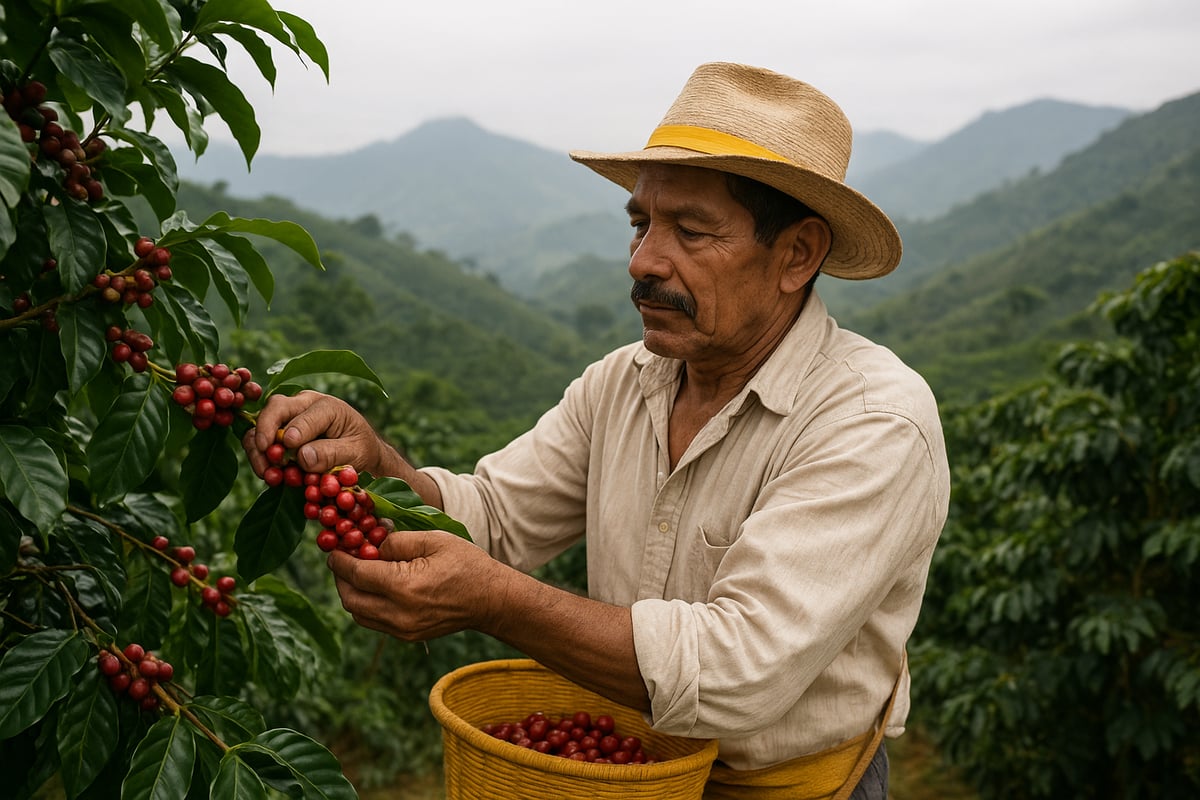
Coffee first arrived in Colombia in the 18th century, forever altering the nation’s destiny. By the early 1800s, cafe dé colombia had become a staple crop, thriving in the country’s fertile valleys and mountain slopes.
Coffee rapidly grew into a force for economic growth. It shaped rural communities, providing work and unity for generations of families. The National Federation of Coffee Growers, founded in 1927, played a pivotal role in supporting farmers and promoting quality, setting the foundation for Colombia’s global reputation.
Regional Diversity: The Coffee Triangle and Beyond
Colombia’s landscape is a patchwork of unique coffee regions. The Coffee Triangle—Antioquia, Caldas, and Quindío—stands at the heart, while Huila and Nariño bring their own distinct flavors.
Altitude, volcanic soil, and microclimates give each region a signature taste. For example, Huila offers bright acidity and caramel notes, while Nariño is known for floral aromas. In 2023, over 540,000 mostly smallholder farms cultivated cafe dé colombia, making every cup a testament to regional diversity.
The Symbol of Juan Valdez
The iconic Juan Valdez figure is more than just a marketing image. He represents the dedication and authenticity behind every bag of cafe dé colombia. This symbol assures buyers of origin and quality, distinguishing real Colombian coffee from imitations.
With 80% of Colombian coffee exported as Arabica, the Juan Valdez brand has helped position Colombia as a global leader. The image unites producers and consumers, reinforcing trust and pride in every cup.
Protected Designation of Origin (PDO)
Café Dé Colombia has earned Protected Designation of Origin status, joining the ranks of Champagne and Parmigiano-Reggiano. The PDO seal certifies that only coffee grown, harvested, and processed in Colombia can bear the cafe dé colombia name.
This legal protection shields farmers from imitators and ensures buyers receive genuine quality. PDO status also highlights the link between Colombia’s unique environment and the coffee’s celebrated taste.
Key Insights
What makes cafe dé colombia stand apart? Its consistent ranking among the world’s best is no accident. The country’s coffee enjoys a stellar reputation, with Colombia being the third largest producer globally.
Recent export statistics and historic milestones can be explored in this Colombian Coffee Production Overview. Whether you’re sipping in Bogotá or abroad, every cup reflects a legacy built on passion, quality, and pride.
What Makes Café Dé Colombia Unique?
Unlocking the true character of cafe dé colombia starts with understanding what sets it apart from every other coffee in the world. From the rich volcanic soils of the Andes to time-honored traditions and innovative practices, every cup tells a story of origin, care, and quality.
The Perfect Growing Conditions
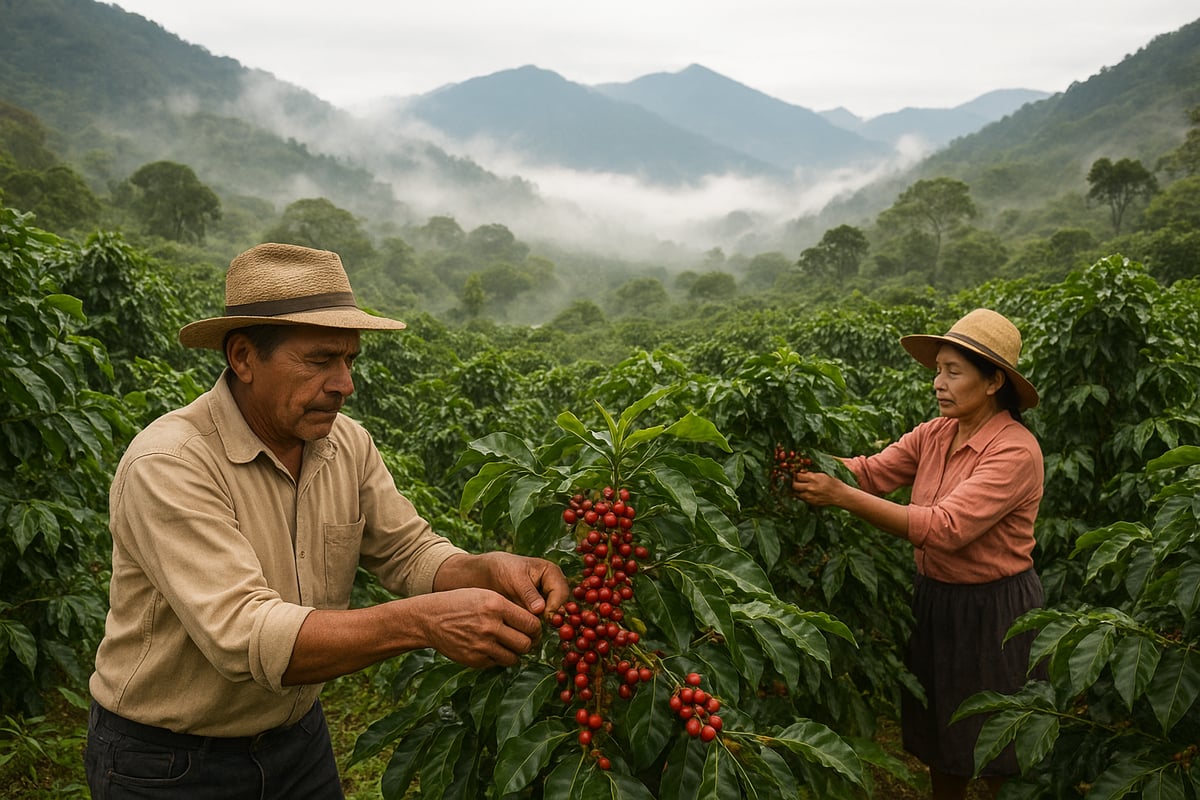
The secret behind cafe dé colombia lies in its breathtaking geography. Coffee thrives in the Andes mountains, where volcanic soil and elevations between 4,000 and 6,500 feet create the perfect environment for slow, even cherry development.
Warm days encourage sugars to develop, while cool nights preserve complexity. This slow ripening process leads to beans bursting with sweetness and nuance. With consistent rainfall and just-right humidity, each harvest promises beans that define cafe dé colombia’s signature profile.
Farming Traditions and Ethical Practices
Tradition runs deep in the heart of cafe dé colombia. Unlike mass-produced coffees, most Colombian beans are hand-picked by skilled farmers, often on family-run plots passed down through generations.
This commitment to quality ensures only the ripest cherries make it into your cup. Sustainability is a core value, with more than 95 percent of crops grown under shade, benefiting both the environment and the beans. Fair trade and ethical practices are not just buzzwords here—they are a way of life.
Processing Methods: Washed, Natural, Honey
Cafe dé colombia is renowned for its washed process, which highlights clean, bright acidity and a silky mouthfeel. The washed method removes the cherry pulp before drying, resulting in clarity and balance in every cup.
Recently, natural and honey processes have gained traction, introducing new layers of fruitiness and body. These innovative methods bring exciting diversity to the cafe dé colombia landscape, allowing adventurous coffee lovers to experience unexpected flavors.
| Process | Body | Acidity | Typical Notes |
|---|---|---|---|
| Washed | Light | Bright | Citrus, floral |
| Natural | Full | Mellow | Berry, winey |
| Honey | Medium | Vibrant | Sweet, fruity |
The Arabica Advantage
At the core of cafe dé colombia is its unwavering focus on Arabica beans. Varieties like Typica, Bourbon, Caturra, and Castillo are celebrated for their delicate acidity and complexity, far outshining the bitterness often found in Robusta.
In fact, 100 percent of cafe dé colombia is Arabica, setting a global standard for quality. To dive deeper into the distinct varieties that shape Colombia’s coffee legacy, explore the Colombian Coffee Bean Varieties guide.
Flavor Profile: What to Expect in 2025
What does a cup of cafe dé colombia taste like in 2025? Expect a vibrant, fruit-forward experience, with notes of citrus, caramel, and delicate florals. Specialty lots from regions like Huila and Nariño showcase balanced acidity, subtle sweetness, and a clean finish.
Cupping scores from the Specialty Coffee Association frequently exceed 85 points, reflecting a commitment to excellence. As trends evolve, you’ll notice even brighter acidity and more expressive fruit notes in every sip of cafe dé colombia.
Authenticity Markers
Recognizing genuine cafe dé colombia is easier when you know what to look for. Authentic bags display clear origin labels, region, altitude, and certifications like PDO, which protect against imitation.
Be wary of generic blends or ambiguous packaging. Look for seals, QR codes, and traceability features that guarantee your coffee’s journey from Colombian farms to your cup. These markers ensure you’re enjoying the real cafe dé colombia experience.
The Role of Innovation
Innovation is shaping the future of cafe dé colombia. Growers are adopting new technologies, from climate-resilient coffee varieties to advanced processing techniques. These advancements help farmers adapt to unpredictable weather, meet global demand, and preserve the unique flavors you love.
With a focus on sustainability and quality, cafe dé colombia continues to set the benchmark for specialty coffee worldwide. As you savor each cup, you’re tasting the result of passion, tradition, and forward-thinking ingenuity.
How to Source Authentic Café Dé Colombia in 2025
Unlocking the true flavor of cafe dé colombia begins with sourcing beans that are genuinely Colombian, ethically produced, and freshly roasted. The journey to a perfect cup starts long before brewing—it starts with knowing where and how to buy the real thing.
Choosing Reputable Retailers and Importers
To ensure your cafe dé colombia experience is truly authentic, prioritize retailers and importers who value traceability and transparency. Seek out companies that provide detailed sourcing information, such as farm names, harvest dates, and processing methods.
Look for certifications like Protected Designation of Origin (PDO), Rainforest Alliance, and Fair Trade. These guarantee ethical practices and genuine Colombian origins. Direct trade relationships often mean higher quality and fresher beans compared to those from commodity markets.
By choosing retailers who are transparent about their supply chain, you support both quality and Colombian farmers.
Reading Labels and Certifications
Reading the label is crucial when buying cafe dé colombia. Authentic Colombian coffee will display its region, altitude, processing method, and roast date right on the packaging.
Watch for the official Café de Colombia seal and, increasingly, QR codes that let you verify the bean’s journey from farm to cup. In 2024, 60% of coffee drinkers used QR codes to check origins, making traceability a new standard.
Certifications not only guarantee authenticity but also let you support sustainable and ethical farming practices.
Buying Direct from Colombian Producers
For the freshest cafe dé colombia, consider buying directly from Colombian farms through online platforms. This direct approach supports local farmers, ensures ethical sourcing, and often brings unique micro-lots or specialty beans to your doorstep.
Many subscription services now offer farm-direct Colombian coffee, giving you access to exclusive harvests and processing methods. Want to dive deeper into what makes single origin Colombian coffee so special? Check out this Single Origin Colombian Coffee Guide for expert tips on identifying true authenticity.
Direct purchases mean you get fresher beans and a more transparent supply chain.
Piracii: A Direct Bridge to Authentic Colombian Coffee
Piracii is redefining how you source cafe dé colombia by connecting you straight to Colombian farms. Their commitment to organic, farm-direct coffee ensures every bean is traceable, fresh, and ethically produced.
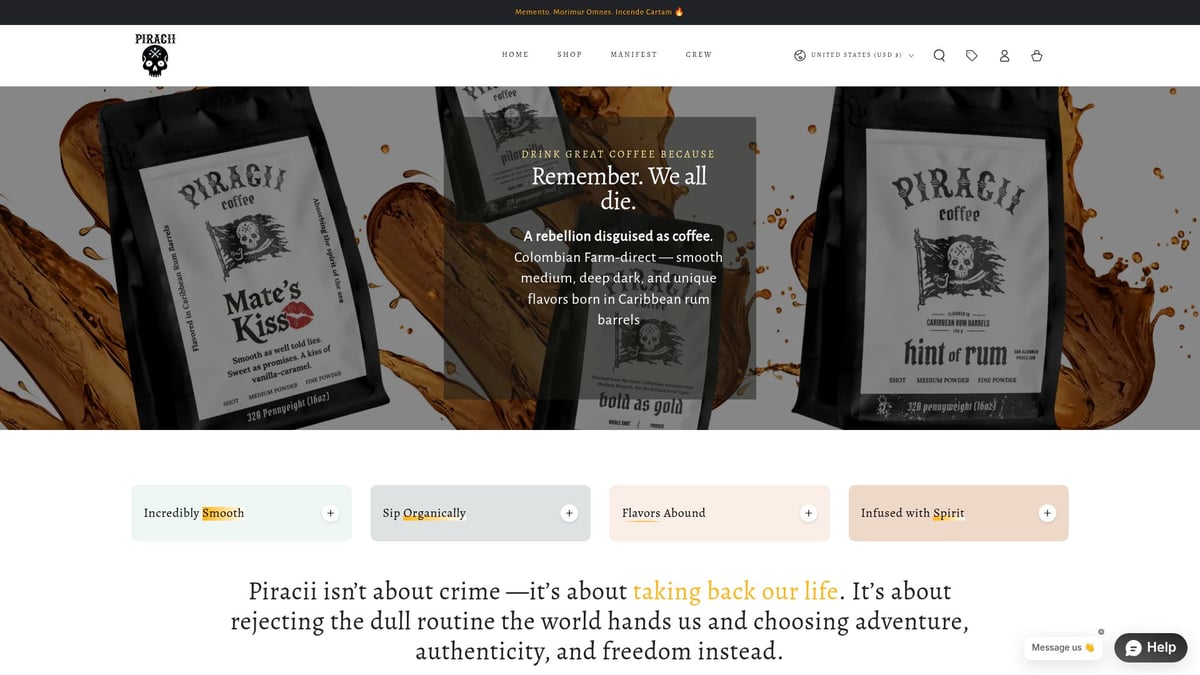
What sets Piracii apart? They offer rum barrel-aged beans, unique variety packs, and flavor infusions you won’t find elsewhere. Their 5-pound subscription model delivers significant savings compared to supermarket prices.
Ordering is seamless, with global shipping and VIP perks, all while supporting Colombian growers and guaranteeing authenticity.
Avoiding Common Pitfalls
Don’t be fooled by misleading marketing or non-authentic blends when shopping for cafe dé colombia. Always check roast dates, packaging integrity, and the presence of proper certifications or traceability features.
Freshness matters—look for recently roasted beans and airtight packaging. Read customer reviews and seek third-party verification whenever possible to ensure you’re getting the real deal.
Remember, a little diligence goes a long way in preserving the authentic taste and supporting the Colombian coffee community.
Mastering the Brew: Unlocking Authentic Flavor at Home
Unlocking the true essence of cafe dé colombia begins right in your own kitchen. By following expert brewing steps, you can enjoy a cup that rivals any specialty café. Whether you’re a seasoned aficionado or just starting out, mastering these techniques will elevate every sip.
Essential Equipment for Colombian Coffee
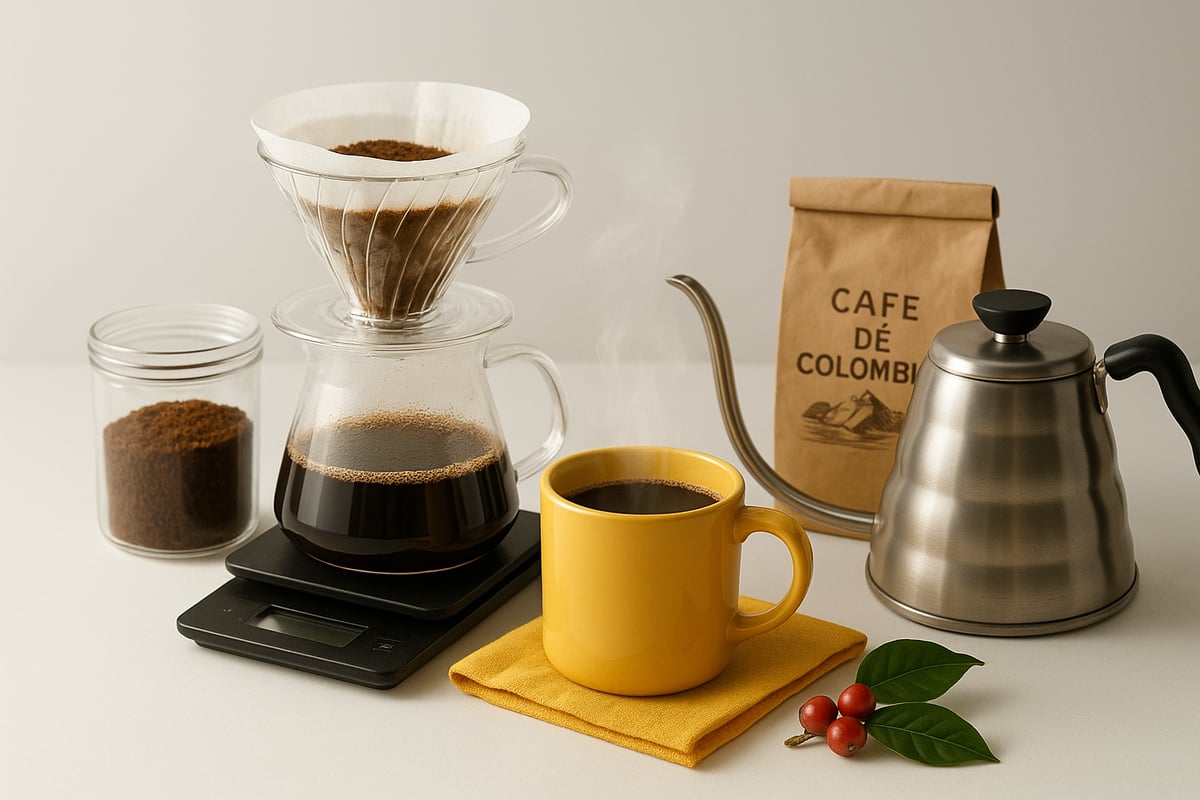
Brewing cafe dé colombia to perfection starts with having the right tools. The right equipment ensures you capture the nuanced flavors and aromas unique to Colombian beans.
Core essentials:
- Burr grinder: Delivers even, consistent grinds for optimal extraction.
- Digital scale: Guarantees precise coffee-to-water ratios.
- Gooseneck kettle: Provides control over pouring, crucial for pour-over methods.
- Filtered water: Enhances clarity and taste.
- Brewing devices: Pour-over dripper, French press, AeroPress, or espresso machine.
A burr grinder is especially important for cafe dé colombia, as it preserves complex flavor notes from the beans’ first crack to your cup. Investing in a quality scale and kettle will help you replicate results and highlight the coffee’s natural sweetness.
The Brewing Process: Step-by-Step Guide
To unlock the authentic flavor of cafe dé colombia, follow this simple, step-by-step method:
- Select beans: Choose freshly roasted, whole-bean cafe dé colombia.
- Measure: Use a 1:16 coffee-to-water ratio (e.g., 18g coffee to 288g water).
- Grind: Grind just before brewing—medium-fine for pour-over, coarse for French press.
- Heat water: Aim for 195–205°F (90–96°C).
- Bloom: Pour a small amount of water to saturate grounds, wait 30 seconds.
- Brew: Pour remaining water slowly, in circles, for even extraction.
- Serve: Savor the evolving aroma and taste.
Consistency is key. Weigh your ingredients and time your brew to capture the best of cafe dé colombia every time.
Water Matters: Unlocking the Subtle Notes
The water you use can make or break your cafe dé colombia experience. Minerals in water interact with coffee compounds, influencing flavor clarity and mouthfeel.
Tips for optimal water:
- Use filtered water with a balanced mineral profile (50–150 ppm TDS).
- Aim for neutral pH (6.5–7.5).
- Specialty water packets are now available to help you fine-tune extraction at home.
If your cafe dé colombia tastes flat or overly sharp, adjusting your water source could unlock hidden flavors like citrus, caramel, or floral notes.
Experimenting with Brew Methods
Different brewing devices highlight unique aspects of cafe dé colombia. Here’s a quick comparison:
| Method | Highlights | Recommended Grind |
|---|---|---|
| Pour-over | Clarity, acidity | Medium-fine |
| French Press | Body, richness | Coarse |
| AeroPress | Versatility | Fine to medium |
| Espresso | Intensity, crema | Fine |
Pour-over methods shine with cafe dé colombia, accentuating its bright acidity and clean finish. French press boosts body, while AeroPress offers flexibility for experimenting with ratios and times.
Try different methods to discover how each reveals new sides of your favorite cafe dé colombia beans.
Troubleshooting Common Brewing Issues
Even experienced brewers can run into problems. If your cafe dé colombia doesn’t taste quite right, these fixes can help:
- Over-extracted (bitter): Use coarser grind, lower water temperature, or shorten brew time.
- Under-extracted (sour): Use finer grind, hotter water, or extend brew time.
- Inconsistent results: Calibrate your scale, grinder, and water source regularly.
Keep a brewing journal for cafe dé colombia so you can fine-tune your process and achieve café-quality results every time.
Enhancing the Experience
Take your cafe dé colombia ritual further by pairing your brew with traditional Colombian snacks like arepas or pandebono. Create café-style drinks at home—try a creamy cortado, classic tinto, or rich café con leche.
For deeper inspiration, explore Colombian Coffee Cup Traditions, which offers background on time-honored serving styles and cultural rituals. In 2025, smart brewers with presets for Colombian profiles are making it easier than ever to recreate authentic flavors at home.
Every detail, from equipment to water and serving style, plays a role in unlocking the full potential of cafe dé colombia. Start experimenting and enjoy the journey to your perfect cup.
Tasting Like a Pro: Sensory Evaluation and Appreciation
Unlocking the full character of cafe dé colombia begins with learning to taste like a seasoned coffee professional. Sensory evaluation is not just for experts, but for anyone eager to appreciate the nuances that set Colombian coffee apart. Let’s explore the steps, tools, and tips that will elevate your tasting experience and help you recognize the hallmarks of authentic cafe dé colombia.
Understanding the Coffee Tasting Wheel
The journey of tasting cafe dé colombia starts with a grasp of the coffee tasting wheel. This tool helps you identify and categorize the full spectrum of flavors present in your cup. Key categories include fruity, floral, nutty, chocolatey, and caramel notes. Each segment is a doorway to new sensory experiences.
Using the Specialty Coffee Association (SCA) protocol, tasters evaluate aroma, flavor, acidity, and body. The wheel makes it easier to pinpoint the subtle differences that define cafe dé colombia. By referencing the wheel as you taste, you’ll quickly recognize the complex layers that make this coffee globally renowned.
Step-by-Step Tasting Guide
To taste cafe dé colombia like a pro, follow these simple steps:
- Smell the dry grounds to detect initial aromas.
- Pour hot water and evaluate the bloom’s fragrance.
- Taste the coffee, focusing on body, acidity, sweetness, and aftertaste.
- Assess balance and complexity, noting how flavors evolve as the cup cools.
Take notes during each stage. Use a scale from 1 to 10 for categories like acidity or sweetness. Over time, you’ll develop a sensory memory for cafe dé colombia, making it easier to spot authentic profiles and exceptional lots.
Recognizing Authentic Colombian Flavor
What sets cafe dé colombia apart is its signature profile: medium body, bright acidity, clean finish, and a subtle, lingering sweetness. Terroir plays a major role. Coffees from Huila often offer caramel and citrus, while Nariño provides floral and fruity aromas.
For a firsthand look at authentic experiences, explore the Xue Café Colombia Experience, which highlights how local cafés celebrate unique regional flavors. Recent award-winning Colombian coffees consistently score high for clarity and complexity, further proving why cafe dé colombia is a global benchmark.
Hosting a Coffee Tasting at Home
Bring the spirit of cafe dé colombia into your own kitchen by hosting a comparative tasting. Gather beans from different regions or with varied processing methods. Prepare each sample using the same brewing method for consistency.
Invite friends to join, provide tasting sheets, and encourage open discussion about flavor notes. In 2023, home coffee tastings grew in popularity, offering a fun and educational way to discover new favorites and deepen appreciation for cafe dé colombia.
The Future of Café Dé Colombia: Trends and Innovations for 2025
The world of cafe dé colombia is rapidly evolving, with a wave of innovation and sustainability shaping its future. As we look to 2025, both tradition and technology are joining forces to keep Colombian coffee at the forefront of the specialty market. Let’s explore what lies ahead for this iconic brew.
Sustainability and Climate Adaptation
Sustainability is at the heart of cafe dé colombia’s future. Colombian farmers are responding to climate change by embracing new, resilient coffee varieties such as Castillo and Cenicafé 1. These cultivars help protect crops from pests and erratic weather.
Shade-grown and organic farming practices are expanding, preserving biodiversity and ensuring rich, complex flavors. Producers are investing in reforestation and soil health, positioning Colombia as a global leader in sustainable coffee. For eco-conscious coffee lovers, these advances mean that every cup of cafe dé colombia supports both the environment and farming communities.
Technology and Traceability
Technology is transforming how consumers experience cafe dé colombia. Digital platforms now offer farm-to-cup transparency, letting buyers trace their beans’ journey from Colombian soil to their mug. Blockchain and QR codes are becoming industry standards, giving customers instant access to origin details and farmer profiles.
In 2024, pilot projects using these tools boosted consumer trust and set new benchmarks for traceability. By 2025, expect nearly every bag of cafe dé colombia to include scannable codes, making it easy to confirm authenticity and ethical sourcing.
Emerging Processing Techniques
Processing methods are evolving in cafe dé colombia. While the washed process remains a staple, honey and natural techniques are gaining ground. These methods bring out unique flavors, from lush fruitiness to rich, syrupy sweetness.
Experimental fermentations and micro-lot batches are creating one-of-a-kind taste experiences. In 2025, adventurous drinkers will find an exciting array of cafe dé colombia profiles, each reflecting the creativity and skill of Colombian producers. If you seek variety, keep an eye out for limited runs and new processing innovations.
Specialty and Limited Edition Coffees
Specialty and limited edition offerings are booming in the cafe dé colombia landscape. Micro-lots, single-estate coffees, and barrel-aged infusions—like rum or vanilla—are now more accessible than ever. Producers are experimenting with exclusive flavor infusions and small-batch releases.
Forecasts show a 20 percent increase in limited edition cafe dé colombia coffees by 2025. These rare finds not only deliver extraordinary flavor but also connect consumers directly with Colombia’s most talented growers. Collectors and enthusiasts can look forward to an expanding world of premium choices.
Coffee Tourism in Colombia
Coffee tourism is thriving, bringing more visitors to the heart of cafe dé colombia country. Travelers can now tour family-run farms, learn about processing, and even participate in harvests. Signature experiences along the Coffee Triangle route deepen appreciation for Colombia’s coffee culture.
This growth in tourism directly benefits rural communities, creating jobs and fostering cultural exchange. For anyone passionate about cafe dé colombia, there’s no better way to experience its magic than by walking the fields and meeting the people behind each cup.
Global Demand and Market Outlook
Global demand for cafe dé colombia continues to soar, cementing Colombia’s role as a specialty coffee powerhouse. In 2023, Colombian coffee exports exceeded 12 million bags, reflecting robust growth and expanding reach. Recent harvests have set new records, as detailed in Colombia's Record Coffee Harvest in 2024.
Industry forecasts, including the USDA 2025 Coffee Annual Report, predict continued export strength and rising market share for Colombian beans. As consumer preferences shift toward traceable, high-quality products, cafe dé colombia is poised to meet global expectations with unmatched flavor and reliability.
The Role of Colombian Coffee in Global Culture
Cafe dé colombia is more than just a beverage, it’s a cultural icon. Its influence now stretches across specialty cafés, international competitions, and the third-wave coffee movement. Baristas and enthusiasts worldwide celebrate Colombian coffee for its clarity, balance, and versatility.
Looking ahead, cafe dé colombia will remain a symbol of excellence, adapting and innovating while honoring its deep heritage. For coffee lovers everywhere, the journey is just beginning.
If you’re ready to experience for yourself what makes Colombian coffee truly unforgettable—the hand-picked beans, the volcanic mountain air, that slow-developed sweetness—why not start with a cup that honors those roots? We’ve talked about the passion, the tradition, and the taste adventure waiting in every sip. Don’t just read about it—bring those misty mountains to your morning ritual and taste the difference that direct, farm-to-cup freshness makes. Curious where to begin? Get the Best Coffee at the Best Price Here and start your own journey with authentic Café Dé Colombia today.


