


Step into the misty mountains of Tolima, where the aroma of freshly brewed tolima colombia coffee awakens your senses and connects you to centuries of tradition. In this guide, discover what makes Tolima’s beans exceptional in 2025, from their vibrant flavors and rich origins to the innovative methods behind each cup. Journey through the region’s storied past, learn about its unique landscapes, meet visionary producers, and find expert tips for sourcing and savoring every sip. Ready to experience coffee as a way of life? Let’s begin your Tolima adventure.
The Legacy of Tolima Coffee: History and Cultural Roots
Tolima’s coffee story is woven into the very fabric of the region, shaping its people, culture, and future. To truly appreciate tolima colombia coffee, we must first journey back to its roots, exploring how tradition, struggle, and resilience built a legacy that thrives today.
The Birth of Coffee in Tolima
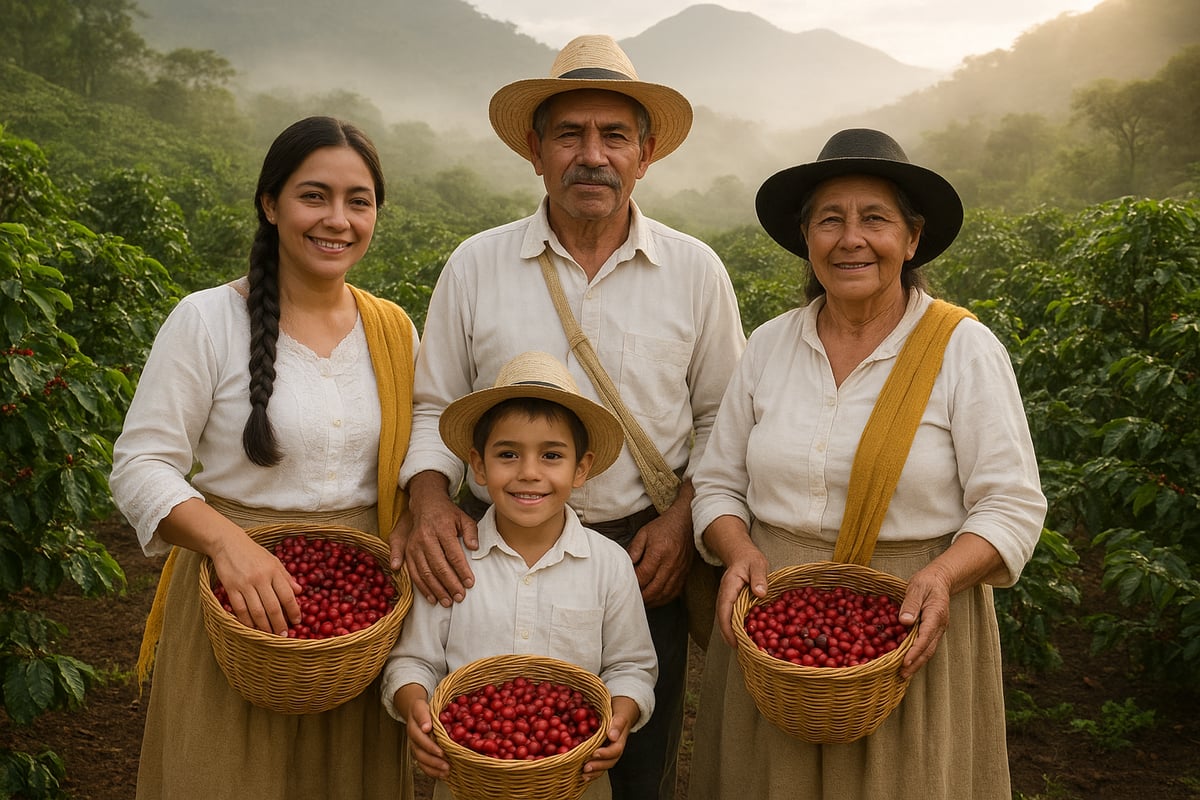
The origins of tolima colombia coffee trace back to the late 19th century, when coffee first took root in the region’s fertile volcanic soil. Early settlers, including indigenous and Afro-descendant communities, embraced the crop, blending ancestral practices with new agricultural methods. This integration created a unique coffee-growing culture, distinct from other Colombian regions.
Tolima’s coffee journey accelerated during Colombia’s nationwide coffee boom, which brought economic growth and connected remote communities to the global market. Despite these opportunities, tolima colombia coffee farmers faced immense challenges. The region’s rugged terrain and relative isolation limited access to infrastructure, but also preserved the purity of its land and traditions.
Historical conflict, especially the FARC occupation, deeply impacted local livelihoods. Many families were displaced, and coffee fields were abandoned or fell into neglect. Yet, the spirit of tolima colombia coffee endured. After dual peace agreements, displaced farmers returned, breathing new life into abandoned farms and reviving the region’s coffee industry.
Generational knowledge transfer remains a cornerstone of Tolima’s identity. Family-run farms pass down expertise, ensuring each harvest reflects decades of wisdom. Coffee here is more than a commodity—it is a symbol of resilience, unity, and hope. The story of tolima colombia coffee mirrors Colombia’s own journey, as explored in Colombian coffee origins and culture, where history and heritage guide every step from seed to cup.
Coffee’s Socioeconomic Importance in Tolima
Today, tolima colombia coffee is the backbone of local economies and a source of pride for over 540,000 Colombian families, with Tolima contributing a significant share. Entire communities depend on coffee exports, which fund education, healthcare, and infrastructure. The economic pulse of Tolima beats in sync with the rhythms of coffee planting and harvest.
A remarkable transformation is unfolding in the region. Women and youth are stepping into leadership roles, managing farms, innovating processing techniques, and shaping the future of tolima colombia coffee. This generational shift brings fresh ideas and renewed energy to an age-old tradition.
Community cooperatives like ASOPEP and ASCI'SP play a pivotal role in empowering producers. These organizations offer training, improve working conditions, and invest in social programs. Their efforts have led to tangible benefits: better wages, improved schools, and greater gender equality.
Tables summarizing cooperative impact often highlight:
- Increased farm profitability
- Expanded access to global markets
- Enhanced social infrastructure
Through collective action, tolima colombia coffee producers are building a more sustainable and equitable future. The region’s story is one of adaptation and progress, where every cup supports not just a farmer, but an entire community striving for a brighter tomorrow.
Geography, Climate, and Terroir: What Makes Tolima Unique?
Nestled in the heart of Colombia’s coffee belt, Tolima is a region where geography, climate, and history converge to create a coffee profile like no other. If you’re searching for a coffee experience that is truly distinctive, understanding the land behind tolima colombia coffee is essential.
Tolima’s Distinctive Landscape
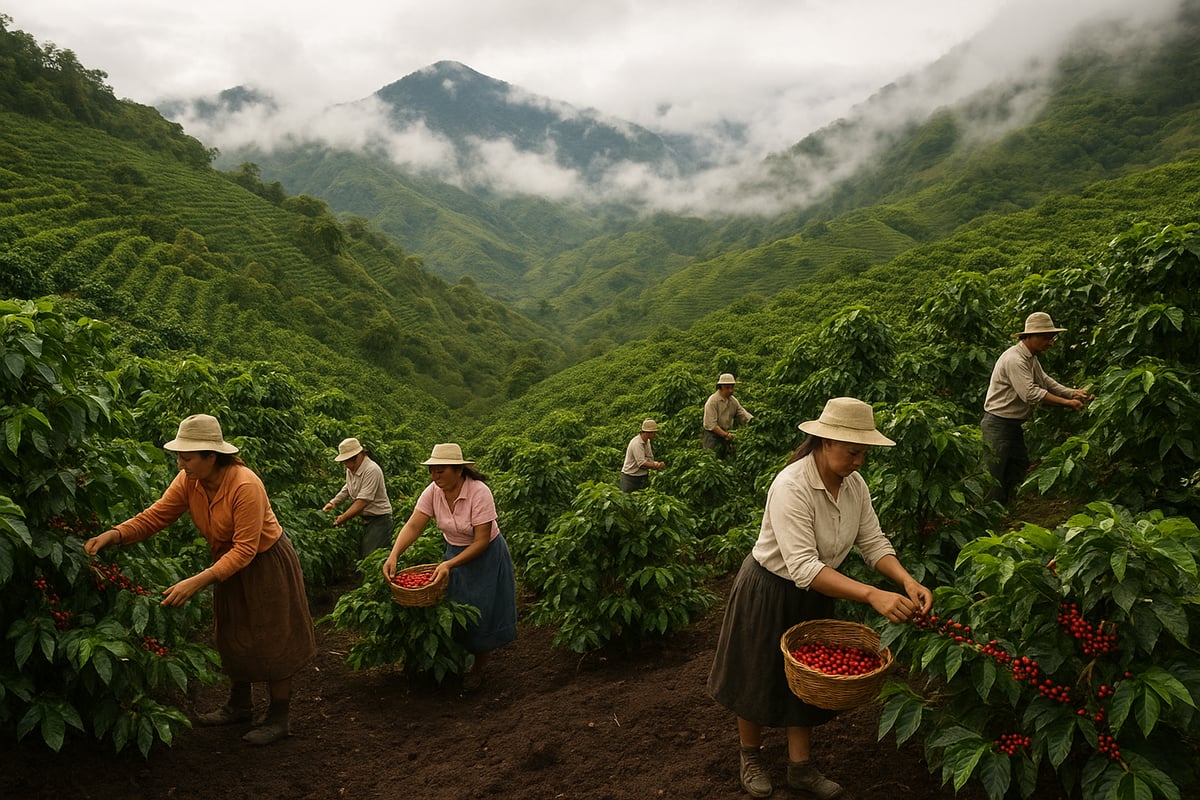
Tolima sits between the Central and Eastern Andes, boasting dramatic mountain ranges, deep valleys, and fertile river basins. Unlike more commercialized Colombian regions, Tolima’s historic isolation preserved its environment, resulting in some of the most pristine soils for coffee cultivation.
The region’s altitude ranges from 4,000 to 6,500 feet above sea level. This elevation is a crucial factor in the development of tolima colombia coffee, as it encourages slow cherry maturation, higher sugar concentration, and complex acidity. The mineral-rich volcanic soils, fed by ancient eruptions from the Nevado del Ruiz and Nevado del Tolima volcanoes, add a signature depth and vibrancy to every cup.
A unique blend of microclimates exists across Tolima’s 38 coffee-producing municipalities. Each area offers subtle differences in rainfall, sunlight, and temperature, giving rise to a spectrum of flavor profiles. Unlike Antioquia, Caldas, or Quindío, Tolima’s microclimate diversity is amplified by its rugged topography and less industrialized farming approach.
Regional Comparison Table
| Region | Altitude (ft) | Soil Type | Microclimates | Agrochemical Use | Coffee Profile |
|---|---|---|---|---|---|
| Tolima | 4,000-6,500 | Volcanic, rich | Highly varied | Minimal | Fruity, floral, sweet |
| Antioquia | 4,000-6,200 | Clay, volcanic | Moderate | Moderate | Nutty, chocolatey |
| Caldas | 3,600-6,200 | Volcanic | Moderate | Higher | Balanced, mild |
| Quindío | 4,000-5,900 | Volcanic | Moderate | Higher | Bright, citric |
Because of decades of conflict and limited infrastructure, many Tolima farms avoided the heavy use of agrochemicals. This has contributed to the region’s reputation for organic and sustainable coffee, as highlighted in Tolima's Organic Coffee Production. These untouched soils support exceptional biodiversity, with coffee often grown alongside plantains, citrus, and native trees.
Climate Patterns and Harvest Cycles
Tolima’s climate is shaped by its proximity to the equator and the Andes. The region receives abundant rainfall, but its distribution is unpredictable due to phenomena like La Niña. These weather patterns can impact the flowering and fruiting cycles, sometimes causing fluctuations in tolima colombia coffee yields.
One of Tolima’s most intriguing features is its dual harvest cycle. Traditionally, producers enjoyed two main harvests each year, but recent climate shifts have merged these into a more continuous production calendar. This allows for near year-round harvesting, providing both opportunities and challenges for farmers in maintaining quality and consistency.
The prevalence of organic farming in Tolima is rooted in its history of isolation and self-reliance. Many farms remain small-scale, family-run, and committed to traditional, eco-friendly practices. This dedication is reflected in impressive organic coffee yields, typically ranging from 1,875 to 2,750 kg per hectare, which often surpass national averages. Such productivity is a testament to the healthy soils and careful land stewardship that define tolima colombia coffee.
Year-round production supports a stable local economy and consistent employment. However, it also requires adaptable farming techniques to manage pests, soil fertility, and water resources across changing weather patterns. The resilience shown by Tolima’s communities is mirrored in the vibrant, complex flavors found in every batch of tolima colombia coffee.
Tolima’s unique geography, climate, and terroir are more than just a backdrop—they’re the very soul of its extraordinary coffee. For anyone seeking a cup that captures the essence of Colombia’s wild beauty, Tolima stands apart.
Coffee Varieties and Processing Methods in Tolima
Tolima’s mountainous terrain and rich volcanic soils create the perfect environment for a diverse range of coffee varieties and innovative processing methods. The region’s producers blend time-honored traditions with fresh ideas, making tolima colombia coffee a standout on the global stage. Whether you are a coffee enthusiast or a specialty buyer, understanding these varieties and processes is key to appreciating Tolima’s unique cup.
Key Coffee Varieties Grown
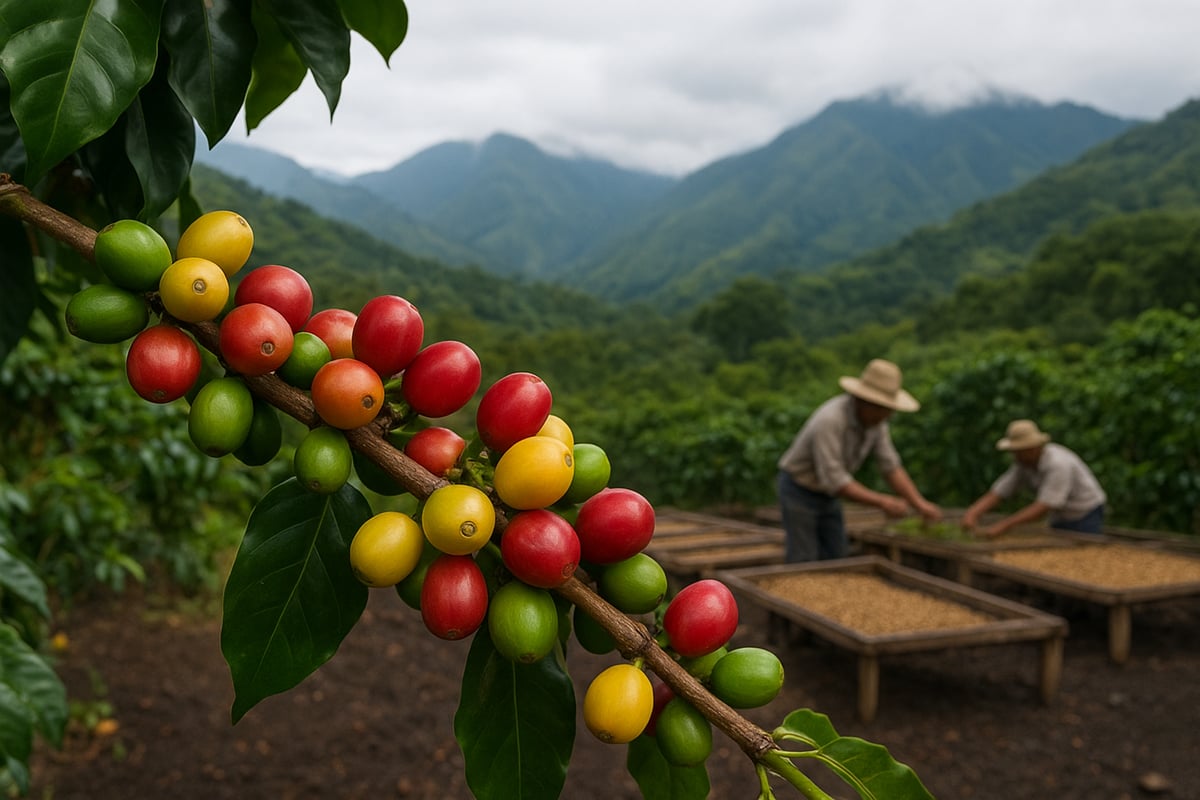
Tolima is home to several prized coffee cultivars, each thriving in the region’s distinct microclimates. The most widely planted is Castillo, known for its resilience against disease and its balanced cup profile. Colombia variety offers a bright acidity and pronounced sweetness, making it a favorite for both local and international markets. Typica and Bourbon, cherished for their heritage and complexity, contribute floral and fruity undertones to tolima colombia coffee.
Maracaturra, although less common, is gaining attention for its large beans and unique flavor notes. These varieties adapt well to Tolima’s altitudes, ranging from 1,200 to 2,000 meters, which enhances their aromatic qualities and acidity.
Here’s a quick comparison:
| Variety | Cup Profile | Special Traits |
|---|---|---|
| Castillo | Balanced, sweet, mild | Disease-resistant |
| Colombia | Bright, sweet, juicy | High yield, aromatic |
| Typica | Floral, clean, mild | Heritage, delicate acidity |
| Bourbon | Fruity, caramel, rich | Complex, traditional |
| Maracaturra | Exotic, creamy, bold | Large bean, rare |
The diversity of tolima colombia coffee cultivars is a testament to the region’s commitment to quality. For a deeper dive into how Tolima’s single-origin coffees compare to others, see this Single origin coffee from Colombia guide.
Traditional and Innovative Processing Techniques
Processing methods in Tolima are as dynamic as its landscape. Traditionally, washed processing dominates, prized for producing clean and vibrant flavors in tolima colombia coffee. This method involves removing the cherry pulp and fermenting the beans, which brings clarity and brightness to the cup.
Recently, younger producers have embraced experimentation. Extended and monitored fermentations allow for nuanced flavors, while natural and honey processes are gaining popularity. In natural processing, ripe cherries dry intact, imparting bold fruitiness and complexity. Honey processing leaves some mucilage on the bean, resulting in a creamy mouthfeel and enhanced sweetness.
Fermentation innovation is also thriving. Some producers introduce selected yeasts and microorganisms to control and enhance flavor development. A notable example is Jorge Rojas and the ASOPEP cooperative, whose natural process lots consistently score above 88 points, reflecting the high demand for innovative tolima colombia coffee.
The choice of processing method directly impacts the cup profile and market appeal. This flexibility enables Tolima to offer a spectrum of flavors that cater to specialty buyers and adventurous coffee drinkers alike.
Sustainability and Organic Practices
Sustainability is at the heart of tolima colombia coffee production. The region boasts one of Colombia’s highest rates of organic certification, driven by a history of minimal agrochemical use. Family farms often employ natural fertilizers, preserve native shade trees, and encourage biodiversity on their land.
Water management is a top priority. Many producers use eco-friendly wet mills that minimize water consumption and prevent contamination of local streams. Farms often integrate multi-crop systems, combining coffee with bananas, fruit trees, vegetables, and even animals like chickens or bees. These practices boost soil health, diversify income, and increase resilience against climate challenges.
Sustainability initiatives include:
- Organic composting and natural pest management
- Reforestation and conservation of native species
- Community training in regenerative agriculture
As global demand for traceable, environmentally responsible coffee grows, tolima colombia coffee stands out for its eco-conscious approach. These practices not only protect the land but also ensure that each cup reflects the vibrant spirit of the region.
The Flavor Spectrum: Tasting Tolima’s Coffee
Step into the world of tolima colombia coffee, where every cup tells a story shaped by mountain mists, volcanic soils, and generations of expertise. The flavors you’ll discover here are as diverse as the landscapes that nurture them, inviting you to savor a sensory journey unlike any other.
Signature Flavor Profiles
Tolima colombia coffee is renowned for its vibrant and layered flavor spectrum. In the cup, you’ll often notice stone fruit notes like peach and plum, complemented by red berries, sweet caramel, and delicate florals. Some lots even reveal exotic sweetness, reminiscent of panela or tropical fruits.
What makes these flavors stand out is the interplay of altitude and volcanic soil. Higher elevations bring out crisp acidity and aromatic complexity, while mineral-rich earth deepens the body and mouthfeel. Compared to other Colombian regions, Tolima’s coffees are known for their bold fruitiness and balanced sweetness.
Here’s a quick snapshot of typical Tolima flavor notes:
| Note | Description | Intensity |
|---|---|---|
| Stone Fruit | Peach, Plum | High |
| Berry | Red currant, Blueberry | Medium |
| Caramel | Sweet, syrupy | Medium |
| Floral | Jasmine, Honeysuckle | Subtle |
| Exotic Sweet | Panela, Cane Sugar | Medium |
Each harvest brings subtle shifts, but the signature profile of tolima colombia coffee remains unmistakable.
Factors Influencing Flavor
The distinct taste of tolima colombia coffee is shaped by a mosaic of microclimates and terroir. Each of the region’s 38 municipalities has its own altitude, rainfall, and sun exposure, leading to unique expressions even within neighboring farms.
Processing methods also play a pivotal role. Washed coffees from Tolima highlight clarity and brightness, while natural and honey processes—growing in popularity among younger producers—add layers of fruitiness and sweetness. Seasonal variations, influenced by dual harvests and shifting weather, further refine the annual flavor palette.
Unlike some regions that rely heavily on agrochemicals, Tolima’s organic practices and untouched soils allow natural flavors to shine through. The result is a cup that’s clean, lively, and full of character, making tolima colombia coffee a favorite among discerning palates.
How to Taste and Evaluate Tolima Coffee
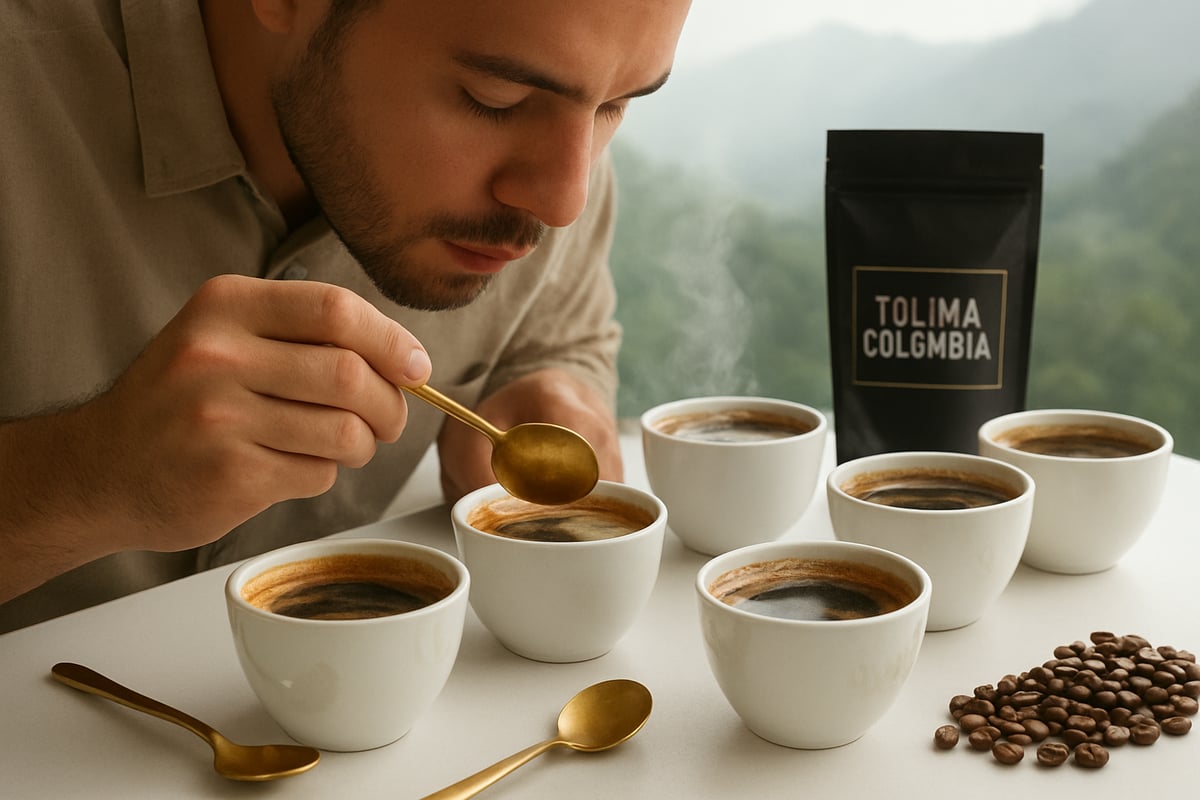
Ready to unlock the full potential of tolima colombia coffee? Start by following a simple cupping routine: grind fresh beans, add hot water, and breathe in the aroma. As you sip, focus on acidity, sweetness, balance, and aftertaste.
Coffees from Tolima often shine in pour-over and Chemex brews, accentuating their fruit and floral notes. For espresso lovers, try a lighter roast to preserve the region’s signature brightness.
Curious about how to refine your tasting skills? Explore this Coffee tasting and cup profiles guide for expert tips and deeper insights into evaluating specialty coffees.
Whether you’re a seasoned cupper or new to the world of tolima colombia coffee, each tasting is a chance to connect with the land, the people, and the vibrant culture behind every bean.
Meet the Producers: Tolima’s Coffee Cooperatives and Innovators
Tolima’s coffee story is brought to life by the passionate people behind every bean. The region’s cooperatives and innovators are not only preserving tradition but also shaping the future of tolima colombia coffee. Their efforts ripple through local communities, creating a culture of excellence, resilience, and hope.
Key Organizations and Their Impact
Cooperatives drive the heart of tolima colombia coffee. ASOPEP, based in Planadas, leads with strong women’s leadership, rigorous quality initiatives, and a commitment to community. Their programs empower women farmers, raise cup standards, and invest in local education.
ASCI'SP, an indigenous growers’ association, is a beacon of peacebuilding. Their efforts have united communities once divided by conflict, now working toward sustainable growth. Young producers, inspired by family knowledge and global trends, are pioneering new processing methods and direct trade relationships.
These organizations focus on:
- Sustainability: Organic practices, biodiversity, and water conservation
- Traceability: Transparent supply chains connecting farmers to buyers
- Innovation: Experimenting with fermentation and micro-lots
- Quality: Consistent cup excellence, often scoring above 86 points
Tolima’s cooperatives are a model for social change. For more on collective achievements and data, see Tolima's Coffee Production Statistics.
Community Empowerment and Social Progress
The story of tolima colombia coffee is one of empowerment. Women and youth are increasingly taking leadership in farm management, decision-making, and cooperative boards. Their fresh perspectives drive innovation, from eco-friendly farming to specialty coffee marketing.
Farm diversification is common. Many families grow food crops, keep chickens or bees, and invest in gardens to boost self-sufficiency. This not only secures livelihoods but also improves nutrition and local resilience.
Education and training programs are transforming the region. Producers learn about quality control, advanced processing, and business skills. These investments support a brighter economic outlook and inspire new generations to carry forward the tolima colombia coffee legacy.
In Tolima, coffee is more than a crop—it’s a catalyst for social progress and a testament to the power of community.
Sourcing and Enjoying Tolima Coffee: A Buyer’s Guide for 2025
Exploring the world of tolima colombia coffee is a sensory adventure, but finding truly authentic beans requires a bit of guidance. In 2025, global demand for specialty coffees is surging, making it more important than ever to source with intention and savor every cup. Whether you’re a roaster, café owner, or home brewer, this guide will help you unlock the best of Tolima’s vibrant coffee culture.
How to Source Authentic Tolima Coffee
Securing genuine tolima colombia coffee starts with knowing where your beans come from. Look for reputable exporters and importers who specialize in direct relationships with Tolima’s cooperatives and producers. Certifications are key—seek out organic, Fair Trade, and Denomination of Origin labels to ensure quality and ethical standards.
Transparency in the supply chain matters. Ask your supplier for traceability information, such as the name of the cooperative, farm, or even the producer’s story. This not only guarantees authenticity but also supports local farmers. As Colombia’s coffee production faces challenges from heavy rains and shifting weather patterns, staying informed is crucial. For the latest statistics and forecasts, check out Colombia's 2025 Coffee Production Forecast.
When possible, choose partners who engage in direct trade, as this ensures a greater share of profits returns to Tolima’s communities. Remember, every bag of tolima colombia coffee you buy is a vote for sustainability and quality.
Tips for Roasters, Cafés, and Consumers
Selecting the right tolima colombia coffee for your needs starts with understanding the flavor profile you want. Tolima beans shine in both filter and espresso roasts, offering a spectrum from juicy stone fruit to delicate florals.
- For roasters: Opt for fresh-crop lots with clear harvest dates, and sample different processing methods to diversify your offerings.
- For cafés: Rotate single-origin Tolima coffees to highlight unique micro-lots and educate your customers about their origins.
- For consumers: Store beans in airtight containers, grind fresh before brewing, and experiment with pour-over or French press to accentuate flavor.
Supporting Tolima’s farmers goes beyond purchasing. Choose coffees with transparent sourcing, and share their stories with your customers. Ethical buying not only elevates your cup but also strengthens the entire tolima colombia coffee supply chain.
Where to Experience Tolima Coffee
To truly appreciate tolima colombia coffee, seek out cafés and roasteries that specialize in Colombian single origins. Many global specialty coffee shops now feature Tolima micro-lots, often highlighting the work of innovative cooperatives and young producers.
If you’re adventurous, consider coffee tourism in Tolima itself. Visit farms for immersive experiences—walk through coffee fields, participate in cupping sessions, and join annual festivals that celebrate the region’s best producers. These events are perfect for deepening your appreciation and connecting directly with the passionate people behind your favorite cup.
Keep an eye out for competitions and awards that spotlight Tolima’s top coffees. Whether at home or abroad, every sip of tolima colombia coffee is an invitation to join a vibrant, resilient community.
The Future of Tolima Coffee: Trends and Opportunities for 2025
Tolima is entering a new era of coffee excellence. As global demand shifts and climate realities set in, the region is poised to lead with innovation, resilience, and unmatched flavor. What will the next chapter hold for tolima colombia coffee? Let’s explore the trends shaping its future.
Emerging Trends in Production and Quality
Tolima is quickly becoming a hotspot for organic and specialty coffee. Younger producers are embracing technology, from digital farm management to precision fermentation. Micro-lots and experimental lots are drawing attention from international buyers eager for distinct flavors.
Producers are investing in new cultivars and fermentation techniques. These changes are helping tolima colombia coffee gain even more recognition in global competitions. The drive for traceability and innovation is making Tolima a model for Colombia’s coffee future.
Sustainability and Climate Resilience
Sustainability is at the heart of Tolima’s coffee renaissance. Farmers are adopting regenerative agriculture, preserving biodiversity, and integrating water-saving methods. These efforts help protect crops from unpredictable weather patterns and secure long-term yields.
Organic practices remain strong, thanks to the region’s history of minimal chemical use. As climate adaptation becomes more urgent, tolima colombia coffee producers are leading with eco-friendly solutions and community-based conservation projects.
- Use of shade trees to protect coffee plants
- Soil enrichment with organic compost
- Community workshops on climate-smart agriculture
Tolima’s environmental focus promises a resilient future for its coffee.
Market Outlook and Global Demand
Tolima is carving out a premium niche in the global specialty market. Export forecasts are optimistic, with buyers seeking transparency and unique profiles. Still, the region faces challenges from climate variability and shifting regulations, which are impacting Colombia’s overall output. For more insight, see this Colombian Coffee Production Decline Analysis.
Despite these hurdles, tolima colombia coffee is in high demand, especially for its organic and micro-lot offerings. Producers are leveraging direct trade and storytelling to build brand loyalty with international partners.
How Tolima’s Coffee Culture is Evolving
A vibrant new generation is shaping Tolima’s coffee culture. Women and indigenous leaders are taking on prominent roles, driving innovation and fostering inclusive growth. Education and training are empowering communities to master quality control and sustainable farming.
Farmers are diversifying with gardens, livestock, and eco-tourism, ensuring stability beyond coffee alone. These cultural shifts are cementing tolima colombia coffee’s reputation for resilience, creativity, and global excellence.
Tolima’s future is bright, driven by passionate producers and a commitment to quality that sets the region apart.
After exploring the vibrant legacy, unique landscapes, and unforgettable flavors that make Tolima’s coffee so special, you might be wondering how you can bring a taste of these misty mountains into your own daily ritual. You don’t have to travel to Colombia to experience coffee that’s handpicked, carefully crafted, and rooted in generations of tradition. At Piracii, we’re passionate about connecting you directly to the heart of Tolima—delivering fresh, ethically sourced beans at prices that put the big brands to shame. Taste the difference and start your own adventure with every cup: Get the Best Coffee at the Best Price Here


