


Colombia’s coffee culture is captivating the world in 2025, and for good reason. From bustling city cafés to tranquil mountain farms, the story of cafe de colombia is woven into every cup.
This expert guide reveals what makes Colombian coffee legendary. Whether you are a coffee lover or an industry professional, you will discover the traditions, innovations, and trends shaping the future.
Explore the rich heritage, vibrant regional flavors, sustainability efforts, and brewing mastery that define Colombia’s coffee scene. Ready to experience the pulse of cafe de colombia in 2025? Let’s dive in and taste the journey from bean to cup.
The Legacy of Cafe de Colombia: History, Culture, and Global Impact
Colombia’s coffee legacy is a story woven into the nation’s identity and the world’s morning rituals. The journey of cafe de colombia from its humble beginnings to becoming a global icon is rich with heritage, pride, and innovation. Understanding this legacy reveals why every cup tells a story worth savoring.
Origins of Colombian Coffee
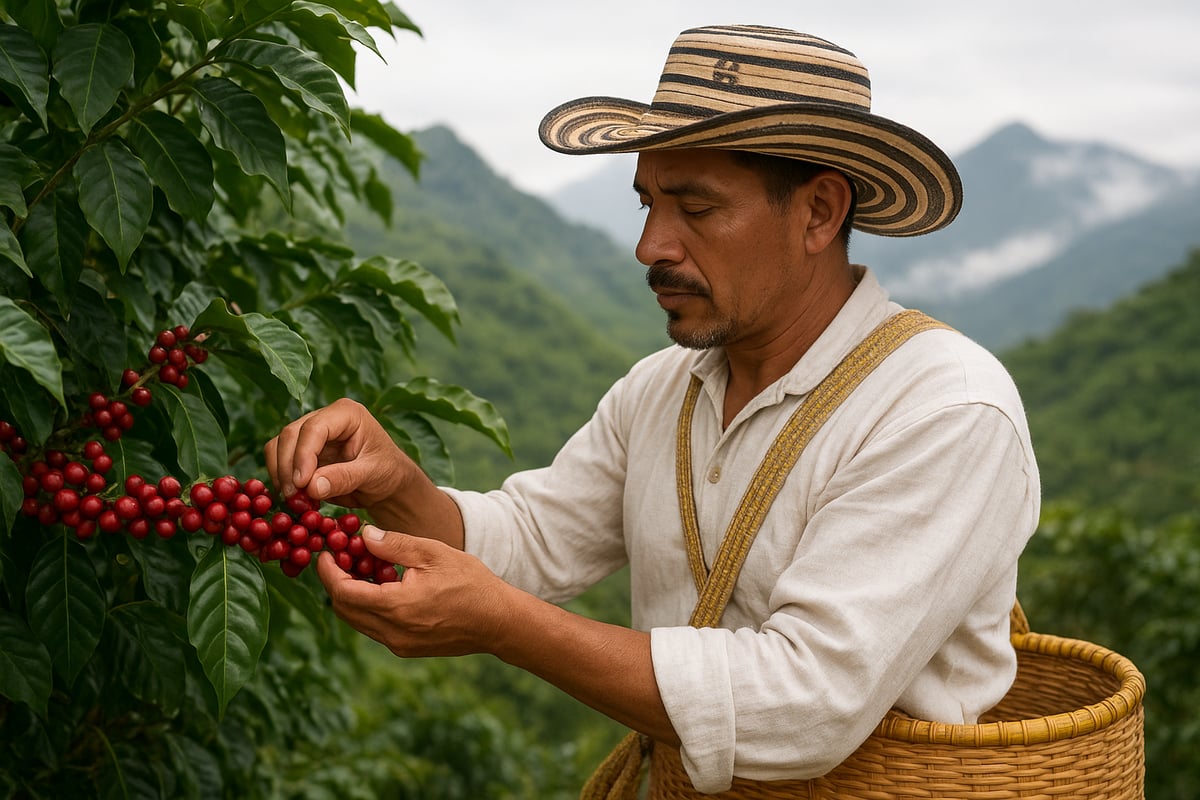
The roots of cafe de colombia trace back to the late 18th century, when Jesuit priests introduced coffee plants to fertile Colombian soil. Early cultivation flourished in regions like Santander and Cundinamarca, where smallholder farms quickly adapted to the mountainous landscapes.
By the 19th century, coffee became deeply integrated into the Colombian economy. The formation of family-run farms helped shape a unique agricultural model, with generations passing down expertise and passion. This period marked the rise of the National Federation of Coffee Growers (FNC) in 1927, a pivotal organization that unified growers and promoted quality standards.
Exporting Colombian coffee was a turning point. By the mid-20th century, cafe de colombia had entered global markets, reaching North America and Europe. Key milestones included the first shipments to the US and the establishment of quality controls that set Colombian beans apart. For a deeper look at this rich history, The story of Cafe de Colombia offers expert insights and compelling details.
Cultural Significance and Identity
Cafe de colombia is more than an agricultural product; it is a symbol of national pride woven into the fabric of daily life. The iconic Juan Valdez character, introduced in the 1950s, became the face of Colombian coffee worldwide, embodying authenticity and dedication.
Coffee rituals are central to Colombian culture. From morning “tinto” shared among friends to festive celebrations in coffee towns, these traditions foster connection and community. Festivals like the National Coffee Festival in Manizales showcase music, parades, and barista competitions, highlighting the importance of coffee in regional identity.
The social role of cafe de colombia extends to rural livelihoods. Coffee tourism has surged, inviting visitors to explore picturesque fincas, learn about traditional processing, and experience the warmth of Colombian hospitality. These journeys not only celebrate coffee’s heritage but also empower local communities through sustainable tourism and cultural exchange.
Colombia’s Place in the Global Coffee Industry
Today, cafe de colombia stands as the world’s third-largest coffee producer, with 11.5 million bags exported in 2023 according to the FNC. Major markets include the United States, Europe, and Asia, where Colombian beans are prized for their balanced acidity, caramel sweetness, and nuanced flavors.
Colombia’s impact on specialty coffee markets is profound. The country has earned numerous awards for quality, including recognition at international competitions and the prestigious Geographical Indication (GI) status for “Café de Colombia.” This distinction protects the unique characteristics of Colombian coffee and guarantees authenticity for consumers worldwide.
The continued evolution of cafe de colombia reflects a commitment to excellence. Through innovation, sustainable practices, and a focus on community, Colombia’s coffee sector inspires industry professionals and enthusiasts alike. Each cup serves as a testament to a legacy that continues to shape the global coffee landscape.
Colombian Coffee Regions: Unique Terroirs and Flavor Profiles
Colombia’s landscape is a vibrant mosaic of mountains, valleys, and tropical forests. This diversity is the foundation of the cafe de colombia legacy, where each region crafts beans with distinct character. Exploring these regions unlocks a world of flavor, heritage, and innovation for coffee lovers and professionals alike.
The Coffee Triangle (Eje Cafetero): Antioquia, Caldas, Quindío
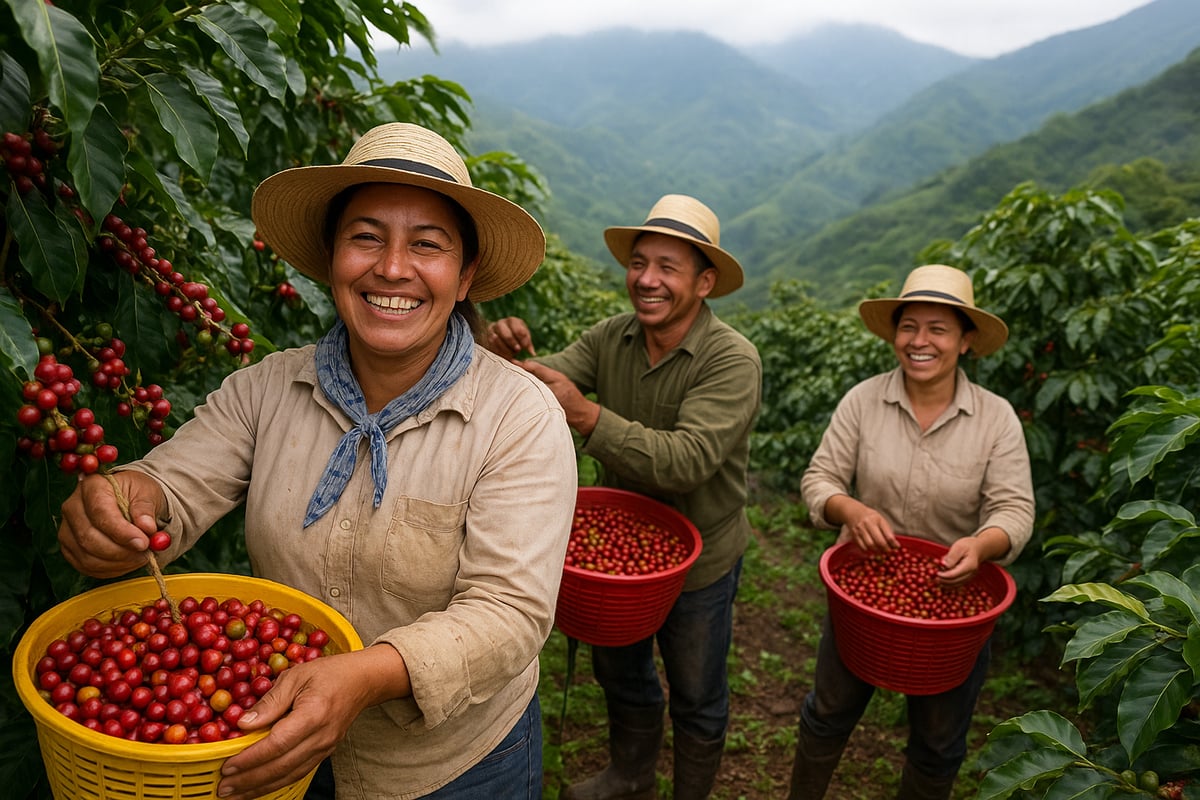
The heart of cafe de colombia beats in the Coffee Triangle. This iconic region is defined by its rolling hills, volcanic soils, and elevations ranging from 4,000 to 6,500 feet. The climate here is ideal for nurturing Arabica beans, with consistent rainfall and warm days balanced by cool nights.
What sets this region apart is its harmonious blend of flavors. Expect balanced acidity, gentle caramel sweetness, and subtle fruit notes in every cup. Farms and cooperatives in Antioquia, Caldas, and Quindío combine generations of expertise with a passion for quality.
Elevation plays a crucial role, as higher altitudes slow bean maturation, intensifying the complexity of cafe de colombia’s flavor. Notable producers in this region have earned international recognition, making the Coffee Triangle a must-visit destination for those seeking to experience the roots of Colombian coffee culture.
Emerging Regions: Nariño, Huila, Tolima, Sierra Nevada
Beyond the Triangle, emerging regions like Nariño, Huila, Tolima, and Sierra Nevada are redefining cafe de colombia’s global reputation. These areas boast unique microclimates and soil profiles, leading to an explosion of specialty flavors. For instance, Huila’s high-altitude farms have produced Cup of Excellence winners, featuring bright citrus, floral, and chocolate undertones.
Each region’s harvest and processing methods add to their distinctive profiles. In Nariño, cooler temperatures mean slower cherry ripening, resulting in beans bursting with sweetness and acidity. Sierra Nevada, with its indigenous traditions, offers organic coffees grown in harmony with the environment.
Curious about the depth and variety of these regions? Dive deeper into Huila’s story and specialty coffee culture by Exploring Colombia's coffee regions. As cafe de colombia grows in international prestige, these emerging regions are setting new benchmarks for quality and traceability.
Sustainability and Regional Innovation
Sustainability is woven into the fabric of cafe de colombia’s regional identity. Across Colombia, 95 percent of coffee farms are family-owned, fostering deep-rooted stewardship of the land. Farmers are rapidly adopting eco-friendly methods, such as shade-grown cultivation and organic certifications, to protect biodiversity and ensure long-term viability.
Innovative community initiatives are raising the bar for quality and traceability. Programs promoting direct trade and transparent sourcing empower smallholder farmers and strengthen local economies. Certifications like Rainforest Alliance and organic labels are becoming hallmarks of responsible production.
These efforts are not just trends—they are commitments shaping the future of cafe de colombia. By prioritizing environmental health and community well-being, Colombia’s regions are proving that world-class coffee can go hand-in-hand with sustainability. The next time you savor a Colombian brew, remember the families and innovations behind every cup.
Navigating the 2025 Cafe de Colombia Landscape: Trends and Innovations
The cafe de colombia landscape in 2025 is bursting with innovation, tradition, and fresh consumer demands. If you crave exceptional coffee or want to stay ahead in the industry, understanding these trends is essential. Let’s dive into how Colombia is shaping the global coffee scene, and what you can expect in the coming year.
Growing Demand for Specialty and Single-Origin Coffees
In 2025, consumer interest in specialty and single-origin coffees from cafe de colombia is at an all-time high. Coffee lovers are seeking unique, traceable beans with distinct flavor profiles that reflect their region of origin. This demand is driving up prices, encouraging farmers to adopt more precise cultivation and processing methods.
Farmers and exporters are responding by investing in quality and transparency, which has led to an 18% growth in specialty coffee exports in 2023. As more buyers prioritize traceability, programs that connect roasters directly with growers are flourishing. For a deep dive into what makes these coffees so special, explore these Single-origin Colombian coffee insights.
This shift is not just about taste, but about building stories and relationships around every cup. As a result, cafe de colombia is becoming synonymous with premium, artisanal coffee experiences.
Technological Advancements in Production and Processing
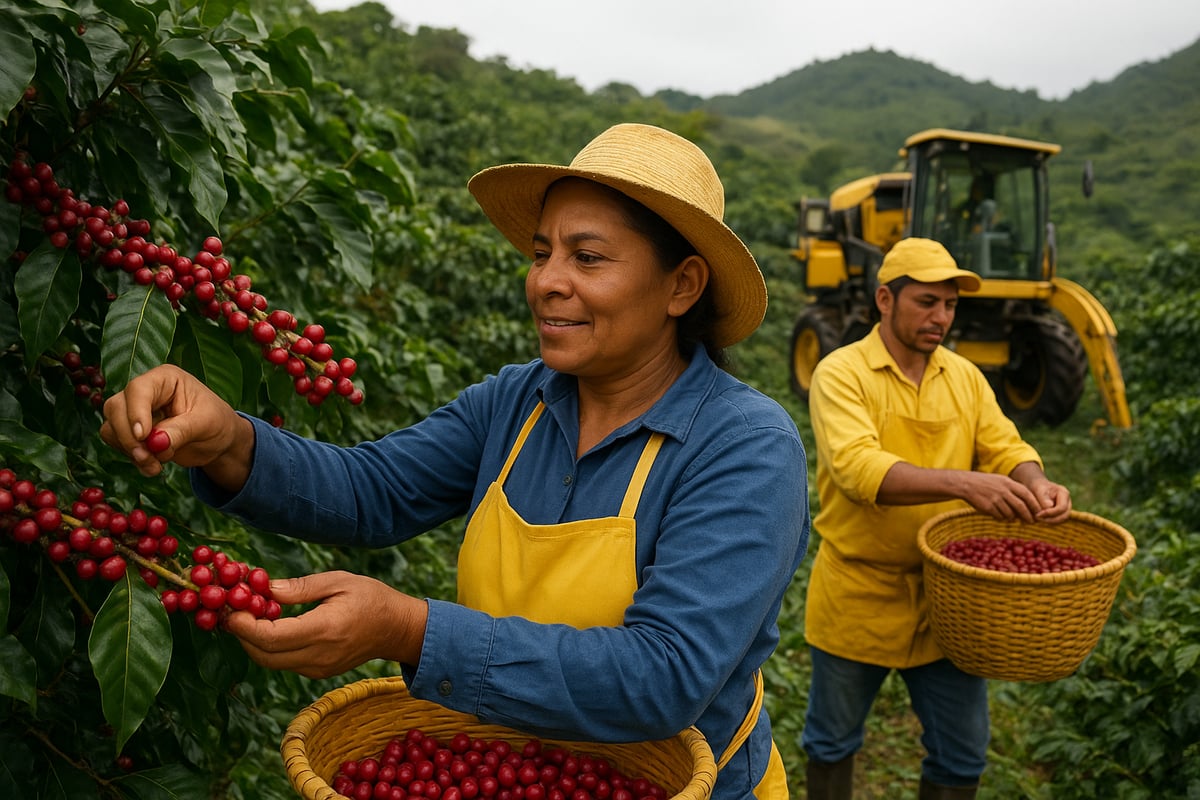
Technology is revolutionizing how cafe de colombia is grown, processed, and enjoyed. In the fields, precision agriculture tools like drones and soil sensors help farmers monitor crop health and optimize inputs. This data-driven approach leads to higher yields and more consistent quality.
Processing innovations are also making waves. New fermentation techniques, such as controlled anaerobic processes, are unlocking exotic flavors and aromas. Advanced drying systems reduce spoilage and improve bean consistency, giving Colombian producers an edge in the specialty market.
Blockchain technology is being adopted for traceability, ensuring each bag of cafe de colombia can be tracked from farm to cup. This not only builds consumer trust but also empowers growers with better data and market access.
Sustainability and Ethical Sourcing
Sustainability is at the heart of the 2025 cafe de colombia movement. Climate change, deforestation, and water management are pressing concerns for farmers and exporters alike. The National Federation of Coffee Growers (FNC) has launched robust programs supporting Rainforest Alliance and organic certifications.
Family-owned farms are leading the way with shade-grown coffee, biodiversity conservation, and innovative waste management. Fair trade and gender equity initiatives are giving back to communities, ensuring that ethical sourcing is more than a buzzword.
Consumers are responding by seeking out brands that prioritize transparency and environmental responsibility. The future of cafe de colombia depends on these sustainable practices, making them a core part of the country’s strategy.
Cafe Culture and Consumption Trends in Colombia
A new wave of coffee culture is sweeping Colombia’s cities and rural towns. Third-wave cafes in Bogotá, Medellín, and Cartagena are redefining what it means to enjoy cafe de colombia. These spots offer curated menus, expert baristas, and immersive experiences that celebrate local flavors.
Colombian consumers are experimenting with brewing methods, from traditional “olla” pots to pour-over and espresso. Coffee tourism is booming as visitors flock to origin farms and specialty cafes for hands-on experiences.
Menus are evolving too, featuring creative infusions, cold brews, and innovative pairings. This evolution is helping to elevate the profile of cafe de colombia both at home and abroad.
Expert Insights: What’s Next for Cafe de Colombia in 2025?
Industry experts predict that new flavor trends and processing methods will continue to emerge in the cafe de colombia sector. Expect to see more experimental fermentations, unique regional blends, and limited-edition releases.
Global demand is expected to stay strong, though pricing may fluctuate based on weather and market conditions. International competitions and awards will keep shining a spotlight on Colombian coffee, raising the bar for quality.
As the world’s appetite for sustainable, traceable coffee grows, cafe de colombia is poised to lead with innovation, tradition, and a commitment to excellence.
From Bean to Cup: Understanding Colombian Coffee Production
Colombian coffee is celebrated globally for its nuanced flavors and exceptional quality. To truly appreciate cafe de colombia, it’s essential to understand the journey from seed to cup. This process is a blend of tradition, innovation, and relentless attention to detail at every step.
Cultivation and Harvesting Practices
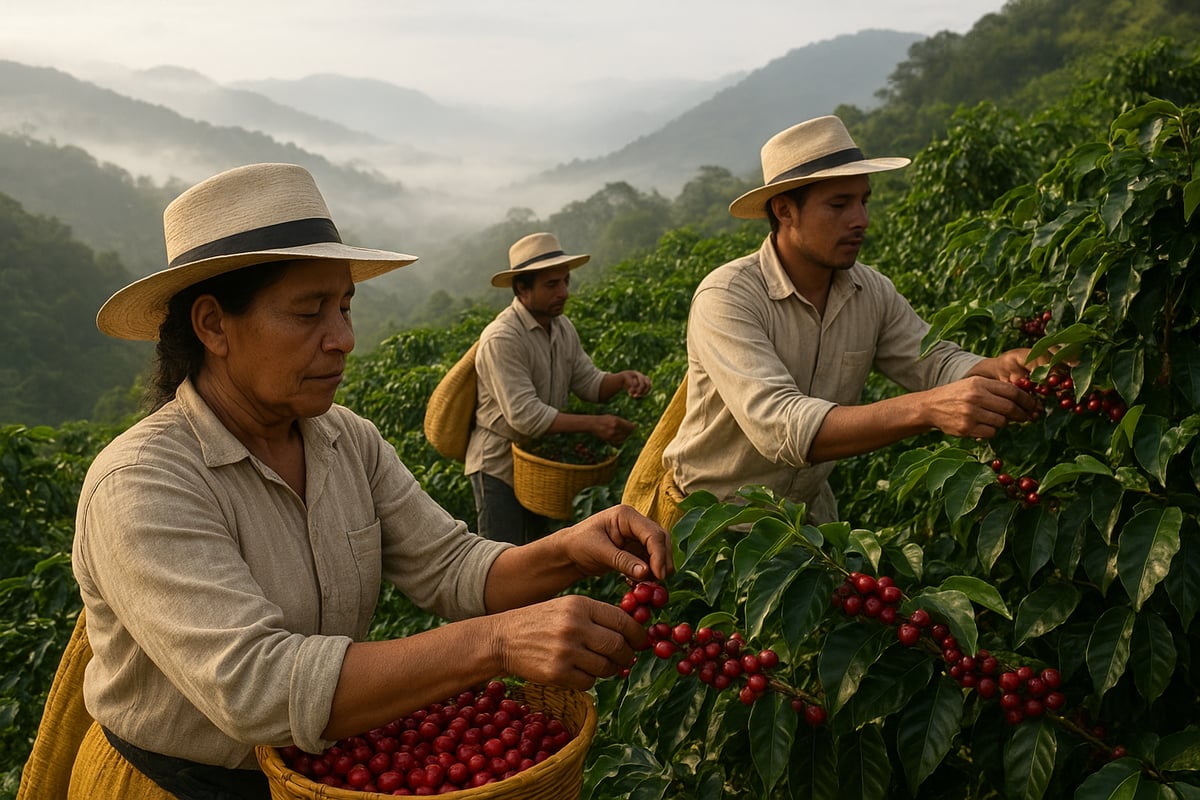
The story of cafe de colombia begins with the careful selection of Arabica coffee varieties suited to Colombia’s diverse terroirs. Coffee farms are often located on steep hillsides, where altitude and microclimate shape the bean’s flavor. Farmers rely on generations of knowledge to determine the best planting sites and times.
Hand-picking is a hallmark of Colombian harvesting. Workers selectively pick only the ripest cherries, ensuring maximum sweetness and complexity. This labor-intensive approach preserves the integrity of the crop, setting cafe de colombia apart from mechanized alternatives.
Harvest cycles in Colombia are unique, with two main harvests in most regions. This means fresh coffee is available throughout the year. However, the work is demanding, and labor shortages can be a challenge, especially for small family farms that make up the backbone of cafe de colombia.
Processing Methods: Washed, Natural, and Experimental
Once harvested, the cherries undergo processing to unlock their signature flavors. Traditionally, the washed method dominates cafe de colombia, prized for producing clean, vibrant cups. In this process, beans are separated from their fruit, fermented, and washed in fresh water.
Recently, natural and honey processes have gained traction. These experimental methods leave some or all of the fruit on the bean during drying, resulting in different flavor profiles. For example, natural processing can create more fruity or wine-like notes, while honey processing balances sweetness and acidity.
Innovative producers are also exploring carbonic maceration and anaerobic fermentation to push the boundaries of flavor. These techniques help cafe de colombia stand out in specialty markets, offering unique experiences for adventurous coffee lovers.
Quality Control and Grading
Maintaining the reputation of cafe de colombia depends on strict quality control. The National Federation of Coffee Growers (FNC) enforces rigorous standards from farm to export. Every batch is cupped and graded based on aroma, flavor, acidity, and body.
Colombian coffee is classified into Supremo, Excelso, and specialty grades. Supremo beans are the largest and most sought after for export, while Excelso is slightly smaller but still high quality. Specialty grades are reserved for unique lots that score exceptionally high in cupping tests.
| Grade | Bean Size | Flavor Profile |
|---|---|---|
| Supremo | Largest | Balanced, rich |
| Excelso | Medium | Bright, smooth |
| Specialty | Varies | Distinct, rare |
Higher grades command premium prices and open doors to international buyers, reinforcing the global prestige of cafe de colombia.
Export and Distribution Channels
Once graded, Colombian coffee embarks on a journey from remote farms to global markets. Internal transport can be challenging due to mountainous terrain, but efficient logistics networks ensure beans reach ports in good condition. The main export partners include the United States, Europe, and Asia.
Recently, Colombia has achieved a record coffee harvest in 2024/2025, with a 17% increase to 14.87 million 60-kg bags, underlining the resilience and productivity of the cafe de colombia sector.
Direct-to-consumer models and specialty roasters are growing, allowing coffee drinkers worldwide to enjoy traceable, fresh cafe de colombia straight from the source. This shift empowers farmers and connects consumers to the heart of Colombian coffee culture.
Brewing the Perfect Cup: Expert Techniques and Home Barista Tips
Unlocking the full flavor of cafe de colombia at home starts with understanding the time-honored methods that have shaped Colombia’s coffee heritage. Whether you crave tradition or seek to innovate with your brew, mastering these techniques will elevate your daily ritual.
Traditional Colombian Brewing Methods
Colombian households have long relied on classic techniques to enjoy cafe de colombia. Two methods stand out for their simplicity and cultural value.
- Cafetera: This stovetop percolator delivers a bold, straightforward brew, perfect for family gatherings.
- Olla (pot-brewed): Coffee is simmered in a large pot, often sweetened with panela and shared among friends.
- Tinto: Served in small cups, this strong, black coffee is a daily staple found in homes and on street corners.
These rituals are more than just brewing steps—they connect generations and bring communities together. The authentic taste of cafe de colombia shines through these cherished practices.
Modern Brewing Innovations
Today’s coffee enthusiasts are experimenting with modern devices to extract the best from cafe de colombia beans. Popular methods include:
- Pour-over: Highlights delicate notes and crisp acidity.
- Chemex: Produces a clean, bright cup, enhancing floral and fruity profiles.
- AeroPress: Offers versatility, allowing for both bold and nuanced flavors.
- Espresso: Intensifies sweetness and body, ideal for specialty drinks.
Fine-tuning brew ratios, water temperature, and grind size is essential for achieving the optimal extraction. These innovations allow you to unlock new dimensions in every cup of cafe de colombia.
Expert Tips for Home Brewing
To brew the perfect cup of cafe de colombia at home, focus on freshness and technique:
- Choose freshly roasted beans, preferably within two weeks of roasting.
- Store beans in airtight containers away from light and moisture.
- Grind beans just before brewing for maximum aroma.
- Use filtered water heated to 90–96°C for best results.
- Adjust grind size according to your chosen method.
For a deeper dive into techniques and step-by-step guidance, check out Brewing the perfect Colombian cup.
Consistency and attention to detail will reward you with a cup that honors the rich heritage of cafe de colombia.
Pairing and Serving Suggestions
Elevate your cafe de colombia experience with thoughtful pairings:
- Traditional: Arepas, pandebono, or almojábanas complement the coffee’s balanced notes.
- Modern: Pair with chocolate desserts, citrus tarts, or even coffee-based cocktails for a creative twist.
Serving in small cups or elegant glassware adds a touch of Colombian flair. Whether you prefer a classic tinto or a modern pour-over, these pairings showcase the versatility of cafe de colombia.
Sustainability, Fair Trade, and the Future of Cafe de Colombia
Colombia’s coffee future is rooted in sustainability, fair trade, and bold innovation. The world looks to cafe de colombia as a leader in balancing tradition with forward-thinking solutions. Let’s explore how environmental stewardship, social programs, and cutting-edge technologies are shaping the next chapter of Colombia’s coffee story.
Environmental Stewardship and Climate Adaptation
Environmental challenges are front and center for cafe de colombia producers. Rising temperatures, unpredictable rainfall, and deforestation threaten both yields and quality. Farmers are responding with shade-grown techniques, planting native trees to restore biodiversity, and investing in climate-resilient coffee varieties.
Over 40% of Colombian coffee now carries sustainability certifications, a testament to commitment across the industry. Research on climate adaptation is ongoing, with new varietals being tested for disease resistance and drought tolerance. For deeper insights on these pioneering efforts, see Colombia's sustainable coffee sector lessons.
Social Impact and Community Development
The human side of cafe de colombia is equally inspiring. Empowering women and youth in coffee farming is a growing priority. Many cooperatives offer training, education, and leadership roles to underrepresented groups.
Fair trade certifications and community-driven models ensure farmers receive fair compensation and support. These programs help strengthen rural economies, promote gender equity, and foster a new generation of coffee leaders. The social fabric of coffee communities is evolving, with collaboration at its core.
Challenges and Opportunities Ahead
The cafe de colombia sector faces ongoing challenges. Market volatility and price pressures can impact both smallholders and exporters. Extreme weather events, global competition, and shifting consumer preferences add further complexity.
Government and international partnerships are crucial for navigating these hurdles. By joining forces, stakeholders can secure better prices, improve infrastructure, and safeguard the industry’s future. Proactive adaptation is key to turning obstacles into opportunities.
Innovations Shaping the Future
Looking ahead, innovation is the heartbeat of cafe de colombia. Tech-driven traceability systems, like blockchain, are increasing transparency from farm to cup. Consumers are demanding ethical, sustainable coffee, pushing producers to raise the bar.
Emerging technologies in data analytics, precision agriculture, and eco-friendly processing are redefining quality and efficiency. The next generation of Colombian coffee will be traceable, sustainable, and deeply connected to both people and planet.
After exploring Colombia’s rich coffee culture and the expert insights shaping 2025, there’s never been a better time to bring that authentic experience into your own cup. You’ve seen how tradition and innovation blend in every bean, and how true quality starts with passionate farmers on misty mountain slopes. Why settle for ordinary when you can enjoy the real thing—freshly roasted, ethically sourced, and delivered right to your door at a price that beats the grocery store? If you’re ready to taste the soul of Colombian coffee for yourself, Get the Best Coffee at the Best Price Here.


