


Colombia green coffee beans stand at the heart of the specialty coffee movement, captivating enthusiasts and professionals alike across the globe. What makes them so vital in 2025? Their unmatched flavor, ethical sourcing, and deep heritage all play a role.
In this guide, you will uncover Colombia’s rich coffee legacy, learn proven sourcing strategies, and master brewing techniques that elevate every cup. We’ll also explore the latest trends, varietals, and expert tips that define the future of Colombian coffee.
Ready to experience the best in quality and sustainability? Dive in and discover how to make every cup truly exceptional.
The Legacy of Colombian Green Coffee Beans
Colombia green coffee beans are celebrated worldwide for their remarkable quality, rich history, and unique flavor profiles. Whether you’re a home brewer or sourcing specialist, understanding their legacy is essential to appreciating what makes Colombian coffee so special. Let’s explore the roots of excellence and the sustainable future shaping every cup.
Colombia’s Coffee Heritage and Global Reputation
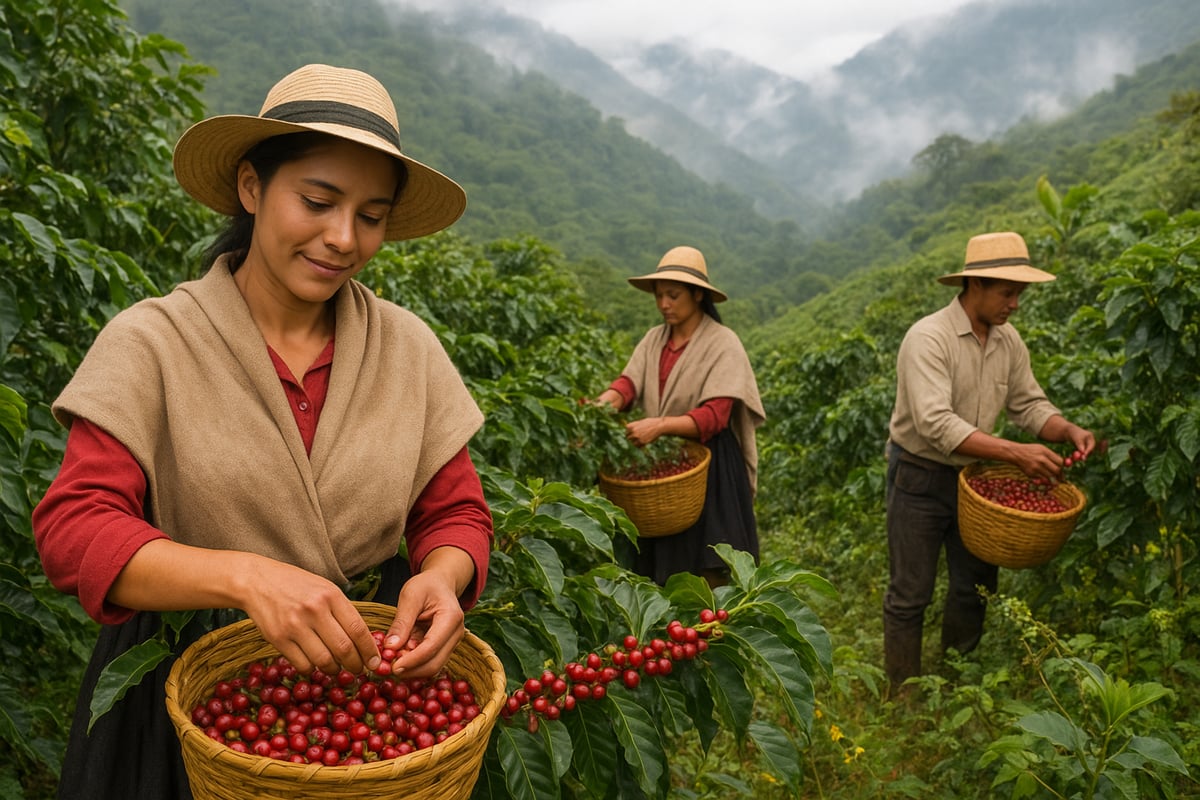
Colombia green coffee beans have shaped the global specialty coffee scene for generations. As one of the world’s top coffee-producing countries, Colombia exports over 11 million bags annually, thanks to its ideal geography. The Andes mountains, volcanic soil, and elevations between 4,000 and 6,500 feet create perfect conditions for slow bean development and complex flavors.
Coffee arrived in Colombia during colonial times and quickly became the backbone of rural economies. Today, over 500,000 smallholder families continue the tradition of hand-picking only the ripest cherries. This meticulous approach, combined with regional diversity, results in beans with a medium body, mellow acidity, caramel sweetness, and hints of nut and floral notes.
Each region imparts its own signature on colombia green coffee beans. Huila is known for bright acidity and fruit-forward profiles, while Antioquia and Tolima offer chocolatey and nutty undertones. Colombian coffee’s legacy is also tied to its influence in global cupping competitions and the specialty movement, where quality and sustainability are highly prized.
To learn more about the origins and unique characteristics of colombia green coffee beans, explore this detailed guide on Colombian Coffee Bean Origins.
Here’s a quick comparison of two iconic Colombian regions:
| Region | Notable Bean | Flavor Notes | Acidity | Body |
|---|---|---|---|---|
| Huila | Excelso | Citrus, plum, floral | Bright | Medium |
| Antioquia | Supremo | Chocolate, nut, caramel | Balanced | Medium |
The diversity and consistency of colombia green coffee beans have cemented Colombia’s reputation as a leader in the specialty coffee world.
Sustainability and Ethical Sourcing in Colombia
The story of colombia green coffee beans is not just about taste, but also about responsibility. Colombian cooperatives like CADEFIHUILA champion ethical sourcing, offering Fairtrade, Rainforest, and C.A.F.E. certifications to ensure farmers receive fair compensation and support.
Sustainability efforts extend to biodiversity protection, with many farms growing coffee under shade trees that preserve local ecosystems. Community empowerment is central, as cooperatives invest in education, infrastructure, and support for women in coffee.
Traceability is now a key factor when sourcing colombia green coffee beans. Buyers increasingly demand transparency, from farm to export, to guarantee ethical practices and quality. Direct trade relationships foster trust and higher income for producers.
Certifications you might encounter include:
- Fairtrade
- Rainforest Alliance
- 4C
- C.A.F.E. Practices
According to the Colombian Coffee Growers Federation, over 60 percent of colombia green coffee beans are now certified as sustainable. This shift benefits not only the environment and local communities, but also ensures buyers can confidently source beans that align with their values.
Colombia’s commitment to sustainability and ethical sourcing means every cup brewed from colombia green coffee beans supports a brighter future for coffee-growing families and the planet.
How to Source Colombian Green Coffee Beans in 2025
Sourcing authentic colombia green coffee beans in 2025 is both an exciting opportunity and a strategic challenge. As global demand rises, knowing how to navigate the supply chain and identify top-quality beans will set you apart. Whether you are a home roaster, café owner, or wholesale buyer, understanding the process ensures you receive the freshest, most flavorful beans possible.
Navigating the Colombian Coffee Supply Chain
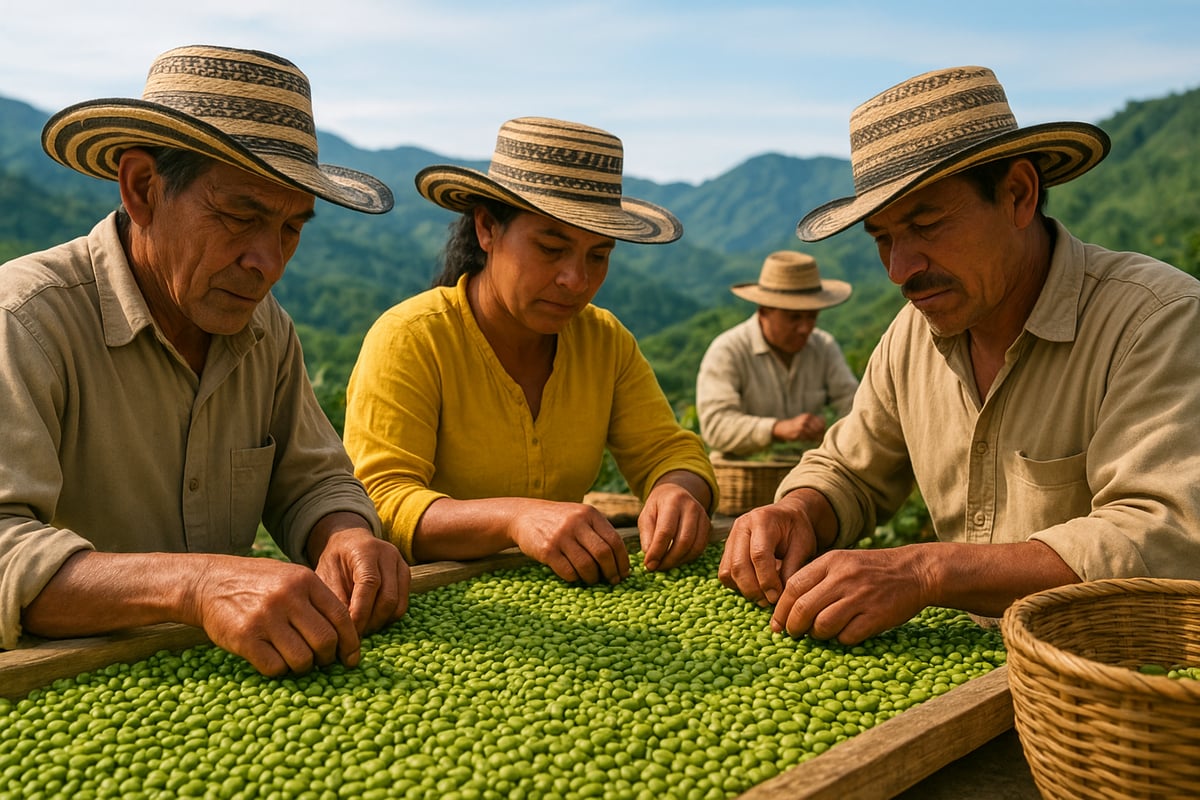
The journey of colombia green coffee beans starts on small farms nestled in the Andes. Over 500,000 families hand-pick cherries, ensuring only the ripest fruit goes to market. These beans are then delivered to cooperatives, like CADEFIHUILA, where quality control and processing begin.
From cooperatives, beans move to exporters and specialty importers. Each step in the supply chain impacts freshness, traceability, and overall quality. Choosing the right supplier is crucial. Here is a quick comparison:
| Supplier Type | Advantages | Example Use Cases |
|---|---|---|
| Cooperative | Direct impact, traceability, certifications | Cafés, roasters, retailers |
| Direct farm purchase | Unique micro-lots, close relationships | Specialty shops, enthusiasts |
| Specialty importer | Wide selection, expertise, logistics | Wholesale, online retail |
| Online marketplace | Convenience, small lots, variety | Home roasters, small cafés |
When sourcing colombia green coffee beans, pay close attention to grades. Supremo (17/18 screen size) and Excelso (15+) reflect size and consistency, with Supremo often commanding a premium for its uniformity. Processing methods also influence your buying decision:
- Washed: Clean cup, bright acidity, most common in Colombia.
- Honey: Enhanced sweetness, subtle fruit notes.
- Natural: Intense fruit, complex, increasingly available.
For maximum freshness, request shipment in Grain-Pro bags. These protect beans from moisture and preserve flavor during transit. Always seek out recent crop years and ask for sample cuppings before making bulk purchases.
To dive deeper into Colombia's specialty coffee scene and sourcing strategies, check out the Specialty Coffee in Colombia guide for expert tips and regional insights.
What to Look for When Buying Green Coffee Beans
Selecting the finest colombia green coffee beans requires a keen eye and a bit of sensory detective work. Start by examining the beans:
- Uniform size and color: Indicates careful sorting and processing.
- No visible defects: Avoid beans with black spots, insect damage, or uneven coloring.
- Fresh, grassy aroma: Steer clear of moldy or musty scents, which signal poor storage.
Documentation is equally important. Ask your supplier for full traceability, details on the processing method, and proof of certifications like Fairtrade or Rainforest Alliance. These factors not only guarantee ethical sourcing but also affect price and quality.
Price can fluctuate based on seasonality, certifications, and global demand. Specialty-grade colombia green coffee beans typically score 84+ on the SCA scale, delivering superior flavor and cup quality. For decaf lovers, compare offerings like Decaf de Caña (EA process) for its natural sweetness and body versus standard decaf options.
Here is a quick checklist for buyers:
- Request cupping scores and tasting notes.
- Confirm crop year and storage practices.
- Choose the right grade for your needs (Supremo for balance, Excelso for brightness).
- Prioritize suppliers with strong community ties and transparent sourcing.
By following these steps, you will secure the freshest, most flavorful colombia green coffee beans for your brewing adventures.
Colombian Coffee Varieties, Processing, and Flavor Profiles
Colombia green coffee beans are prized worldwide for their depth, diversity, and signature flavor profiles. To truly appreciate what sets them apart, it is essential to understand the unique varietals, innovative processing methods, and the rigorous standards that define Colombian coffee excellence.
Key Colombian Coffee Varieties
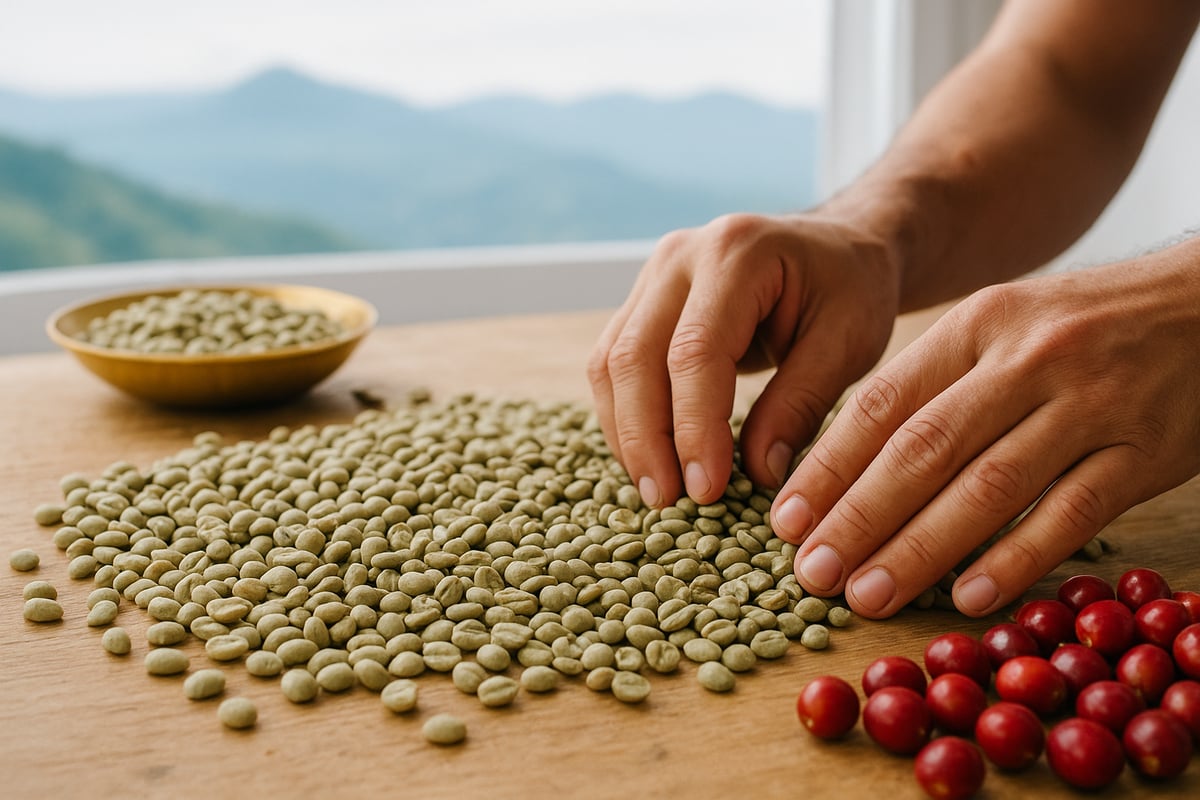
The backbone of colombia green coffee beans lies in its rich tapestry of varieties. The most common are Castillo, Caturra, Colombia, Bourbon, Typica, and the resilient Cenicafé1. Each brings its own strengths: Castillo offers disease resistance and vibrant acidity, while Caturra is cherished for its sweet, balanced cup.
Regional terroir shapes these beans profoundly. Huila's volcanic soils, for instance, yield fruit-forward notes and bright acidity. Antioquia is known for chocolate undertones and a heavier body, while Nariño delivers pronounced floral complexity. For a deep dive into the Huila region's influence on flavor, explore the Colombian Huila Coffee Region.
A typical blend from cooperatives like CADEFIHUILA combines Castillo, Colombia, Caturra, and Cenicafé1, crafting a cup layered with caramel, citrus, and subtle floral notes. By selecting specific regions and varietals, buyers can tailor their colombia green coffee beans experience to their exact taste preference.
| Variety | Cup Profile | Disease Resistance |
|---|---|---|
| Castillo | Bright, fruity | High |
| Caturra | Sweet, balanced | Moderate |
| Colombia | Nutty, creamy | High |
| Bourbon | Sweet, complex | Low |
| Typica | Floral, delicate | Low |
| Cenicafé1 | Rich, smooth | Very High |
Processing Methods and Their Impact
Processing is the secret ingredient behind the flavors of colombia green coffee beans. Colombia is renowned for its washed process, which produces a clean cup with crisp acidity and clarity. This method is especially popular in regions like Huila and Nariño.
However, honey and natural processing are gaining traction, appealing to adventurous palates. Honey-processed beans retain some fruit mucilage, imparting richer sweetness and body. Natural processing, where cherries dry whole, infuses the beans with bold, fruity flavors and complexity.
Decaffeination methods also matter. Ethyl acetate (EA, known locally as “Decaf de Caña”) uses natural sugarcane extracts to preserve sweetness and body. The Mountain Water Process (MWP) is another gentle method that maintains original flavor notes. The choice of processing method greatly influences the taste and aroma of colombia green coffee beans, making it vital for buyers to understand these nuances.
Flavor Notes and Cupping Characteristics
What truly defines colombia green coffee beans is their remarkable flavor spectrum. Expect to find a harmonious balance of medium to full body, mellow yet bright acidity, and a lingering, fruit-like finish. Common tasting notes include citrus, apricot, black tea, crème caramel, plum, apple, chocolate, and walnut.
Varietal and processing choices directly shape these profiles. For example, a washed Huila Excelso often scores 84+ on the SCA scale, offering vibrant acidity with hints of stone fruit and caramel. A natural-processed Typica from Nariño might deliver a floral aroma with an intense, sweet finish.
Cupping sessions are invaluable for exploring these differences. Comparing two colombia green coffee beans side-by-side, such as a caramel-rich Supremo and a fruity Huila Excelso, reveals the impressive diversity found within a single origin.
Certifications and Quality Standards
Quality and sustainability are inseparable when it comes to colombia green coffee beans. The Specialty Coffee Association (SCA) sets the grading bar high, with specialty grade requiring a score above 80, and premium lots often surpassing 84.
Certifications are equally important. Look for Fairtrade, Rainforest Alliance, 4C, or C.A.F.E. Practices labels to ensure ethical sourcing and environmental stewardship. Over 60% of Colombian coffee now holds sustainability certification, a testament to the country's commitment.
Strict quality control is the norm. Cooperatives like CADEFIHUILA operate multiple cupping labs to maintain consistency and excellence. Every batch of colombia green coffee beans is evaluated for size, color, aroma, and defect count, ensuring only the best reach your cup.
For anyone seeking exceptional coffee, understanding these varieties, processing methods, flavor profiles, and standards is the key to unlocking the full potential of colombia green coffee beans.
Roasting Colombian Green Coffee Beans: Step-by-Step Guide
Unlocking the full potential of colombia green coffee beans starts with mastering the roasting process. Whether you're a home enthusiast or a cafe owner, roasting your own beans lets you tailor flavors and freshness to your exact taste.

Preparing Your Green Coffee Beans
Start with proper storage for your colombia green coffee beans. Keep them in a cool, dry place, inside airtight containers, and away from sunlight or moisture. This preserves their quality until you're ready to roast.
Before roasting, weigh out the exact amount of beans you'll need. This ensures consistent results and allows you to fine-tune your roast profiles over time. Inspect the beans closely, removing any visible defects or debris. Uniformity in size and color is key for even roasting and optimal flavor.
Let your colombia green coffee beans acclimate to room temperature for at least 30 minutes before roasting. This simple step helps achieve a more consistent roast, as beans roast more evenly when starting at a stable temperature.
- Store beans in airtight containers, away from heat and light.
- Weigh and sort beans before each roast.
- Acclimate beans to room temperature for even roasting.
By giving attention to these details, you set the stage for a successful roast and a delicious cup of coffee.
Choosing the Right Roasting Method
There are several ways to roast colombia green coffee beans at home. Each method brings out different characteristics in the beans, so choose one that fits your preferences and setup.
- Air Roasters: Great for bright, clean flavors. They use hot air to agitate and roast the beans, ideal for highlighting the acidity and fruitiness of Colombian origins.
- Drum Roasters: These provide deeper body and more even heat distribution, perfect for more developed, chocolatey notes.
- Stovetop and Oven Roasting: Budget-friendly and accessible, but require careful monitoring to avoid uneven roasts.
- Popcorn Poppers: A fun, entry-level method that works best for small batches, though temperature control is limited.
Consider the batch size, level of control, and desired flavor profile when selecting your method. Air roasters excel with colombia green coffee beans if you love a vibrant, nuanced cup, while drum roasters are better for those who prefer a richer, fuller body.
Experiment with different methods to discover which brings out the best in your favorite Colombian beans.
Roasting Profiles for Colombian Beans
Roast level dramatically affects the flavor of colombia green coffee beans. Understanding the right profile for each Colombian origin helps you get the most out of your beans.
| Roast Level | Flavor Notes | Best For |
|---|---|---|
| Light | Floral, citrus, fruit | Huila, Nariño, Excelso |
| Medium | Balanced, sweet, caramel | Supremo, Excelso |
| Dark | Chocolate, nutty, smoky | Supremo, daily drinkers |
Light roasts highlight the natural acidity and floral notes, especially in high-grown Colombian beans. Medium roasts create a balanced cup with caramel sweetness, making them the classic choice for Colombian coffee lovers. Dark roasts bring out bold, chocolatey flavors and a heavier body.
Monitor the roast closely. Listen for the first crack (light roast) and, if desired, the second crack (darker roast). For more tips on how roast level impacts brewing, check out this Colombian Coffee Brewing Guide.
Experiment with small batches to find your ideal roast profile.
Cooling and Storing Roasted Beans
Once your colombia green coffee beans have reached the desired roast, rapid cooling is essential to stop the roasting process and lock in flavors. Spread the beans in a thin layer on a metal tray or use a dedicated cooling tray with a fan.
Let the beans degas by resting them in a loosely sealed container for 12 to 48 hours. This allows carbon dioxide to escape, enhancing cup clarity and taste. After degassing, transfer the beans to an airtight container and store them in a cool, dark place.
- Cool beans immediately after roasting.
- Rest beans before brewing for peak flavor.
- Store roasted beans in airtight containers.
Proper cooling and storage ensure your roasted Colombian coffee stays fresh, aromatic, and ready for brewing.
Brewing the Perfect Cup: Methods & Tips for Colombian Coffee
Unlocking the full flavor potential of colombia green coffee beans starts right at home. Whether you’re a seasoned barista or just starting your coffee journey, mastering the brewing process elevates every cup. Let’s explore the essential steps, expert techniques, and insider secrets to consistently brew exceptional Colombian coffee.
Selecting the Right Grind and Water
Your grind size and water quality are the foundation for extracting the best from colombia green coffee beans. For pour-over or drip, use a medium grind for balanced extraction. French press calls for a coarse grind, while espresso shines with a fine grind. Always grind fresh, just before brewing, to preserve aromatics.
Water matters more than you think. Use filtered water with balanced minerals for clarity and sweetness. Aim for a temperature between 195 and 205°F (90–96°C). Too hot, and you risk bitterness; too cool, and you’ll get a flat cup.
Grind & Brewing Method Table
| Brewing Method | Grind Size | Water Temp |
|---|---|---|
| Pour-over | Medium | 200°F |
| French Press | Coarse | 200°F |
| Espresso | Fine | 198°F |
| Aeropress | Medium-Fine | 195–205°F |
Consistency is key. By dialing in your grind and water, you’re already halfway to enjoying the brightest notes of colombia green coffee beans.
Brewing Methods for Colombian Coffee
Now, let’s choose your brewing adventure. Pour-over methods like V60 or Chemex highlight acidity and clarity, ideal for fruit-forward Huila or Excelso beans. French press brings out the chocolate and nutty undertones, perfect for Supremo lots. Espresso delivers intense sweetness and crema, especially when adjusting dose and pressure for Colombian origins.
Aeropress and cold brew offer versatility, letting you experiment with strength and temperature. These methods are gaining traction globally, reflecting recent Colombian coffee industry growth and trade insights that spotlight innovative home brewing.
No matter your method, start with a 1:16 coffee-to-water ratio. Adjust as needed for your taste. Remember, brewing colombia green coffee beans is both art and science—try different methods and discover what brings out the flavors you love most.
Extraction Tips and Troubleshooting
Even the best beans need careful handling. For colombia green coffee beans, extraction is where magic happens. If your coffee tastes bitter, try a coarser grind or lower water temperature. If it’s sour, go finer or increase the heat. Weak cup? Add more grounds or reduce water.
Troubleshooting Quick List:
- Bitter: Coarser grind, cooler water
- Sour: Finer grind, hotter water
- Weak: More coffee, less water
- Flat: Check freshness, adjust grind
Brew time also matters—2 to 4 minutes for pour-over, 4 to 5 for French press. Keep notes on your process. Small tweaks lead to big improvements in your enjoyment of colombia green coffee beans.
Showcasing Colombian Coffee’s Unique Qualities
Brewing is just the start. To truly appreciate colombia green coffee beans, pay attention to aroma, flavor, and aftertaste. Pair your cup with pastries, chocolate, or fresh fruit to complement the natural notes. Savor the caramel, citrus, or floral finish unique to each region.
Hosting a cupping session with friends is a fantastic way to explore the diversity of Colombian profiles. Note the body, acidity, and lingering sweetness in each sip. By celebrating the craftsmanship behind colombia green coffee beans, you not only elevate your daily ritual but also honor the farmers and traditions shaping each harvest.
2025 Trends and Innovations in Colombian Green Coffee
The landscape of colombia green coffee beans is rapidly evolving in 2025, promising new opportunities for buyers, roasters, and coffee lovers everywhere. From shifting consumer preferences to cutting-edge farming and processing techniques, Colombia continues to set the pace for specialty coffee on the world stage.
Market Trends and Demand Shifts
Demand for colombia green coffee beans is surging as consumers crave traceable, single-origin, and specialty lots. More buyers want to know the story behind their cup, pushing for full transparency from seed to export.
Sustainability is a major driver, with over 60 percent of Colombian coffee now certified as sustainable. Subscription models and direct-to-consumer deliveries are making it easier than ever for enthusiasts to access fresh, authentic beans.
Buyers are prioritizing ethical sourcing, quality, and unique cup profiles, making Colombian coffees a centerpiece in specialty shops and home brewing circles alike.
Innovations in Farming and Processing
Innovation is at the heart of colombia green coffee beans production this year. Farmers are adopting new varietals like Cenicafé1, bred for disease resistance and higher cup quality.
Experimental processing methods, including honey and natural processes, are gaining momentum. These techniques create fruitier, more complex flavor notes, appealing to adventurous palates.
Technology is making a difference, too. Digital traceability tools, climate-smart agriculture, and improved drying techniques help ensure consistency, quality, and sustainability from farm to cup.
Export, Import, and Pricing Trends
Colombia’s coffee output remains robust in 2025, with stable exports despite climate challenges. According to Colombia's record coffee harvest in 2025, the country achieved its best harvest in decades, reinforcing its global leadership.
Pricing for colombia green coffee beans is shaped by supply, demand, certifications, and crop quality. Grades like Excelso and Supremo continue to dominate international markets thanks to their versatility and value.
Here’s a quick comparison of key grades:
| Grade | Screen Size | Typical Notes | Popular Uses |
|---|---|---|---|
| Supremo | 17/18 | Chocolate, nutty | Espresso, blends |
| Excelso | 15+ | Citrus, floral, sweet | Pour-over, filter |
Sustainability, Community, and Cooperative Initiatives
Sustainability defines the future of colombia green coffee beans. Cooperatives are leading the way, ensuring fair compensation, education, and vital infrastructure for farming communities.
Environmental initiatives focus on shade-grown coffee, biodiversity, and water conservation. Empowerment programs, such as Mujeres en Cafe, support gender equity and provide training for the next generation of coffee leaders.
By choosing certified and cooperative-sourced beans, buyers contribute directly to positive change in Colombia’s coffee regions.
What to Expect in the Cup: The Future of Colombian Coffee Flavor
The flavor experience of colombia green coffee beans is expanding in 2025. As new varietals and experimental methods take hold, expect greater diversity in your cup.
Classic balanced profiles will always have their place, but fruit-forward, floral, and even exotic notes are becoming more common. Specialty decaf options are improving, offering full-bodied sweetness without compromise.
Coffee lovers can look forward to ever more vibrant, nuanced, and memorable brews with every harvest.
Practical Tips for Staying Ahead in 2025
To thrive in the dynamic world of colombia green coffee beans, stay proactive. Follow harvest cycles and new releases from top regions like Huila and Nariño.
Build direct relationships with reputable importers and cooperatives. Tap into resources like the USDA's 2025 Colombia Coffee Annual Report to track market trends and sourcing opportunities.
Participate in virtual cuppings and educational events to deepen your expertise. Knowledge, connection, and adaptability are your keys to sourcing—and brewing—the best Colombian green coffee beans in 2025.
After exploring what makes Colombia’s green coffee beans so extraordinary—from the hand-picked cherries to the vibrant flavors and sustainable practices—you deserve to taste the real thing for yourself. Imagine starting your day with coffee that’s not just smooth and rich, but also supports passionate farming families and honors generations of tradition. Why settle for ordinary when you can experience the soul of Colombia in every cup and save big in the process? If you’re ready to elevate your daily ritual and get the freshest, most authentic beans delivered straight to your door, Get the Best Coffee at the Best Price Here.


